Kyrgyzstan aims to fully meet domestic demand for key food products through its own production by 2030. For now, the country produces enough potatoes, vegetables, and milk, but imports still cover close to half of its vegetable oil and wheat needs.
The government presented its new targets on September 8. According to data for the first half of the year, potato production was almost twice the level of domestic demand, vegetable and melon production was more than double demand, and milk production exceeded domestic requirements by roughly a quarter.
The picture is weaker elsewhere. Meat and eggs cover about four-fifths of demand, while flour products and sugar are closer to three-quarters. Domestic vegetable oil meets just 54% of demand, while the figure for fruit and berries is only around 16%.
These figures sit awkwardly with claims made earlier in the year. In February, the Ministry of Agriculture said Kyrgyzstan was already self-sufficient in six of nine major food categories, including meat, sugar, and eggs, although its own figures put all three below 100%.
Wheat remains particularly sensitive. According to the UN Food and Agriculture Organization (FAO), imports cover nearly half of Kyrgyzstan’s wheat requirements for food consumption and the milling industry. In the 2025/26 marketing year, the country was expected to import around 350,000 tons of cereals, with wheat typically accounting for approximately 95% of cereal import requirements.
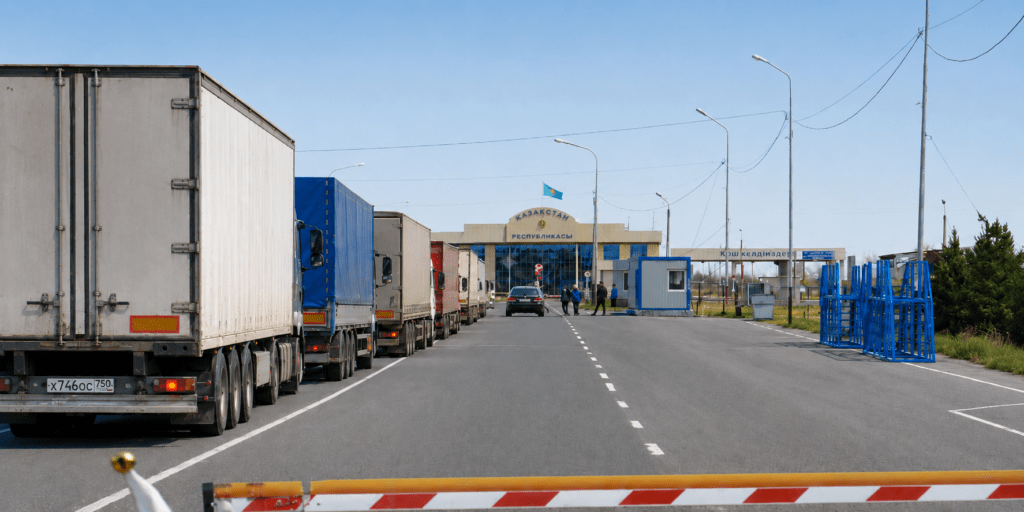
Supplies come mainly from Russia and Kazakhstan, leaving domestic flour and bread prices exposed to harvests, grain prices, export policies, and logistics in both countries.
The government plans to expand wheat and oilseed cultivation, establish new orchards, and increase the area of irrigated farmland. It has also called for proposals to expand citrus production.
The authorities have also intervened directly in the meat market. After prices rose in 2025, the government imposed price caps on certain types of meat and extended the controls. It has also used temporary restrictions on livestock exports to increase supplies on the domestic market.
In a 2024 strategy document, the International Fund for Agricultural Development estimated that Kyrgyzstan depended on imports for about 40% of its overall food requirements. Agriculture employs a significant share of the population, while most farms remain small family-run operations.
Reaching the 2030 target will therefore require substantial increases in domestic production of wheat, vegetable oil, and fruit within the next four years.