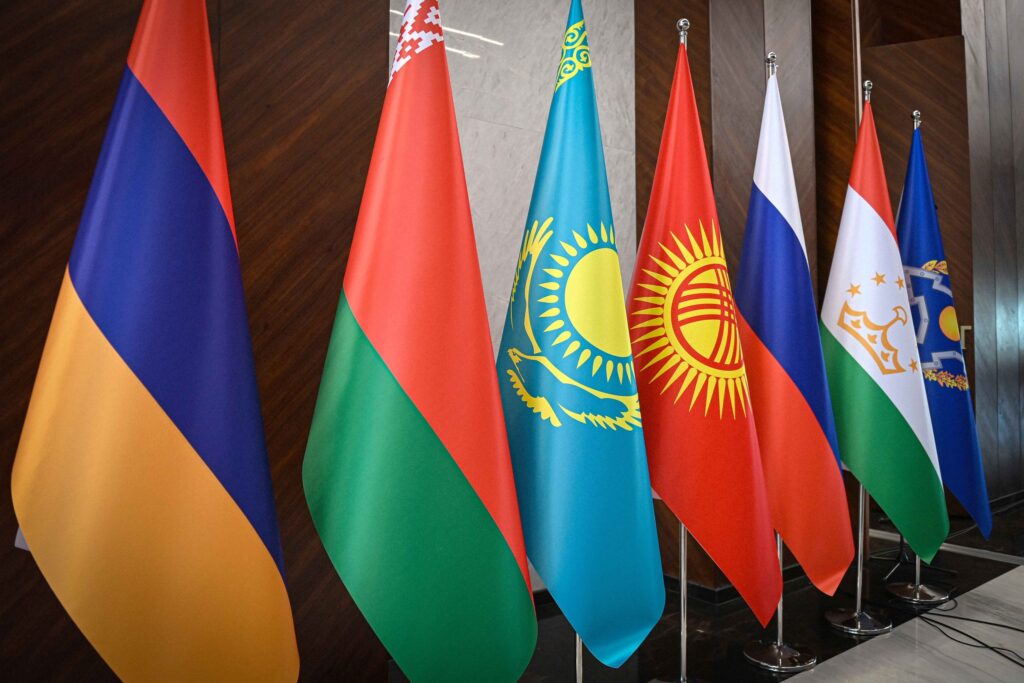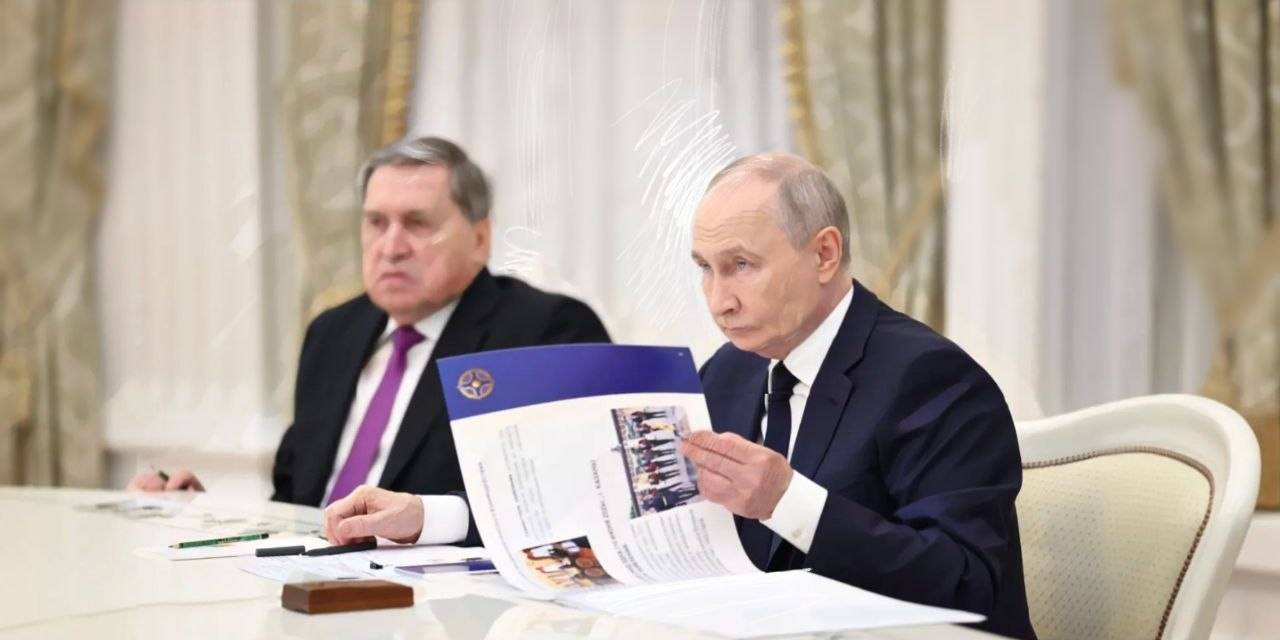
Russia used the November 11 CSTO summit in Moscow to promote closer military cooperation with allies increasingly looking elsewhere for partners. Plans to develop the collective aviation force and supply equipment for Tajikistan’s Afghan border would keep their militaries working with Russia, but Armenia’s estrangement shows how far confidence in Russian protection has fallen.
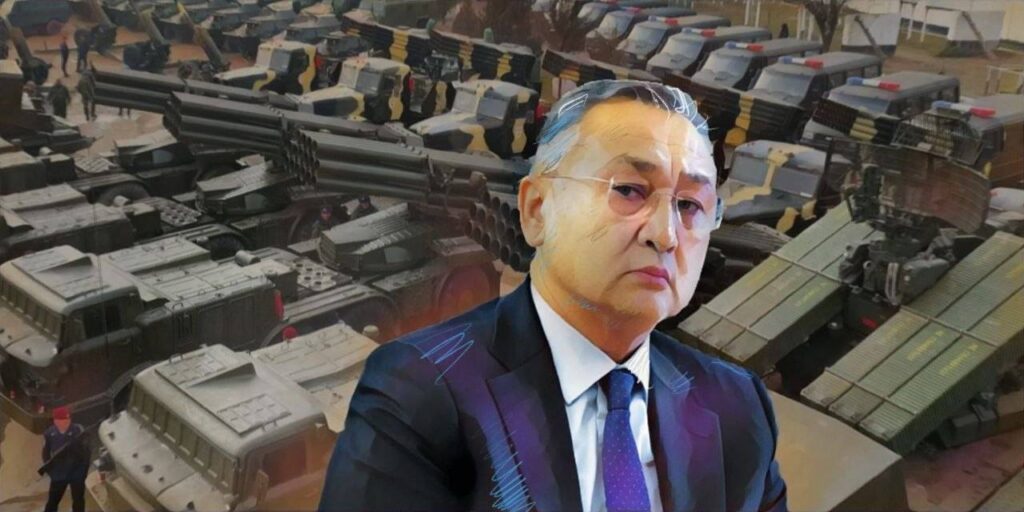
The summit barred Armenia from voting and appointing representatives to senior posts in the Collective Security Treaty Organization. Kremlin spokesman Dmitry Peskov announced the restrictions, citing its failure to meet its membership obligations. Armenia remains a member, but has withheld contributions and frozen participation after accusing the alliance of failing to defend it.
Kazakhstan, Kyrgyzstan, and Tajikistan continue to participate. They still want military training, cooperation against terrorism, and help securing the region’s southern border with Afghanistan. Moscow can offer those services, even as the Ukraine war damages its standing and China, Europe, and the U.S. expand their economic presence.
At the previous summit in Bishkek, Russian President Vladimir Putin promoted Russian weapons and closer military integration. The Moscow meeting continued that effort. Equipment and joint operations keep Russia involved in its neighbors’ defense planning, while agreed declarations allow it to claim diplomatic support beyond Belarus.
The Damage in Armenia
Armenia’s break with Moscow developed through successive security failures. The CSTO provided no military assistance after Azerbaijani attacks on Armenian territory in 2022, leading Yerevan to freeze its participation in 2024. The dispute over unpaid contributions followed the loss of confidence in the alliance, rather than causing it.
The Nagorno-Karabakh conflict deepened that rupture. Russian peacekeepers deployed after the 2020 war did not prevent Azerbaijan’s September 2023 offensive. More than 100,000 ethnic Armenians fled, leaving Moscow’s claim to be a reliable protector badly damaged.
Nagorno-Karabakh was internationally recognized as Azerbaijani territory and fell outside the CSTO’s collective-defense guarantee. Russia’s peacekeeping mission there was separate from the alliance. But that distinction offered little reassurance to an Armenian government that had already failed to obtain military assistance after attacks on Armenia itself.
Kazakhstan has a different experience. During the January 2022 unrest, CSTO troops guarded key facilities. Moscow can therefore point to an actual deployment when arguing that membership remains useful, though Armenia’s experience makes it harder to promise that help will arrive whenever another member requests it.
The Border Program in Tajikistan
Tajikistan takes over the CSTO chairmanship in January 2027, and Tajik President Emomali Rahmon used the summit to call for closer attention to carrying out existing commitments. Strengthening the organization should rest on “mutual trust, consideration of the interests of member states and consistent fulfillment of commitments undertaken,” Rahmon said.
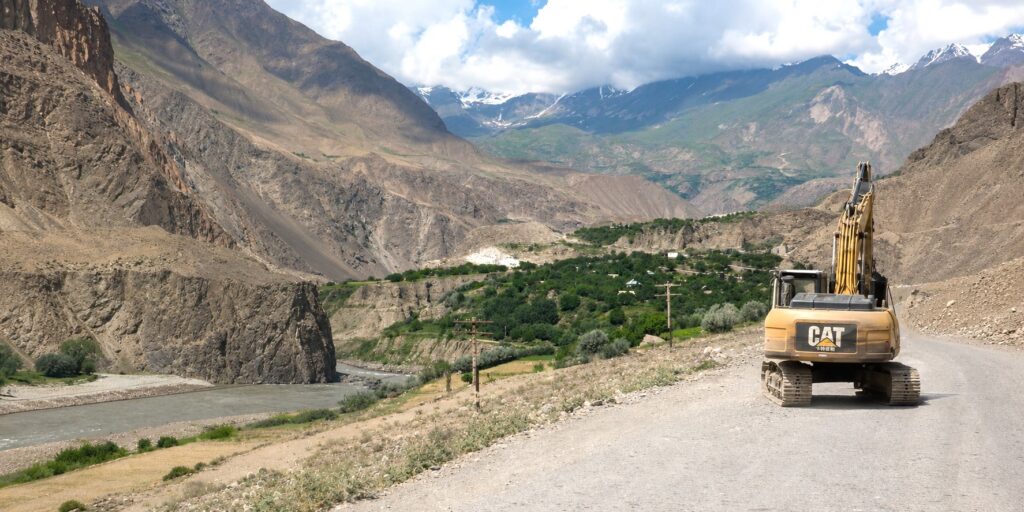
The Afghan border program has taken years to negotiate. The CSTO decided to develop it in 2013, but leaders approved it only in November 2024. Its published timetable assigned preparations to 2025, priority deliveries to 2026–2027, and further reinforcement through 2029.
The border equipment program was still awaiting financing arrangements in April. On October 21, Secretary General Taalatbek Masadykov said Tajikistan had selected suppliers and agreed order values, with initial shipments expected before year-end, according to Radio Azattyq. Suppliers included Kazakhstan, Kyrgyzstan, Russia, and Belarus.
Summit accounts did not confirm completed deliveries, disclose equipment quantities, or provide a total funding figure.
What Moscow Can Still Offer
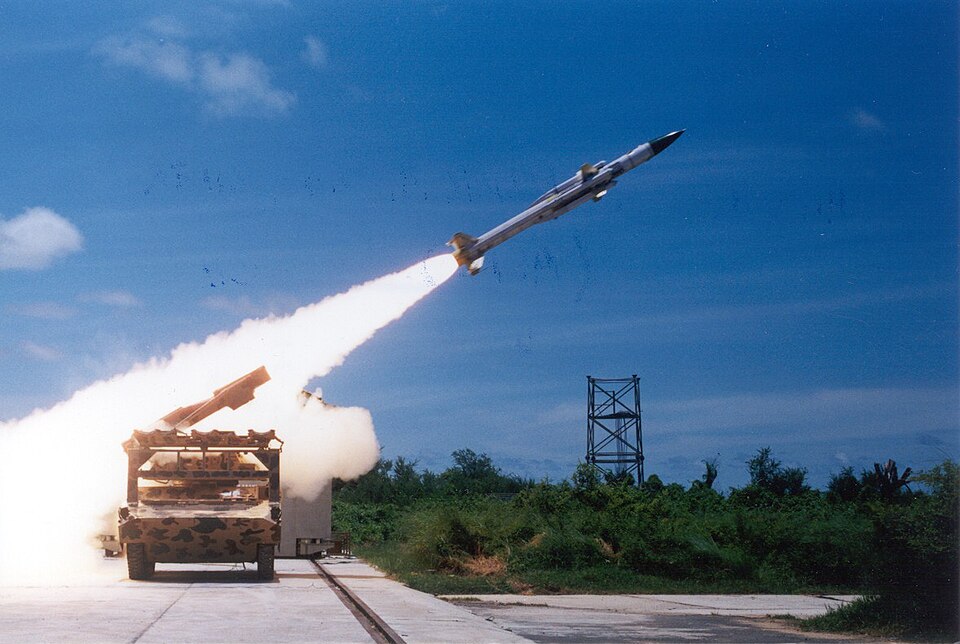
The leaders adopted decisions on collective aviation and a counterterrorism strategy through 2030. Discussions also covered mobile air-defense units to protect collective forces during joint operations.
The joint staff’s account described plans to include different combat aviation formations in the collective aviation force, outlining proposed military arrangements rather than confirming that new units had been deployed.
President Kassym-Jomart Tokayev’s summit remarks focused on terrorism, drug trafficking, and information security, including risks associated with artificial intelligence.
Kazakhstan had set out its diplomatic position the previous day. At a separate collective security forum, Foreign Minister Mukhtar Tileuberdi argued that international order could not rest solely on the balance of power. He called for international law and negotiation, warning against confrontation and new dividing lines in Eurasia. The emphasis on negotiation was consistent with Tokayev’s earlier call to freeze the war in Ukraine and resume peace talks, a proposal he made alongside Putin in July.
Confirming Kyrgyzstan’s readiness to host CSTO activities in 2027, Kyrgyz President Sadyr Japarov highlighted military training and cooperation against cross-border crime. His proposals on Afghanistan also included economic recovery and humanitarian assistance.
Putin presented the talks as evidence of agreement among allies. “On virtually every issue discussed, complete mutual understanding was reached,” he said in his opening remarks to the expanded session.
The final declaration reaffirmed members’ sovereignty and territorial integrity, and backed work on a Eurasian charter on diversity and multipolarity. It also expressed concern about military infrastructure approaching CSTO borders.
China has overtaken Russia as Central Asia’s largest trading partner, with trade reaching $106.3 billion in 2025. Moscow’s military relationships now coexist with a regional economy increasingly oriented toward Beijing.
Kazakhstan’s reliance on Russian transit has also become a liability. Repeated disruptions to oil exports have strengthened the case for expanding shipments across the Caspian through Azerbaijan. Alongside that effort, Kazakhstan is investing in the Middle Corridor, including $462 million in transport agreements announced with European partners in June. These routes reduce exposure to Russia, although alternative oil shipments remain a fraction of the volumes carried through Russian territory.
Russia retains enough influence to secure those joint positions, but its Central Asian partners are building relationships that give them more choices. In an interview with TCA, Uzbek political scientist Mukhtor Nazirov described how the Ukraine war has encouraged governments to look beyond Russia. Chinese, European, and U.S. investment offers alternatives, while Russian transport routes and labor markets keep existing dependencies in place.
Discussing efforts to find alternative labor markets, Nazirov said: “I would not say diversification has already taken place. But efforts in that direction are clearly underway.”
The three Central Asian members have not followed Yerevan out of active cooperation, but Moscow must convince its remaining allies that it can protect them, despite its failures in Armenia.