Kyrgyz Minister Sydykov Courts Investment in Washington
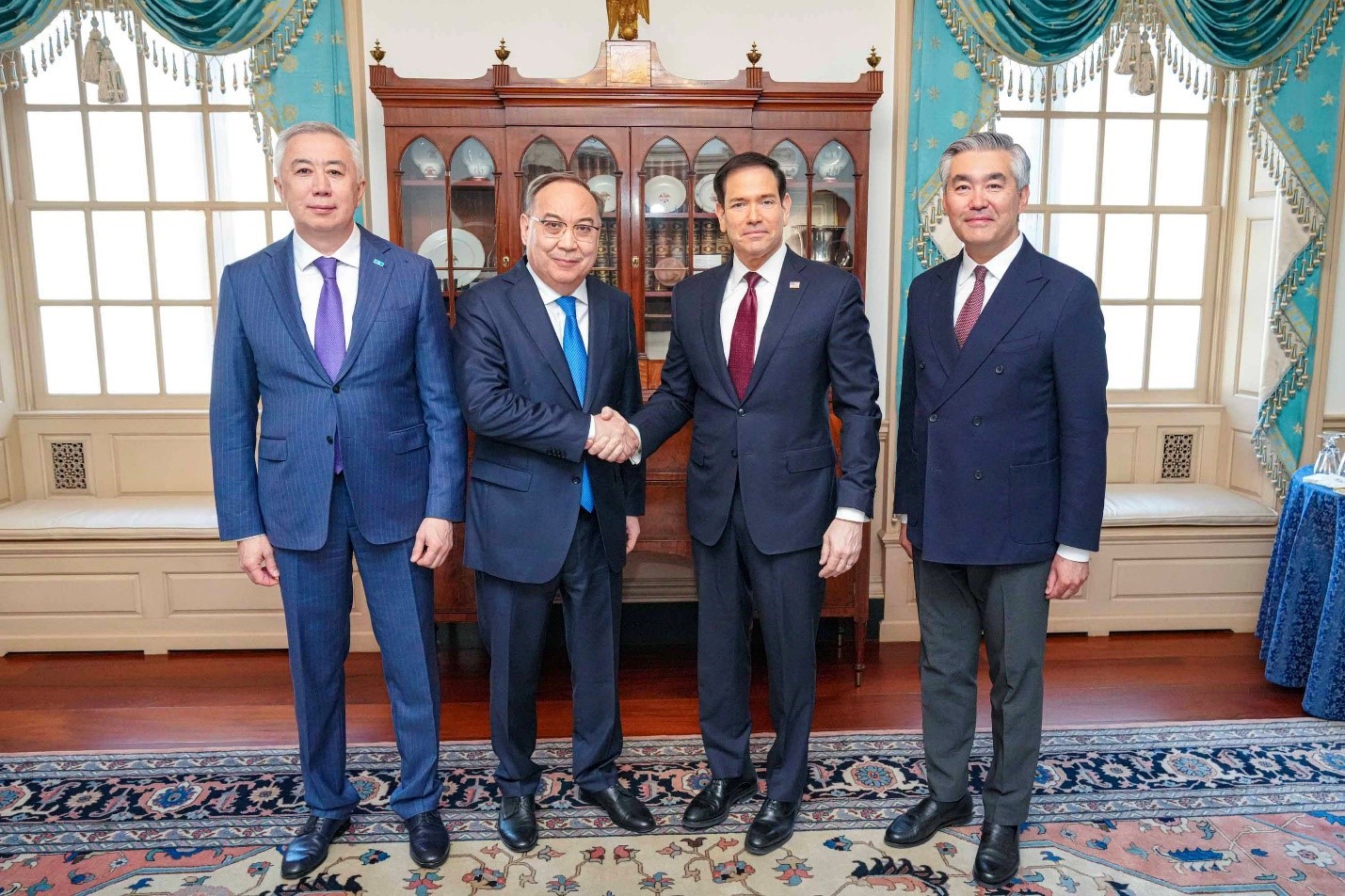
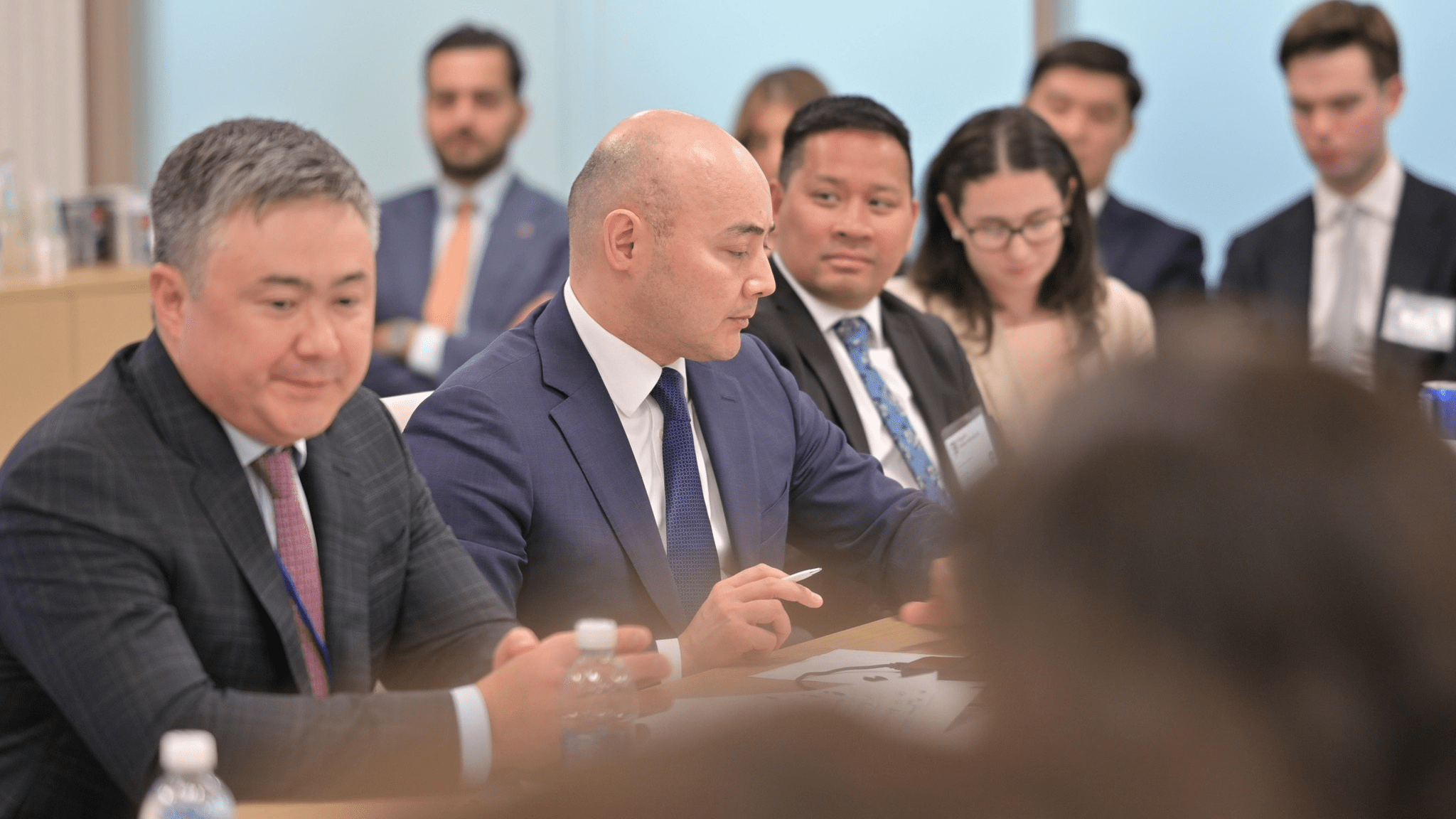
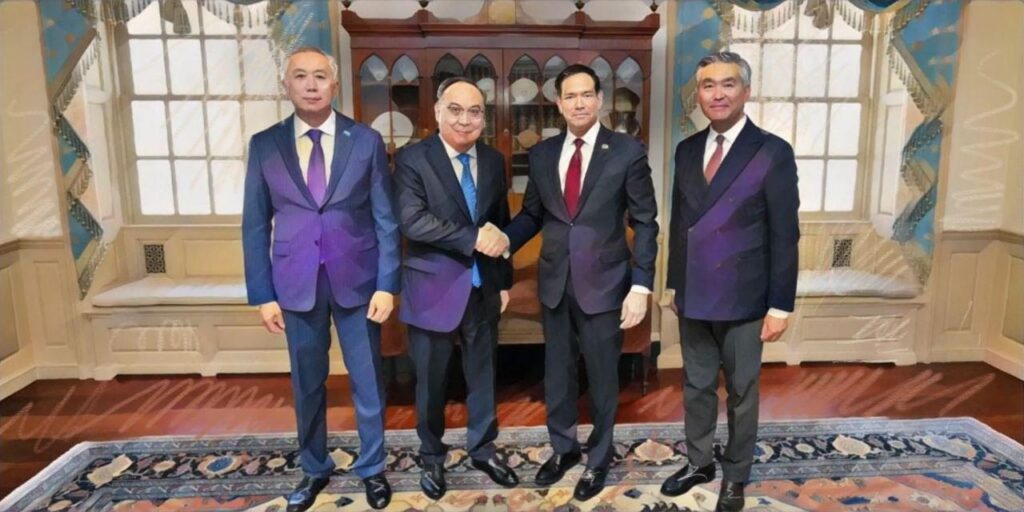
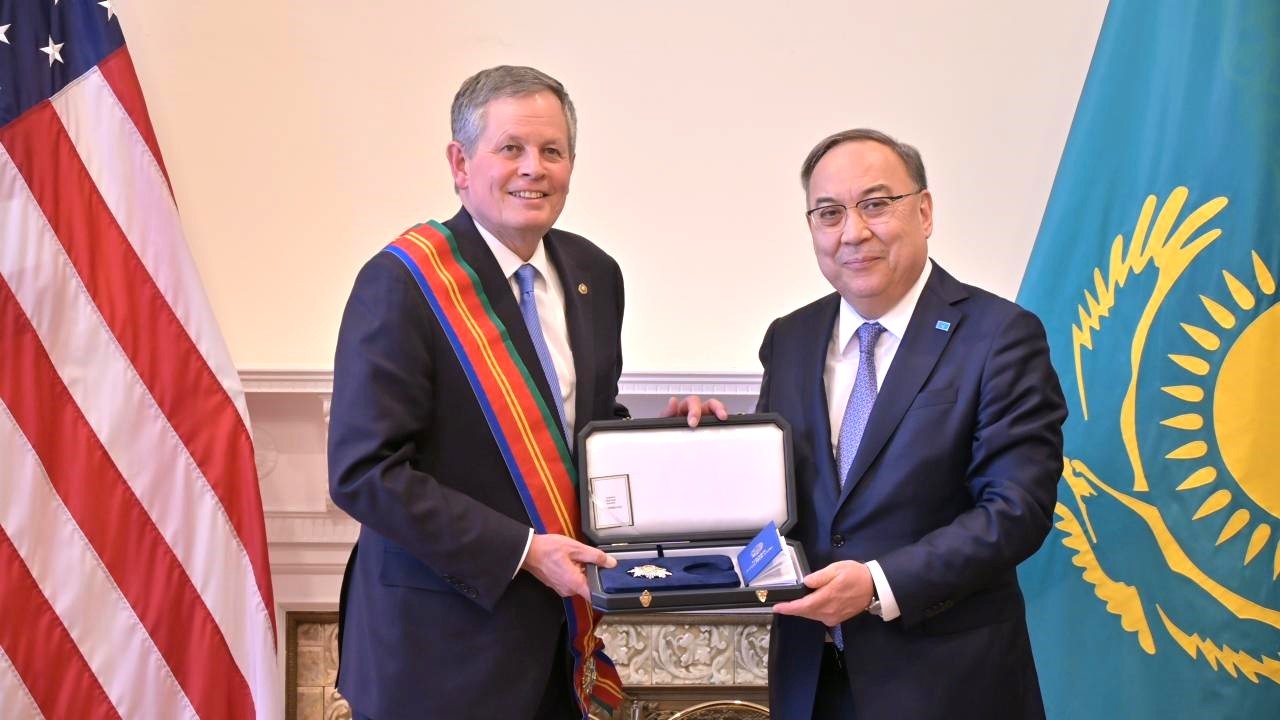
On the occasion of the annual IMF/World Bank meetings in Washington this week, the Prime Minister of Kyrgyzstan, Adylbek Kasymaliev, led a delegation to Washington D.C. for World Bank and IMF meetings, the Department of State Annual Bilateral Consultations, a meeting with Secretary of State Rubio, Deputy Secretary Landau and Under Secretary Hooker, as well as a number of other constructive dialogues and engagements with scholars, researchers, and authors.
This trip marks the second high-level U.S. visit in a year, signaling Washington’s strategic interest and Kyrgyzstan’s willingness to deepen cooperation.
Bakyt Sydykov, Kyrgyzstan’s Minister of Economy and Commerce, accompanied the Prime Minister. The delegation’s visit to Washington reinforces President Sadyr Japarov’s statement to President Donald Trump during the November 2025 C5+1 Summit, “I am confident that this event will provide an excellent opportunity for U.S. businesses to expand cooperation in sectors such as agriculture, e-commerce, information technology, transportation and logistics, tourism, and banking.”
Following Japarov’s lead, Sydykov is actively engaging private and multilateral partners; state and Commerce meetings are meant to keep things moving and steady investor confidence.
This shift towards deeper diplomatic, investment, and development ties is striking and certainly welcome in Washington. The shift reflects both an evolving Central Asian geopolitical landscape, post-Afghanistan dynamics, economic needs, diversification goals, and troubles in West Asia. Deeper engagement is also driven by ambitions to enhance regional transport and logistics integration. Kyrgyzstan’s approach departs from zero-sum logic, prioritizing win-win pragmatism and mutual gains.
Minister Sydykov
In an interview with The Times of Central Asia, Minister Sydykov said that this visit builds on the International Monetary Fund’s (IMF) recent official mission to Bishkek (March 18–April 1, 2026) and that “our banking sector is strong and well capitalized, as affirmed by the IMF, and we are well prepared against risk, enhancing oversight in the context of global volatility.”
Commenting on the government’s fiscal management following the IMF’s guidance, Sydykov said: “To expand fiscal flexibility, we are mobilizing revenue across a range of standard taxation measures and raising expenditure efficiency with responsible internal wage policies, rationalized energy subsidies, and public investment management. We are pinpointing more prudent debt management measures, enhancing risk oversight, and rolling out tracking metrics to uphold long-term sustainability and credibility.”
Looking forward, Sydykov noted that Kyrgyzstan is monitoring outlook risks related to external volatility, while also insisting that “we are working to hold down domestic inflation – always a challenge with rapid economic growth – and lower fiscal pressures. We assess that these endogenous variables remain manageable, even with increased exposure to cross-border trade and capital flows. While external volatility lies beyond our direct control, Kyrgyzstan is working with the IMF, other multilaterals, and domestic banks to maintain and build resilience. We are therefore strengthening buffers, recalibrating policies, and advancing accounting reforms to support performance and sustainable growth.”
Responding to the ADB’s latest forecasts, Sydykov said Kyrgyzstan’s economy is moving toward greater stability and growth. After an 11.1% surge in 2025, growth is expected to slow to 8.9% in 2026 and 8.4% in 2027, while inflation rises from 8.2% to 10.3% before easing to 8.5%, driven by tariff hikes and exchange rate volatility. Key drivers include new electricity and heating tariffs, along with exchange rate volatility.
Sydykov stressed that “Kyrgyzstan has made significant progress in the implementation of state investment projects and infrastructure development, with tangible results. In 2025, a total of 119 industrial projects were successfully commissioned. The total volume of investments attracted to these projects amounted to $715.7 million, which resulted in the creation of 8,471 new jobs across the country.”
Growth and Inflation
Asked about the interplay between growth and inflation, Sydykov stated: “We are assessing policy options to curb overheating risks in Kyrgyzstan while supporting economic development. Potential steps include monetary tightening, fiscal consolidation through lower deficits and controlled spending, and targeted macroprudential and FX measures if required – we have not yet decided. Ongoing consultations with the Jogorku Kenesh (parliament), the financial sector, and international partners aim to ensure future actions are well-calibrated and aligned with global standards.”
The Trump administration has taken a more transactional approach to foreign relations, prioritizing deals, reciprocity, and core national interests over values-driven diplomacy, an approach that aligns with Sydykov’s response: “Kyrgyzstan shows readiness for a more quid-pro-quo U.S. engagement, particularly when it brings concrete deliverables in mining, hydropower, logistics, and ICT. A deal-driven U.S. posture directly complements opportunities in critical minerals, infrastructure, public-private partnerships, and SME finance. For a long-term partnership that benefits both sides, we understand that priorities must include, for example, secured investment corridors, export facilitation, and energy modernization, along with expanding U.S. preferential commercial access and consolidating its regional position in Central Asia. Of course, the details are what matter most.”
Since President Trump took office, the U.S. Department of State has been actively engaged in the region. While other Central Asian countries have landed significant U.S. deals involving locomotives, aircraft, and mining, for example, Kyrgyzstan is hoping to draw in more U.S. and other foreign investors. Sydykov highlighted: “Driven by our growth momentum, we aim, especially through private-sector outreach, to attract more investors and grow trade under a framework similar to America First—by opening up infrastructure projects, logistics hubs, and agriculture to the capital markets and entrepreneurs—creating employment opportunities in both Kyrgyzstan and the U.S.”
Responding to questions regarding tourism, Sydykov lit up as if it were one of his favorite topics: “Kyrgyzstan, often called the ‘Switzerland of Central Asia,’ offers a unique combination of peaceful coexistence, mountain trekking, financial stability, and affordable access, attracting visitors and supporting regional integration and long-term growth. We are also expanding rail tourism – linked to the Middle Corridor – through partnerships, new routes, and improved services linking destinations like Issyk-Kul and events such as the World Nomad Games. Despite infrastructure constraints, we are capitalizing on rising demand for scenic and cross-border rail travel and invite your participation in these endeavors.”
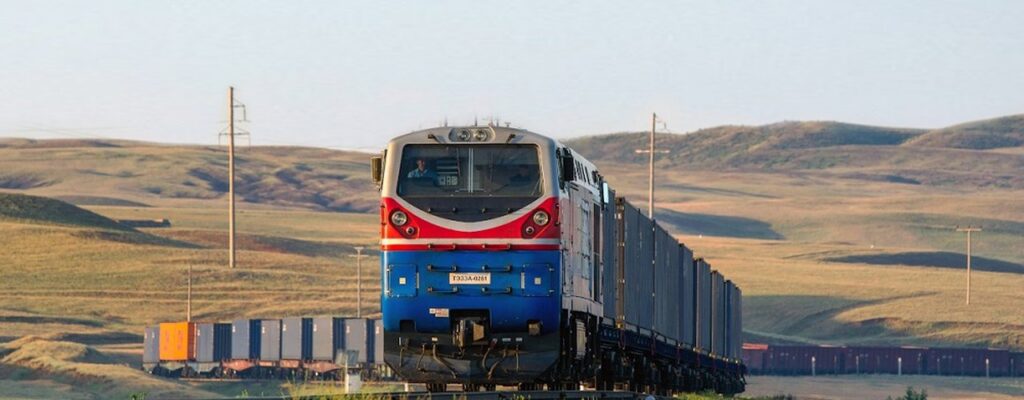
Regarding commercial rail initiatives, particularly the China–Kyrgyzstan–Uzbekistan line tied to the Middle and North–South corridors, the government has said that progress is on track. Sydykov concurred, stressing that advancing rail for economic integration is a top government priority: “We plan to expand the rail network by over 700 km and complete the China–Kyrgyzstan–Uzbekistan corridor and key domestic lines by 2030. This will require major capital mobilization despite engineering and financing hurdles. While Chinese financing is important, we are open to PPPs, sovereign-linked infrastructure financing, equity joint ventures, and international infrastructure funds. Complementary upstream and downstream developments will support long-term viability. Interested investors should contact my (Sydykov’s) office.”
When asked about the link between foreign and economic policy, Sydykov underscored that “Kyrgyzstan maintains balanced relations with major powers and neighbors, including Russia, China, and the United States, while prioritizing sovereignty, regional stability, and economic cooperation. Having said that, my focus is on strengthening the domestic economy to serve citizens, one family and one neighborhood at a time. The economy is my wheelhouse, and I am confident in our future.”