• KGS/USD = 0.01144 0%
  • KZT/USD = 0.00212 0%
  • TJS/USD = 0.10432 -0.29%
  • UZS/USD = 0.00008 0%
  • TMT/USD = 0.28490 0%
  • KGS/USD = 0.01144 0%
  • KZT/USD = 0.00212 0%
  • TJS/USD = 0.10432 -0.29%
  • UZS/USD = 0.00008 0%
  • TMT/USD = 0.28490 0%
  • KGS/USD = 0.01144 0%
  • KZT/USD = 0.00212 0%
  • TJS/USD = 0.10432 -0.29%
  • UZS/USD = 0.00008 0%
  • TMT/USD = 0.28490 0%
  • KGS/USD = 0.01144 0%
  • KZT/USD = 0.00212 0%
  • TJS/USD = 0.10432 -0.29%
  • UZS/USD = 0.00008 0%
  • TMT/USD = 0.28490 0%
  • KGS/USD = 0.01144 0%
  • KZT/USD = 0.00212 0%
  • TJS/USD = 0.10432 -0.29%
  • UZS/USD = 0.00008 0%
  • TMT/USD = 0.28490 0%
  • KGS/USD = 0.01144 0%
  • KZT/USD = 0.00212 0%
  • TJS/USD = 0.10432 -0.29%
  • UZS/USD = 0.00008 0%
  • TMT/USD = 0.28490 0%
  • KGS/USD = 0.01144 0%
  • KZT/USD = 0.00212 0%
  • TJS/USD = 0.10432 -0.29%
  • UZS/USD = 0.00008 0%
  • TMT/USD = 0.28490 0%
  • KGS/USD = 0.01144 0%
  • KZT/USD = 0.00212 0%
  • TJS/USD = 0.10432 -0.29%
  • UZS/USD = 0.00008 0%
  • TMT/USD = 0.28490 0%

Plans Underway to Launch Humanoid Robot Production in Astana

Plans are underway to launch humanoid robot production in Astana at the Astana Hub International Technology Park, Minister of Digital Development and Artificial Intelligence Zhaslan Madiev announced at a government meeting.

According to Madiev, Astana Hub remains a key institution for fostering innovative entrepreneurship in Kazakhstan. The technology park runs acceleration programs, including AI’preneurs, aimed at launching startups in the field of artificial intelligence. Since September 2024, 35 AI startups have been established through the program’s three cohorts.

In collaboration with the city authorities, the Astana Innovations Accelerator program is also being implemented. It focuses on integrating startups into urban infrastructure and helping them secure commercial contracts. Following a competitive selection process, eight projects have received funding.

The minister also reported that an “Exponential Cluster” is being developed at the technology park, an innovation platform designed to bring together science, startups, and industry. As part of this initiative, a network of technology centers is being created, covering areas such as robotics, unmanned systems, cybersecurity, medicine, and industrial applications.

A humanoid robotics laboratory has already been launched at the Robotics Center. Projects include the development of teleoperation systems for robot control and the integration of robots with the AlemLLM language model for user interaction.

Special attention is being given to unmanned technologies. According to Madiev, Kazakhstan plans to launch a pilot project for autonomous vehicles involving international companies in the second quarter of 2026. A separate private initiative to deploy delivery drones is also underway.

At the Drone Center, construction of a “phygital” arena, combining physical and digital environments, and infrastructure for training unmanned aerial vehicle operators is nearing completion. All Astana Hub technology centers are expected to be operational by the end of the year.

The ministry expects the cluster to support the launch of up to 500 startups annually, including more than 100 hardware projects, and to position Astana as a regional innovation hub.

According to official data, by 2025 Astana Hub residents had created more than 32,500 jobs. A total of 537 companies export IT services to 111 countries, with export volumes reaching $681 million, an increase of 44% compared to the previous year.

The Times of Central Asia previously reported that the Chinese company AgiBot plans to launch the production and deployment of industrial robots in Kazakhstan.

Kazakhstan Is Rethinking Its Healthcare System, Focusing on Prevention

Kazakhstan’s Ministry of Health has outlined updated investment and development plans for 2023-2027, signaling a shift in the country’s healthcare approach from treating diseases to preventing them, strengthening biosafety, and expanding mental health support.

However, some experts warn that the new strategy could have unintended economic consequences, including the reallocation of budget funds toward information campaigns, digital initiatives, and infrastructure projects whose effectiveness may be difficult to assess.

One of the key areas of reform is the prevention of noncommunicable diseases. Authorities are considering restrictions on advertising products high in salt, sugar, and trans fats, amid rising childhood obesity rates. According to the Food and Agriculture Organization of the United Nations, 21% of children in Kazakhstan aged 6-9 are overweight.

Such restrictions could affect the media market. Research by the Institute for Fiscal Studies indicates that bans on advertising unhealthy food can reduce media revenues. In Kazakhstan, this could increase pressure on an industry already subject to limits on advertising alcohol, tobacco, and certain medications.

At the same time, the ministry plans to expand public awareness campaigns, including video content and national initiatives such as “Salamatty shanyraq” (“Healthy Family”). Public health research suggests that the effectiveness of such campaigns can be difficult to measure, and their impact on behavior may be limited.

Another priority is the creation of a “biological shield” system, including genomic and metagenomic surveillance, as well as the development of domestic pharmaceutical manufacturing. These initiatives are expected to attract up to $380 million in private investment.

However, concerns remain about implementation capacity. Previous reports have highlighted inefficient use of medical equipment. In 2024, Health Minister Akmaral Alnazarova stated that expensive equipment in some medical facilities remained unused. In certain regions, shortages of trained specialists and necessary consumables have prevented effective deployment.

The third component of the strategy focuses on mental health. Authorities plan to expand the network of specialized centers and introduce the uSupport digital platform to provide online consultations.

At the same time, public trust in the state system remains limited. According to official data, individuals with addictions often avoid seeking treatment due to fears of being registered, which could restrict access to employment, education, and driver’s licenses.

Experts also highlight the scale of gambling addiction. Estimates suggest that around 350,000 people in Kazakhstan suffer from compulsive gambling, while the growing availability of online casinos and microfinance services continues to contribute to rising household debt.

The shift toward a preventive healthcare model aligns with global trends. However, analysts warn that without effective implementation, the reform could result in increased administrative pressure on businesses, inefficient public spending, and limited improvements in health outcomes.

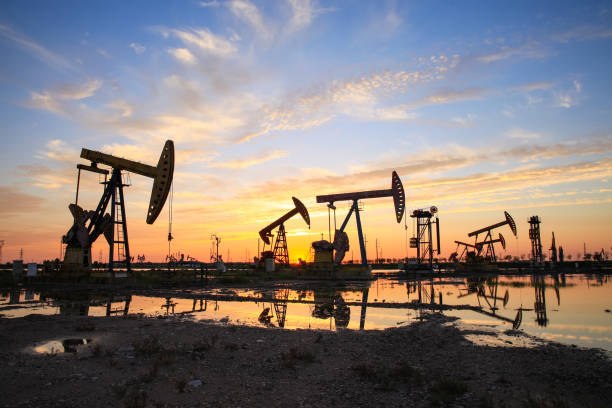
Georgia May Replace Russian Oil with Imports from Turkmenistan and Kazakhstan

Georgia’s only oil refinery, owned by Black Sea Petroleum (BSP), plans to completely stop importing Russian oil and instead switch to crude supplies from Turkmenistan and, potentially, Kazakhstan. This was announced by the company’s CEO, David Potskhveria.

According to Potskhveria, the shift would not only diversify supply sources but also open access to European markets.

“We will completely replace Russian oil with Turkmen oil, and then with Kazakhstani oil. This will give us the opportunity to export products to the EU,” he said.

The rationale is straightforward: imports of Russian petroleum products into the European Union are currently prohibited. Maintaining previous supply arrangements would effectively block access to European markets.

However, switching suppliers presents logistical challenges. As Potskhveria noted, processing of Turkmen crude can begin only after transit issues through Azerbaijan are resolved. For now, logistics remain the main bottleneck. While the refinery is technically ready, implementation depends on securing reliable transport routes.

The proposed move away from Russian oil follows earlier developments. In late February, the EU considered including the Kulevi port on a preliminary sanctions list due to its import and processing of Russian crude. The trigger was a shipment delivered in October 2025 by Russneft, involving approximately 105,000 tons of oil to the port of Kulevi.

The shipment prompted criticism from the Georgian opposition, which accused the authorities of undermining the sanctions regime and appealed to European institutions.

The Kulevi refinery is a relatively new entrant to the regional oil market. It began operations in December last year and has already outlined expansion plans. Its current processing capacity is around 1.2 million tons per year, with plans to increase this to 4.5 million tons.

At present, the facility produces fuel oil, diesel, and other petroleum products. Future plans include expanding output to Euro-5 standard gasoline, jet fuel, and Eurodiesel. BSP’s international partners reportedly include Trafigura and Saudi Aramco.

Afghanistan Advances Qosh Tepa Canal While Urging Regional Water Cooperation

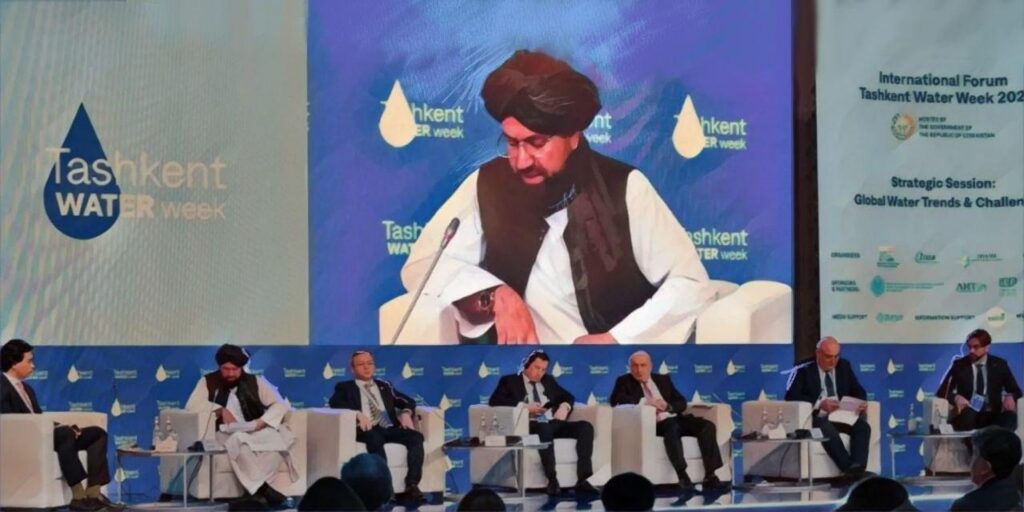
Uzbekistan just hosted the Tashkent Water Week forum, and the speaker many wanted to hear from was the representative from Afghanistan. Central Asia and Afghanistan are being hit hard by climate change. This region has endured several droughts already this decade, and indications are that this year will bring drought again.

Hanging over the forum was Afghanistan’s plan to complete the Qosh-Tepa Canal in 2028, which will draw water from a river that Central Asian countries also use and further complicate the regional water situation.
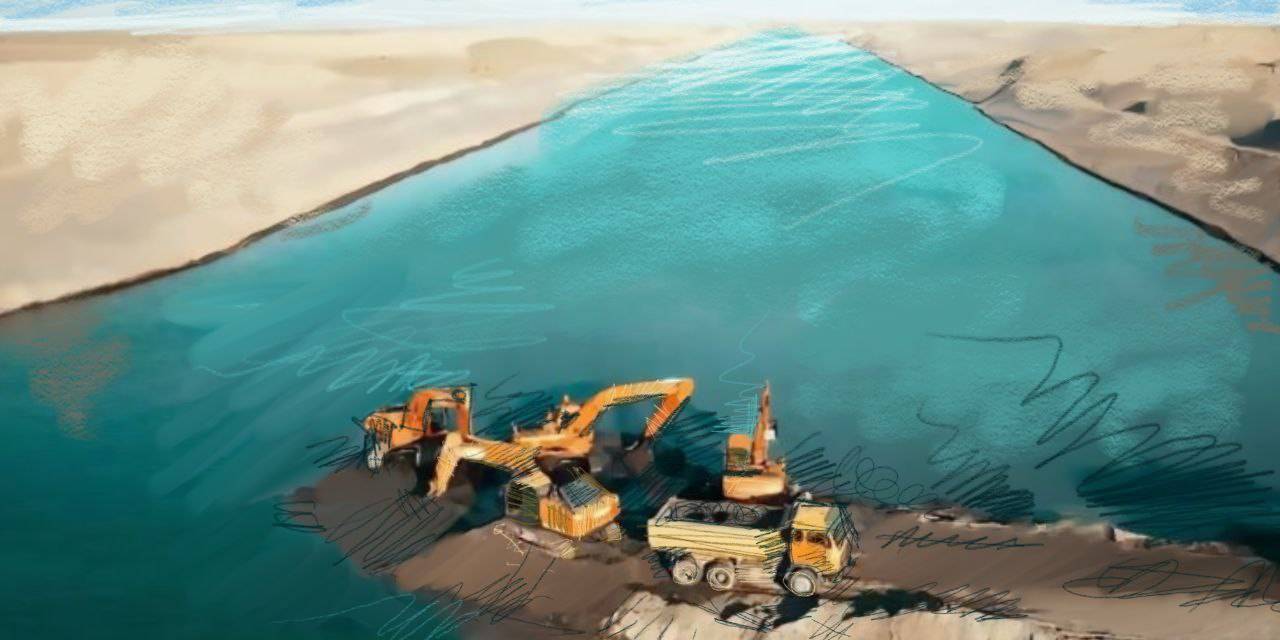
Qosh Tepa Canal, artist’s rendition; image: TCA, Aleksandr Potolitsyn

Our Fair Share

The forum, which actually spanned only two days, March 25-26, brought together some 80 speakers and more than 1,200 delegates from 19 countries.

In the past five years, Central Asia has seen noticeably diminished precipitation, melting glaciers, and record high temperatures, making water conservation a priority. The last days of March saw temperatures soar into the 30s Celsius in southern Kazakhstan. In both Kazakhstan and Kyrgyzstan, there were record-high temperatures in February. Rainfall for the last three months of 2025 was also far below normal across Central Asia.

When the Taliban government announced in early 2022 that it would build the 285-kilometer-long, 100-meter-wide, 8.5-meter-deep Qosh Tepa to irrigate lands in northern Afghanistan, it added another water concern to Central Asia, particularly the governments in Turkmenistan and Uzbekistan.

Afghanistan’s Deputy Minister of Water and Energy, Mujeeb-ur-Rahman Omar, led the Afghan delegation at the Tashkent Water Week. At the forum, he repeated his government’s position that historically, Afghanistan has taken only very small volumes of water from the Amu-Darya River basin, while its northern neighbors have been using large amounts for irrigation for decades.

“We believe in the fair and sustainable development of the region,” Omar said, adding, “We intend to develop (water resources) on a legal basis, in accordance with the legal rights of the countries in the region.“

Omar is correct that under international law, Afghanistan has an equal right to water from the Amu-Darya, one of Central Asia’s two great rivers. The river currently marks the border between Afghanistan to the south, and Tajikistan, Uzbekistan, and a small section of Turkmenistan to the north.

There is no separate regional water use agreement between the Central Asian states and Afghanistan. Since none of the Central Asian governments officially recognize the Taliban as the legitimate Afghan government, Russia is the only country that does at the moment, there is no possibility of a legal treaty on water use being signed.

So, shortly after the construction of the canal is finished in 2028, some 20% of the water in the Amu-Darya, starting from the point just west of the Tajik-Uzbek border, will be diverted into the Qosh Tepa canal.

It is already clear that this will mean the end of some downstream communities in Uzbekistan and Turkmenistan that are on the edge of the Kara-Kum Desert and which are already under strain from insufficient water supplies.

Turkmenistan did not send a delegation to the Tashkent Water Week forum.

Uzbekistan’s Minister of Water Resources, Shavkat Khamrayev, summed up the situation in March 2025, conceding Afghanistan’s right to its share of water, and there was no other choice.

“Should we take up arms and go to war?’ Khamrayev asked.
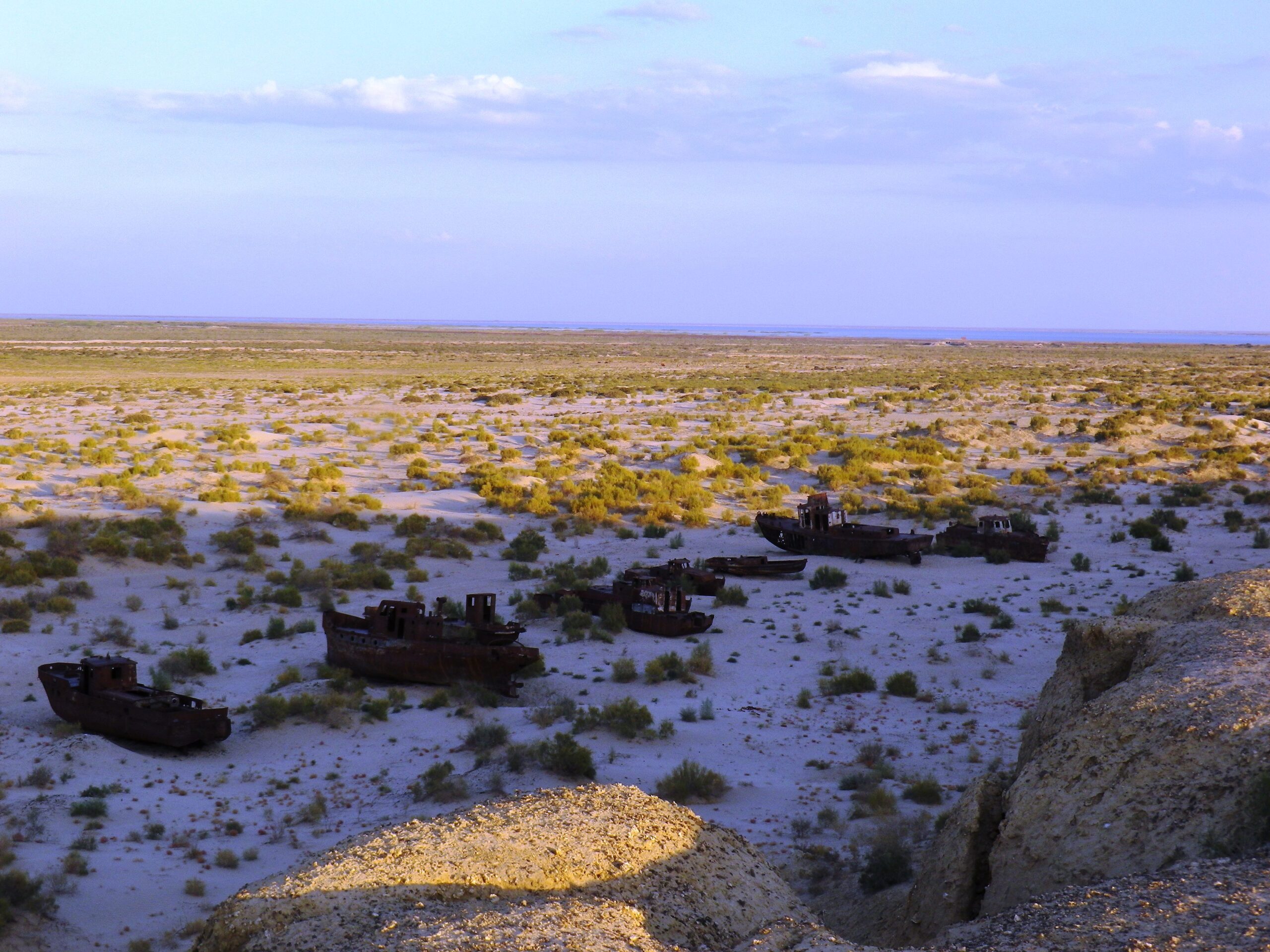
Abandoned boats on the former Aral seabed reflect the legacy of water diversion in Central Asia.; image: TCA, Stephen M. Bland

The Taliban Wants Help

At the Tashkent forum, Omar said Afghanistan would always consider the rights and needs of its northern neighbors for water. He stressed cooperation with Central Asia, especially in sharing water-saving technologies that the Central Asian countries have been developing in recent years.

Omar specifically appealed to the Central Asian states, “in the spirit of regional cooperation,” to help with projects to solidify the banks of the Amu-Darya on the Afghan side of the river. Omar said soil erosion was washing away sections of the river’s bank, leading to the loss of water.

Uzbekistan’s government has offered several times to help with the construction of the Qosh Tepa Canal. The Taliban are building the project on their own, and there have been concerns about safety and the quality of the workmanship.

Omar did not address this issue, but made it clear that the project will be finished. So far, more than 200 kilometers of the canal have been excavated.

Omar also spoke about regional efforts to combat climate change. In his opinion, “developed countries that have essentially caused climate change” should “help the countries that have become victims of climate change in conducting scientific research, monitoring, and assessing our needs.”

There was no mention in reports if that view was shared by others at the forum.
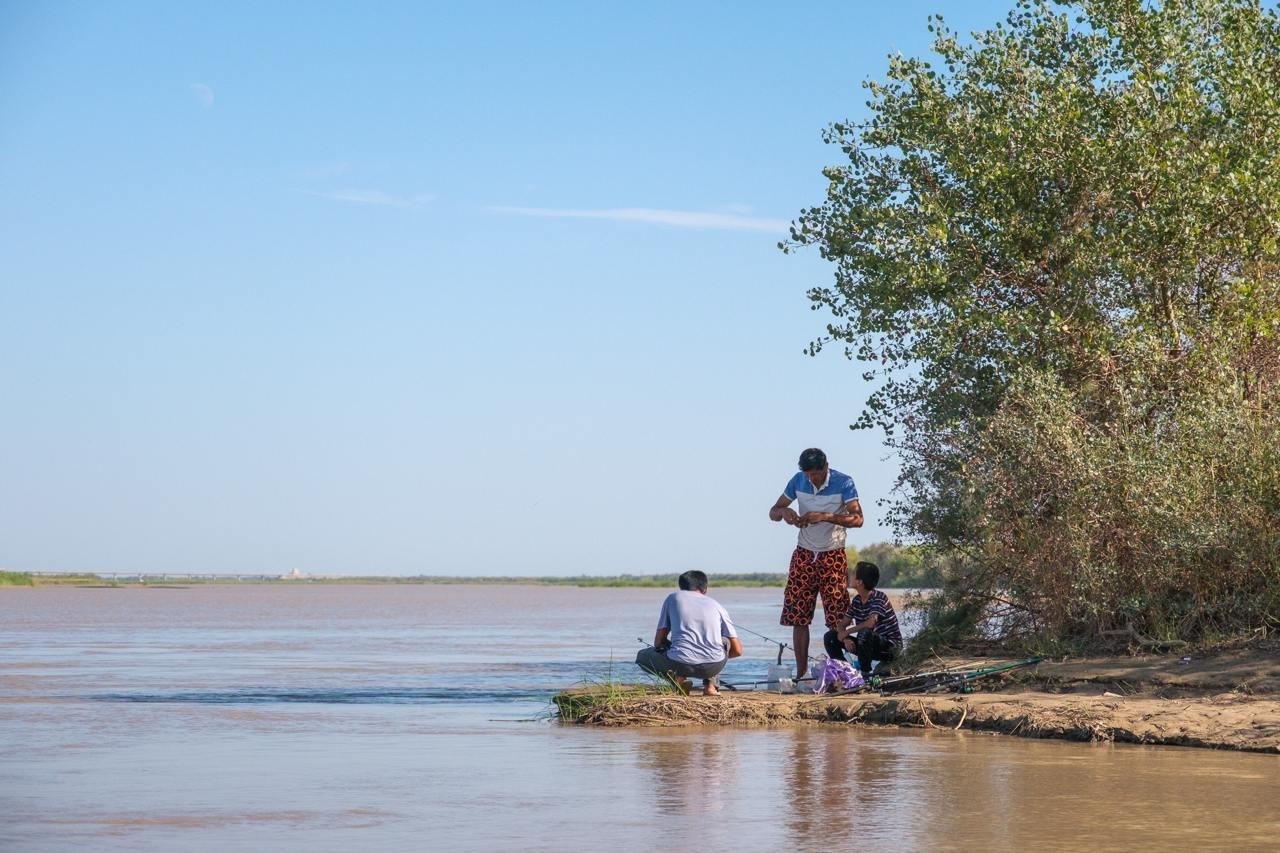
Uzbek fishermen on the Amu Darya; image: Project Amu Darya

Making the Best of It

On the sidelines of the forum, Omar met with Uzbek Water Resources chief Khamrayev to discuss water management.

The Afghan delegation’s presence at the forum was a good sign that the Taliban want to cooperate with Central Asia on the issue of water use. But with the memories of droughts in 2021, 2022, and 2023 still fresh in the minds of officials on both sides of the Afghan-Central Asian border, and with another drought likely this year, water use could quickly become a contentious issue once again before the Afghan canal is even completed.

Kyrgyzstan Elected First Vice-Chair of UN Mountain Partnership

Kyrgyzstan has been elected First Vice-Chair of the Steering Committee of the Mountain Partnership for the 2026-2030 period, reflecting its continued engagement in advancing the global mountain agenda.

Founded in 2002, the Mountain Partnership is a United Nations alliance of governments and organizations aimed at improving the livelihoods of mountain communities and protecting mountain ecosystems. The initiative was established by the governments of Italy and Switzerland, the United Nations Environment Programme (UNEP), and the Food and Agriculture Organization, which hosts the partnership’s secretariat.

The new Steering Committee was elected during the 7th Global Meeting of the Mountain Partnership, held from March 26 to 28 in Andorra under the theme “Mountains for the Future: Responsible Tourism, Thriving Communities.” The meeting brought together representatives from Germany, Armenia, Azerbaijan, Italy, Mongolia, Montenegro, Nepal, and Kyrgyzstan, as well as officials from international organizations including FAO, UN Tourism, UNESCO, the OSCE, UNEP, the United Nations Development Programme, and the United Nations Framework Convention on Climate Change.

Italy, the partnership’s main donor, retained its position as Chair.

Kyrgyzstan was represented by Dinara Kemelova, the president’s special representative for the mountain agenda, who called for stronger coordination among mountain countries to advance shared priorities on global platforms.

Kemelova also announced that the second “Bishkek+25” Global Mountain Summit will be held in Kyrgyzstan from October 21 to 23, 2027.

She highlighted the country’s implementation of the Five Years of Action for the Development of Mountain Regions (2023-2027), with a focus on ecotourism and organic production. An exhibition of Kyrgyz mountain products was also organized on the sidelines of the meeting.

The meeting concluded with the adoption of the Andorra Declaration, a strategic document aimed at strengthening international commitment to sustainable mountain development.

The declaration recognizes the role of mountains in combating climate change, preserving biodiversity, and ensuring food security, while also highlighting their vulnerability to global environmental impacts. Mountains cover around one quarter of the Earth’s land surface and are home to approximately 1.2 billion people, while also encompassing 25 of the world’s 36 biodiversity hotspots.

The document outlines several priority areas, including promoting sustainable tourism as a key economic driver for mountain regions, increasing climate and environmental financing, strengthening research and scientific cooperation, and supporting local communities, including women, youth, and indigenous groups.

It also emphasizes the need to improve connectivity in mountain areas, reduce the digital divide, and enhance resilience to natural hazards through early warning systems and adapted infrastructure.

Central Asia Avoids Fuel Shock as Global Pressures Build

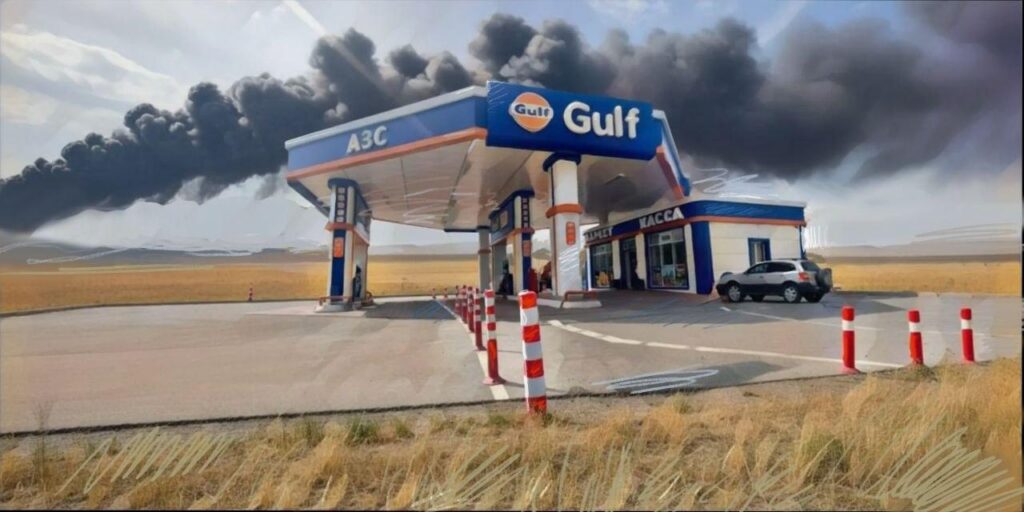
Central Asia has so far avoided the immediate fuel shocks spreading across much of the world following the U.S. and Israel’s war with Iran. There are no lines at gas stations, no visible shortages, and no signs of panic buying. But that stability sits within a rapidly tightening global market, where disruptions in Asia and policy responses in Europe are reshaping fuel flows in ways the region will struggle to avoid.

Across Southeast Asia, governments are already taking precautionary steps. Some state agencies and private firms are shifting parts of their workforce to remote work to reduce fuel consumption and prepare for potential price spikes and logistics disruptions, while Thailand is preparing contingency measures, including possible fuel rationing.

China, one of Asia’s largest suppliers of refined fuels, has moved to restrict exports of gasoline, diesel, and jet fuel in an effort to prevent domestic shortages linked to the war. The move is expected to tighten supplies across Asia, especially for countries that rely on Chinese fuel imports. China supplied about one-third of Australia’s jet fuel last year, highlighting the wider regional impact, and roughly half of the Philippines’ and Bangladesh’s in 2024. Vietnam has already warned airlines to prepare for flight reductions in April due to the risk of shortages caused by these export restrictions. Indonesia is also imposing limits on fuel sales. 

Fuel-related pressures have begun to emerge in Europe as well. Poland has introduced tax measures aimed at reducing fuel prices, with the government saying this will lower prices for consumers. Slovenia, meanwhile, has introduced significant restrictions on fuel consumption. Under new rules, private motorists are limited to purchasing a maximum of 50 liters per day, while businesses and farmers may purchase up to 200 liters daily.

The combined effect of war-driven energy shocks and renewed tariff barriers is raising global costs and adding pressure across trade, transport, and inflation.

Against this backdrop, Central Asia’s apparent stability is misleading. It is highly unlikely that import-dependent states such as Kyrgyzstan and Uzbekistan will be as well protected as Kazakhstan, which may benefit in the short term from higher crude prices.

Starting April 1, Russia is banning gasoline exports in an effort to stabilize its own domestic market. Russia is a key fuel supplier to Central Asia. However, according to assurances from the Ministry of Energy of the Russian Federation, the temporary export ban will not affect supplies to Uzbekistan. Deliveries under intergovernmental agreements are expected to continue, ensuring that at least part of the region’s supply remains uninterrupted.

In Kyrgyzstan, despite recent developments, fuel prices and supplies remain relatively stable. The government is considering lowering taxes or temporarily waiving excise duties for fuel importers should the crisis continue.

Information from Turkmenistan is difficult to verify independently. Despite reports of fuel shortages at gas stations last year, official media are now indicating a significant increase in domestic gasoline production. The production plan for January-February 2026 was reportedly fulfilled at 122.7%, according to Deputy Chairman of the Cabinet of Ministers Guvancha Agajanov, speaking at a recent government meeting.

Kazakhstan occupies a special position due to its substantial reserves of key mineral resources. Currently, there appear to be no major supply issues, even amid emerging global pressures. However, underlying challenges are becoming more apparent.

As of March 23, 2026, data from GlobalPetrolPrices places Kazakhstan among the countries with some of the lowest gasoline prices. This group includes Libya, Iran, Venezuela, Angola, Kuwait, Algeria, Turkmenistan, Egypt, Qatar, Saudi Arabia, Bahrain, and Oman. In these countries, fuel prices, ranging from $0.34 to $0.70 per liter, are shaped either by abundant natural resources or strong state intervention. Kazakhstan follows a similar model, combining domestic resource availability with government regulation. The country maintains a moratorium on price increases for the most in-demand fuel grades.

However, according to Kazakhstani expert Olzhas Baideldinov, wholesale prices for petroleum products have risen by 17%. Rail transport costs have increased significantly (+72%), along with other expenses. As a result, gas stations are reportedly operating at a loss when selling gasoline and diesel. This suggests that Kazakhstan’s domestic fuel market requires substantial adjustment.

For comparison, gasoline prices (per liter), according to GlobalPetrolPrices, currently stand at: U.S. – $1.133; Azerbaijan – $0.676; Kazakhstan – $0.507; Kyrgyzstan – $0.917; Turkmenistan – $0.428; and Uzbekistan – $1.077. Tajikistan stands apart, with gasoline prices above $1.10 per liter, the highest in Central Asia, reflecting its heavy dependence on imported fuel.

These figures reflect a mix of domestic resources and state controls that continue to shield local markets from global price pressures.

The region’s exposure is not immediate, but it is structural.

Central Asia’s energy security is not just about supply, but also about routes. The region remains heavily dependent on external refining systems and transport corridors that are now under pressure, whether through Russia, the Caspian, or southern routes linked to the Persian Gulf. Disruptions far beyond the region are therefore quickly transmitted into local markets.

For now, Central Asia looks insulated. But in a tightening system, insulation is often temporary.