• KGS/USD = 0.01144 0%
  • KZT/USD = 0.00210 0%
  • TJS/USD = 0.10528 0.19%
  • UZS/USD = 0.00008 0%
  • TMT/USD = 0.28571 0.28%
  • KGS/USD = 0.01144 0%
  • KZT/USD = 0.00210 0%
  • TJS/USD = 0.10528 0.19%
  • UZS/USD = 0.00008 0%
  • TMT/USD = 0.28571 0.28%
  • KGS/USD = 0.01144 0%
  • KZT/USD = 0.00210 0%
  • TJS/USD = 0.10528 0.19%
  • UZS/USD = 0.00008 0%
  • TMT/USD = 0.28571 0.28%
  • KGS/USD = 0.01144 0%
  • KZT/USD = 0.00210 0%
  • TJS/USD = 0.10528 0.19%
  • UZS/USD = 0.00008 0%
  • TMT/USD = 0.28571 0.28%
  • KGS/USD = 0.01144 0%
  • KZT/USD = 0.00210 0%
  • TJS/USD = 0.10528 0.19%
  • UZS/USD = 0.00008 0%
  • TMT/USD = 0.28571 0.28%
  • KGS/USD = 0.01144 0%
  • KZT/USD = 0.00210 0%
  • TJS/USD = 0.10528 0.19%
  • UZS/USD = 0.00008 0%
  • TMT/USD = 0.28571 0.28%
  • KGS/USD = 0.01144 0%
  • KZT/USD = 0.00210 0%
  • TJS/USD = 0.10528 0.19%
  • UZS/USD = 0.00008 0%
  • TMT/USD = 0.28571 0.28%
  • KGS/USD = 0.01144 0%
  • KZT/USD = 0.00210 0%
  • TJS/USD = 0.10528 0.19%
  • UZS/USD = 0.00008 0%
  • TMT/USD = 0.28571 0.28%

Israeli Companies Ready to Invest in Construction of Reservoirs in Kazakhstan

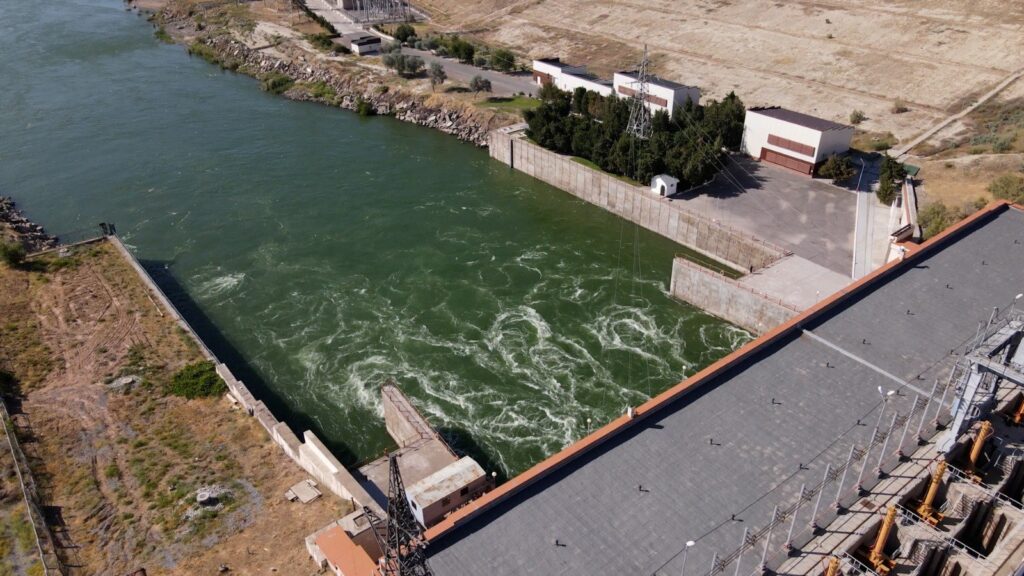
Israeli companies have expressed interest in participating in the construction and reconstruction of reservoirs in Kazakhstan as well as their readiness to provide the country with modern flood forecasting and protection systems.

The announcement was made during a meeting on August 8 between Kazakhstan’s Minister of Water Resources and Irrigation Nurzhan Nurzhigitov, and a consortium of leading Israeli companies in the field of water resources management, headed by Managing Partner of Value LBH and Chairman of the Board of the investment company Dan Capital, Shimon Ben-Hamo.

Discussions  focused on potential cooperation in various areas of the water industry, from the construction and reconstruction of water facilities to joint personnel training, as well as the introduction of  water-saving technologies, water purification and reuse, drinking water quality control, and automation of water distribution and metering.

Reporting on the meeting, Minister Nurzhigitov commented: “Israeli companies have extensive experience and modern technologies for high-quality water management. Some companies have been successfully operating in Kazakhstan for a long time. We intend to achieve the most efficient water use in all sectors, so we count on mutually beneficial cooperation.”

The Kazakh Ministry of Water Resources and Irrigation plans to build 20 new reservoirs with a 2.5 billion cubic meters capacity by 2030.

Once completed, the project will reduce the country’s dependence on water flowing from upstream Kyrgyzstan and China by 25%, help combat drought in southern Kazakhstan, and reduce the threat of flooding in 70 rural settlements with a total population of nearly 140 thousand people. In addition, irrigation will be provided for a further 250 thousand hectares of farmland.

Plans are also in place to reconstruct 15 existing reservoirs with a total capacity of 1.9 billion cubic meters.

Sixth Consultative Meeting of Heads of Central Asian States Takes Place in Astana

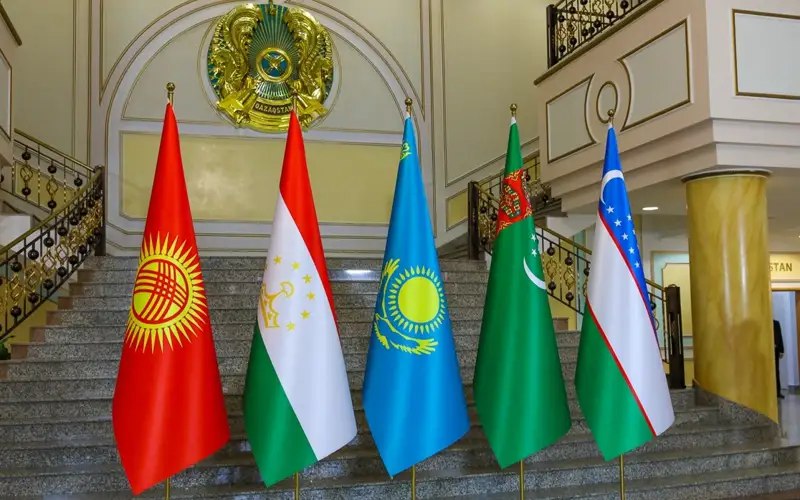
On August 9, 2024, Astana will host the Sixth Consultative Meeting of Heads of State of Central Asia, bringing together the leaders of Kazakhstan, Kyrgyzstan, Tajikistan, Turkmenistan, and Uzbekistan. This event has become an important platform for discussing critical issues of regional cooperation, strengthening economic ties, and addressing everyday challenges. This year’s guests of honor were the President of Azerbaijan, Ilham Aliyev, and the head of the UN Regional Center for Preventive Diplomacy for Central Asian countries, Kakha Imnadze.

The main topics of this year’s meeting will be economic cooperation, regional security and cooperation, water resources, and energy. Special attention will be paid to water resources management, which is critical to the region’s sustainable development. The leaders will also discuss strengthening trade and economic ties, which has become especially important given the growing indicators of mutual trade, which have grown 2.5 times over the past ten years, reaching almost $11 billion.

Another important topic will be ensuring regional stability, including fighting terrorism and extremism, and developing joint measures to strengthen border security. The summit is also expected to adopt the “Strategy for the Development of Regional Cooperation in Central Asia-2024”, which aims to expand the five-party interaction and strengthen the international role of the region.

These consultative meetings of Central Asian leaders, which began in 2018, have become an important tradition and serve as a constructive platform to discuss and address common challenges. The 2024 meeting emphasizes Central Asia’s growing importance in the international arena and the readiness of the region’s countries to address current challenges and seize opportunities for joint development jointly.

On August 9, 2024, a meeting of Central Asian foreign ministers was also held in Astana. Kazakh Foreign Minister, Murat Nurtleu opening the meeting, emphasizing that the event demonstrates the strong commitment of Central Asian countries to strengthening cooperation in all spheres, and that the region’s governments have all made significant progress in economic and political interaction in recent years. The total GDP of the Central Asian countries now stands at about $450 billion, and mutual trade has grown by 80% over the past five years, reaching $11 billion.

The meeting focused on strengthening regional cooperation in the key areas of energy, transportation, logistics, industry. Kazakhstan proposed developing a long-term comprehensive mechanism of collaboration in the area of water resources and hydropower that would consider the interests of all countries in the region.

On the same day, the summit, Central Asia + Japan was to be attended by Japanese Prime Minister Fumio Kishida; however, Kishida cancelled his visit to Kazakhstan due to a powerful earthquake which struck off the coast of Japan.

Uzbek Coach Honored for Supporting Kyrgyz Olympic Boxer

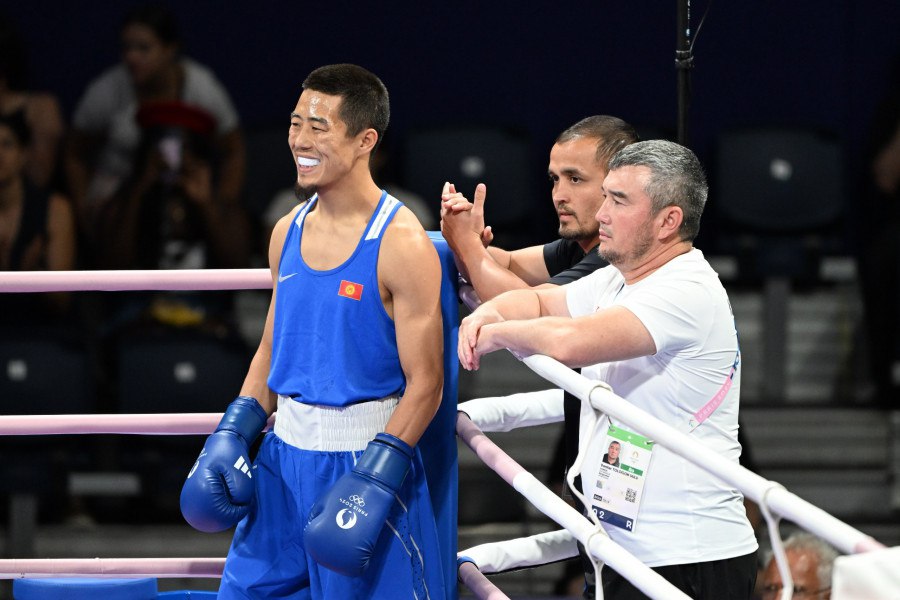
Uzbek coach Akmal Hasanov has been honored for helping Kyrgyz boxer Munarbek Seyitbek-uulu make it to the semi-finals in the Paris Olympics.

According to the Kyrgyz Ministry of Culture, Munarbek’s personal trainer, Beganas Sultanbaev was unable to attend the event due to the expiry of his international accreditation and because the head coach of the Kyrgyz national boxing team was likewise absent,  the Uzbek specialist agreed to act as a second for a boxer from another country.

Munarbek Seyitbek-uulu regularly trained at Uzbekistan’s training camps and hence, was well acquainted with both fellow athletes and the Uzbek coach who in a statement,  emphasized , “Munarbek trained with us and because he came to the Olympics alone, asked me to help. Since our countries have friendly relations, we were happy to help him. He made history and became the first Olympic boxing medalist in the history of Kyrgyzstan.”

In lieu of the magnanimous role played by the coach, honored cultural worker of Kyrgyzstan Assol Moldokmatova, together with the son of renowned Kyrgyz writer Chingiz Aitmatov, decided to award Akmal Khasanov with a medal “for humanism, tolerance, humanity and high level of people’s diplomacy.”

“Today, I called Uzbek coach Akmal Hasanov in Paris to express my gratitude and to rejoice in the news that he has been honored with the medal of the great writer Chingiz Aitmatov,” posted Moldokmatova on social media. ” I thank Akmal for his humanity and brotherly attitude. We appreciate, respect, and admire you! You are worthy of all praise and awards!”

Kyrgyzstan Strengthens Protection From Family, Sexual, and Gender Violence

The President of the Kyrgyz Republic, Sadyr Japarov has signed a law aimed at strengthening the protection of its citizens from family, sexual, and gender violence. The law provides for amendments to several legislative acts and aims to provide comprehensive assistance to victims of various forms of violence. A key objective is to ensure victims’ access to justice and protect their rights and interests.

The law is being adopted due to the alarming situation with the level of family and gender violence in Kyrgyzstan. In 2021, more than 10,000 cases were registered, but only 2.5% of them proceeded to court. In 2023, the number of cases increased to 11,000, and 95% of the victims were women.

The increasing number of such incidents and the lack of protection for victims necessitated a review of the relevant legislation. The new law is designed to address gaps in legal protection for victims and create stricter measures to punish perpetrators.

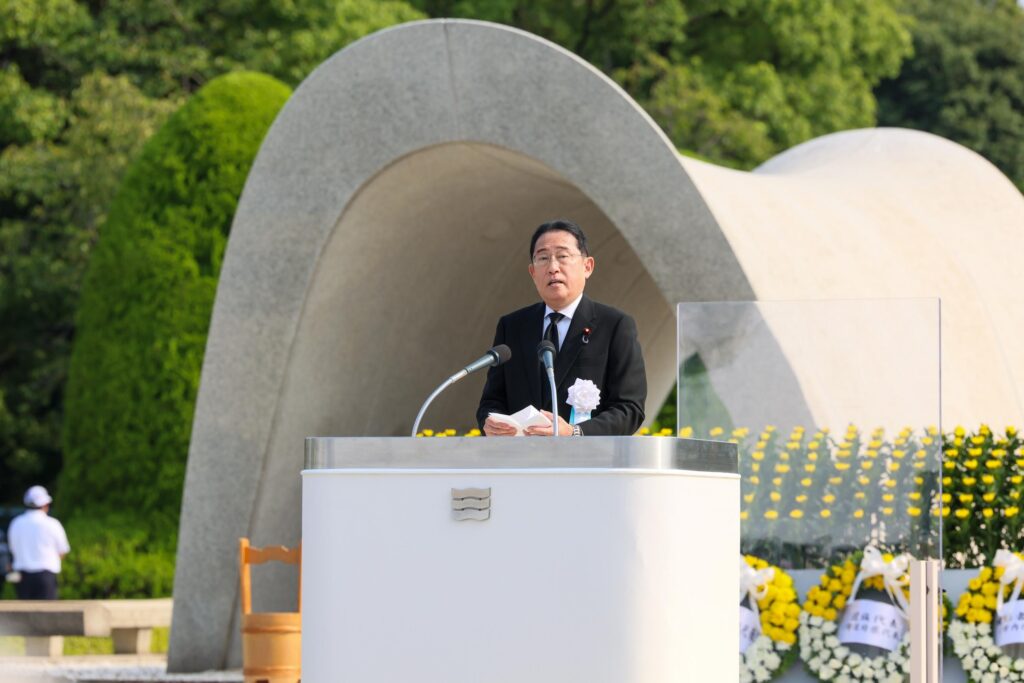
Japanese PM Cancels Attendance at Central Asia + Japan Summit.

A visit to Kazakhstan, Uzbekistan, and Mongolia by Japanese Prime Minister Fumio Kishida scheduled for August 9-12, has been cancelled.

According to the publication Kyodo, the trip was cancelled in response to a warning issued by the Japan Meteorological Agency on the possibility of a strong earthquake and tsunami in Japan.

In an apology made at a press conference today, the prime minister who was due to participate in the summit of Japan and the Central Asian countries in Astana, stated,  “As the top official in charge of the nation’s crisis management, as an extra precaution, I should remain in Japan for at least about a week.”

Confirming the decision, official representative of the Ministry of Foreign Affairs Aibek Smadiyarov announced, “According to the information of the Embassy of Japan, in connection with the earthquake in their country, a decision was made to cancel the visit of Prime Minister Fumio Kishida to Kazakhstan.”

On August 8, a 7.1-magnitude earthquake occurred in Miyazaki prefecture in southwestern Japan and the Japan Meteorological Agency recorded earthquakes at a depth of 30 km. The Japanese government also issued a tsunami warning for Kochi and Miyazaki prefectures.

The Times of Central Asia previously reported on the Prime Minister of Japan’s intention to announce a package of economic assistance to Central Asia. According to the Japanese government, the initiative which Kishida planned to outline at the summit,  will reduce the heavy influence of both Russia and China on the region and afford Central Asia economic independence.

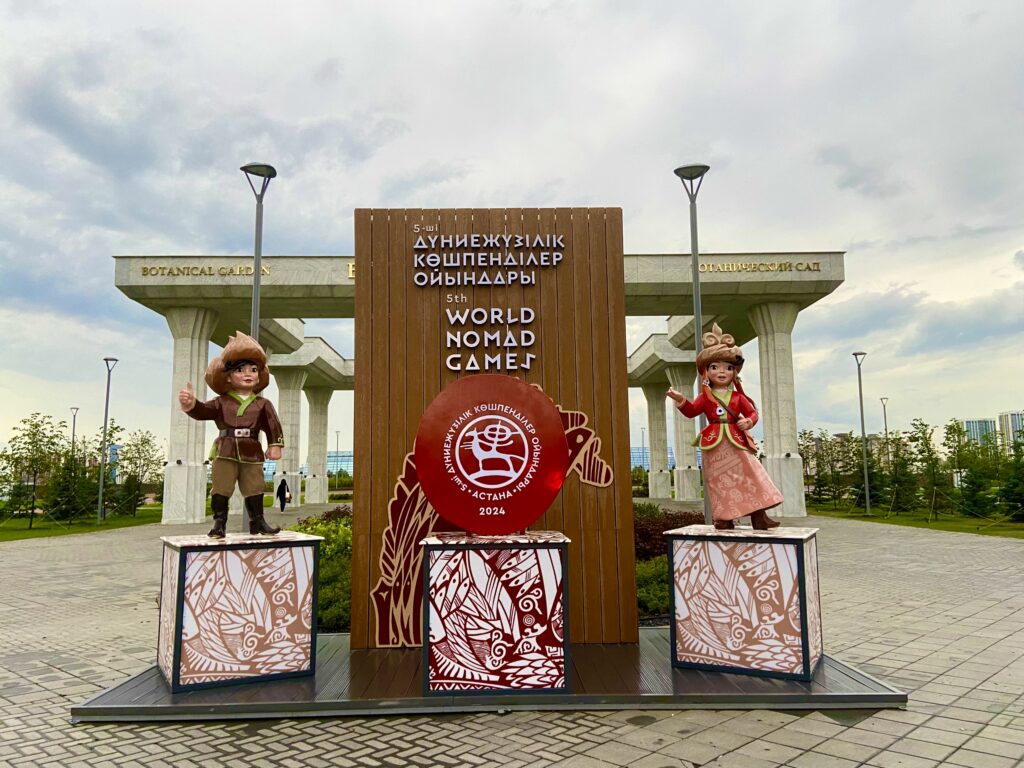
 Astana Prepares to Welcome Visitors in Run-Up to the 5th World Nomad Games

There is a distinctive festive fizz about Astana as the city prepares to host the 5th World Nomad Games. In celebration and in readiness to welcome visitors, the streets, shopping centers, public spaces and even buses, are already festooned with flags and colorful decorations in keeping with this year’s theme “The Gathering of the Great Steppe.” Amid banners bearing the Games’ mascots and logo of a solar horseman against a background of Carnelian red, symbolizing energy and vitality, traditionally attired locals, some on horseback and others carrying hunting eagles, proudly roam the streets to promote both the event and their country’s cultural heritage.

Taking place from 8 -13 September, the much-anticipated Games will include 21 sports with some 3000 participants from over 85 countries competing in six venues spread across the city: the Astana Arena Stadium, Kazanat Hippodrome Racetrack, Zhaksylyk Ushkempirov Wrestling Palace, Alau Ice Palace, Qazaqstan Athletic Sports Complex, and Duman Complex.
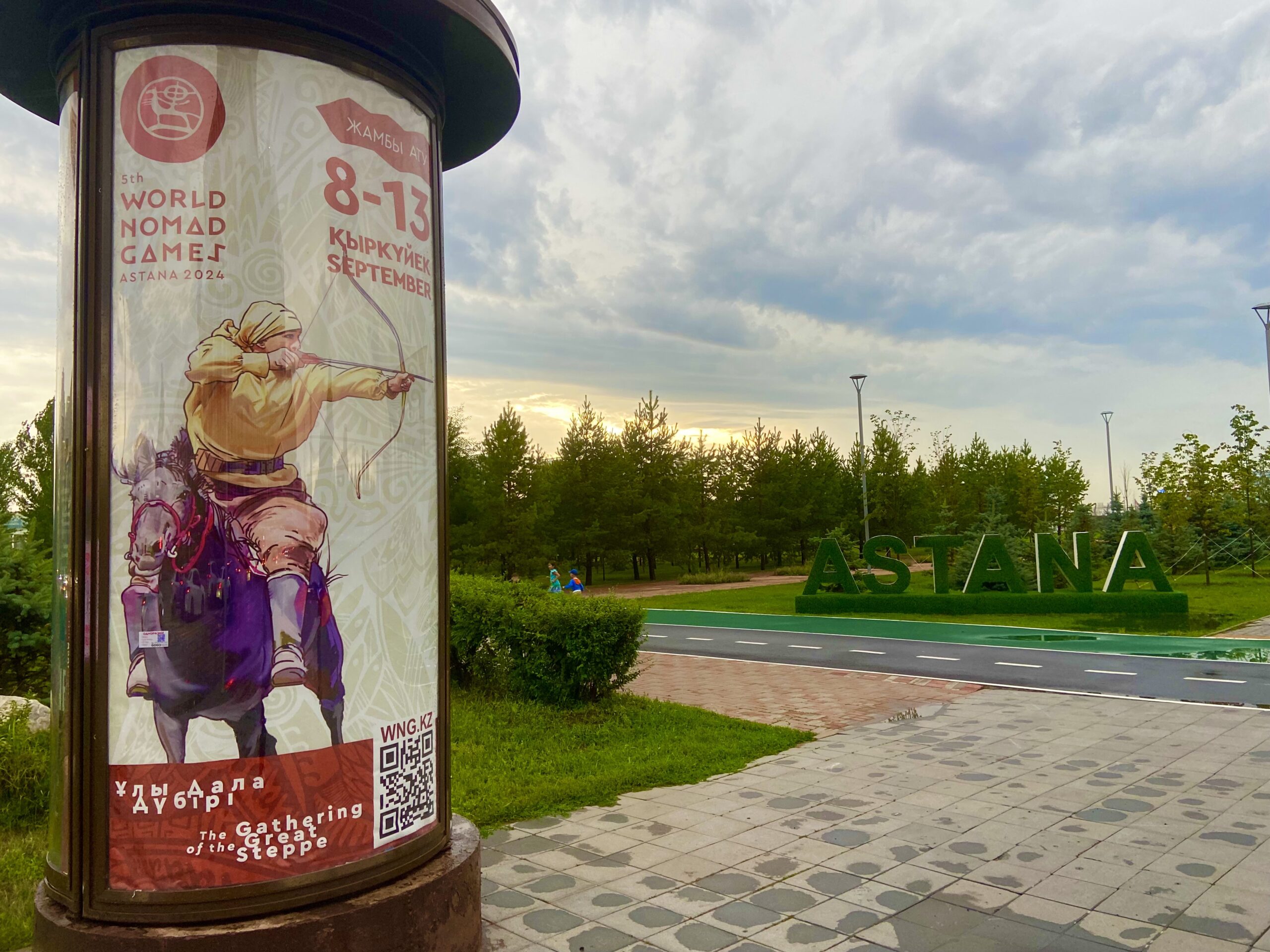
photo TCA: Games banner

Not exclusive to sport, the Games also include Cultural and Science programs. On a ten- hectare site close to the Kazanat race course, an Ethno-Aul has been erected to  house an expansive array of exhibitions, performances and activities related to local customs and cuisine, theater and dance, and traditional craft and music. The equally comprehensive science program, hosted by the National Museum, offers a series of events with a focus on the development of ethno-sports.

With the passing years, the Games have become ever-more popular and thanks to the success of a long and concentrated marketing and publicity drive, tours organized by many international travel companies sold-out months ago. As a result, over 100,000 foreign tourists, many of whom have never visited Central Asia, are expected to descend on the city in September.

As the Nomad Games approaches, TCA has prepared a list of six must-see sites to encourage visitors to better acquaint themselves with the city, enjoy Astana’s unique atmosphere, and gain a deeper understanding of her cultural and historic heritage as they travel from venue to venue.

Photo TCA: Bayterek Tower

Bayterek Tower

Situated on Nurjol Boulevard and erected in August 2002, this 105-metre-high observation tower is a symbol of post-independence Kazakhstan. Its distinctive design was inspired by an ancient Turkic myth in which every year, a sacred bird named Samruk laid an egg (the sun) in the branches of a sacred poplar tree. Once inside, visitors can learn more about the concept behind the tower and its cultural significance, and from the top platform, enjoy breath-taking panoramic views of the city.
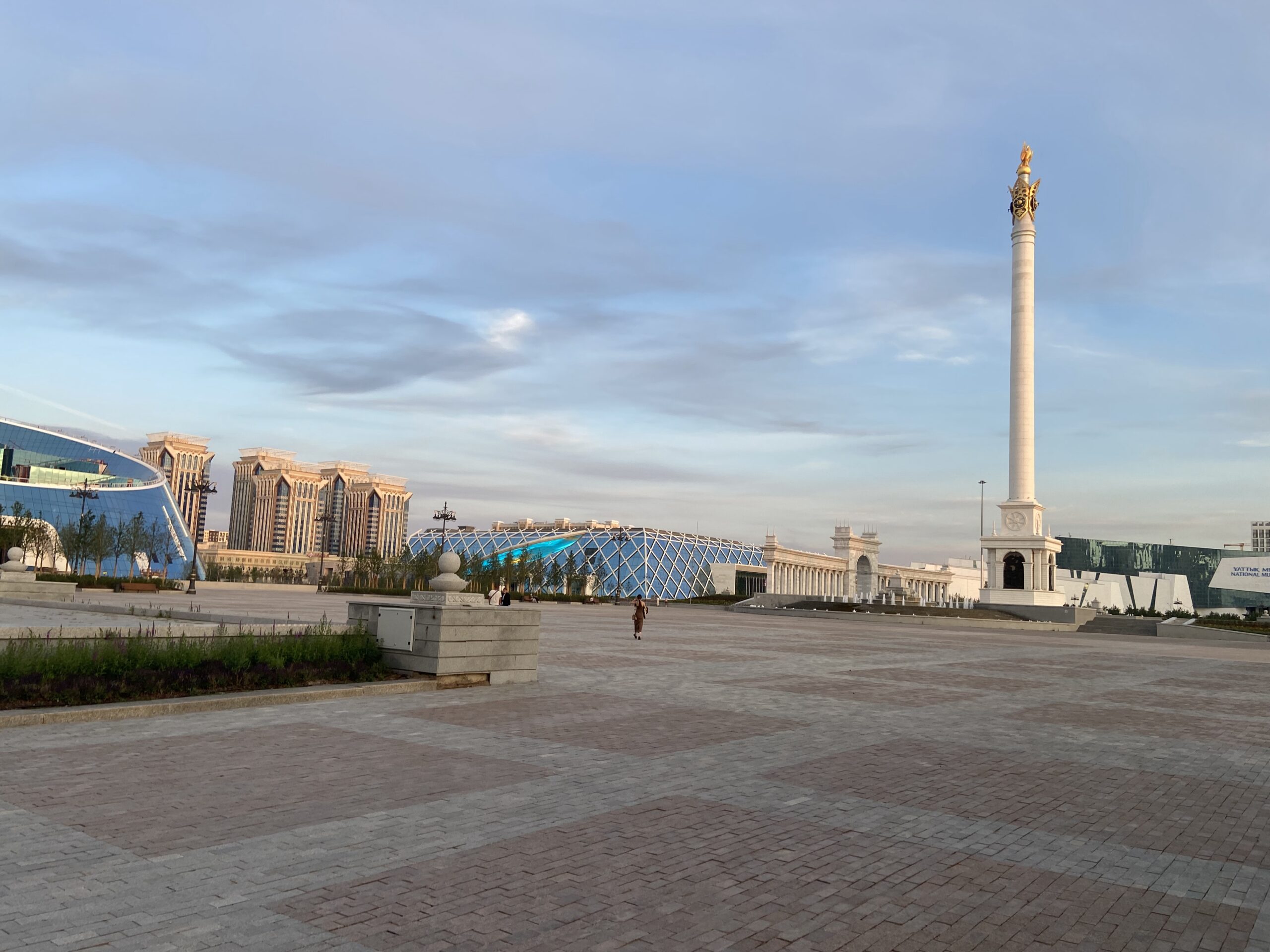
Photo TCA: Independence Square

Independence Square

At the heart of the city lies Independence Square, surrounded by iconic buildings and monuments. Especially notable is the Kazak Yeli Memorial, a symbol of Kazakhstan’s destiny. Atop its 91- meter tower stands a golden eagle, and around its base, images related to the country’s past and present, from heroic ‘batyrs’ or clan leaders from the Golden Horde and dombra players, to the masters of trade who built the city and a modern-day family.
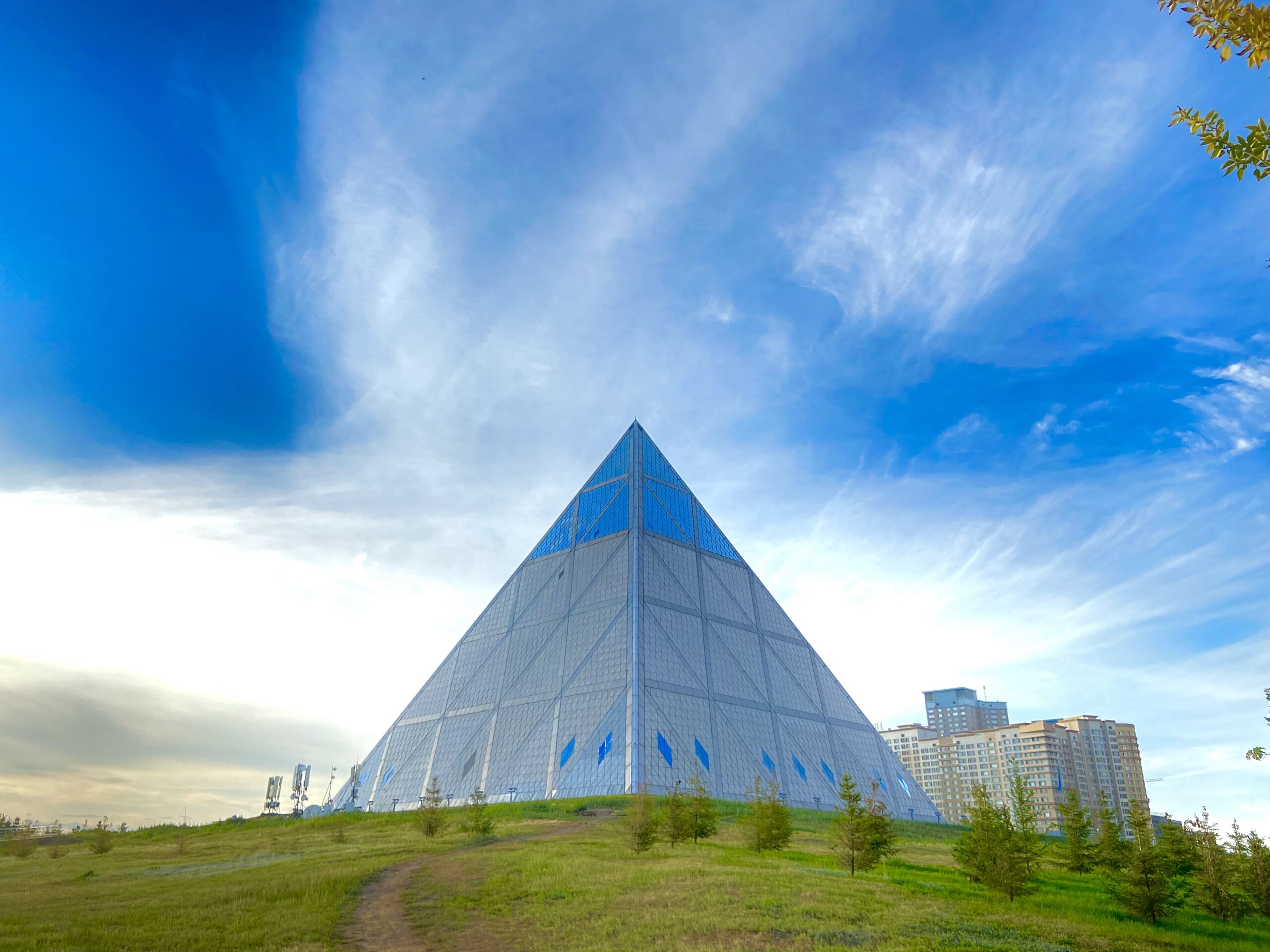
Photo TCA: Palace of Peace and Reconciliation

Palace of Peace and Reconciliation

The futuristic structure of glass and steel housing exhibition halls, a theater and spaces dedicated to cultural and religious events, was completed within just two years in 2006. Designed by renowned British architect Sir Norman Foster, the pyramid form which is not affiliated to any religion, was chosen to represent peace and harmony.

Photo: iStock: Khan Shatyr

Khan Shatyr

Fans of Foster’s cutting-edge contemporary architecture should also pay a visit to his second major commission in Astana, the name of which is an amalgamation of two historic terms: khan, the title given to ancient Turkic leaders, and shatyr, a medieval dwelling or destination. Constructed in 2010 from ETFE, a translucent heat-absorbing material, and resembling a giant tilting tent, reminiscent of the traditional nomad yurt, the building is home to a shopping mall, leisure center and tropical swimming pool.
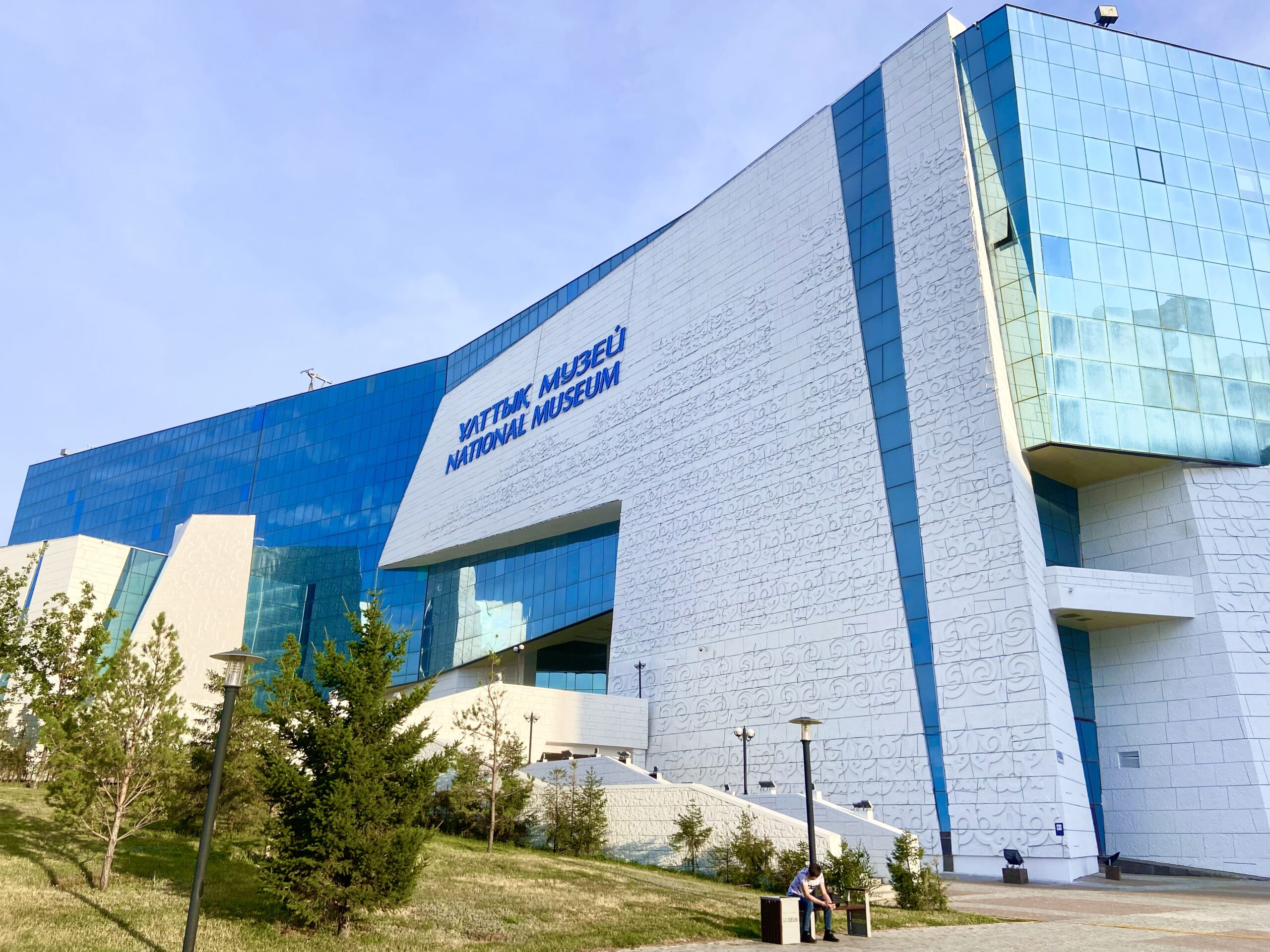
Photo TCA : The National Museum

The National Museum of the Republic of Kazakhstan

Opened in 2014, the museum one of the largest in Central Asia, boasts a rich and diverse collection of artifacts relating to Kazakhstan’s cultural heritage, displayed across eleven exhibition halls in seven intersecting blocks.

In pride of place, sits the Issyk Golden Cataphract, a suit of armor consisting of thousands of pieces of gold excavated, by chance, from the Issyk burial ground in 1969. The owner of the armor dating circa 4th century BC is thought to have been a young Saka prince, sometimes referred to as the ‘Tutankhamun of Kazakhstan’

The design of the museum by Vladimir Laptev, a member of Kazakhstan’s Union of Architects, was inspired by a waving flag and with its glistening facade of blue glass and white marble, is yet another stellar example of Astana’s modernist architecture.

Kenesary Khan Monument

Standing on the bank of the river Ishim, the bronze sculpture celebrates the life of Kenesary Kasymov (1802-1847) the last Kazakh sultan and leader of the national liberation movement for independence from the Russian Empire from 1837-1847. Inaugurated in May 2001, it symbolizes Kazakhstan’s long battle for independence which lost and won again, marks out the country’s future.