• KGS/USD = 0.01144 0%
  • KZT/USD = 0.00211 0%
  • TJS/USD = 0.10460 0.19%
  • UZS/USD = 0.00008 0%
  • TMT/USD = 0.28490 0%
  • KGS/USD = 0.01144 0%
  • KZT/USD = 0.00211 0%
  • TJS/USD = 0.10460 0.19%
  • UZS/USD = 0.00008 0%
  • TMT/USD = 0.28490 0%
  • KGS/USD = 0.01144 0%
  • KZT/USD = 0.00211 0%
  • TJS/USD = 0.10460 0.19%
  • UZS/USD = 0.00008 0%
  • TMT/USD = 0.28490 0%
  • KGS/USD = 0.01144 0%
  • KZT/USD = 0.00211 0%
  • TJS/USD = 0.10460 0.19%
  • UZS/USD = 0.00008 0%
  • TMT/USD = 0.28490 0%
  • KGS/USD = 0.01144 0%
  • KZT/USD = 0.00211 0%
  • TJS/USD = 0.10460 0.19%
  • UZS/USD = 0.00008 0%
  • TMT/USD = 0.28490 0%
  • KGS/USD = 0.01144 0%
  • KZT/USD = 0.00211 0%
  • TJS/USD = 0.10460 0.19%
  • UZS/USD = 0.00008 0%
  • TMT/USD = 0.28490 0%
  • KGS/USD = 0.01144 0%
  • KZT/USD = 0.00211 0%
  • TJS/USD = 0.10460 0.19%
  • UZS/USD = 0.00008 0%
  • TMT/USD = 0.28490 0%
  • KGS/USD = 0.01144 0%
  • KZT/USD = 0.00211 0%
  • TJS/USD = 0.10460 0.19%
  • UZS/USD = 0.00008 0%
  • TMT/USD = 0.28490 0%

Tokayev Proposes a New Constitutional Architecture

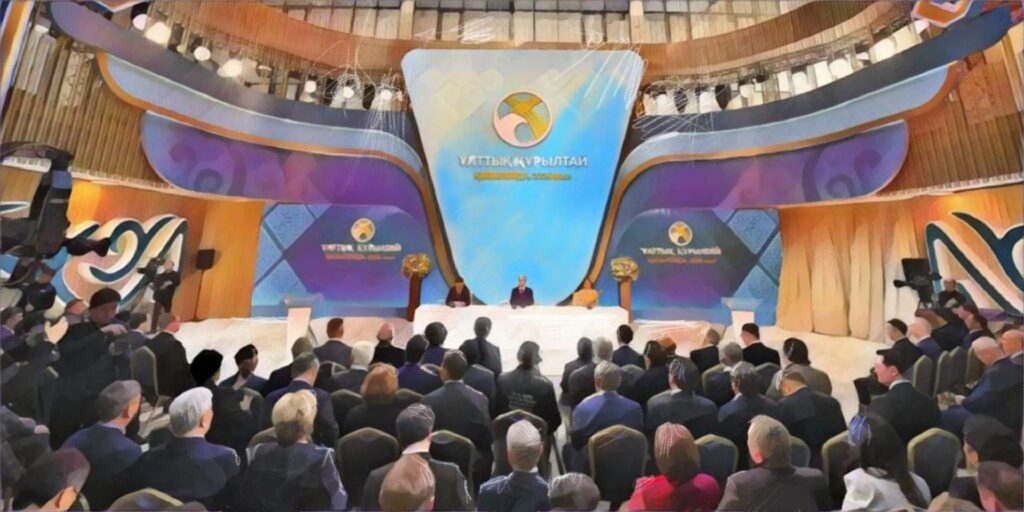
In mid-January 2026, President Kassym-Jomart Tokayev moved Kazakhstan’s parliamentary reform agenda onto a deeper constitutional track. He framed the emerging package as comparable, in substance, to adopting a new constitution rather than making a bounded set of amendments. He also presented it as a further move away from the institutional logic of the 1995 framework and as the logical next step after the 2022 referendum changes, with the legislative branch identified as the main site of redesign.

Tokayev laid out a two-stage pathway. First, a Constitutional Commission of more than 100 members is to consolidate proposals and draft a coherent text. The work is organized through the Constitutional Court leadership, and the participant pool is expected to include representatives of the National Kurultai, legal experts, media figures, maslikhat chairs, and regional public councils. The commission was established by decree shortly after Tokayev’s public rollout of the initiative, with early reporting identifying its chair and senior officers as part of the process’ initial institutionalization.

Second, the resulting draft is to be submitted to a nationwide referendum, with timing to be set once the commission produces an implementable package. This is an architecture exercise before it is a policy program. The direction is clear enough to describe, but the operative meaning will depend on still-undetermined details, including how headline concepts are translated into constitutional language and how the referendum track shapes that drafting process.

The Kurultai Plan and the Lawmaking Design

Tokayev’s central institutional move is to abolish the current bicameral parliament and replace it with a single chamber, the Kurultai, combining functions now divided between the Mazhilis and the Senate. The change is publicly presented as consolidation, with unicameralism framed as a simplification of legislative structure that still keeps parliament as the focal representative institution within a presidential system.

The package also sketches a streamlined internal design. Tokayev stated that the new chamber should comprise 145 deputies, with up to three deputy speakers and no more than eight committees. Public reports on the working-group discussions remark that earlier concepts ranged more widely before converging on 145; the current Mazhilis and Senate total 148 members. Tokayev indicated that deputies would be elected by proportional representation at the national level, while majoritarian rules would be retained at the regional level. He also signaled the removal of quota and appointment mechanisms associated with the existing system, including the elimination of a small number of presidentially appointed seats.

A unicameral legislature raises a predictable design problem. Consolidation can increase legislative throughput unless procedures are structured to preserve deliberation. Allies of the reform have therefore emphasized a shift to a three-reading format, presented as a way to make lawmaking more deliberative. In practice, the decisive criteria here are implementation choices that are not yet public. These include final electoral rules, the internal allocation of committee jurisdiction, and procedural requirements governing readings, hearings, and amendments. Those choices will determine whether the Kurultai becomes a stronger site of relatively autonomous bargaining and scrutiny or a more efficient transmission channel for executive-initiated legislation.

Appointment Power and the Vice Presidency

Tokayev’s package does more than redesign the legislature’s internal structure. It also reallocates how key constitutional, judicial, audit, and election-management institutions are staffed. In the current system, responsibilities for the formation of the Constitutional Court, the Supreme Audit Chamber, and the Central Election Commission are divided among the Mazhilis, the Senate, and the presidency. Under the proposed design, members of all three bodies would be appointed exclusively with the consent of Parliament. In addition, Parliament would elect all Supreme Court judges on presidential recommendation, shifting the decisive vote from the Senate to the single chamber.

The reform strengthens the legislature’s checking function in formal terms, but it does not automatically represent a transfer of substantive constraint from the executive to Parliament. The presidency would retain control over the nomination chokepoint for the Supreme Court, while parliamentary “consent” for other bodies could function as either real screening or routine ratification. Here again, the operative effects will be determined by implementing rules that are not yet public. These rules include nomination pathways, committee vetting authority, hearing requirements, voting thresholds, and the extent to which party discipline and informal executive leverage reduce parliamentary discretion.

The other main constitutional revision is the creation of a vice presidency and the associated succession rewrite. Tokayev proposes establishing the post of Vice President in the Constitution, appointed by the president with the consent of Parliament through a simple majority vote, with the scope of authority determined by the head of state. Public descriptions of expected functions include representing Kazakhstan internationally, representing the president’s interests in Parliament, and engagement with domestic and international organizations, alongside other duties assigned by the president. In parallel, Tokayev proposes removing the “remainder of term” logic for early presidential departure and requiring a new presidential election within two months. This design is presented as an unambiguous procedural script for crisis succession, tying any incoming head of state to direct electoral legitimation rather than to replacement through internal political arrangements.

From 1995 to 2026 and the Reform’s Systemic Meaning

The 1995 constitutional order consolidated a strongly presidential system with a bicameral parliament. The presidency held dominant agenda-setting authority and broad appointment prerogatives, while the Senate served as an additional institutional layer for legislation and for certain appointments and confirmations. This arrangement produced a recognizable super-presidential equilibrium even when formal “checks and balances” language remained present in the text.

The 2022 referendum package modified that equilibrium without redesigning it. It introduced constraints and symbolic breakpoints associated with the post-January 2022 reset, including the re-establishment of a Constitutional Court and other adjustments framed as reducing hyper-presidential concentration. The institutional form, however, remained bicameral, and the reform did not introduce a vice presidency or a revised crisis-succession script of the kind now proposed.

The 2026 initiative is a structural redesign. Tokayev’s team frames it as close to a new constitution, because it rewires the structure of the legislature, the appointment architecture, and the succession mechanism for early presidential departure, all at the same time. A unicameral legislature can increase Parliament’s formal leverage, but it can also shorten the route for executive-initiated legislation if party discipline is tight and agenda control remains concentrated. With proportional representation, it can lower formal entry barriers for parties, but it can also concentrate executive influence in the chamber if electoral thresholds and access to ballot-listing and media remain restrictive.

Outcomes will turn on nomination pathways and voting thresholds, and on whether oversight bodies acquire operational autonomy rather than remaining procedural formalities, regardless of how “balanced” executive–legislative relations look on paper. The vice presidency codifies succession continuity and timing while preserving presidential primacy through appointment control over the vice president’s mandate. This office can provide both executive–legislative coordination and succession continuity, but its practical significance for each will depend on staffing choices and on how the role is publicly framed.

What to Watch For

The central question is whether the new parliamentary checks are enforceable in practice against the presidential agenda and nomination control. The first visible tests will be concrete and near-term. They will appear in the first appointment cycle conducted under parliamentary consent rules, in the first high-salience audit and election-administration decisions taken by reconstituted bodies, and in the first major bill processed through the three-reading procedure. If Parliament can slow or block nominees without being bypassed, then “consent” starts to function as a real check rather than a formality; if not, the redesign will have clarified lines of responsibility while leaving the balance of power largely unchanged.

The referendum track deserves attention for a second reason. Since this redesign is being framed as a new constitutional foundation, a plebiscitary ratification can supply a distinct form of legitimacy that routine parliamentary passage cannot easily provide. That legitimacy can then be used in two directions. First, it can reinforce institutionalization by making the new rules harder to reverse in a casual manner. Second, it can actually reinforce executive primacy if the referendum is portrayed as a direct mandate for a presidency-centered model of “order.” As a result, how the Constitutional Commission publishes drafts, accepts criticism, and records dissent will matter for credibility even before formal voting takes place.

Tokayev’s professional formation as a political scientist and his international experience as a diplomat at the highest levels help explain the emphasis on institutional architecture and procedural scripting, including a clearer succession timetable. The longer-run meaning, however, will be revealed only under a successor presidency, when the interests of senior political actors are more likely to diverge than to align.

Kazakhstan, Uzbekistan, and Azerbaijan Join Trump-Initiated Board of Peace

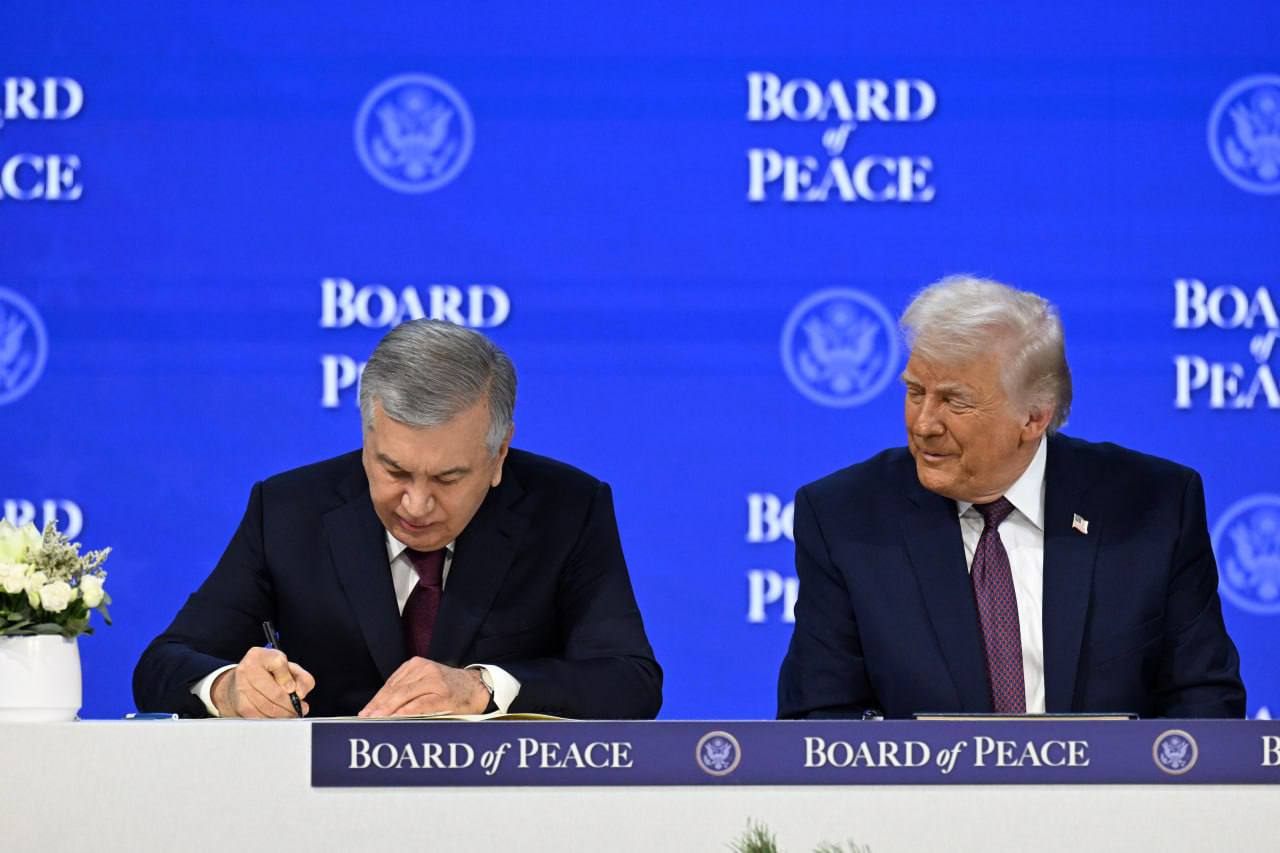
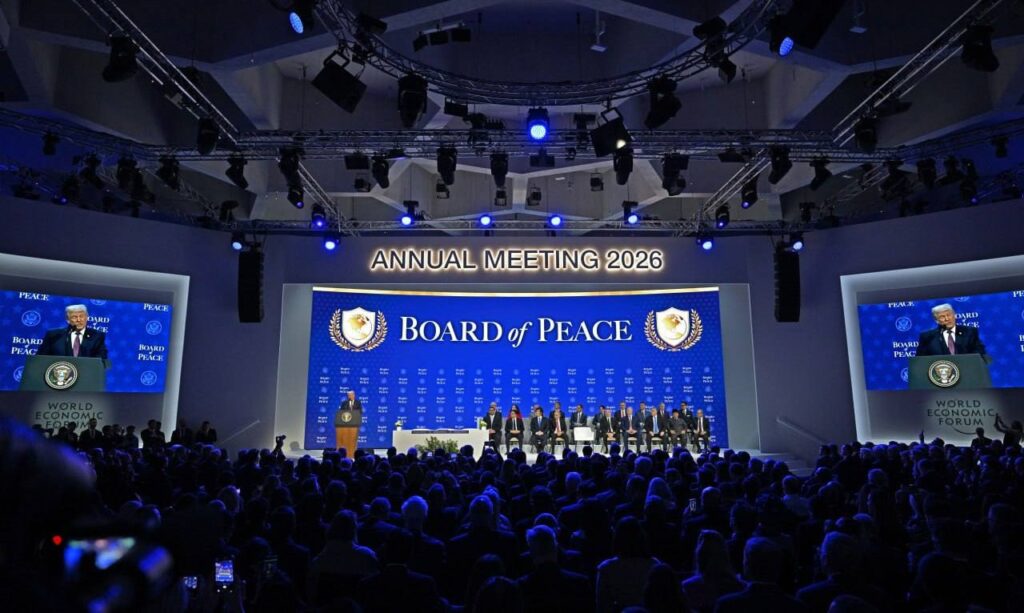
A new international organization, the Board of Peace, was formally established yesterday on the initiative of U.S. President Donald Trump. The charter for the board was signed on the sidelines of the World Economic Forum in Davos by representatives from 19 countries. Joining Kazakhstan and Uzbekistan as founding signatories, the other parties are Argentina, Armenia, Azerbaijan, Bahrain, Bulgaria, Hungary, Indonesia, Jordan, Qatar, Saudi Arabia, Turkey, the United Arab Emirates, Morocco, Mongolia, Pakistan, Kosovo, and Vietnam. The United States is not counted among the 19 signatories, acting instead as the initiative’s convener and chair. The Board of Peace is designed as a consultative platform rather than a treaty-based organization, with no enforcement powers and voluntary participation by member states.

Following the signing, a comprehensive development plan for the Gaza Strip was unveiled, which envisions transforming the enclave into a regional economic hub by 2035, with a projected GDP of over $10 billion under the proposal. The plan includes restoring water, electricity, sewage systems, and hospitals, creating jobs, and developing coastal tourism.

The concept was presented by entrepreneur Jared Kushner, Trump’s son-in-law. Kushner will serve on the Board of Peace’s executive board, alongside U.S. Secretary of State Marco Rubio, Special Envoy Steve Witkoff, World Bank President Ajay Banga, and former British Prime Minister Tony Blair, among others.

The inclusion of Kazakhstan and Uzbekistan, the two largest economies in Central Asia, as founding members underscores their growing role in global diplomacy. Azerbaijan, which has recently expressed interest in joining the Central Asia-focused C5 regional format, also signed the charter. Separately, observers have begun referring to the growing cooperation between Central Asia and Azerbaijan as the “C6,” which could pave the way for greater collaboration on the development of the Trans-Caspian International Transport Route, including the Zangezur Corridor through Armenia.

Image: president.uz

Uzbekistan’s participation reflects Tashkent’s increasingly active multi-vector foreign policy under President Shavkat Mirziyoyev, which has sought to expand the country’s diplomatic footprint beyond its immediate neighborhood. In recent years, Uzbekistan has stepped up engagement with the United States, the European Union, and the Middle East, while positioning itself as a pragmatic regional actor on development, connectivity, and post-conflict reconstruction initiatives.

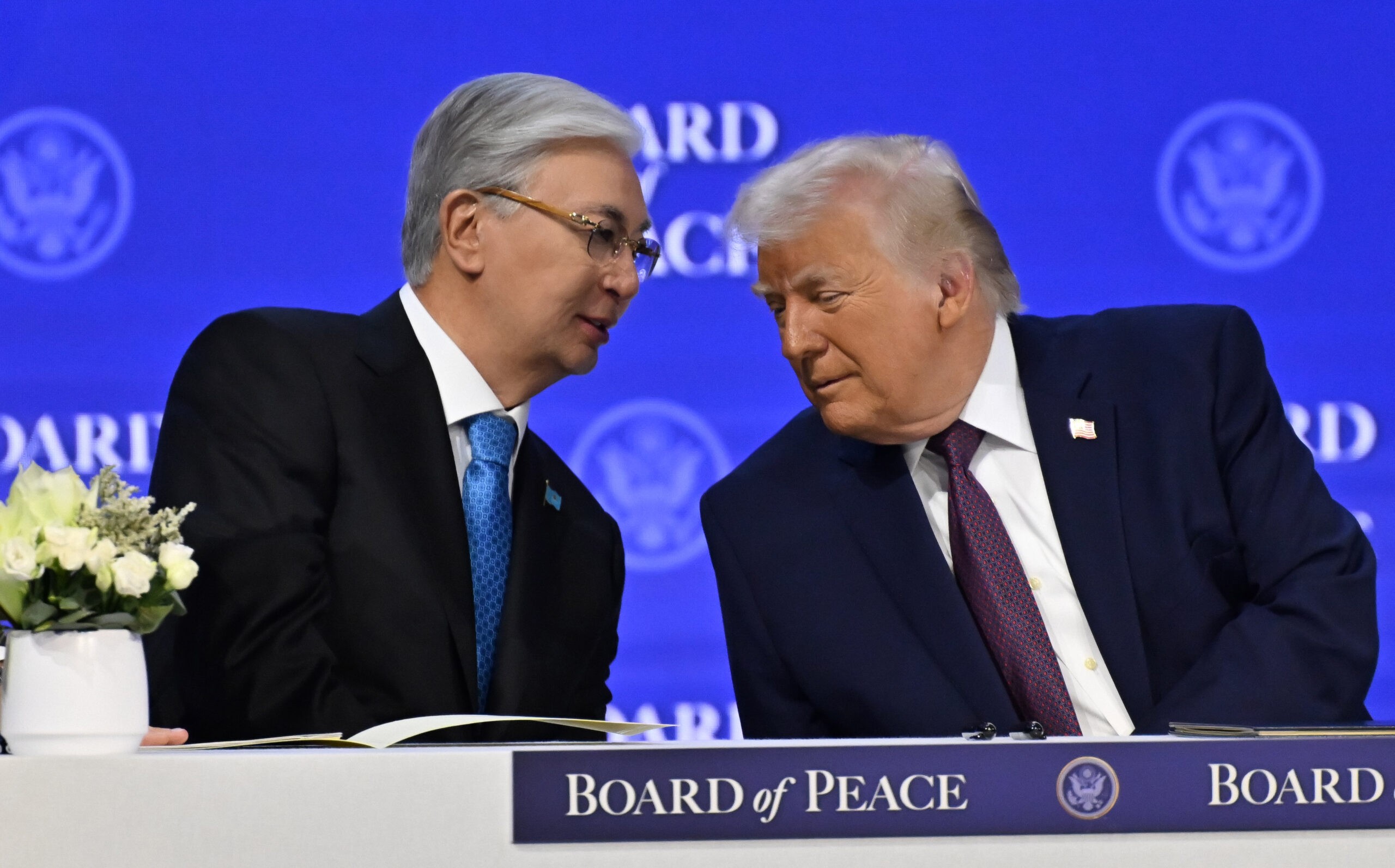
During the signing ceremony, President Kassym-Jomart Tokayev of Kazakhstan and Trump reportedly had a brief but cordial exchange. In a statement to the press, Ruslan Zheldibay, spokesperson for the Kazakh president, said Tokayev pointed out that Kazakhstan’s accession to the Abraham Accords was listed as item 177 in a document titled 365 Victories of President Donald Trump in 365 Days, distributed at the Davos Forum. Tokayev also wished Trump success in pursuing a “common sense” domestic policy. Trump, in turn, thanked Tokayev for supporting the Board of Peace initiative.

Image: Akorda.kz

The press service of Akorda, the presidential residence of Kazakhstan, later clarified that joining the Board of Peace is based on a sovereign decision and entails a standard three-year term. Participation does not require a financial contribution, though the charter allows member states to make a voluntary contribution of up to $1 billion. If made within the first year, such a contribution enables the state to seek permanent or extended membership.

“Kazakhstan joined the Board of Peace without making any financial contribution, which fully aligns with the provisions of the charter,” the Akorda press service stated.

Tokayev has consistently advocated for increased international influence for middle powers, a group he argues must have a voice in shaping global policy. His engagement with the Board of Peace may signal a potential shift in regional alignment. For many post-Soviet republics, the initiative offers an opportunity to diversify foreign policy and reduce dependence on traditional power centers such as Moscow or Beijing, without the financial burden often associated with such alignments. Critics have questioned how the Board of Peace will translate ambitious development plans into binding commitments, noting the absence of enforcement mechanisms and the voluntary nature of participation.

Kazakh Producer Yulia Kim: “We Are Closing the Gap Between Central Asia and World Cinema”

Central Asia is increasingly being recognized as a bright new spot on the global cinema map. Films by regional directors are now regularly featured in major festival programs, and international curators are paying closer attention to the area’s filmmaking talent. One of the key platforms fostering these connections is the Post Space film camp in Kyrgyzstan, a space where emerging directors present their work directly to global festival decision-makers.

The Times of Central Asia spoke with Post Space co-founder and Kazakh producer Yulia Kim about how this format works, why bridging the gap between the region and the global film industry is vital, and how campfire songs can forge creative collaborations.

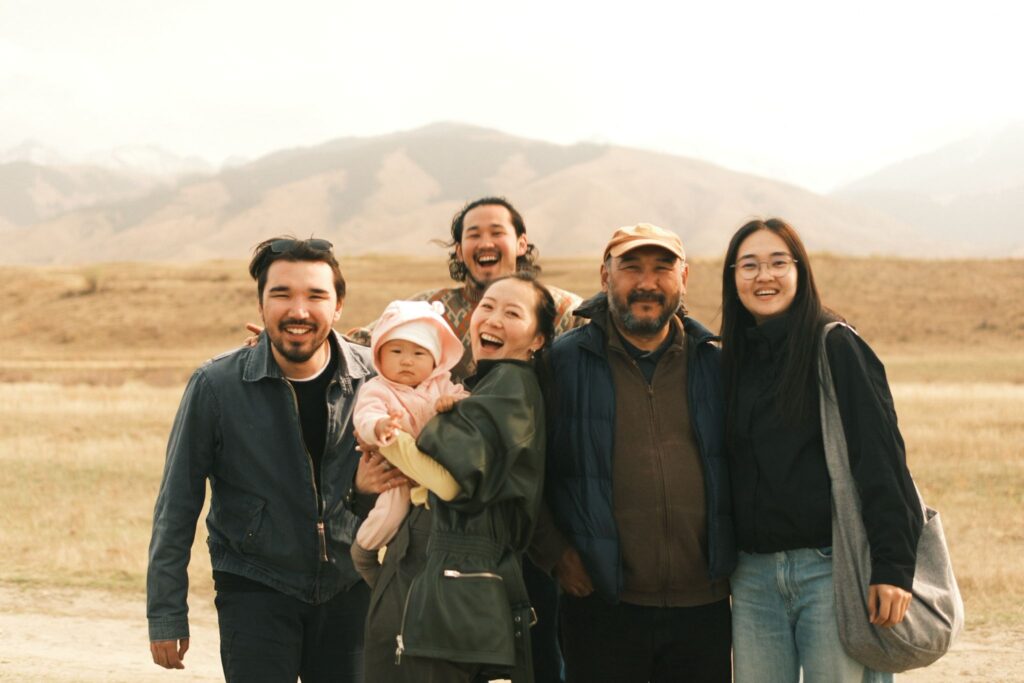
@PostSpace

TCA: Yulia, you’re one of the founders of Post Space, widely considered the most influential film camp in Central Asia. You’ve been organizing it for four years now. Has it yielded results?

Yulia: Many. In 2024, the Locarno Film Festival invited two Kazakh directors, including Aruan Anartay, a Post Space participant. Last year, we had another Kazakh participant. The Lisbon Film Festival even curated a program specifically dedicated to Central Asian cinema. Its director, Portuguese producer Paulo Branco, visited Post Space for the first time in 2024 and fell in love with our filmmakers. I believe that for the festival curators we invited, Central Asia has opened up in new ways. They now approach our films with a deeper understanding and, hopefully, greater interest.

TCA: Would you say international interest is growing?

Yulia: Yes, but Post Space aims for more than just professional development. We also strive to create a friendly, supportive atmosphere. The connections formed here often become lasting collaborations. For instance, we ran a screenwriting lab, and soon several films developed during that project will be released. One participant, Diaz Bertis, refined his script with the help of an international mentor we brought in. These are vital steps for our industry.

TCA: Many local initiatives fizzle out quickly. Are you planning for the long term?

Yulia: Absolutely. Our project is just gaining momentum. But we’re working with a minimal budget and little external support, which limits what we can do. We’d like to offer more grants and long-term support to the projects emerging from Post Space, but for now, it’s mostly moral support. Still, we’re pushing forward, and young filmmakers are eager to grow with us. We focus on giving a voice to emerging artists who aren’t even recognized at local festivals, let alone international ones.

TCA: So Post Space is a launchpad for debut filmmakers?

Yulia: For many, yes. There’s so much talent in the region, but a lot of it has no connection to the film industry. We want to be the space where they gain confidence, present their work, and receive feedback. Many participants hadn’t shown their films anywhere before Post Space, often due to fear or inexperience. They were thrilled to screen their work here.

TCA: What stood out about Post Space 2025?

Yulia: Each year has its own energy. In 2025, we focused on documentary filmmaking and launched a doc incubator, a creative lab for developing documentary series.

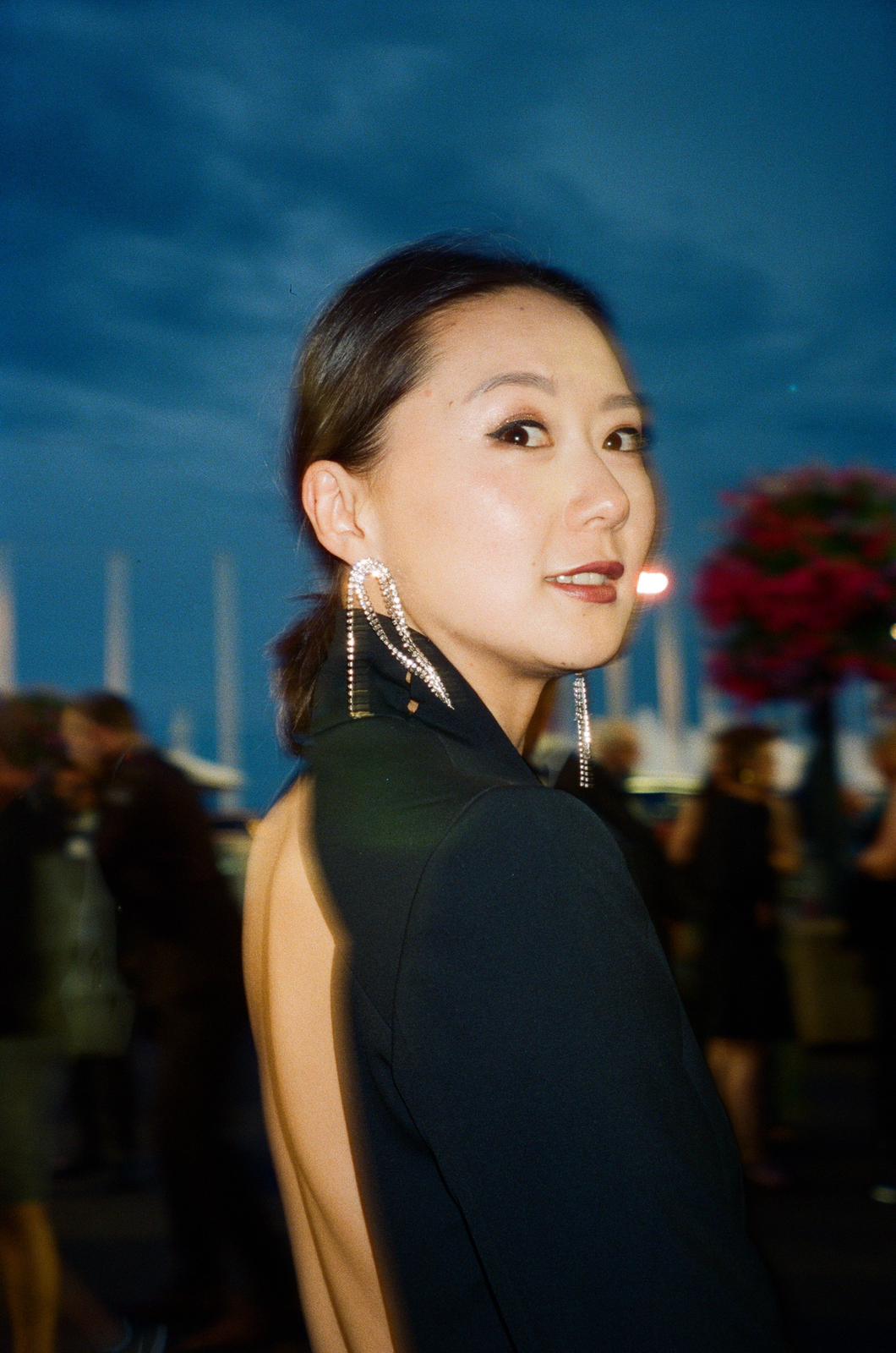
@PostSpace

TCA: That’s timely. This year, three Kazakh women, documentary filmmakers and Post Space alumni, were selected for Berlinale Talents, and another, Kristina Mikhailova, entered the Berlinale competition.

Yulia: We don’t chase trends it just happened organically. We’re deeply engaged in the local film scene and want to support those doing honest, often underfunded work. Documentaries tend to be made on sheer enthusiasm, but the results are incredibly compelling.

TCA: How many projects were selected for the doc incubator, and what were they about?

Yulia: We selected five or six projects. All were strong in different ways, but I particularly remember one about the rap scene in Uzbekistan. It was fascinating to explore that world and see the younger generation’s perspective.

TCA: The camp covers all of Central Asia, but do mostly Kazakhs and Kyrgyz attend?

Yulia: Around 8-10% of participants are from Uzbekistan, 20% are international guests, and the remaining 70% are split between Kazakhstan and Kyrgyzstan. Our international guests mostly come from Europe, Asia, and the U.S., but last year we were joined by filmmakers from the Arab world, including Al Jazeera, which is also active in documentaries.

TCA: Is it hard to bring in high-profile guests? Last year, you hosted Thibaut Bracq from the Cannes Film Festival.

Yulia: It’s challenging, but we do our best. In 2025, we also welcomed producer Aranka Matits, known for distributing festival hits like Parasite and Another Round. We aim to diversify our speaker list, but we also have returning friends like Paulo Branco and Stefan Ivančić from Locarno. Last year, he came with the festival director, Giona Nazzaro, who became a hit with the participants. He joined them for meals and really connected with them.

TCA: So, he’s already scouting future filmmakers?

Yulia: Possibly. Last year, for the first time, we screened student films for our guests. Some were hesitant to share their early work, but it’s important to start early. Where else could you show your student film directly to the director of Locarno or the producer of Burning?

TCA: Isn’t there a risk in showing such raw material?

Yulia: Not with the right professionals. Our guests offer careful, constructive feedback. They can spot talent, even in early work. Emerging filmmakers rarely have access to this level of expertise; most films submitted to festivals are rejected. Opportunities like this can make all the difference.

TCA: Today’s young filmmakers are lucky, previous generations never got to sip tea with festival directors around a campfire.

Yulia: True. Giona Nazzaro was amazed at the informal atmosphere. He didn’t expect such “horizontal” communication. But that’s our idea, to break down barriers and foster open dialogue.

TCA: Last year, you also hosted actor Aziz Beishenaliev, whose father, Bolot Beishenaliev, is a legend of Soviet-era Kyrgyz cinema.

Yulia: Yes, Aziz grew up near Ashu, the village where the camp takes place. The local school is named after his father, so we organized a special event. We screened one of Bolot Beishenaliev’s films, and students performed a concert. It was a moving moment for the children they were nervous but thrilled to meet someone so famous from their own village.

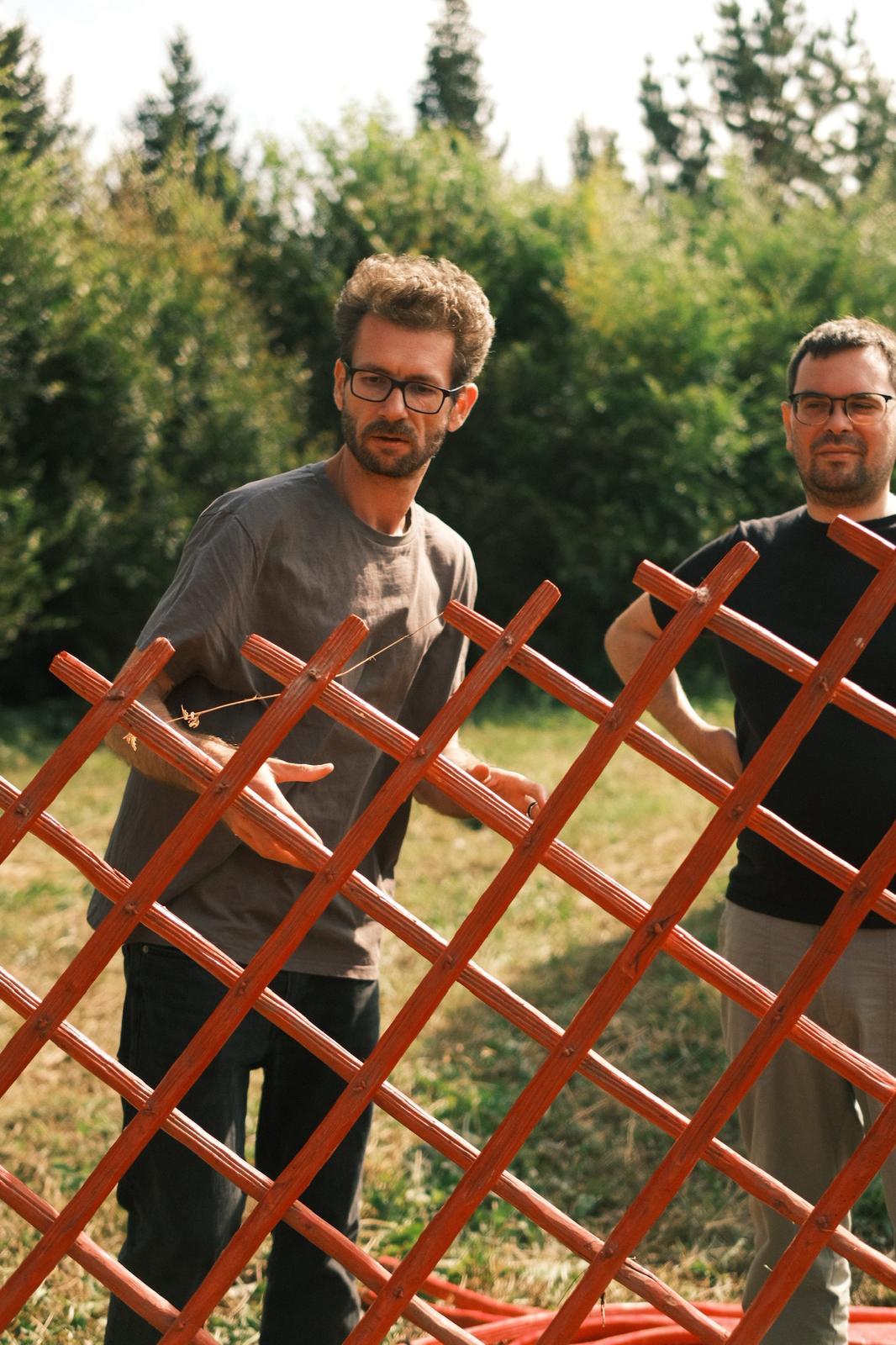
TCA: And the year before, you had European selectors set up a yurt. This year, the camp picked apples, cinematic, in its own way.

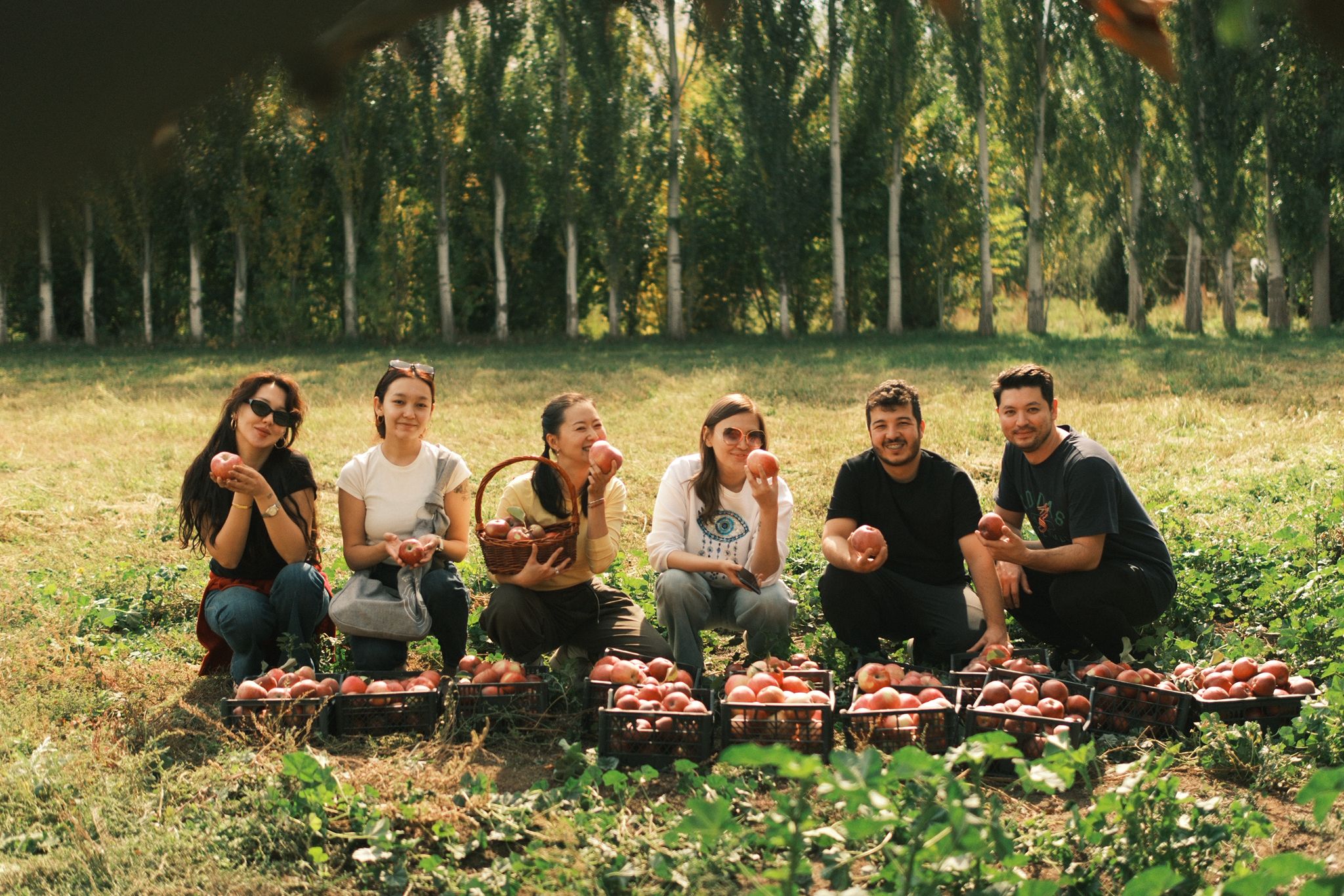
Yulia: Yes, the village elder mentioned no one had time to harvest them. On the last day, when some were watching shorts, and others needed a break, we organized a harvest. The weather was perfect, and we collected 18 large boxes. Everyone took some home.

@PostSpace

TCA: Does this kind of “horizontal” contact help or dilute creative mystique?

Yulia: It absolutely helps. It gives young people the sense that the global industry is within reach. That was the goal of Post Space, to reduce that distance and show that world festivals are not out of reach. I think we’ve achieved that.

TCA: What can we expect from the 2026 season?

Yulia: The program is still in development. We have meetings scheduled in May, including at the Cannes Film Festival. Confirmed guests include Gabor Greiner of Films Boutique, a major international sales agent. We’ll also have a representative from the Berlin Film Festival’s Forum section. More names will be announced in summer-fall 2026.

TCA: One personal question: You recently became a mother. How are you balancing motherhood with producing?

Yulia: At first, I was anxious; there were so many professional plans. But producer Nargiz Shukenova told me, “Producers make good mothers.” And it’s true. Producers, especially on projects like Post Space, often carry a nurturing energy. Much of what I was doing before was maternal energy that simply hadn’t found its outlet yet.

TCA: So producing is like motherhood?

Yulia: In many ways, yes. Especially when it’s about art films, where the goal is to help someone find their voice, not just chase profits. Commercial producing is a different energy. What we do comes from care and love for the process and the people.

TCA: Do you think Central Asia’s voice is getting louder in world cinema?

Yulia: Definitely. Central Asia is becoming more visible, not just in cinema, but in music and art too. Our collective energy is helping us all grow. While many still work without funding, there’s increasing interest and support. Some people aren’t suited to the hyper-competitive world of festivals, but they have something unique to say. Post Space exists to help those voices be heard.

Between Statistics and Reality: What the UNICEF Report Reveals About Children in Turkmenistan

The State Committee on Statistics of Turkmenistan, in partnership with UNICEF, has released the report “Census 2022 – The Situation of Children in Turkmenistan”.

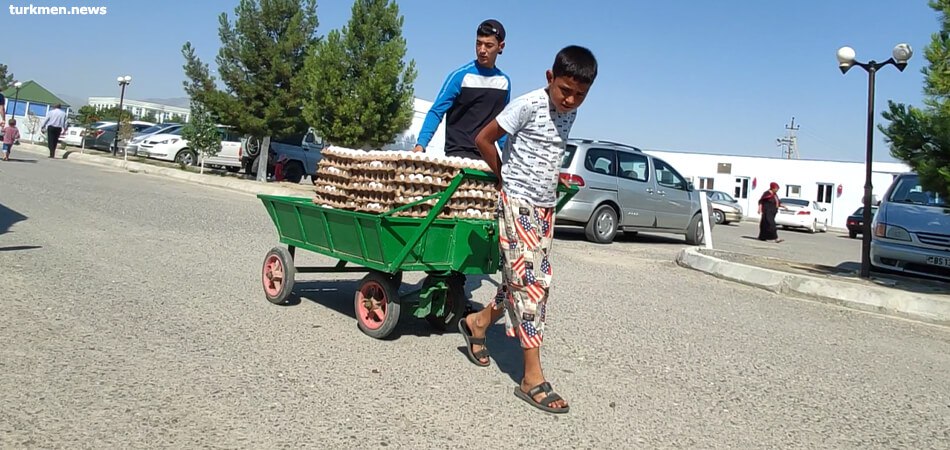
However, as noted by independent outlet turkmen.news, the report is based on official census data that many experts consider unreliable or inflated, potentially skewing the findings. Despite these concerns, the report offers insight into the country’s demographic and social trends.

According to the report, Turkmenistan has a notably “young” population: children aged 0-14 make up 30.7% of the total. In total, 2,463,258 individuals under the age of 17 account for more than one-third of the population. However, a decline in the birth rate is evident: there are 1.2 times fewer children in the 0-4 age group compared to those aged 5-9.

Household composition data reveals that families with three or more children are the most common, comprising 43% of all households nationally and 48.9% in rural areas. Families with two children account for 31.1%, and those with one child, 25.9%.

This distribution correlates with a broader demographic pattern, 57.8% of all children in Turkmenistan live in rural areas.

The demographic dependency ratio remains high: there are 755 dependents per 1,000 working-age individuals. Notably, the child dependency rate is 4.3 times higher than that of the elderly, suggesting a sizable future labor force. The urban-rural divide is also apparent here: in rural areas, the child dependency ratio is 698, compared to 525 in urban centers.

The report addresses early marriage and childbirth: among 15-17-year-olds, 1,349 boys (0.9%) and 1,770 girls (1.2%) were in either registered or de facto marriages. Within the same age group, 339 girls had already given birth. The highest rate of teenage births was recorded in Akhal region (4.2 per 1,000), while Ashgabat reported the lowest (1.2 per 1,000).

Childhood disability statistics show mobility and stair-climbing difficulties are the most prevalent, affecting 3,106 children aged 5-17. Other reported issues include concentration and memory problems (1,989 cases), hearing impairments (1,791), and visual impairments (1,784). In all categories, boys outnumber girls.

One of the most striking disparities is in preschool access. Only 23.8% of children in rural areas attend preschool, compared to 64.7% in urban areas, a rural-urban equity index of just 0.37. Given that the majority of children live in rural areas, the gap reflects systemic challenges, including insufficient infrastructure, transportation issues, and household dynamics where caregiving typically falls to women.

Enrollment rates improve significantly for older children. Nearly all children aged 6-15 are in school, with only 0.3-0.4% not attending. However, the dropout rate increases in older age groups, with 5.4% of adolescents not enrolled in school or vocational institutions. No significant gender disparities were observed in this regard.

Despite the insights the report offers, it is underpinned by 2022 census data that many independent experts argue is inflated. While Turkmenistan’s official population stands at around 7 million, alternative estimates range between 2.7 and 5.7 million.

Nevertheless, the release of this report marks a step toward a more open dialogue about the country’s social policies. Regardless of potential inaccuracies, the youthful demographic profile suggests significant developmental potential and a growing obligation for the state to prioritize education and family support systems.

Kyrgyzstan Turns to Coal Power Amid Electricity Shortages

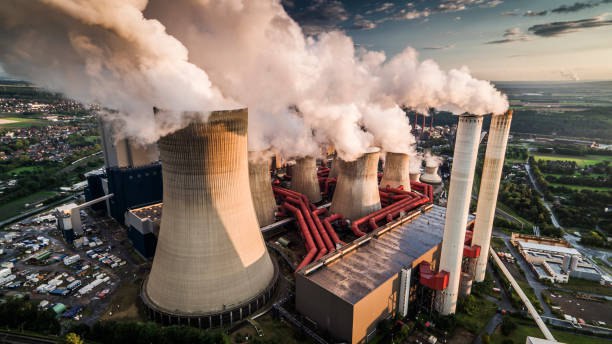
Kyrgyzstan is turning to coal-fired electricity generation as a key strategy to address its chronic energy deficits, particularly acute during winter, when heating demand spikes and reliance on costly imports increases.

While the country continues to expand hydropower capacity, the government is emphasizing the role of thermal power as a stable, year-round energy source. Unlike hydropower, which is vulnerable to fluctuating river flows worsened by climate change, coal-fired generation offers a more consistent electricity supply.

On January 22, Energy Minister Taalaibek Ibrayev met with representatives of an international consortium that includes the German consulting group GPRC, along with NRP and KCG. The minister proposed the construction of thermal power plants at domestic coal sites.

According to the Ministry of Energy, the consortium has expressed its intention to design, finance, and build three coal-fired power plants, each with a capacity of 350 MW for a total of 1,050 MW. The proposed facilities would utilize clean coal technologies aligned with international environmental standards. Before construction begins, specialists will assess coal quality and geological conditions at the proposed sites.

Kyrgyzstan’s coal reserves are estimated at around 2 billion tons. In 2024, the country produced 4.396 million tons of coal, with nearly half mined in the Naryn region and the rest in Batken, Osh, and Jalal-Abad. The country’s largest coal deposit is Kara-Keche, a lignite mine in Naryn operated by the state-owned Kyrgyzkomur.

In June 2025, Electric Stations OJSC, which generates about 86% of Kyrgyzstan’s electricity, announced a tender to build a 1,200 MW coal-fired power plant near Kara-Keche. The project was structured in two phases: the first involving two 300 MW units at a cost of $934.38 million, and the second, a 600 MW unit valued at $370.6 million. The proposed plant was expected to generate 7.8 billion kWh annually. However, the tender was declared invalid in September 2025 due to incomplete documentation from bidders.

Despite the setback, the Ministry of Energy remains committed to attracting international investors, viewing coal-fired power as a transitional solution until long-term hydropower projects are fully operational.

Kyrgyzstan exported 1.1 million tons of coal in 2024, valued at $52.7 million. Uzbekistan was the largest buyer, while exports to China surged to 118,200 tons, up from just 13,000 tons in 2023.

As electricity demand rises and hydropower faces increasing climate-related constraints, officials see coal-based generation as a pragmatic measure to stabilize the national grid and bolster energy security during a critical transition period.

Central Asia Launches Regional Electricity Market with World Bank Support

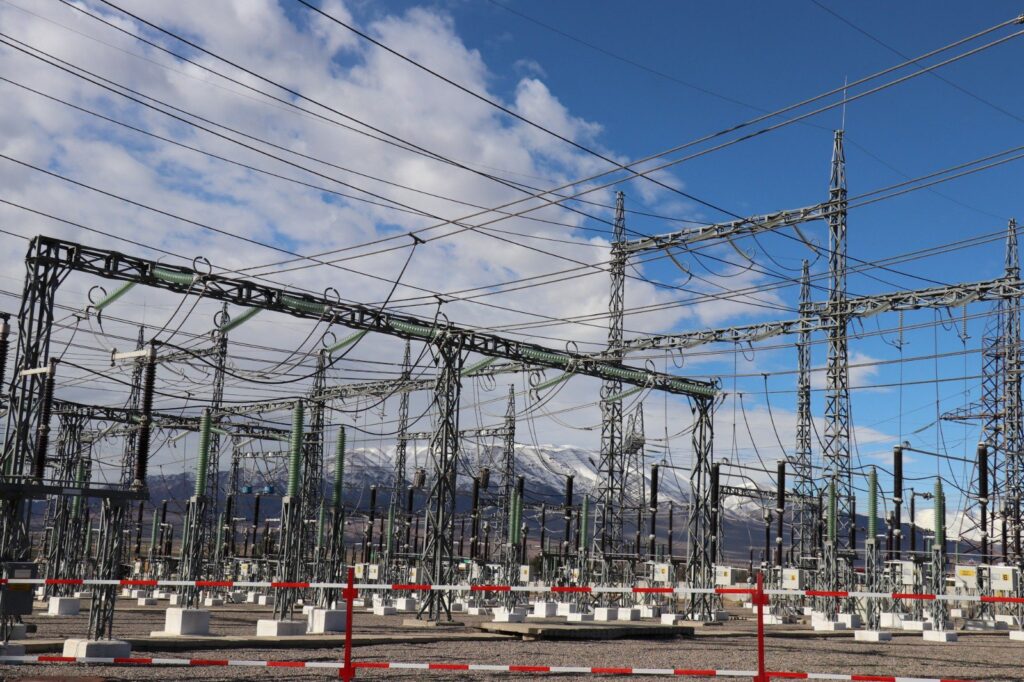
On January 22, the World Bank’s Board of Executive Directors approved the 10-year Regional Electricity Market Interconnectivity and Trade (REMIT) Program, an ambitious initiative to establish Central Asia’s first regional electricity market. The program aims to boost cross-border electricity trade, expand transmission capacity, and lay the foundation for large-scale renewable energy integration across the region.

Electricity demand in Central Asia is projected to triple by 2050 under a business-as-usual scenario. Yet electricity trade in the region currently accounts for only 3% of total demand. The REMIT Program seeks to harness Central Asia’s diverse and complementary energy resources: hydropower in Kyrgyzstan and Tajikistan, thermal power from coal and natural gas in Kazakhstan, Turkmenistan, and Uzbekistan, and the region’s rapidly expanding solar and wind potential.

Over the next decade, REMIT aims to:

  • Increase regional electricity trade to at least 15,000 GWh annually, enough to supply millions of consumers
  • Triple regional transmission capacity to 16 GW
  • Enable up to 9 GW of clean energy integration

The initiative is designed to enhance regional energy security, reduce power outages, lower electricity costs, and promote a more resilient and interconnected grid system.

Total indicative financing for the program is $1.018 billion, to be deployed in three phases. These funds will support the creation and operation of a regional energy market, boost transmission infrastructure, introduce digital technologies to improve grid reliability, and strengthen regional energy institutions and coordination mechanisms. Investments are also expected to generate both construction-related employment and high-skilled jobs tied to market operations.

In the program’s first phase, Kyrgyzstan, Tajikistan, Uzbekistan, and the Central Asian Countries’ Coordinating Dispatch Center (CDC) Energia will benefit from grants and concessional financing totaling $143.2 million. This comprises $140 million from the World Bank’s International Development Association (IDA) and $3.2 million from the Central Asia Water and Energy Program (CAWEP).

“The REMIT Program supports Central Asian countries’ ambition to deepen energy cooperation and create a regional electricity market,” said Najy Benhassine, World Bank Regional Director for Central Asia. “This will enable more efficient use of energy resources, including cross-border deployment of clean energy, improve access to reliable and affordable electricity, and support jobs. By 2050, stronger regional connectivity could generate up to $15 billion in economic benefits.”

Charles Cormier, World Bank Regional Infrastructure Director for Europe and Central Asia, added that REMIT will advance energy security and unlock private sector investment. “The first phase alone is expected to enable about 900 MW of new clean energy capacity, leveraging $700 million in private investment. This will pave the way for a more resilient and interconnected power system across this dynamic region,” he said.

CDC Energia will lead the implementation of market and institutional activities, while national transmission companies will be responsible for infrastructure investments.