Kazakhstan has channeled 6.16 billion cubic meters of water into the Caspian Sea since the beginning of 2026 as regional governments confront mounting concerns over the long-term decline of the world’s largest inland body of water.
The figure was announced by Water Resources and Irrigation Minister Nurzhan Nurzhigitov, who said more than 35 billion cubic meters of water had been channeled into the Caspian Sea over the past two and a half years.
Nearly half of that volume, more than 17 billion cubic meters, came from floodwaters redirected from the Zhaiyk, or Ural, River during the severe spring floods that affected northern and western Kazakhstan in 2024.
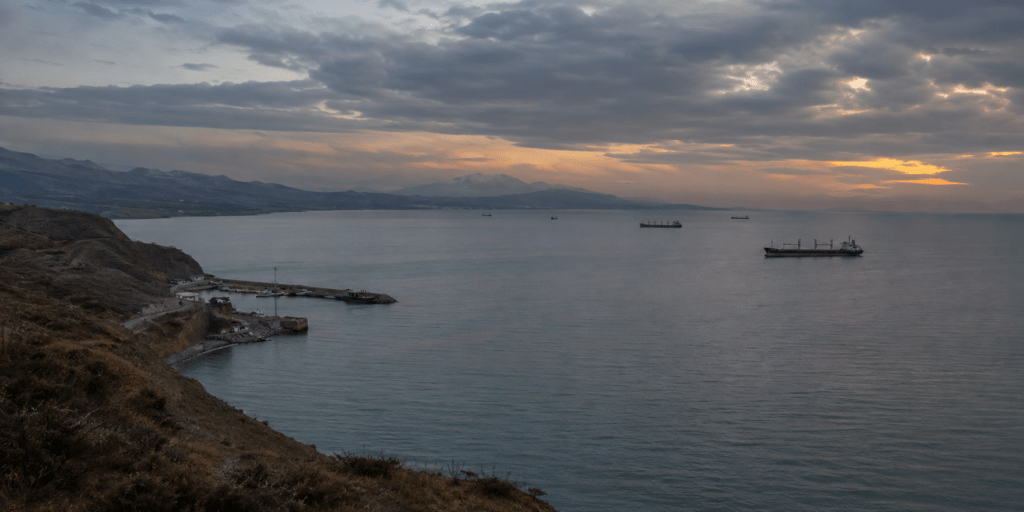
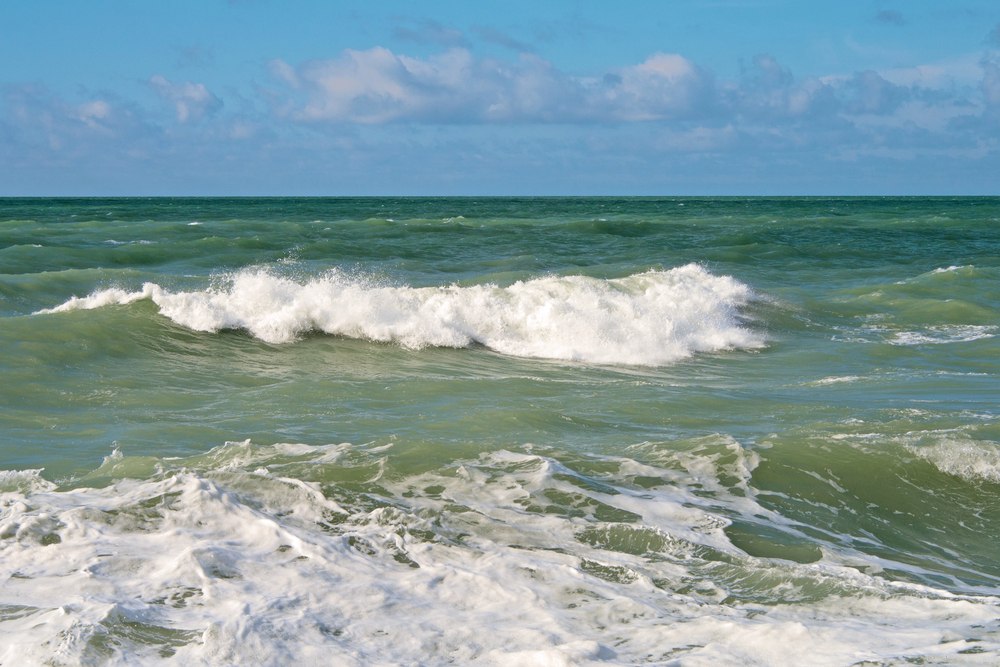
The Caspian Sea, bordered by Azerbaijan, Iran, Kazakhstan, Russia and Turkmenistan, has experienced a sustained decline in water levels in recent decades, raising concerns about both environmental degradation and economic losses across the region.
TCA has previously reported that the Caspian Sea fell to its lowest recorded level in July last year, with the northern basin bordering Kazakhstan and Russia shrinking particularly rapidly. This poses both ecological and economic risks, including pressure on marine ecosystems, port infrastructure, fisheries and coastal settlements.
According to the United Nations Environment Programme, there is increasing evidence that water levels in the Caspian could continue to fall significantly over the next half-century.
Researchers say the decline is driven by a combination of factors, including reduced river inflows, changing precipitation patterns and increasing evaporation linked to rising temperatures and shifting wind regimes.
Historically, the Caspian Sea has experienced substantial fluctuations in water levels. During the 20th century alone, levels varied by more than three meters. After reaching a historic low in 1977, the sea recovered by approximately 2.5 meters between 1978 and 1995 before entering another prolonged decline. UNEP researchers note that the downward trend has accelerated since 2006.
Scientists stress that coordinated regional research is needed to better understand the interaction between climate change, river discharge, water consumption, evaporation and other factors influencing the Caspian’s future.
The challenge has prompted increasing calls for cooperation among the five littoral states. Such collaboration is formally guided by the Framework Convention for the Protection of the Marine Environment of the Caspian Sea, commonly known as the Tehran Convention, which was signed by all five countries in 2003 and entered into force in 2006.
Kazakhstan has also sought to frame water management as a broader strategic issue. The Ministry of Water Resources and Irrigation says the country’s updated Water Code requires industrial enterprises to prepare five-year plans for switching to recycled water supply, while the pace of introducing water-saving irrigation technologies rose from about 30,000 hectares a year before 2024 to 150,000 hectares annually in 2024 and 2025.