Foreign direct investment remains one of Uzbekistan’s key tools for supporting sustainable economic growth. The country is expanding capital inflows to finance large-scale projects in the power sector, industry, and infrastructure.
According to the Eurasian Development Bank (EDB), accumulated investment in Uzbekistan from countries in the Eurasian region, China, the Gulf states, and Turkey reached $32.9 billion in 2025, 2.6 times the 2020 level. Over the five-year period, the total rose by more than $20 billion, making Uzbekistan one of the most active investment destinations in Eurasia.
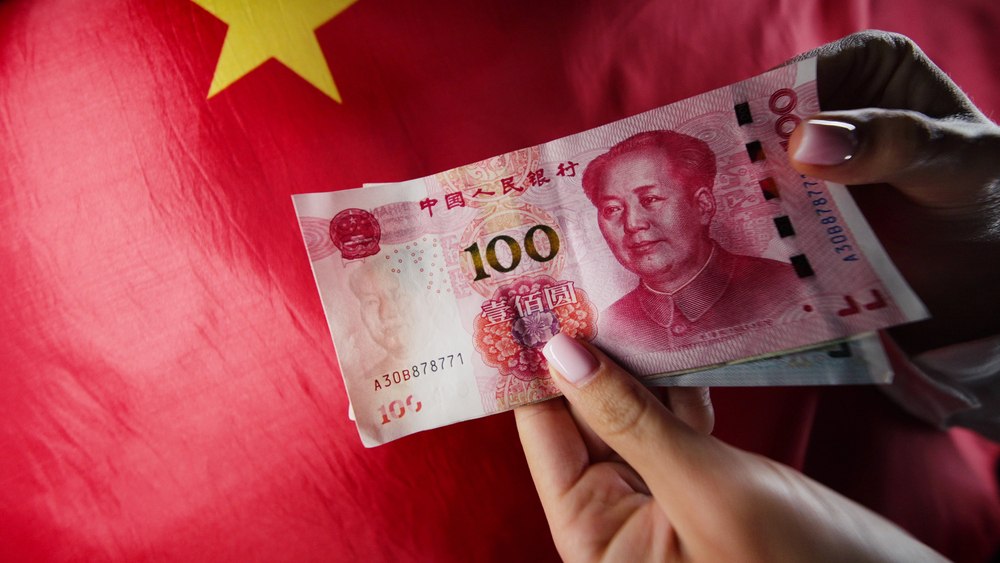
China remains the largest investor in Uzbekistan’s economy, with accumulated investment reaching $10.7 billion, more than five times the level recorded five years earlier. More than half of Chinese investment was directed into the power sector, mainly solar and wind energy projects. More than $3.3 billion went into industrial projects, including petrochemicals, automotive manufacturing, and construction materials production.
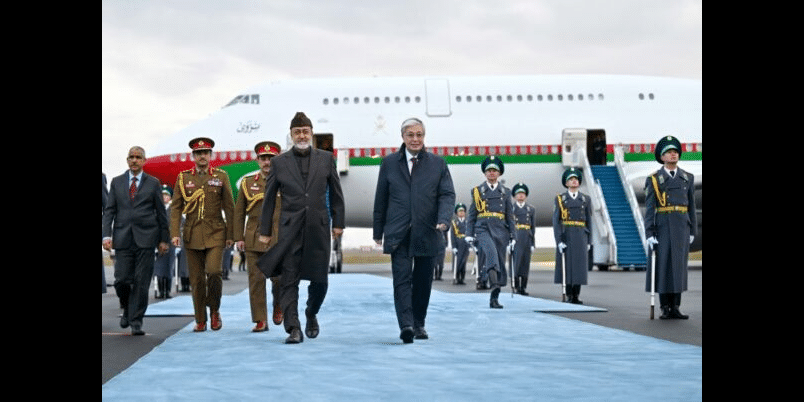
The Gulf states recorded the fastest investment growth in Uzbekistan. Over five years, investment volumes rose nearly 19 times to $8.3 billion. Around 90% of these funds are concentrated in power generation and renewable energy projects. The largest investors include ACWA Power, with projects worth $4 billion, as well as Masdar and the Uzbek-Oman Investment Company.
Turkey increased its investment in Uzbekistan 5.5 times to $3.1 billion, mainly in the power and manufacturing sectors. Among the leading Turkish investors is Aksa Energy, which is building thermal power plants across several regions of the country. Other Turkish firms are involved in beverage production, construction materials, and cement manufacturing.
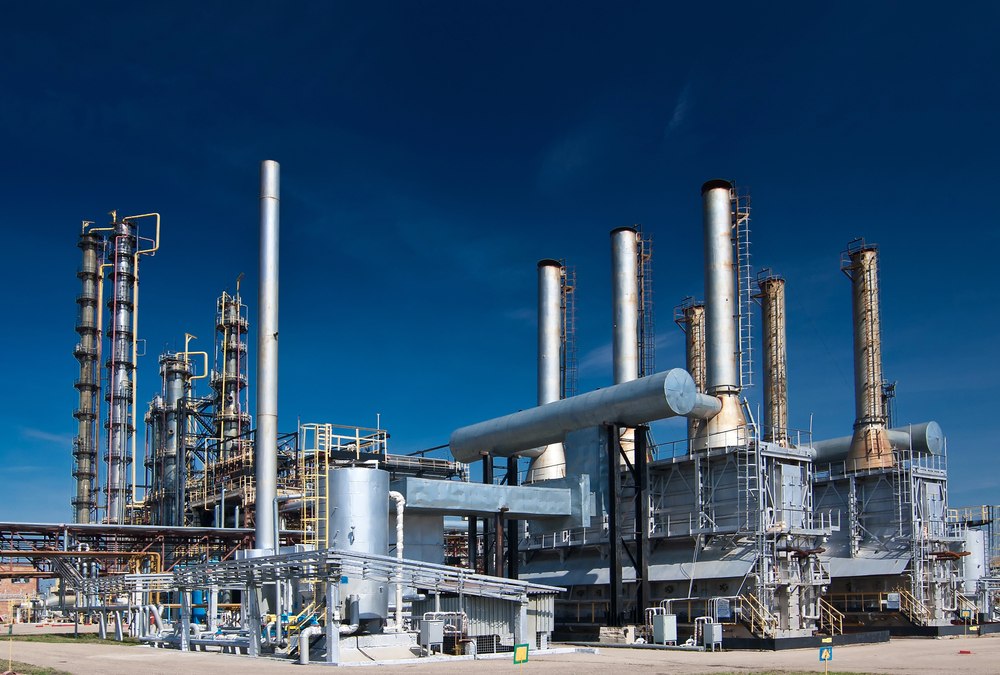
Thirteen countries in the Eurasian region, including the Commonwealth of Independent States, Georgia, Mongolia, and Ukraine, invested $10.8 billion in Uzbekistan, primarily in oil, gas, and petrochemicals. Russia remains the largest source of investment among these countries. Kazakhstan’s role has also expanded, with its investment in Uzbekistan rising more than 11 times to nearly $700 million.
Speaking at the 5th Tashkent International Investment Forum on June 17, Uzbekistan’s President Shavkat Mirziyoyev said the country had attracted more than $150 billion in foreign investment over recent years, including $123 billion over the past five years.
According to Uzbekistan’s Ministry of Investment, Industry and Trade, the total volume of investments implemented in the country in 2025 reached $43.1 billion, up 24% from the previous year. The ministry said foreign direct investment accounted for $38.2 billion, while funding from international financial institutions totaled $4.9 billion.
In its macroeconomic outlook for 2026-2028, the EDB forecasts that Uzbekistan’s economy will grow by around 6.8% in 2026, supported by strong investment activity and favorable gold prices. Inflation is expected to continue declining toward the Central Bank of Uzbekistan’s target and may slow to 6.7% by the end of 2026. The EDB also said the national currency would be supported by high remittance levels and growth in metal exports.