• KGS/USD = 0.01144 0%
  • KZT/USD = 0.00213 0%
  • TJS/USD = 0.10607 0.57%
  • UZS/USD = 0.00008 0%
  • TMT/USD = 0.28530 0%
  • KGS/USD = 0.01144 0%
  • KZT/USD = 0.00213 0%
  • TJS/USD = 0.10607 0.57%
  • UZS/USD = 0.00008 0%
  • TMT/USD = 0.28530 0%
  • KGS/USD = 0.01144 0%
  • KZT/USD = 0.00213 0%
  • TJS/USD = 0.10607 0.57%
  • UZS/USD = 0.00008 0%
  • TMT/USD = 0.28530 0%
  • KGS/USD = 0.01144 0%
  • KZT/USD = 0.00213 0%
  • TJS/USD = 0.10607 0.57%
  • UZS/USD = 0.00008 0%
  • TMT/USD = 0.28530 0%
  • KGS/USD = 0.01144 0%
  • KZT/USD = 0.00213 0%
  • TJS/USD = 0.10607 0.57%
  • UZS/USD = 0.00008 0%
  • TMT/USD = 0.28530 0%
  • KGS/USD = 0.01144 0%
  • KZT/USD = 0.00213 0%
  • TJS/USD = 0.10607 0.57%
  • UZS/USD = 0.00008 0%
  • TMT/USD = 0.28530 0%
  • KGS/USD = 0.01144 0%
  • KZT/USD = 0.00213 0%
  • TJS/USD = 0.10607 0.57%
  • UZS/USD = 0.00008 0%
  • TMT/USD = 0.28530 0%
  • KGS/USD = 0.01144 0%
  • KZT/USD = 0.00213 0%
  • TJS/USD = 0.10607 0.57%
  • UZS/USD = 0.00008 0%
  • TMT/USD = 0.28530 0%

Tashkent Choked by Smog: What 2025 Revealed and How Residents Are Responding

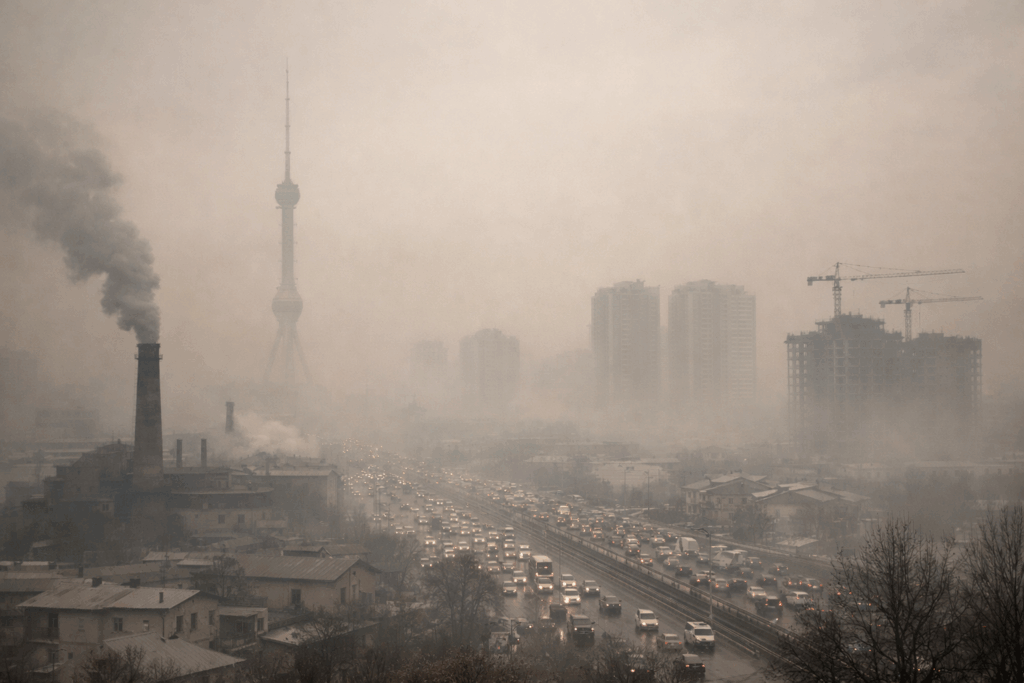
The year 2025 proved especially challenging for air quality in Uzbekistan’s capital, with Tashkent repeatedly ranking among the world’s most polluted cities during peak smog episodes. At times, short-term air quality readings placed it alongside major Asian megacities during severe pollution spikes.

These rankings were more than just statistics. Thick smog became a daily reality for residents, disrupting everyday life and intensifying concerns over public health and long-term environmental sustainability.

Coal, Cars, and Construction: What’s Fueling the Smog

Officials from Uzbekistan’s Ministry of Ecology and independent environmental researchers say Tashkent’s air pollution is primarily caused by human activity.

The heaviest blow came from municipal furnaces and boiler houses. Amid ongoing natural gas shortages, many public facilities, including schools, kindergartens, and hospitals, were converted to coal or fuel oil, resulting in a surge of emissions. Uzbekistan’s coal consumption jumped from 3.9 million tons in 2019 to 6.7 million tons in 2023.

Emissions from these sources accumulate in the lower atmosphere during the cold season, exacerbating pollution.

Vehicle emissions are another major contributor. Tashkent has approximately 193 vehicles per 1,000 residents, roughly double the national average. Many cars run on low-octane AI-80 gasoline, which contains high levels of harmful impurities. While coal use has surged, vehicle emissions remain a serious issue. In 2019, motor transport accounted for the majority of urban air emissions in several districts of the city.

Adding to the problem are industrial plants on the city’s outskirts, frequent dust storms during dry seasons, and unregulated urban development. High-rise construction has created wind barriers that disrupt air circulation, while green spaces, Tashkent’s natural air filters, have steadily disappeared. Despite an official moratorium on tree cutting, official and environmental group estimates indicate that around 49,000 trees have been felled since 2019, often by developers who face only minimal penalties.

According to Uzbekistan’s Ministry of Ecology, PM2.5 concentrations in Tashkent routinely exceed World Health Organization guidelines. During peak smog episodes in early February 2024, pollutant levels were recorded at up to 22 times the WHO’s recommended annual limits. These fine particles penetrate deep into the lungs, triggering allergies, inflammation, and cardiovascular issues. A 2019 World Bank report cited air pollution as the cause of 89 deaths per 100,000 people in Uzbekistan, the highest rate in Central Asia. Winter smog episodes have intensified since then.

Living Under a Haze: Residents Speak Out

For many Tashkent residents, smog has become part of everyday life. People commonly report throat and eye irritation, a constant dusty haze, and difficulty breathing.

“It’s dusty and hard to breathe, you feel it all the time,” said Victoria Son, 18, a student at Bucheon University.

Karina Sagidullina, 19, a videographer and programmer with severe dust allergies, said the polluted air significantly affects her health. “My nose often gets blocked, I sneeze a lot. I have to do wet cleaning at home every day,” she said.

Some residents, however, say they are less affected. “So far, I don’t really feel the air pollution. I breathe normally and don’t wear a mask,” said Toligen Nuriddinov, 22.

Others find the situation increasingly difficult. “There’s nothing to breathe. The air is very polluted, that’s why I left,” said Rufina Aminova, 19, an e-business student.

Kristina Lee, 19, described similar conditions: “It’s dusty, smoggy, hard to breathe, especially if you stay outside for a long time.”

Davud Kobulov, 25, an electrical fitter, noted that air quality varies by season. “Tashkent is very dusty. Your nose gets clogged, the air feels toxic. But in winter, when there’s precipitation, it becomes easier, the air feels fresher,” he said.

Young Activists Push for Change

Until recently, air pollution attracted little public attention in Uzbekistan. But in 2025, youth-led environmental movements pushed the issue into the national spotlight.

Student groups launched grassroots campaigns, planting trees, distributing face masks, and promoting cycling over driving. Some young developers began experimenting with mobile tools to track air quality, while universities formed student clubs focused on sustainability and urban greening.

In a rare alignment, the government has supported these initiatives. Uzbekistan designated 2025 as the Year of Environmental Protection and the “Green” Economy, and adopted a national strategy to engage young people in climate action.

Government Response and Public Expectations

Mounting public pressure has pushed the government to address the issue. Until recently, Uzbekistan lacked a formal PM2.5 standard or a comprehensive air protection plan. That is now beginning to change.

In its updated Third Nationally Determined Contribution (NDC), Uzbekistan pledged to expand renewable energy production and raise installed capacity to 25,000 megawatts by 2030.

The Ministry of Ecology has introduced a 12-point plan to combat air pollution. Key proposals include:

  • Establishing a “green belt” of forest plantations around Tashkent
  • Mandating gas and dust filtration at industrial sites
  • Strengthening air quality monitoring
  • Banning the sale of AI-80 gasoline
  • Restricting fuel oil use to emergencies
  • Phasing out pre-2010 vehicles
  • Increasing penalties for illegal tree cutting
  • Launching a nationwide tree-planting campaign with a goal of 200 million new plantings

Officials describe these steps as part of an evolving policy response rather than a single, fully implemented program.

Many Tashkent residents say they hope the city’s air pollution will improve, particularly during the winter months, when smog levels are often at their worst.
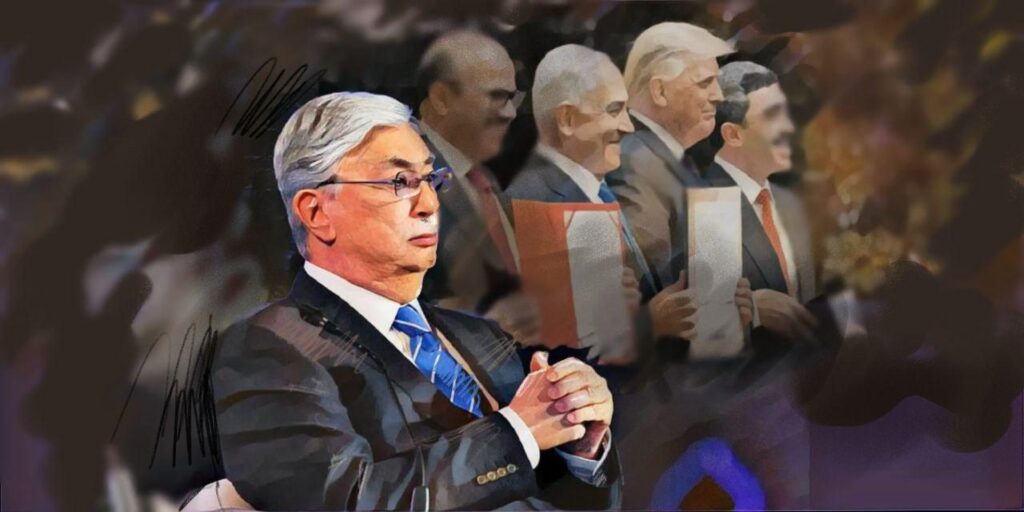

Kazakh Diplomacy: Why Tokayev Aligned Kazakhstan With the Abraham Accords

On November 6, 2025, President Kassym-Jomart Tokayev confirmed that Kazakhstan had formally acceded to the Abraham Accords, aligning the Central Asian state with the U.S.-brokered diplomatic framework. Launched during Trump’s first presidential term, the Abraham Accords seek to expand diplomatic normalization between Israel and Muslim-majority states. Initially signed in September 2020 by Israel and the United Arab Emirates, and separately by Israel and Bahrain, the Abraham Accords were later expanded to include Morocco and Sudan.

Within the broader Abraham Accords framework, Washington continues to seek Saudi Arabia’s participation, a step viewed as diplomatically significant given the kingdom’s custodianship of two of Islam’s holiest sites. However, the process was derailed following the outbreak of the Gaza war in late 2023, triggered by a Hamas attack on Israel. Riyadh has since insisted that normalization can only proceed once there is meaningful progress toward establishing a Palestinian state.

Kazakhstan, a secular state with a Muslim-majority population, has maintained diplomatic ties with Israel since April 1992. Embassies were opened in 1996, and bilateral relations have expanded steadily, including in trade, defense, and humanitarian fields. In 2016, Israeli Prime Minister Benjamin Netanyahu visited Kazakhstan, highlighting the strength of this relationship. These longstanding ties help explain why Kazakhstan’s accession did not mark a shift in its bilateral relationship with Israel.

Because Kazakhstan established full diplomatic relations with Israel decades ago, several analysts have described the country’s accession to the Abraham Accords as largely symbolic. Uzbek political scientist Kamoliddin Rabbimov argues that the decision was a calculated gesture rather than a shift in Kazakhstan’s geopolitical orientation.

“The question arises: is Kazakhstan really ready to weaken its relations with China, Turkey, and Russia in order to join the American-Israeli alliance? I don’t think so,” Rabbimov said. “President Tokayev most likely just formally supported Trump’s initiative by saying ‘yes’ without putting any real geopolitical meaning into it. Nevertheless, even such a ‘yes’ is capable of slightly upsetting the balance in Kazakhstan’s foreign policy.”

Giorgio Cafiero, the CEO of Washington-based Gulf State Analytics, views the move as strategic positioning. “Given the Trump administration’s determination to expand the scope of the Abraham Accords, this move by Kazakhstan was a relatively easy way to win the White House’s favor.”

German analysts at Kettner Edelmetalle emphasize Kazakhstan’s natural resource wealth as a key factor. “The country has significant deposits of minerals and rare earth elements, resources that are indispensable for modern technologies. By strengthening ties with Washington, Astana apparently hopes to attract more American investment in this strategically important sector.”

Eldar Mamedov, non-resident fellow at the Queens Institute and a former senior advisor to the European Parliament, views the development through the lens of geopolitical balancing. “The Abraham Accords are merely a tool in Astana’s deliberate efforts to diversify its geopolitical dependence on Moscow and strengthen its strategic relations with the United States,” he writes. “Perceiving them as the beginning of a new, ideologically defined bloc misinterprets the fundamentally pragmatic and self-interested nature of Kazakhstan’s calculations.”

Kazakhstan’s accession to the Abraham Accords reflects Tokayev’s broader effort to balance relations with major powers. While it may not represent a dramatic reorientation of foreign policy, the move raises Kazakhstan’s diplomatic profile in Washington without signaling a fundamental shift in its multi-vector foreign policy.

Epiphany in Central Asia: Orthodox Traditions and Regional Unity

On the night of January 18-19, Orthodox Christians across Central Asia gather at frozen rivers and lakes to celebrate the feast of Epiphany by plunging into icy waters, three times each, in line with tradition. Though rooted in the Christian faith, this ritual has evolved into a broader cultural event, drawing participation from people of many backgrounds.

A Test of Faith and Endurance

In Central Asia, Epiphany coincides with some of the coldest days of the year, often referred to as the “Epiphany frosts.” Despite subzero temperatures, participation in ice bathing continues to grow.

According to Orthodox tradition, Epiphany commemorates the baptism of Jesus in the River Jordan. While the climate in Israel was mild, believers in the region embrace the symbolic cleansing despite the extreme cold.

The Orthodox Church does not consider ice bathing a requirement for the faithful. Instead, the central ritual of the holiday is the Great Blessing of Water, performed both on Epiphany and the evening before. Priests encourage believers to collect holy water from churches, sprinkle it throughout their homes, and drink it in small amounts on an empty stomach. Many believe this brings health and protection for the year ahead.

Nevertheless, in the main Orthodox churches of Central Asia, fonts and pools are prepared for those who wish to immerse themselves. Designated ice holes are also opened in lakes and rivers for traditional bathing.

Strict Safety Measures in Kazakhstan

In Kazakhstan, authorities take extensive precautions to ensure public safety during Epiphany bathing. In Astana, the celebration began with a religious procession from the Constantine and Helen Cathedral to the embankment of the Ishim River, where the water was consecrated despite temperatures dipping to minus 30 degrees Celsius.

Warm changing rooms were provided, and teams from the Ministry of Emergency Situations, along with paramedics and rescue personnel, were on hand throughout the night.

In Almaty, where temperatures hovered around minus 15 degrees, Epiphany fonts were set up at 10 churches. Authorities reminded residents that swimming in non-designated natural bodies of water is prohibited due to the risk of slipping or falling through the ice. However, safety teams and patrols were stationed at approved bathing sites, including the Bolshaya Almatinka, Malaya Almatinka, Butakovka, Goryachiy Istochnik, and Gorenik rivers.

Officials advised those with cardiovascular or endocrine conditions to avoid the ritual and warned against participating while intoxicated.

A Cultural Tradition Embraced by Many

Over time, Epiphany bathing in Central Asia has grown beyond a strictly religious practice. In Kazakhstan, many ethnic Kazakhs and other non-Christian residents eagerly take part, viewing the ritual as a source of health and vitality. It has become a powerful symbol of interethnic and interfaith unity in the region.

While Muslim clerics typically do not encourage participation, they generally refrain from direct criticism, recognizing the tradition’s broader cultural significance. Orthodox priests also emphasize that the ritual is more custom than doctrine, open to anyone.

Some compare Epiphany bathing to the festive atmosphere of Kurban Ait, when Muslims share food in public spaces. Likewise, Orthodox Christians in Central Asia have long celebrated Nauryz, the Turkic and Persian New Year, enjoying traditional dishes such as nauryz kozhe.

Wider Regional Observance

In parts of Central Asia with milder winters, ice does not form thick enough for traditional immersion. In Tashkent, for instance, Metropolitan Vikenty of Tashkent and Uzbekistan consecrated water in a pool at the Tashkent Diocese’s Spiritual and Administrative Center.

In Kyrgyzstan, Epiphany is celebrated with particular ceremony. In the village of Sosnovka in the Zhayyl district of Chui region, hundreds, and often thousands, gather annually to plunge into the Kara-Balta River near the Church of St. Demetrius of Thessaloniki. The tradition, launched in 1995 by Father Alexander Mezentsev, has since become a regional hallmark. Tents are set up along the riverbank, and hot tea is offered to bathers.

As such, the Epiphany ice bath has evolved into more than a spiritual rite, it is now a widely embraced cultural celebration, underscoring the shared traditions and resilience of Central Asia’s diverse communities.

Central Asia Trade with China Tops Record $100 Billion in 2025

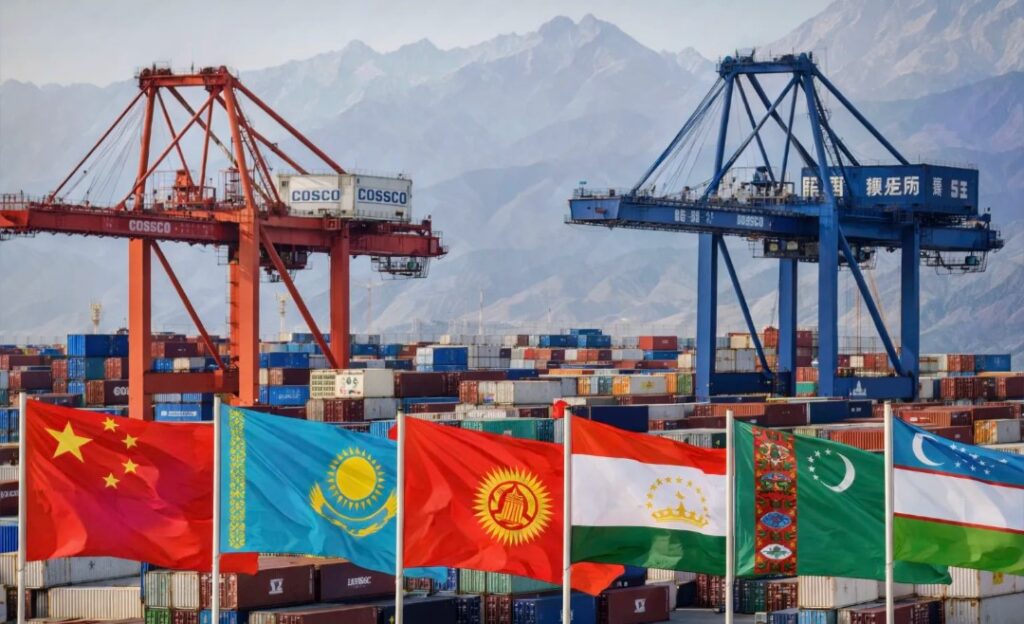
Trade between China and Central Asia increased to a record of more than $100 billion in 2025, despite challenges to global economic growth, the Chinese government said on Monday. 

Citing data from China’s General Administration of Customs, Foreign Ministry spokesman Guo Jiakun said the trade structure with the Central Asian nations of Kazakhstan, Kyrgyzstan, Tajikistan, Turkmenistan and Uzbekistan had improved and that more high-end products were entering the Chinese market from the region. 

 “As global economic growth remains sluggish and the international trading system faces serious challenges, the economic and trade cooperation between China and Central Asian countries has withstood external headwinds, and the trade volume surpassed US$100 billion,” Guo said. 

He attributed the increasing cooperation in part to a China-Central Asia summit in Astana, Kazakhstan last year that was attended by Chinese President Xi Jinping and the five Central Asian leaders. 

China’s Belt and Road initiatives, which include the development of trade routes that pass through Central Asia and link up with Europe, are also making progress, according to the Chinese official. 

Total trade between China and Central Asia was $106.3 billion in 2025, an increase of 12 percent over the previous year, China’s state-run Xinhua news agency reported. Chinese exports such as machinery, electronics and high-tech goods were $71.2 billion, an increase of 11 percent over the previous year. Imports from Central Asia amounted to $35.1 billion, a rise of 14 percent from 2024.

China is involved in major projects in Central Asia, including the extraction of minerals used for “clean” technology, equipment manufacturing and the modernization of agriculture. China imports oil and natural gas as well as a growing number of other products from the region. 

Russia was once the main trading partner of Central Asia after the fall of the Soviet Union, but China has the lead position now. The United States is also seeking to develop more trade with resource-rich Central Asia, which is diversifying its international partnerships.   


Second Malta-Flagged Vessel Hit in Black Sea as Shipping Risks Rise

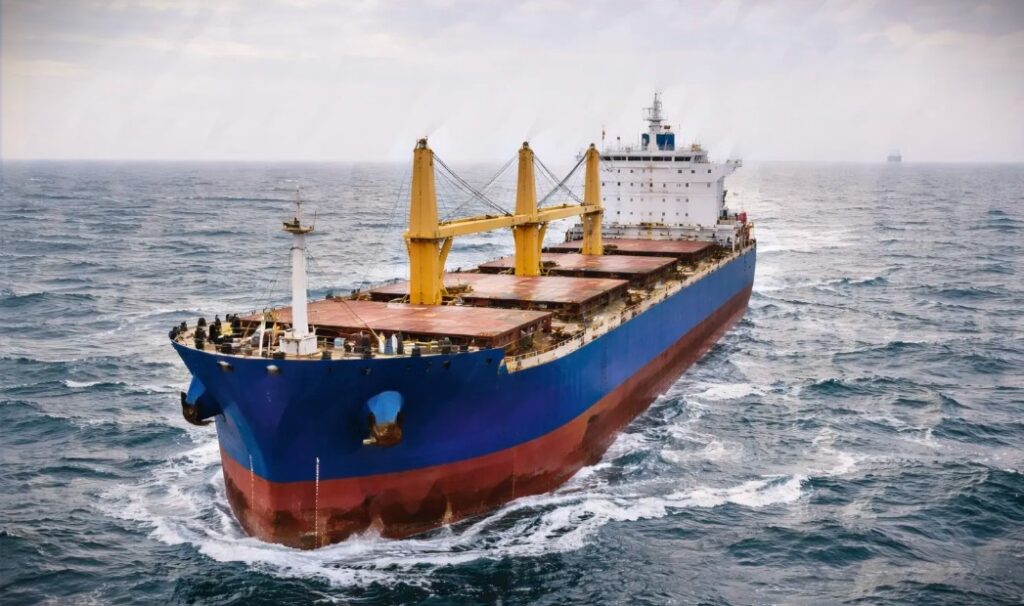
The Maltese government has officially condemned recent attacks on commercial vessels in the Black Sea after a second ship flying the Maltese flag was damaged in a missile strike. This marks the second such incident within a week involving Maltese-registered ships.

A spokesperson for Malta’s Ministry of Transport confirmed that the latest vessel, a Malta-flagged commercial ship, sustained minor shrapnel damage during a missile strike targeting port infrastructure in the Black Sea. The ship remains seaworthy, although one crew member was injured.

The earlier incident involved the Matilda, an oil tanker also registered in Malta and chartered by the Kazakh shipping company Kazmortransflot, a subsidiary of state-owned KazMunayGas. On January 13, according to a statement from the Russian Foreign Ministry, the Matilda was struck by two Ukrainian drones.

In 2025, Kazmortransflot increased its transport volumes by more than 15% compared to 2024, reaching 51,400 DFE. The growth was attributed to rising demand for shipping along the Trans-Caspian International Transport Route.

Both incidents occurred near the CPC marine terminal outside Novorossiysk.

In a statement, Malta’s Ministry of Transport emphasized that attacks on commercial shipping present a serious threat to civilian seafarers, global shipping safety, and the uninterrupted flow of legitimate international trade. The ministry also noted that commercial vessels operating in conflict zones are increasingly exposed to elevated operational and insurance risks, even when transporting cargo fully compliant with international sanctions.

The attacks near the CPC marine terminal have already had a measurable economic impact on shipping and energy exports. As of December 2025, insurance rates for merchant ships operating in the Black Sea had risen to 1% of a vessel’s value, up from 0.75% and 0.25% during more stable periods. Ships operating in areas of active military conflict are typically insured per voyage rather than annually, significantly raising operating expenses.

Shipping and insurance analysts say the rise in insurance premiums is reducing profit margins on oil and petroleum product exports in the region.

Although Kazakhstan’s export volumes have not yet been directly affected, traders and shippers are increasingly factoring geopolitical and logistical risks into their strategies. Repeated disruptions near one of Eurasia’s critical energy hubs are heightening concerns about the reliability of supply routes, especially given limited alternatives.

Kazakhstan has already begun restructuring its oil export network due to disruptions at the CPC, its primary crude oil export channel. Authorities have turned to alternative infrastructure to maintain output and avoid production slowdowns.

Russian Philosopher Sparks Outrage by Questioning Sovereignty of Former Soviet States

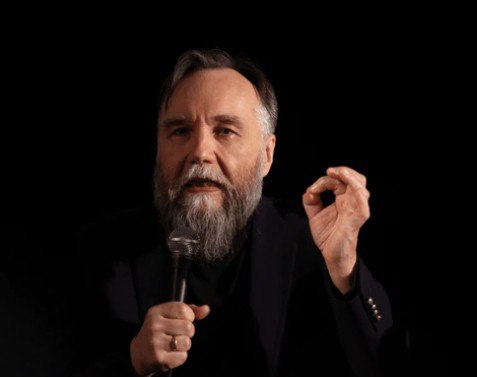
A fresh wave of controversy has erupted in Central Asia after Russian philosopher and political theorist Alexander Dugin publicly questioned the sovereignty of several post-Soviet states, including Uzbekistan. A video fragment of Dugin’s recent remarks circulated widely online, prompting strong backlash from regional analysts and commentators.

In the recording, Alexander Dugin, founder of the International Eurasian Movement and often described as the ideologue of the so-called “Russian world,” said that national sovereignty should no longer apply to former Soviet republics. He specifically named Armenia, Georgia, Azerbaijan, Kazakhstan, Uzbekistan, Tajikistan, and Kyrgyzstan as states that, in his view, should not exist independently under any future political order.

“Nothing sovereign can exist in this new model. That’s it. Sovereignty is over. National states are a thing of the past. This is garbage,” Dugin said, adding that “it is impossible to agree with the existence of a sovereign Uzbekistan.”

Backlash from Uzbek Analysts

Dugin’s remarks prompted immediate criticism in Uzbekistan. Journalist Ilyos Safarov described the comments as part of a broader ideological pattern rather than an isolated statement.

“Yesterday it was Solovyov calling for a ‘special military operation’ in Central Asia. Today it is Dugin denying our sovereignty,” Safarov said. “This shows that post-imperial thinking is still alive in certain Russian political circles.”

He warned that ignoring such rhetoric could further embolden these narratives. “Silence is often interpreted not as diplomacy, but as weakness. If these ideas are left unanswered, they begin to look acceptable to a wider audience,” Safarov said, noting that even unofficial figures can influence public discourse and political attitudes in Russia.

Zavqibek Mahmudov, an associate professor at the Abdulla Avloniy National Institute of Pedagogical Excellence, echoed these concerns. He argued that ideological declarations, even from non-state actors, can translate into real-world political agendas.

“History shows that radical political projects often begin with philosophical justifications,” Mahmudov said. He criticized Dugin’s rhetoric as part of a political chauvinism that categorizes countries as either “real” or “artificial.” “When the existence of an entire nation is questioned, this is no longer academic debate, it is a direct challenge to international law and the principle of sovereign equality.”

Mahmudov called for a coordinated legal and diplomatic response from all the countries mentioned in Dugin’s remarks. “A collective stance would be far more effective than individual national responses,” he noted.

Official Distancing from Moscow

The controversy follows recent remarks by Russian television host Vladimir Solovyov, who had floated the possibility of military action in Central Asia. That incident prompted a response from Russia’s Foreign Ministry. On January 16, ministry spokesperson Maria Zakharova stated that Solovyov’s views did not represent official Russian policy and reaffirmed that Moscow’s relationships with Central Asian countries are grounded in “partnership and respect for sovereignty.”

Despite this distancing, analysts caution that repeated rhetorical assaults on Central Asian sovereignty, whether from state actors or affiliated intellectuals, may reflect deeper ideological currents that could have lasting consequences for regional stability.