• KGS/USD = 0.01144 0%
  • KZT/USD = 0.00192 -0%
  • TJS/USD = 0.10879 0.28%
  • UZS/USD = 0.00008 0%
  • TMT/USD = 0.28571 0%
  • KGS/USD = 0.01144 0%
  • KZT/USD = 0.00192 -0%
  • TJS/USD = 0.10879 0.28%
  • UZS/USD = 0.00008 0%
  • TMT/USD = 0.28571 0%
  • KGS/USD = 0.01144 0%
  • KZT/USD = 0.00192 -0%
  • TJS/USD = 0.10879 0.28%
  • UZS/USD = 0.00008 0%
  • TMT/USD = 0.28571 0%
  • KGS/USD = 0.01144 0%
  • KZT/USD = 0.00192 -0%
  • TJS/USD = 0.10879 0.28%
  • UZS/USD = 0.00008 0%
  • TMT/USD = 0.28571 0%
  • KGS/USD = 0.01144 0%
  • KZT/USD = 0.00192 -0%
  • TJS/USD = 0.10879 0.28%
  • UZS/USD = 0.00008 0%
  • TMT/USD = 0.28571 0%
  • KGS/USD = 0.01144 0%
  • KZT/USD = 0.00192 -0%
  • TJS/USD = 0.10879 0.28%
  • UZS/USD = 0.00008 0%
  • TMT/USD = 0.28571 0%
  • KGS/USD = 0.01144 0%
  • KZT/USD = 0.00192 -0%
  • TJS/USD = 0.10879 0.28%
  • UZS/USD = 0.00008 0%
  • TMT/USD = 0.28571 0%
  • KGS/USD = 0.01144 0%
  • KZT/USD = 0.00192 -0%
  • TJS/USD = 0.10879 0.28%
  • UZS/USD = 0.00008 0%
  • TMT/USD = 0.28571 0%
12 December 2025

Central Asia Launches Joint Initiative to Eliminate Tuberculosis by 2030

All five Central Asian nations have launched a regional campaign titled “Central Asia Free of Tuberculosis” with the ambitious goal of eliminating tuberculosis (TB), including drug-resistant strains, across the region by 2030, according to Turkmenportal. The initiative is led by the WHO Regional Office for Europe and supported by international health organizations.

Health ministers and senior officials from Kazakhstan, Kyrgyzstan, Tajikistan, Turkmenistan, and Uzbekistan convened in Astana to formally launch the campaign and sign a joint declaration. The agreement outlines commitments to work closely with the World Health Organization (WHO), the Stop TB Partnership, the Global Fund, civil society organizations, and other partners.

Over the past decade, the five countries have made significant strides in combating TB through the introduction of new treatments and improved disease surveillance systems. The new initiative aims to accelerate these efforts toward total eradication.

Key Objectives of the Initiative Include:

  • Testing Coverage: Ensure that at least 95% of all new and recurrent TB cases are diagnosed using rapid WHO-recommended diagnostic tools, which are already in place across the region.
  • Treatment Expansion: Broaden access to shorter, injection-free treatments for drug-resistant TB, which have demonstrated success rates of over 85%.
  • Vaccine Preparedness: Prepare national health systems for the rollout of new TB vaccines once they become available.
  • Primary Healthcare Integration: Incorporate TB diagnosis and treatment into each country’s primary healthcare system, with support from WHO’s Primary Health Care Centre in Almaty.

WHO Regional Director Dr. Hans Kluge commended the political leadership demonstrated by the Central Asian governments. He emphasized that the region is now closer than ever to achieving TB elimination but must sustain its commitment through continued investments and stigma-reduction efforts to ensure equitable access to care.

The regional strategy is expected to yield significant results by 2027 and will serve as a framework for monitoring and accelerating progress toward TB elimination in Central Asia.

Russian Eco-Blogger to Fund Forest Restoration in Northern Kazakhstan

A major reforestation campaign will launch later this month on the northwestern outskirts of Petropavlovsk, near the Voroniy Island neighborhood, to restore forestland damaged by fire. Approximately 10,000 trees will be planted with the help of local residents, volunteers, and activists. The initiative is fully financed by Russian eco-blogger Alexei Sibirsky.

Grassroots Support and Cross-Border Solidarity

The project was initiated by concerned residents of Petropavlovsk. Local activist Dinara Omurzakova reached out to Sibirsky after learning of his successful reforestation work around Semey, in the east of the country. Sibirsky responded positively, agreeing not only to fund the purchase of seedlings and soil preparation but also to take part in the planting personally.

“I had been following Alexei for a long time. When I saw that he was involved in a similar project in East Kazakhstan, I wrote to him, and he agreed to come to us,” Omurzakova said.

Eco-Activism Without Borders

Alexei Sibirsky is among the most prominent Russian-speaking environmental bloggers, with a following in the millions. His initiatives span multiple countries, focusing on reforestation and the clean-up of water bodies. He funds these efforts through advertising and income from his eco-services platform, which offers tree planting and environmental clean-up.

Sibirsky began his environmental mission following a life-changing accident. Since then, he has implemented green projects worldwide, including several in Kazakhstan. In 2022, after Russia’s partial mobilization, he relocated to Uralsk with his family. As a gesture of gratitude for the city’s hospitality, he organized a clean-up along the Ural River. In 2024, he participated in a river clean-up in Almaty.

A Collective Effort Toward a Greener Future

The Petropavlovsk campaign will be the largest privately supported environmental initiative to date in the North Kazakhstan region. The local forestry authority will manage land preparation, while regional environmentalists, including activist Timur Zveryachenko, are also involved.

Organizers are inviting community members to join the planting on April 26 and 27.

“Every resident of our city can participate with their family and children. If this event is successful, we’ll definitely do it again,” said Omurzakova.

Reforestation as a Strategic Priority

North Kazakhstan region has one of the lowest forest coverage rates in the country, just 5.5%. The regional akimat (council) manages over 550,000 hectares of forest land. Since 2021, the region has been implementing a long-term reforestation program that runs through 2027, aiming to plant 122 million seedlings across 20,000 hectares. From 2021 to 2023 alone, 28.2 million trees were planted.

The Voroniy Island reforestation effort is not just a standalone event but part of a broader strategy to tackle one of the region’s most pressing environmental challenges. Support from both grassroots activists and private benefactors adds critical momentum to these efforts.

UN Calls on Turkmenistan to Probe Suspected Poisoning of Journalist Soltan Achilova

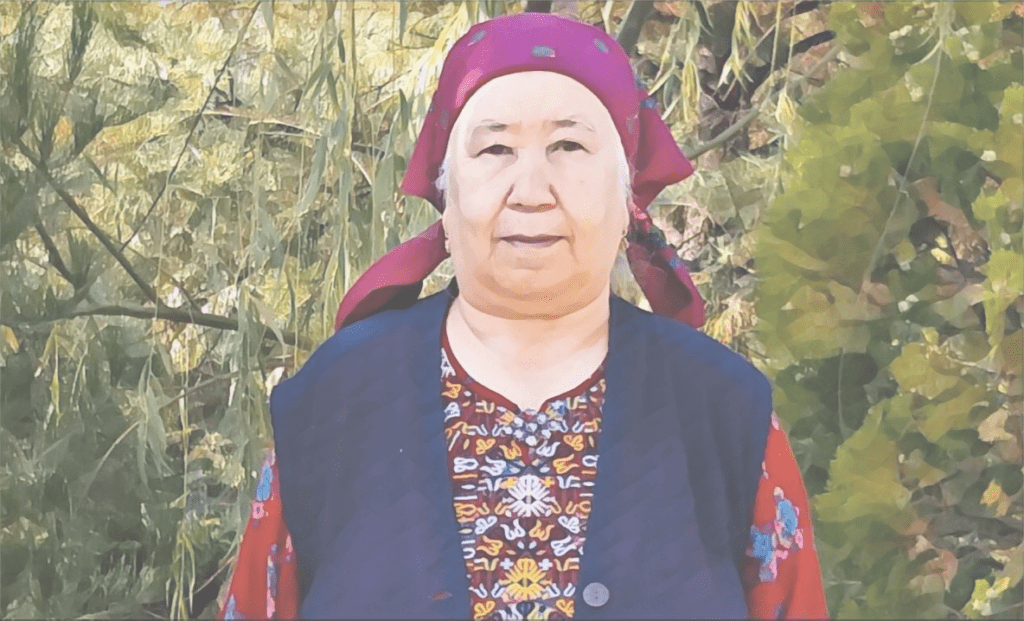
The UN Special Rapporteur on the situation of human rights defenders, Mary Lawlor, has called on Turkmenistan to launch an independent investigation into alleged attempts to poison 75-year-old journalist and human rights activist Soltan Achilova and her family members. The appeal was published on the website of the Office of the UN High Commissioner for Human Rights.

“These are extremely serious allegations which, if confirmed, would constitute a violation of Achilova’s right to life,” Lawlor stated. “Authorities have an obligation to conduct a thorough investigation and bring the perpetrators to justice.”

The alleged poisoning incident occurred in November 2024 when Achilova and her daughter were forcibly hospitalized in an infectious disease clinic on the day they were scheduled to leave the country. Phones were disconnected, and security personnel were reportedly present at the hospital, leading Lawlor to suspect a deliberate attempt to block their departure.

“The forced hospitalization of Achilova and her daughter on the day of their departure suggests an attempt to prevent them from traveling,” she said.

Lawlor also cited disturbing conditions during their detention. For the first three days, they were not given food, water, or hygiene products. “Such treatment seems to be aimed at further humiliating and intimidating them,” she added.

Long-Term Harassment and Intimidation

Achilova has endured years of state pressure, including surveillance, travel bans, and property damage. Her phone and online activities are reportedly monitored, and she has not received alternative housing or compensation since her home was demolished in 2006. In both 2017 and 2024, unknown individuals vandalized her family’s property, breaking the windows of her son’s car, but the authorities did not investigate.

“Gurbansoltan Achilova has faced years of harassment and intimidation, including previous travel restrictions, concerns that we have already raised with the government on June 19, 2020, and January 11, 2024,” Lawlor said. “Given our repeated appeals, I expect more than another letter refuting the allegations. The authorities must immediately stop all harassment and guarantee Achilova’s safety and her ability to work and travel freely.”

A Voice for Independent Journalism

Soltan Achilova is one of Turkmenistan’s last independent female journalists publishing under her real name. Since 2006, she has been subjected to repeated threats, surveillance, and attacks. In 2023, her passport was deliberately damaged before she could travel to Geneva. In another incident in November 2024, as she prepared for an international trip, unidentified men in white coats broke into her home. One reportedly seized her keys and told her, “Why do you need a key in the other world?” before forcibly taking her to a medical facility.

Repression Amid Global Scrutiny

Turkmenistan ranks among the worst countries for press freedom, placing 175th out of 180 in the 2024 World Press Freedom Index published by Reporters Without Borders. The report highlights the systematic persecution of the nation’s remaining independent journalists.

The UN continues to monitor Achilova’s case and has urged the Turkmen government to take meaningful steps to end harassment and ensure her safety. The international community is watching closely for signs of accountability and reform.

Kazakhstan to Promote Agritourism to Boost Rural Economies

Kazakhstan is taking steps to develop agritourism, with new legislation aimed at allowing farmers to engage in ecotourism on their land. According to government officials, the initiative is expected to generate jobs and raise incomes in rural areas.

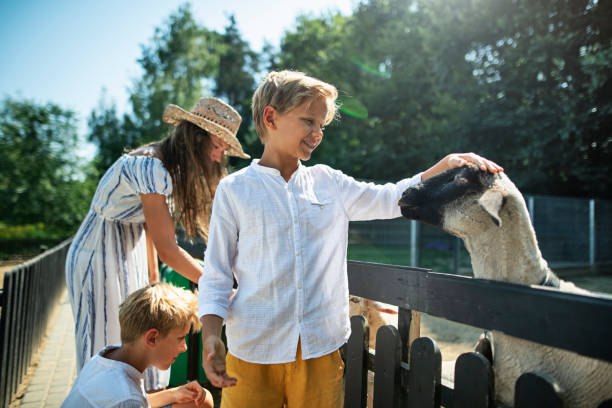
Agritourism involves urban residents visiting farms and agricultural enterprises. It typically includes two formats: passive and active. In the passive model, visitors observe farm life, interact with animals from a distance, and take part in photo shoots in fields and rural settings. The active model allows tourists to participate in agricultural activities such as caring for livestock and crops, harvesting produce, and even assisting with equipment repairs.

Minister of Tourism and Sports Yerbol Mirzabasynov announced at a recent government meeting that the draft law currently under review by the Mazhilis, the lower house of Kazakhstan’s parliament, includes provisions to support agritourism as part of broader reforms in the tourism sector.

“It is planned to grant farmers the right to engage in agritourism on their plots. Currently, there are more than 200,000 small farms across the country. This measure will create additional jobs for rural residents and improve the welfare of rural communities,” Mirzabasynov stated.

In addition to agritourism, Kazakhstan plans to promote mountain tourism. Mirzabasynov noted that a comprehensive development plan has already been drafted for the Almaty mountain cluster.

“According to international experience, the average spending by mountain tourists is about $350, compared to $50 for beach tourism,” he said. “In addition to Almaty, other regions, particularly East Kazakhstan, also have strong potential. Construction is underway on airports in Katon-Karagay and Zaisan to support this development.”

The ministry is also working on upgrading national parks to enhance ecotourism. In recent years, eight visitor centers have been constructed, with tourist trails equipped with basic infrastructure.

“Similar initiatives will be implemented in other regions to foster various types of tourism,” Mirzabasynov added. “Particularly important areas include ethno-cultural tourism, children and youth tourism, medical and wellness tourism, business travel, caravanning, and auto-tourism.”

According to the Ministry of Tourism and Sports, Kazakhstan hosted 10.5 million domestic tourists and welcomed 15.3 million foreign visitors last year.

As The Times of Central Asia previously reported, Kazakhstan introduced the Neo Nomad Visa in late 2024, allowing foreign nationals to stay in the country for up to one year.

The Ruthless History of the Great Game in Central Asia

In the so-called New Great Game, Central Asia is no longer a mere backdrop; with its strategic location, massive oil and gas reserves, and newfound deposits of critical raw materials, it’s a key player. In stark contrast to events in the 19th century, this time, Central Asia finds itself courted by four great powers – China, the EU, the U.S., and Russia – instead of caught in the crosshairs of conquest. The region finds itself with agency.

However, the original Great Game was anything but fair play. Comprising vast steppes, nomadic horsemen, descendants of Genghis Khan’s Great Horde, and a lone nation of Persians, during the 19th century, the once-thriving Silk Road states became entangled in a high-stakes battle of expansion and espionage between Britain and Russia. Afghanistan became the buffer zone, while the rest of the region fell under Russian control, vanishing behind what became known as the “Iron Curtain” for almost a century.

The term “Great Game” was first coined by British intelligence officer Arthur Conolly in the 19th century, during his travels through the fiercely contested region between the Caucasus and the Khyber. He used it in a letter to describe the geopolitical chessboard unfolding before him. While Conolly introduced the idea, it was Rudyard Kipling who made it famous in his 1904 novel Kim, depicting the contest as the epic power clash between Tsarist Russia and the British Empire over India.

Conolly’s reports impressed both Calcutta and London, highlighting Afghanistan’s strategic importance. Britain pledged to win over Afghan leaders — through diplomacy, if possible, and by force, if necessary.

The Afghan rulers found themselves caught in a barrage of imperial ambition, as the British and Russian Empires played on their vulnerabilities to serve their own strategic goals. Former Ambassador Sergio Romano summed it up perfectly in I Luoghi della Storia: “The Afghans spent much of the 19th century locked in a diplomatic and military chess match with the great powers — the infamous ‘Great Game,’ where the key move was turning the Russians against the Brits and the Brits against the Russians.”

The Great Game can be said to have been initiated on January 12, 1830, when Lord Ellenborough, President of the Board of Control for India, instructed Lord William Bentinck, the Governor-General, to create a new trade route to the Emirate of Bukhara. Britain aimed to dominate Afghanistan, turning it into a protectorate, while using the Ottoman Empire, Persian Empire, Khanate of Khiva, and Emirate of Bukhara as buffer states.

This strategy was designed to safeguard India and key British sea trade routes, blocking Russia from accessing the Persian Gulf or the Indian Ocean. Russia countered by proposing Afghanistan as a neutral zone. The ensuing conflicts included the disastrous First Anglo-Afghan War (1838), the First Anglo-Sikh War (1845), the Second Anglo-Sikh War (1848), the Second Anglo-Afghan War (1878), and Russia’s annexation of Kokand.

At the start of the Central Asian power struggle, both Britain and Russia had scant knowledge of the region’s people, terrain, or climate. The Great Game revolved around gathering intelligence, charting routes, identifying the families controlling the land, and mapping uncharted territories. Undercover agents produced maps while monitoring Russian troop movements, just as the Russians kept tabs on British activities. The contest was as much about information as it was about influence.

Stoddart and Connolly; image: Davide Mauro

The mastermind behind the phrase and policy of the Great Game, Arthur Conolly, along with his colleague Charles Stoddard, stood at the heart of high-stakes intelligence efforts that ignited intense and dramatic events.

Taking power in Bukhara in 1827, Emir Nasrullah Khan cemented his reputation as the most ruthless of the Mangit Khans. His reign was marked by bloodshed, including the execution of twenty-eight close family members, among them three of his daughters, whom he killed to preserve their virginity. Nasrullah showed no hesitation in eliminating dissent, famously splitting a courtier in half with an axe over a minor irritation. Enforcing Sharia law with brutal zeal, having his men randomly quiz citizens on Quranic verses and meting out merciless punishments for mistakes, he sank further into infamy by encouraging impoverished families to sell their children to satisfy his depraved desires.
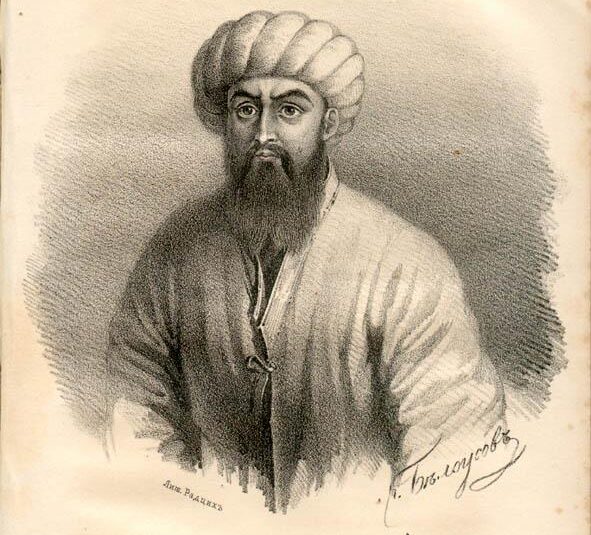
Nasrullah Khan

During the height of the Great Game, Colonel Charles Stoddart entered the court of the Bukharan Emir. His mission was both clear and ambitious. First, he sought to convince the Emir to release Russian slaves, cutting off the Tsar’s excuse for annexing Bukhara. Second, he aimed to secure a treaty of friendship with Britain. The secrecy surrounding the Bukharan court was legendary. However, Alexander Burnes — an explorer and cousin of poet Robert Burns — had documented one crucial detail: only Muslims were permitted to ride horses within the city walls.

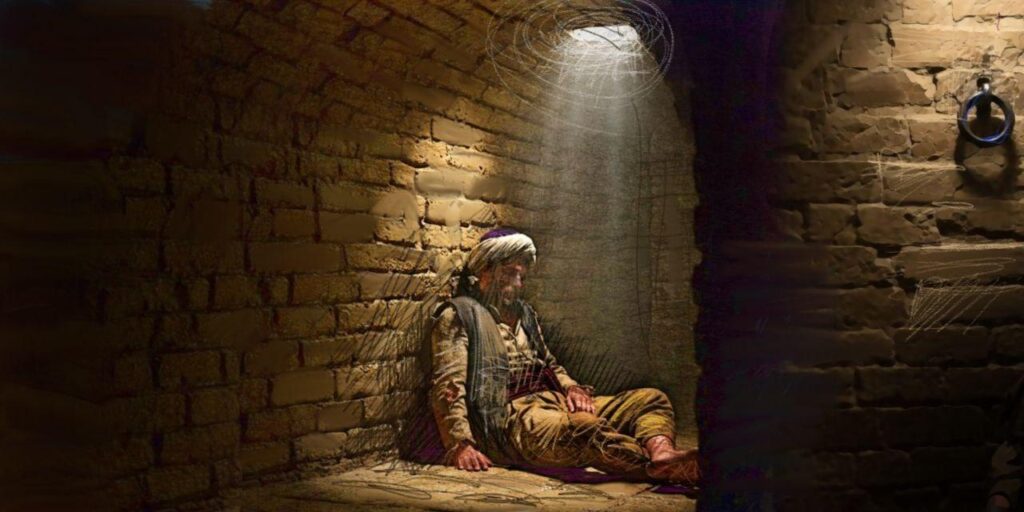
Stoddart sealed his fate with his arrogance and missteps. Staying mounted on his horse, bringing no gifts, and refusing to bow, he struck out at an attendant trying to prompt his deference. Adding insult to injury, his letter of introduction lacked the Queen’s signature. To make matters worse, Nasrullah had just received a damning dispatch from the Emir of Herat, accusing Stoddart of espionage and calling for his execution. What followed was a grim descent into the Emirate’s infamous dungeon, the Bug Pit — a diseased cesspool riddled with scorpions, rats, and specially bred vermin that thrived in the city’s filth.
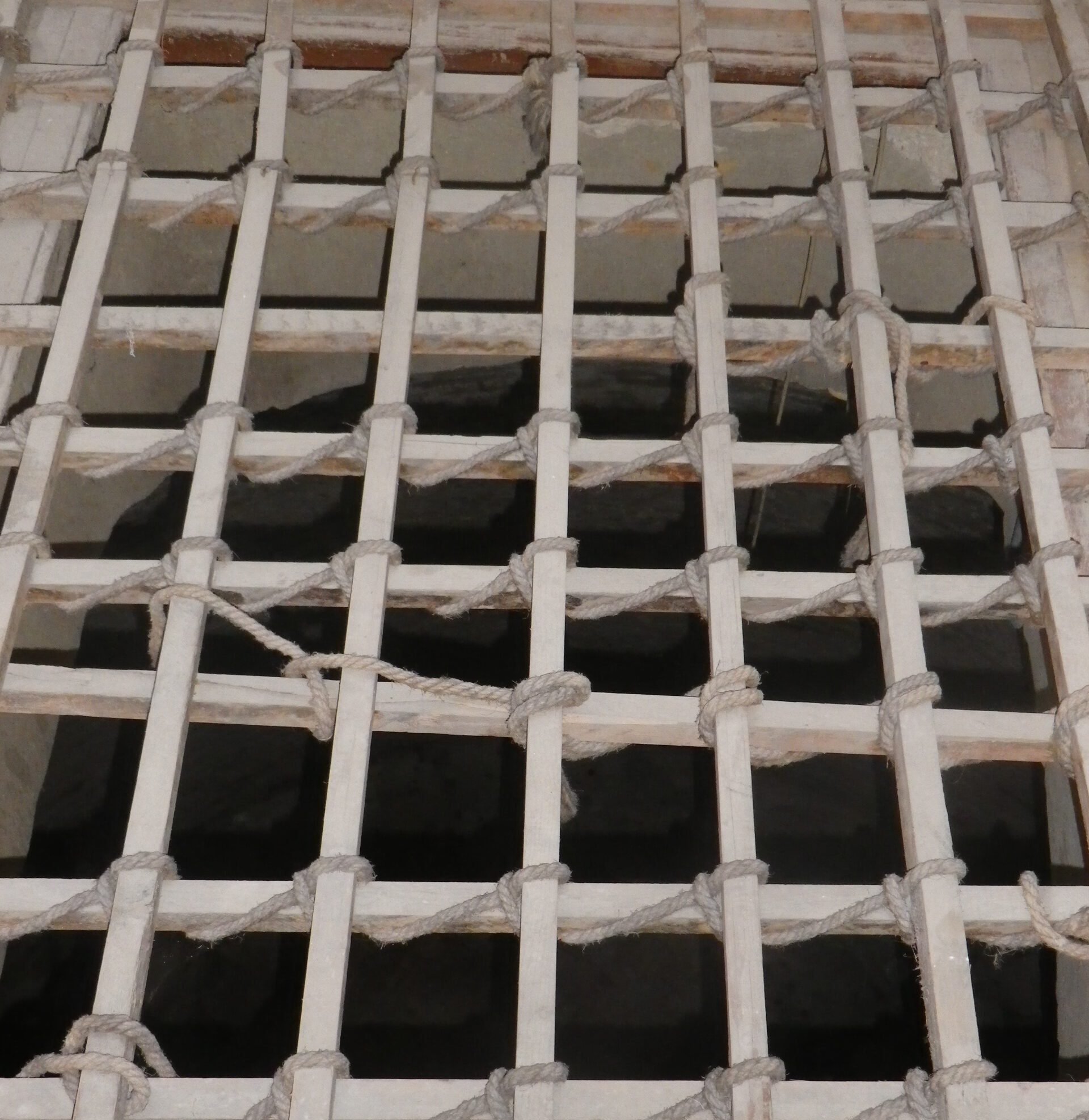
The Bug Pit; image: TCA, Stephen M. Bland

The British, the Turkish Sultans, and the rulers of Khiva and Kokand all demanded Stoddart’s release; even the Russians joined in — but none of it worked. When British forces captured Kabul in July 1839, the Emir, gripped by fear of invasion, issued Stoddart a brutal ultimatum: convert to Islam or die. Battered, desperate, and out of options, Stoddart gave in. After being bathed and circumcised, he moved into the chief of police’s home, gaining a sliver of freedom. He began praying at the Kalon Mosque and even managed to sneak letters back home to Norwich. “This Ameer is mad,” he wrote to his family.

With the British showing no intention of advancing on Bukhara and his letter to Queen Victoria left unanswered, Nasrullah subjected Stoddart to a year of imprisonment in and out of the dreaded Bug Pit on a whim. Captain Arthur Conolly, a fervent Evangelical Christian, was the most incensed by Stoddart’s treatment. Fueled by a vision of uniting the region under the British flag, abolishing slavery, and “civilizing” the locals, Conolly believed he could outmaneuver Russian influence by persuading local rulers to align with Britain. At thirty-three and nursing a broken heart after being jilted, he channeled his zeal into this ambitious mission.

With Stoddart’s cause boosting his appeal, Conolly dismissed Burnes’ sharp remark that only the “wand of a Prospero” could unify Central Asia. His bold plan ultimately won approval from his cousin, William MacNaughton, the British envoy in Kabul. Tragically, a year later, MacNaughton stood by as Alexander Burnes, Britain’s foremost expert on the region, was brutally torn apart. MacNaughton met an equally gruesome end, his torso displayed on a meat hook in the heart of Kabul, while his severed limbs and head were paraded triumphantly through the streets.

In September 1840, Conolly set out for Khiva. Although he was well received, he left without assurances and was firmly cautioned against visiting Bukhara. Moving onward to Kokand, he found hospitality but no treaty and yet another warning to steer clear of Bukhara. During this time, he received letters from Stoddart, who wrote, “the favor of the Ameer is increased towards me these days. I believe you will be well treated here.”

Conolly reached Bukhara in November 1841, nearly three years after Stoddart had been imprisoned. Nasrullah’s spies had been shadowing his every move for weeks, intrigued by his visits to their fiercest enemies. Despite this, the infamous Butcher of Bukhara played it safe, greeting Conolly warmly and pressing him for the Queen’s long-awaited reply. Conolly reassured him that the message would arrive soon, speaking with the authority of the sovereign’s representative.

While Stoddart and Conolly endured house arrest, a long-awaited message arrived — not from the Queen, but from Lord Palmerston. It confirmed the Emir’s correspondence had been received and passed not to the Queen but to the Governor General of India. This insult enraged Nasrullah, and tensions escalated further when another message from Herat accused Captain “Khan Ali” of espionage. Conolly soon found himself thrown into the infamous Bug Pit, tasting its horrors for the first time. Stoddart, meanwhile, had likely lost track of how many times he’d been imprisoned.

The Zindon, where Stoddart and Conolly were imprisoned; image: TCA, Stephen M. Bland

The Governor General of India finally wrote to demand the release of Stoddart and Conolly, referring to them as “private travelers” — diplomatic code for agents the British refused to acknowledge. Paired with the humiliating British retreat in Afghanistan, this convinced Nasrullah that he could act without consequence.

Fresh from crushing the Khanate of Kokand, brimming from the violence of his triumph, Nasrullah hauled his captives Stoddart and Conolly to the Registan on June 24, 1842, four agonizing years into their imprisonment. Forced to dig their own graves in front of a captivated crowd, the starving, mutilated officers — scarred and with flesh chewed from their bones — clung to each other, sobbing. Drummers pounded a somber dirge as their hands were tied, and they were shoved to their knees. Stoddart, a convert to Islam, likely earned the grim privilege of having his throat slit.

Conolly, however, was given a final taunt. He was promised mercy if he converted to Islam by Nasrullah’s executioner, the so-called “Shadow of God.” He rejected the offer with resolve, exclaiming, “Colonel Stoddart has been a Muslim for three years, and you have killed him. I will not become one, and I am ready to die.” His head was severed moments later. The pair’s bodies were dumped into an unmarked grave beneath the Registan.

With no news of the doomed officers forthcoming, their friends gathered funds and dispatched Joseph Wolff, a peculiar clergyman, to uncover their fate. Arriving in Bukhara in 1845, Wolff narrowly escaped their fate not by wit or force but by sheer absurdity. His full canonical robes amused the Emir so thoroughly that Nasrullah spared his life, even inviting his “musical band of Hindoos” to serenade Wolff with “God Save the Queen.” Nasrullah Khan would rule undisturbed for another 15 years, meeting his end not by the sword but peacefully in his sleep.

The Great Game drew to a close in the early 20th century, brought on by pivotal international shifts. The Russian Empire, drained by the costly Russo-Japanese War (1904–1906), lacked the resources to sustain its Central Asian ambitions. Tsar Nicholas II faced mounting financial and military constraints, halting Russian momentum. The Anglo-Russian Convention of August 31, 1907, marked the official end of a nearly a century-long rivalry. With Afghanistan secured as a British protectorate, it brought respite to the geopolitical chess game between the two empires.

The Great Game ended without a victor, leaving behind shattered economies, silenced political movements, countless lost lives, and a chilling legacy.

A New Great Game: Multipolar Competition in Central Asia

At a time when the European Union, China, and Turkey are seeking to strengthen their presence in Central Asia, the United States administration is consumed with bilaterally implementing a seismic shift in its trade policy with the entire world. Although this region of post-Soviet space is widely seen as a new front of rivalry between Washington and Beijing, in many aspects, American influence in Kazakhstan, Kyrgyzstan, Uzbekistan, Tajikistan, and Turkmenistan lags far behind that of other actors.

Culture (soft power) has always played an important role in the foreign policy of every great power. The Soviet Union was no exception. As a result, even today, Russian, rather than English, is still the lingua franca in Central Asia, although Moscow, following its invasion of Ukraine, has had a hard time preserving remnants of its former dominance in the region.

Russian cinema, however, maintains a notable presence in most, if not all, Central Asian states. While Hollywood movies have a strong global presence, Russian films in Central Asia often act as a link between Western content and the region’s cultural traditions. Millions of Central Asian migrants working in Russia also serve as a bridge between their nations and the Russian Federation, facilitating cultural exchange, economic ties, and the spread of the Russian language.

However, Russia’s fiasco in Ukraine has created space for the EU to assert its influence in a region that has traditionally been in Moscow’s geopolitical orbit. Nevertheless, although Kazakhstan, Kyrgyzstan, are Tajikistan are members of the Russian-led Collective Security Treaty Organization, they have remained neutral in the Ukraine conflict.

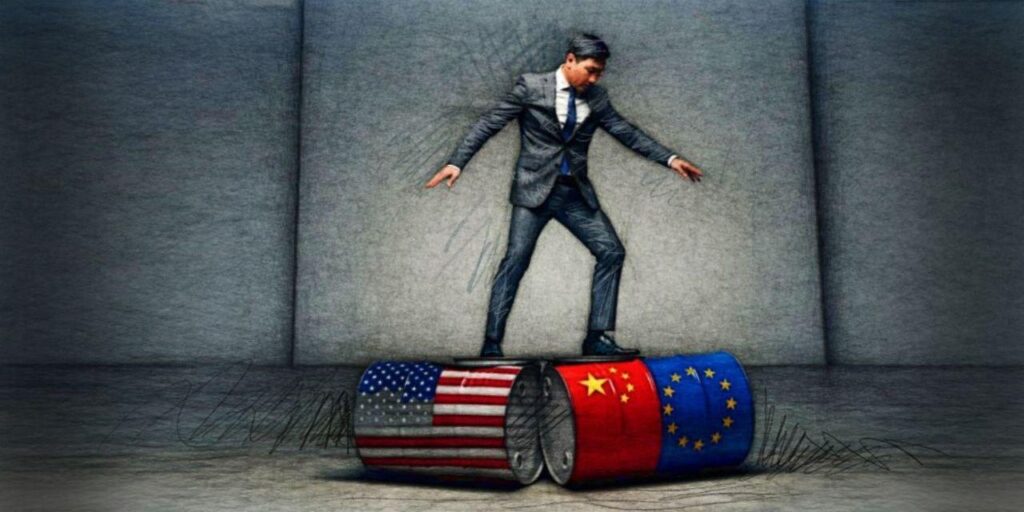
For Central Asian nations, the EU serves as a counterweight they can use to balance their relations with Moscow. The EU, however, faces strong economic competition from China. With a trade volume of $94.8 billion with Central Asian states, Beijing is positioning itself as the major economic power operating in the five regional nations.

Although the European Union’s influence in Central Asia is expected to continue to grow in the coming years, if investment trends from recent years persist, the balance in the region will likely tilt towards China, which will increase its presence and influence at the expense of Russia. But where does the United States fit into this dynamic?

Even though the U.S. is the largest economy in the world, with which almost everyone wants to engage, American bilateral trade with the region has never been particularly strong, with the exception of Kazakhstan. Interestingly enough, it is Astana that is expected to suffer the most among Central Asian actors due to U.S. President Donald Trump’s decision to impose tariffs – 27% on Kazakhstan compared to 10% on all other nations in the region.

Exceptions may be made for Kazakhstan’s critical minerals, however, which are now the third largest in the world based on a recent discovery, with reports suggesting that some goods, including “certain minerals that are not available in the United States,” as well as energy, will not be subject to the tariffs. According to Kazakhstan’s Ministry of Trade and Integration, the core of the country’s exports to the U.S. consists of crude oil, uranium, silver, ferroalloys, and other minerals, which account for 92% of shipments.

In spite of this, the Kazakh Government is reportedly initiating consultations with the Trump administration to discuss the possibility of exempting Kazakhstan from additional tariffs, which means that Astana is very unlikely to follow the EU’s approach and respond to Trump’s move in a retaliatory fashion. Some experts, however, argue that Trump’s tariff policy could result in Kazakhstan, as well as other regional states, becoming more dependent on China for trade.

The verdict is still out on whether the new U.S. tariff policy will push Central Asia deeper into Beijing’s geoeconomic orbit. However, Kazakhstan’s President Kassym-Jomart Tokayev has repeatedly stated that Astana is seeking to replace the Great Game – a rivalry between the 19th-century British and Russian empires over influence in Central Asia – with “Great Gain for all in the heart of Eurasia”.

But while in the 19th century there were two major rivals, this time it remains unclear who could be Beijing’s major opponent in Central Asia. The U.S. under Trump has demonstrated less of a desire to influence the region and the rest of the world, as indicated through the practical shuttering of USAID.

In Ukraine, Trump has also aimed to pull back resources while staying committed on the condition of gaining access. However, in energy-rich Central Asia, Washington seems to behave rather ambivalently.

It is the European Union, rather than the United States, that is eyeing Central Asia’s critical minerals, while Turkey, mainly through the Organization of Turkic States, is also attempting to strengthen its role. China is doing this largely through economic means, which is why some authors claim that Beijing has emerged as the “primary Eurasian power in the new age of multipolarity that is upon us.”

The United States, on the other hand, seems to have chosen a new path, focusing on pragmatic, non-ideological diplomacy in the region. The Trump administration, unlike most of its predecessors, is unlikely to pressure regional actors to follow Western values, human rights, and various principles of liberal democracy, which could yet make the U.S. a desirable partner.

Thus, in the long-term, the United States might emerge as China’s rival in the so-called New Great Game in Central Asia. For the time being, however, the region will likely remain in a multipolar competition for influence.