• KGS/USD = 0.01144 0%
  • KZT/USD = 0.00193 -0%
  • TJS/USD = 0.10811 -0.28%
  • UZS/USD = 0.00008 0%
  • TMT/USD = 0.28490 0%
  • KGS/USD = 0.01144 0%
  • KZT/USD = 0.00193 -0%
  • TJS/USD = 0.10811 -0.28%
  • UZS/USD = 0.00008 0%
  • TMT/USD = 0.28490 0%
  • KGS/USD = 0.01144 0%
  • KZT/USD = 0.00193 -0%
  • TJS/USD = 0.10811 -0.28%
  • UZS/USD = 0.00008 0%
  • TMT/USD = 0.28490 0%
  • KGS/USD = 0.01144 0%
  • KZT/USD = 0.00193 -0%
  • TJS/USD = 0.10811 -0.28%
  • UZS/USD = 0.00008 0%
  • TMT/USD = 0.28490 0%
  • KGS/USD = 0.01144 0%
  • KZT/USD = 0.00193 -0%
  • TJS/USD = 0.10811 -0.28%
  • UZS/USD = 0.00008 0%
  • TMT/USD = 0.28490 0%
  • KGS/USD = 0.01144 0%
  • KZT/USD = 0.00193 -0%
  • TJS/USD = 0.10811 -0.28%
  • UZS/USD = 0.00008 0%
  • TMT/USD = 0.28490 0%
  • KGS/USD = 0.01144 0%
  • KZT/USD = 0.00193 -0%
  • TJS/USD = 0.10811 -0.28%
  • UZS/USD = 0.00008 0%
  • TMT/USD = 0.28490 0%
  • KGS/USD = 0.01144 0%
  • KZT/USD = 0.00193 -0%
  • TJS/USD = 0.10811 -0.28%
  • UZS/USD = 0.00008 0%
  • TMT/USD = 0.28490 0%
10 December 2025

Central Asia Attracted $24.8 billion in Investments in 2024

Despite global economic challenges, Central Asia has experienced growth in attracting foreign direct investment (FDI).

According to the United Nations Economic and Social Commission for Asia and the Pacific (ESCAP), investment in the region increased by 27%, reaching $24.8 billion in 2024. Kazakhstan and Uzbekistan have become the main centers of attraction for capital, offering investors significant opportunities in the energy sector and green technologies.

Uzbekistan attracted $4 billion in foreign investment, reflecting a 49% year-on-year decline. However, the country is actively developing sustainable environmental projects. South Korea’s Western Power plans to build a $152 million biofuel plant in Fergana region. The plant will process cotton stalks to heat greenhouses, which will replace coal and reduce emissions by 120,000 tons of CO2 over 10 years. This project reflects Uzbekistan’s policy of reducing dependence on fossil fuels and introducing “green” technologies.

Kazakhstan maintained its position as the regional leader in attracting investment, accounting for 63% of Central Asia’s total FDI. The country increased its investment inflow by 88%, reaching $15.7 billion. An important role was played by Qatari company UCC Holding, which invested $11 billion in the construction of two gas processing plants, a compressor station, and new main gas pipelines. These projects strengthen Kazakhstan’s role as a key energy hub in the region.

Kyrgyzstan recorded the highest relative growth in investment, increasing by 310% to $2.1 billion. Turkmenistan and Tajikistan received $339 million and $281 million, respectively.

As for outgoing investments, their volume from the region decreased by 58% to $2.3 billion. Russia remains the primary source of outgoing investments, accounting for 90% ($2.1 billion). Georgia invested $105 million, Azerbaijan $76 million, and Kazakhstan $47 million.

Digital Kazakhstan: Pioneering E-Government and AI Innovations Amid New Challenges

Kazakhstan has solidified its position as a global leader in digital transformation, ranking among the top 25 countries in e-government development and achieving significant milestones in IT innovation. After nearly two decades of digitalization efforts, the country is now aiming to surpass the most advanced nations.

The concept of e-government in Kazakhstan was first announced in former President Nursultan Nazarbayev’s address on March 19, 2004. That same year, a program for the establishment of e-government was approved, and the eGov.kz web portal was launched in 2006. Initially, the platform primarily provided informational services.

The second phase of e-government (2007–2008) introduced interactive services, allowing citizens to request certificates, submit inquiries to government bodies, and track their progress online. A key milestone was the establishment of Citizen Service Centers on January 5, 2007. Before the digital era, obtaining documents was a lengthy and cumbersome process, plagued by long queues and widespread corruption.

In 2024, digitalization in Kazakhstan reached new heights. The government reports that 92% of public services are now provided electronically. Innovations such as biometric identification and QR signatures have simplified access, with over eight million QR code signatures registered and more than 18 million identifications conducted through the Digital ID system this year, according to Kanat Tuleushin, the First Vice-Minister of the Ministry of Digital Development, Innovation, and Aerospace Industry (MCRIAP).

The modernization of the e-government platform is ongoing, with plans to transition to the third version of eGov. Additionally, IT services from Kazakhstan are now exported to 86 countries, with key markets including Russia, Ireland, Mexico, the United States, and Singapore. A central focus of the government strategy is the development of artificial intelligence (AI). In 2024, a draft law on AI was approved, and a Committee on AI was established to oversee the development of this field in the country.

Kazakhstan continues to modernize its e-government platform, with plans to transition to the third version of eGov. The country has also made strides in exporting IT services to 86 countries, including major markets like Russia, Ireland, Mexico, the United States, and Singapore. A key priority for the government is the development of artificial intelligence (AI). In 2024, a draft law on AI was approved, and a dedicated Committee on AI was established to oversee advancements in this area.

In the 2024 UN E-Government Development Index (EGDI), Kazakhstan ranked 24th among 193 countries, climbing four spots since the last assessment. The country also secured a place in the global top 10 of the Online Service Index (OSI), which evaluates the accessibility and quality of government-provided online services. South Korea leads the EGDI rankings, while Kazakhstan outpaces many of its regional neighbors, including Armenia (53rd), Russia (56th), Uzbekistan (59th), Kyrgyzstan (89th), and Turkmenistan (172nd).

Kazakhstan’s banking sector has also played a pivotal role in driving digital innovation. Major banks now integrate a wide range of public and business services into their apps. For example, Halyk Bank offers over 60 services, Kaspi.kz provides 40, Bank CenterCredit more than 30, and Freedom Bank is around 20.

Korlan Zhusupbayeva, an expert from the Eurasian Integration Institute, notes that digitalization tools not only improve sectoral policy efficiency, but also strengthen communication between the government and citizens. In his September address, President Kassym-Jomart Tokayev called for further digital transformation, emphasizing the need to modernize tax administration, create an integrated medical information system, and incorporate AI into the e-government platform.

Looking ahead, the government has ambitious plans for 2025, including laying a fiber-optic communication line across the Caspian Sea and launching the National Artificial Intelligence Center in Astana.

However, the rapid expansion of online services has also led to an increase in fraud cases. In October, police issued warnings about scams involving the eGov.kz portal and the 1414 information service. Criminals posing as government officials have been requesting personal data or payments for fictitious fines. Authorities have urged citizens to remain vigilant, stating, “Government agencies do not request information through calls or messages. If you receive a suspicious message, do not click on links or share your data.”

Kazakhstan’s remarkable progress in digitalization reflects its commitment to innovation and efficiency, but challenges remain as the country navigates the risks of an increasingly digital society.

Kazakhstan Transfers Flight Recorders to Brazil for Further Investigation

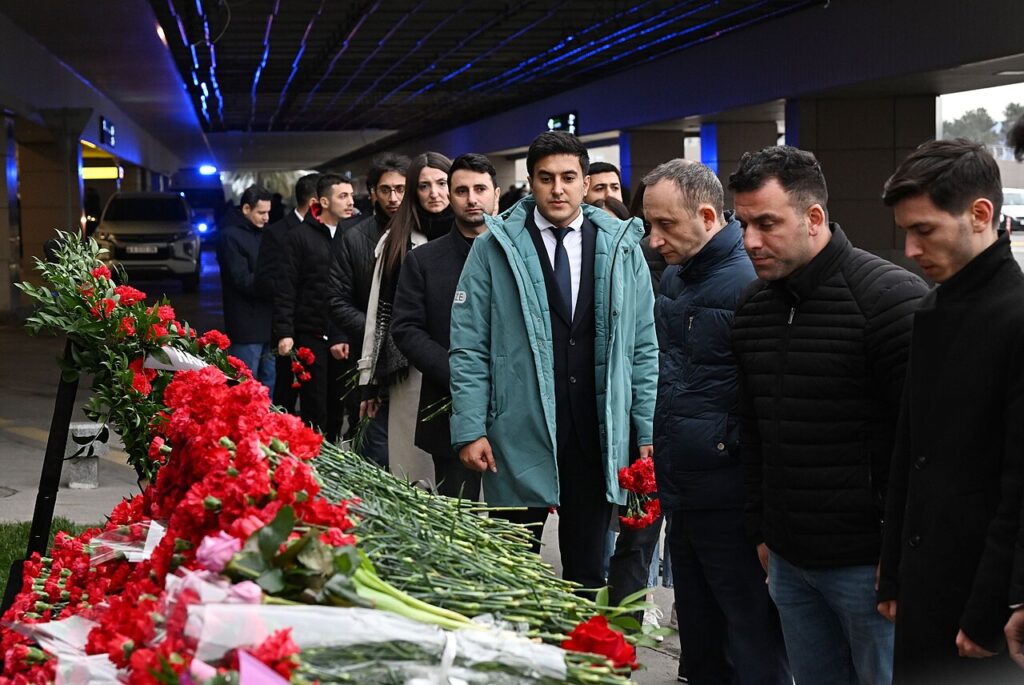
The Azerbaijan Airlines plane crash near the Kazakh city of Aktau continues to dominate media discussions in Azerbaijan, Kazakhstan, and Russia. Public attention has centered on statements from Azerbaijan’s leader, Ilham Aliyev, who appears dissatisfied with Vladimir Putin’s vague apologies, as well as on the actions of Kazakh President Kassym-Jomart Tokayev, who faces the delicate challenge of conducting an investigation that satisfies both Baku and Moscow.

Tensions between Baku and Moscow have escalated, with both sides imposing mutual migration restrictions. Russians are now limited to 90 days per year in Azerbaijan, while Russia has enacted asymmetric measures against Azerbaijani citizens. Amid this backdrop, Kassym-Jomart Tokayev has taken personal control of the aviation accident investigation, which includes collaboration with specialists from both Azerbaijan and Russia.

On the evening of Sunday, December 29, the Commission on Aviation Incident Investigation, led by Kazakhstan’s Minister of Transport, Marat Karabayev, announced its decision to send the flight data recorder (black box) to Brazil’s Center for Investigation and Prevention of Aeronautical Accidents (CENIPA). Brazil is also the manufacturer of the Embraer aircraft involved in the crash.

According to the Kazakh authorities, the decision complies with the standards of Annex 13 of the Chicago Convention, which assigns responsibility for decoding flight recorders to the investigating country and allows it to select the location for the task. Kazakhstan, a member of the International Civil Aviation Organization (ICAO) since 1992, made the decision in alignment with this framework.

The commission emphasized that CENIPA possesses the necessary technical expertise, certified laboratories, and specialized equipment for decoding the flight data recorders.

Kazakh analyst Gaziz Abishev interprets the decision as a potential response to external pressure on Kazakhstan, though officials deny any such influence. According to Abishev, the rhetoric from Azerbaijan’s leadership reflects a lack of mutual understanding with Moscow, suggesting covert attempts to sway the investigation. “In this context, Kazakhstan’s decision to transfer the black box to CENIPA represents a principled step aimed at neutralizing pressure and ensuring an impartial decoding process that instills confidence in the international community,” Abishev stated.

A similar view is held by Aydos Sarym, a deputy in Kazakhstan’s Mazhilis.

“This is, in essence, a ‘Solomonic’ decision, as Azerbaijan is the aggrieved party, with the majority of victims being its citizens. President Aliyev has repeatedly emphasized Russia’s culpability in the tragedy and expressed distrust toward certain CIS institutions that have investigated past international incidents. To guarantee full transparency and objectivity, the decryption process has been entrusted to Brazil. This move seeks to accurately determine the cause of the tragedy and establish accountability while ensuring the investigation’s conclusions are accepted by all parties,” Sarym commented.

Azat Peruashev, leader of the parliamentary party Ak Zhol, also voiced support for the decision. He praised it as a testament to Tokayev’s diplomatic skill, describing him as a “high-class diplomat capable of finding balanced solutions in the most challenging situations.” Peruashev highlighted the advantages of shifting the investigation to a neutral and unbiased venue, allowing the manufacturer to confirm whether the crash was caused by external interference or structural issues.

This approach, according to Peruashev, removes doubts about the investigation’s credibility and helps de-escalate tensions between Azerbaijan and Russia. Most importantly, it enhances Kazakhstan’s reputation as a truly independent nation that adheres to international law and prioritizes transparency, even in highly sensitive and contentious circumstances.

Repatriating Islamic State Fighters and Families: Balancing Security and Humanity

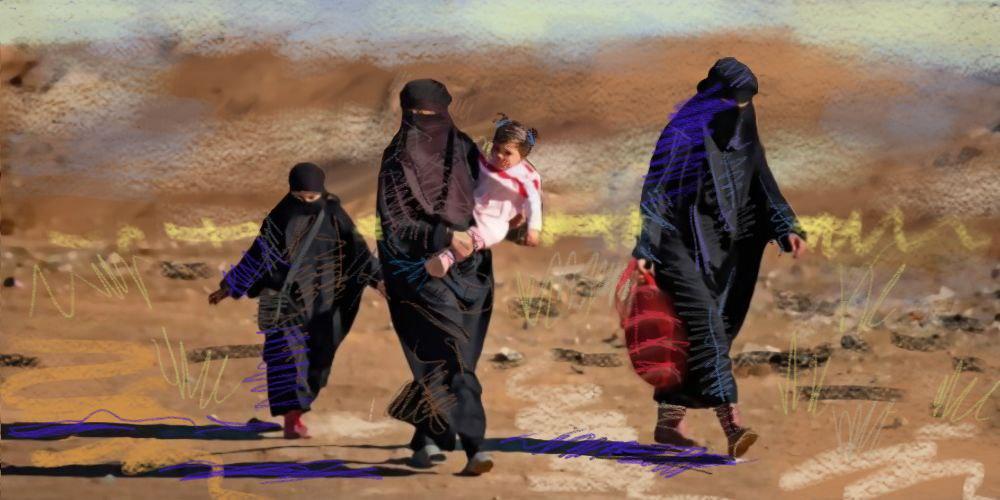
With the fall of the Assad regime in Syria, repatriating foreign fighters is a pressing issue at the intersection of global security, humanitarian principles, and national responsibility. Central Asian governments — namely, Kazakhstan, Uzbekistan, Kyrgyzstan, and Tajikistan — have emerged as proactive players in repatriating their citizens from camps in northeastern Syria. While these efforts are laudable, they come with challenges and unanswered questions.

Tens of thousands of people, many of them women and children associated with former ISIS or the Islamic State of Iraq and Syria – a terrorist organization known for its extreme ideology and violent actions of its’ fighters — remain trapped in the camps of northeastern Syria. Their lives are defined by squalor and uncertainty, and they face a bleak future. Central Asian nations have stepped up where many others have faltered, asserting their responsibility to help their citizens who languish there.

Yet, this commitment is not without its limits. Repatriating men — many of whom were fighters — remains a challenge that even the most ambitious programs have struggled to address. This issue looms large, as it intertwines with broader questions. These include reintegration, security risks, and the potential for radicalization, both in prison systems and broader society.

The scale of efforts undertaken by four of the Central Asian countries is significant. Together, they have repatriated around 2,200 citizens: Kazakhstan, the most, 754 individuals, followed by others with numbers ranging from 381 to 533.

These figures represent more than just logistical achievements. They reflect these governments’ commitment to humanitarian principles. However, the path has not been entirely smooth, as some of the repatriated women and children have returned back to conflict zones. As counterintuitive as this may seem, they might do so out of ideological commitment, social ties, coercion or threats, trauma bonding, or difficulty reintegrating into their home societies. All this suggests cracks in reintegration programs that must be addressed.

The strategies employed by the Central Asian states, despite their common goal, differ in focus and execution. Kazakhstan’s “Operation Zhusan” is often mentioned as a model of coordination and commitment. It has gone beyond mere repatriation to a vision embracing comprehensive reintegration, including other services, such as DNA testing to identify orphaned children.

Yet such efforts rely heavily on state resources and long-term political will, neither of which can be taken for granted. Uzbekistan’s Mehr (“Kindness”) initiative has particularly focused on protecting children and supporting the unification of families. Yet even with international appreciation, Uzbekistan faces the same challenges as its neighbors: how to sustain this momentum and address lingering societal stigmas toward returnees.

Kyrgyzstan paused its repatriation operations in Iraq due to legal roadblocks and has turned its attention to Syria. However, Kyrgyzstan relies significantly on international cooperation, as its own economic resources for such activities are comparatively limited. So far, it has repatriated 511 citizens.

Tajikistan’s steady progress highlights even more pointedly the role of international cooperation with organizations like UNICEF and the European Union. The Tajik authorities have worked closely with these partners to provide psychological and educational support for returnees. Questions remain about the long-term success of reintegration, particularly for individuals who may struggle to find acceptance in their communities.

However, repatriation is not just a strategic necessity, but a moral obligation.

For women and children, the barriers to reintegration include societal stigma, mental health struggles, and the absence of economic opportunities. Repatriated men face a different set of concerns. Not least, the risk of radicalization can be significant in instances of incarceration. Even outside of the prison system, ISIS sentiments and the urge to impose or fight for extremists and oppressive ideologies may persist.

The countries of Central Asia have taken constructive steps to address such challenges where others have hesitated: in Europe and North America, repatriation efforts have frequently been delayed or limited by debates over security risks, public opinion, and resource allocation. Many Western nations have opted for a case-by-case approach or declined broad repatriation. The much more comprehensive Central Asia approach, by contrast, demonstrates both responsibility and the presence of compassion in governance.

Important international observers have considered such efforts as a global model for balancing security and humanitarianism. Thus, even NGOs such as Human Rights Watch, critical of other aspects of Central Asian governance, have noted the humanitarian focus of these repatriation efforts. Likewise, respected think-tanks such as the International Crisis Group, have highlighted Central Asia’s approach as noteworthy; and UN agencies like UNICEF have praised aspects of reintegration and repatriation programs, particularly those aimed at children and vulnerable populations.

Yet, the Central Asian experience demonstrates the importance of looking beyond repatriation to focus on long-term reintegration. Central Asia has shown that progress is achievable, but also fragile. It requires continuous investment, not just in financial terms, but in terms of societal and political commitment, as well as continuing international assistance. Time and again, we are reminded that terrorism is a global challenge, indifferent to borders. Without opportunities for integration and a shared future within civil society, those disconnected from it will continue to pose a threat globally.

Turkmenistan Strengthens Cooperation with IAEA to Equip New Cancer Center

Turkmenistan is deepening its collaboration with the International Atomic Energy Agency (IAEA) to advance nuclear medicine, as announced by Gurbanguly Berdimuhamedov, Chairman of the Halk Maslahaty (People’s Council). The announcement came during his visit to the construction site of the new International Scientific and Clinical Center for Oncology in Ashgabat, as reported by the TDH news agency.

Berdimuhamedov highlighted the importance of consulting with IAEA experts to ensure the center’s safe operation, particularly in handling radioactive waste. He stressed that equipping the facility with state-of-the-art technology is essential for meeting high standards in cancer treatment.

The new center, under construction in the Choganly district in northern Ashgabat, will have a capacity of 500 beds. It will feature specialized departments for the diagnosis, treatment, and rehabilitation of cancer patients.

Berdimuhamedov also emphasized the need to develop highly skilled medical personnel for the center. Medical professionals will be offered training opportunities in leading international clinics and encouraged to collaborate with foreign specialists. The facility aims to build strong partnerships with specialized medical institutions both within Turkmenistan and abroad. “International cooperation, particularly with the IAEA, is vital in the fight against cancer. Strengthening these ties is a key factor in the effective operation of the new center,” Berdimuhamedov stated.

The oncology center is set to greatly enhance Turkmenistan’s healthcare system by providing advanced cancer care and contributing to global progress in nuclear medicine and cancer research.

Uzbekistan Evacuates 100 Injured Palestinians for Treatment and Care

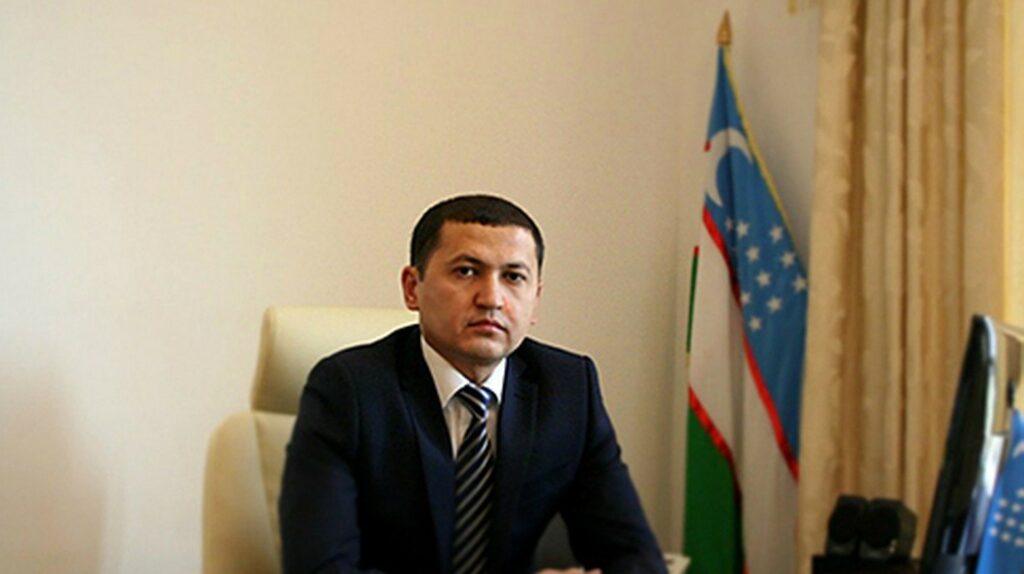
Uzbekistan has evacuated 100 injured Palestinian women and children, along with their guardians, from Rafah to provide medical treatment and care. Uzbekistan’s ambassador to Egypt, Mansurbek Kilichev, shared the details with the Egyptian Ahram portal.

The evacuation was initiated by President Shavkat Mirziyoyev in collaboration with the health ministries of Uzbekistan and Egypt. According to Kilichev, the evacuees will remain in Uzbekistan until it is safe enough for them to return to their homeland. Currently, they are being housed in rehabilitation centers and hospitals, where they are receiving medical care and recovery support.

The Uzbek government is ensuring that the evacuees have access to housing, food, medical assistance, and education for the children during their stay. Kilichev affirmed that they are living in comfortable conditions.

This initiative reflects Uzbekistan’s broader humanitarian efforts. In November, President Mirziyoyev addressed an Arab-Islamic summit on the issue of Palestine, calling for an end to military actions in Palestinian territories and the establishment of humanitarian corridors. He also expressed Uzbekistan’s readiness to host injured women and children for treatment and rehabilitation.

Uzbekistan’s assistance to Palestinians is part of a sustained effort. Last year, President Mirziyoyev allocated $1.5 million to the United Nations Relief and Works Agency (UNRWA) to support Palestinian refugees in Gaza.

This recent evacuation demonstrates Uzbekistan’s commitment to providing humanitarian aid while encouraging stability in the region.