The United States is promoting small modular nuclear reactors in Uzbekistan as Tashkent develops its nuclear power sector with Russia. Secretary of State Marco Rubio promoted the technology during his October 19 visit to Samarkand, linking it to rising energy demand.
“We’re introducing U.S. small modular reactors and modernizing the Uzbek electric grid and gas distribution network,” Rubio told the U.S.-Uzbekistan Business and Investment Council. He said the cooperation would help the government keep pace with growing energy demand.
Rubio did not name a reactor supplier or announce financing or a construction schedule for an American plant.
Uzbekistan’s interest predates Rubio’s visit. In November 2025, the country expressed interest in studying designs from Holtec, GE Hitachi, and NuScale, according to the World Nuclear Association. Tashkent has pursued those discussions alongside its current nuclear partnership with Russia.
Small modular reactors generally have an electrical capacity of up to 300 megawatts per unit, according to the International Atomic Energy Agency. Factories can manufacture their components and assemble them on site. Utilities can add smaller units in stages as demand increases.
For Uzbekistan, nuclear power forms part of an effort to expand electricity supply as domestic gas production declines. Once a net gas exporter, the country became a net importer in 2023. Gas output fell 16.3% year-on-year in January-August 2026, increasing pressure on supplies. The World Nuclear Association puts natural gas at 76% of Uzbekistan’s electricity output in 2023. Reducing the amount burned in power stations could ease import needs and leave more available for industry, including petrochemicals.
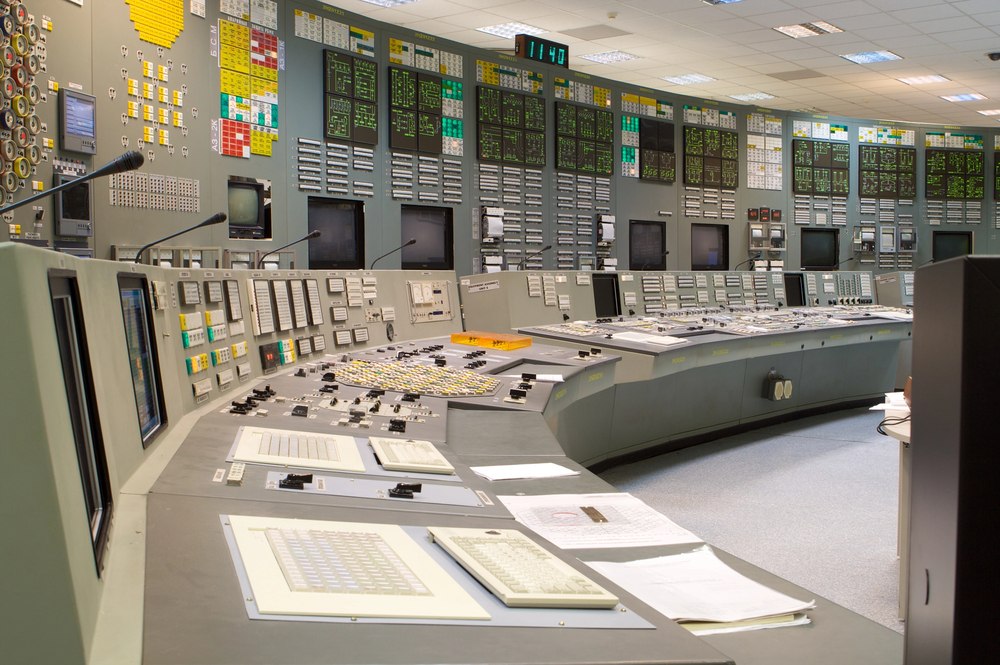
Russia’s state nuclear corporation Rosatom is developing Uzbekistan’s first nuclear complex in the Forish district of the Jizzakh region. The design combines two large Russian VVER-1000 reactors with two smaller RITM-200N units, providing about 2.1 gigawatts of capacity. The smaller reactors are each rated at 55 megawatts.
Presidents Shavkat Mirziyoyev and Vladimir Putin launched the project by video link in June, accompanied by a concrete pouring ceremony. The development has expanded substantially since the countries agreed in 2024 to build a plant consisting of six small reactors.
The published schedule envisages a technical launch of the first small unit in late 2029, with the larger units following in the 2030s. Nuclear generation is therefore several years away. Uzbekistan must also improve the networks that deliver electricity to homes and businesses.
Following a nationwide referendum on the issue, Kazakhstan is also investing in nuclear power. Its planned Balkhash plant, near Ulken on Lake Balkhash, will use Russian technology. A nuclear agreement signed in May envisages two VVER-1200 reactors with a combined capacity of about 2.4 gigawatts. Kazakhstan’s Atomic Energy Agency put the project’s cost at approximately $16.5 billion, including security and supporting infrastructure.
Kazakhstan’s strategy calls for at least three nuclear power plants by 2050. China National Nuclear Corporation has been selected to lead the second project. The country is the world’s largest uranium producer, but developing power stations also requires foreign reactor technology and expertise.
Kazakhstan and Uzbekistan have begun cooperating on nuclear safety. Officials met in Tashkent in August to discuss environmental monitoring and potential cross-border effects, with Uzbekistan also proposing a regional center to train nuclear specialists.
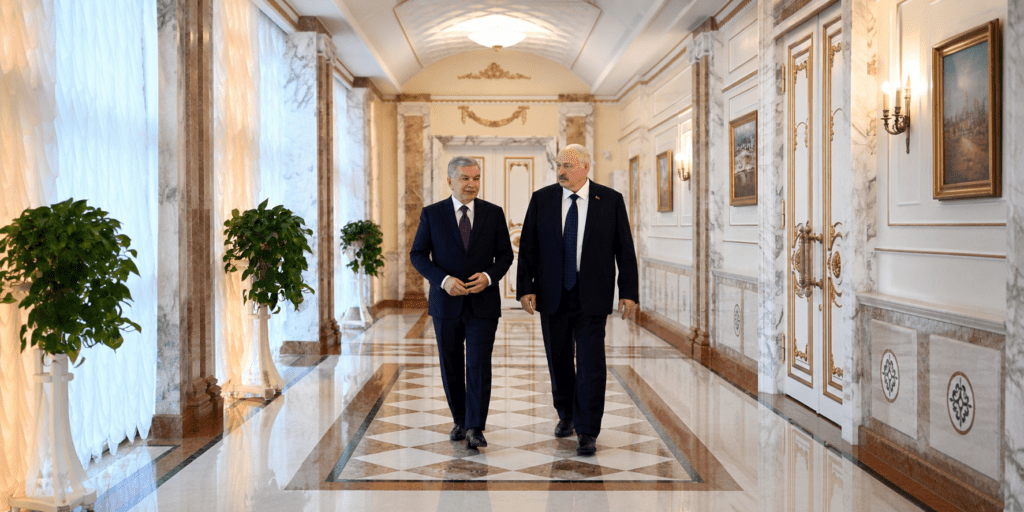
The nuclear discussions form part of Washington’s push for closer commercial ties with Central Asia. Rubio’s Samarkand visit included talks with Mirziyoyev and a C5+1 ministerial meeting with all five Central Asian countries. The gathering followed the November 2025 White House summit with the region’s presidents.
Speaking to reporters in Samarkand, Rubio acknowledged Washington’s limited engagement with the region in the past.
“Central Asia has just not gotten the level of attention from our policymakers over the last 20 years that it deserves, but that’s changing,” he said.
The C5+1 format grew from a proposal advanced by Kazakhstan, formally launching in 2015, when then-Secretary of State John Kerry attended its inaugural ministerial meeting in Samarkand. Recent discussions have placed greater emphasis on critical minerals and investment in regional infrastructure. At this month’s meeting, the governments backed more mineral processing within Central Asia and further development of the Trans-Caspian Trade Route, also known as the Middle Corridor.
Uzbekistan announced 54 agreements and prospective initiatives worth about $12 billion during Rubio’s visit. The package spans several industries, with energy infrastructure and critical minerals among its priorities. The announcement did not specify how much of the total had secured financing.
The two countries also launched an Enhanced Strategic Partnership Dialogue, while Uzbekistan signed the U.S.-led Artemis Accords on peaceful space exploration. At the business council, Mirziyoyev proposed a joint program for trade and technological cooperation through 2035.
For Uzbekistan, considering American reactors broadens its options as electricity demand grows and domestic gas production declines. Rosatom’s existing project remains central to its nuclear plans, while talks with U.S. suppliers could widen its choice of reactor designs and partners.