• KGS/USD = 0.01144 0%
  • KZT/USD = 0.00211 0%
  • TJS/USD = 0.10460 0%
  • UZS/USD = 0.00008 0%
  • TMT/USD = 0.28571 0.28%
  • KGS/USD = 0.01144 0%
  • KZT/USD = 0.00211 0%
  • TJS/USD = 0.10460 0%
  • UZS/USD = 0.00008 0%
  • TMT/USD = 0.28571 0.28%
  • KGS/USD = 0.01144 0%
  • KZT/USD = 0.00211 0%
  • TJS/USD = 0.10460 0%
  • UZS/USD = 0.00008 0%
  • TMT/USD = 0.28571 0.28%
  • KGS/USD = 0.01144 0%
  • KZT/USD = 0.00211 0%
  • TJS/USD = 0.10460 0%
  • UZS/USD = 0.00008 0%
  • TMT/USD = 0.28571 0.28%
  • KGS/USD = 0.01144 0%
  • KZT/USD = 0.00211 0%
  • TJS/USD = 0.10460 0%
  • UZS/USD = 0.00008 0%
  • TMT/USD = 0.28571 0.28%
  • KGS/USD = 0.01144 0%
  • KZT/USD = 0.00211 0%
  • TJS/USD = 0.10460 0%
  • UZS/USD = 0.00008 0%
  • TMT/USD = 0.28571 0.28%
  • KGS/USD = 0.01144 0%
  • KZT/USD = 0.00211 0%
  • TJS/USD = 0.10460 0%
  • UZS/USD = 0.00008 0%
  • TMT/USD = 0.28571 0.28%
  • KGS/USD = 0.01144 0%
  • KZT/USD = 0.00211 0%
  • TJS/USD = 0.10460 0%
  • UZS/USD = 0.00008 0%
  • TMT/USD = 0.28571 0.28%

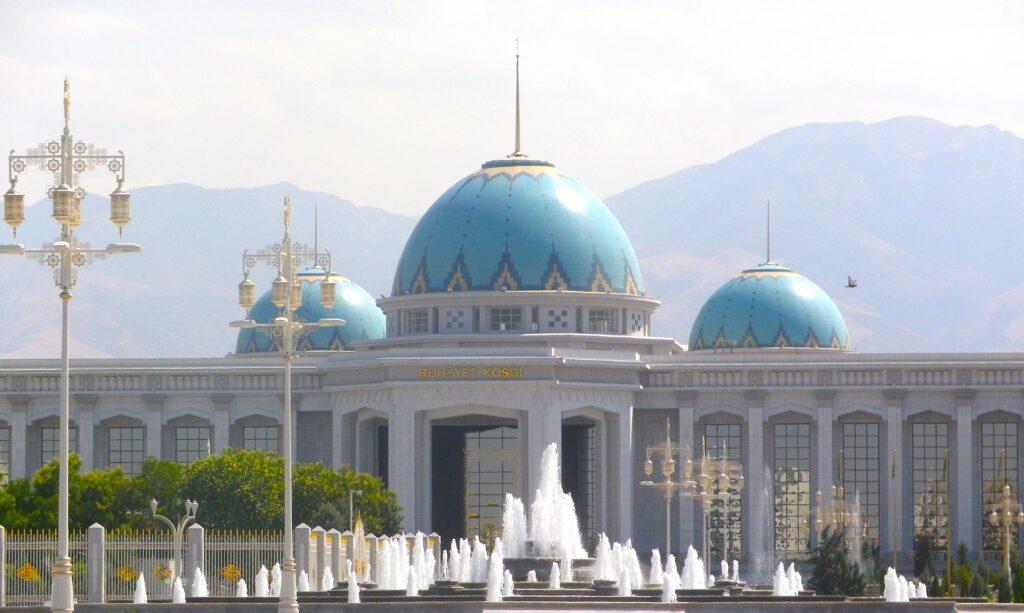
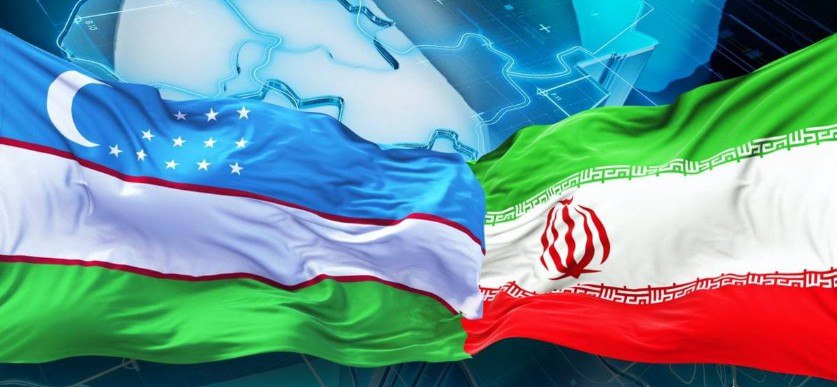
Turkmenistan Opens Additional Crossings as Uzbekistan Evacuates Citizens from Iran

Turkmenistan has opened several additional checkpoints on its border with Iran to allow foreign citizens to leave the country as fighting in the Middle East continues. The Russian Embassy in Ashgabat said the Turkmen authorities have opened four additional crossings along the Turkmen-Iranian frontier: Artyk–Lutfabad, Gaudan–Bajgiran, Akyayla–Incheburun, and Altyn Asyr–Incheburun. These operate alongside the Sarakhs crossing, which had already been used for evacuation transit.

The move expands an overland route through Central Asia for foreigners seeking to leave Iran while air travel across parts of the Middle East remains disrupted. Uzbekistan has begun using this corridor to assist its citizens. The country’s Ministry of Foreign Affairs said diplomatic staff and official vehicles have been deployed to the Sarakhs crossing to receive Uzbek nationals arriving from Iran and organize their onward transport across Turkmenistan toward Uzbekistan.

Uzbek outlet Daryo reported on March 4 that Uzbekistan had already repatriated 13 citizens from Iran via Turkmenistan.

Russia has also pointed citizens toward the Turkmen route. The Russian Embassy in Ashgabat said its citizens unable to leave Iran by air could exit through Turkmenistan and should register with the Russian Embassy in Tehran, which is coordinating assistance for citizens inside Iran. The embassy noted that Turkmenistan maintains strict entry rules and normally requires special permits for foreign visitors. Despite those restrictions, the country has previously allowed evacuation transit from Iran during earlier regional crises.

The additional crossings create another evacuation corridor alongside the route from Iran into Azerbaijan through the Astara border crossing on the Caspian coast. Foreign nationals have already used that crossing to leave Iran in recent days, including citizens from Central Asia. The Turkmenistan route provides a more direct path back into the region for evacuees traveling toward Uzbekistan and other Central Asian countries.

Turkmenistan shares a 1,148-kilometer border with Iran. Ashgabat, the Turkmen capital, sits only about 25 kilometers north of the frontier, and several transport links connect the two countries. Sarakhs functions as an established rail and road gateway used for trade and freight movement between the two countries.

In recent years, Turkmenistan and Iran have also discussed expanding rail and freight transit through the Sarakhs crossing as part of broader regional transport corridors linking Central Asia to southern markets. Turkmenistan also exports natural gas to northern Iran under swap arrangements in which Tehran delivers equivalent volumes to Azerbaijan, which could disrupt regional logistics and energy flows.

The expansion of border crossings increases the capacity for organized departures from Iran and provides foreign governments with an additional land route when other exit corridors become congested. For Central Asian governments, the immediate priority remains the safe movement of their nationals out of the conflict zone. The opening of additional Turkmen checkpoints provides another corridor linking Iran to Central Asia and may ease pressure on evacuation routes through the South Caucasus.

Middle East Conflict May Slow Growth, but Gold and Oil Dynamics Could Cushion Impact

The escalating conflict in the Middle East could weigh on Uzbekistan’s economic growth if it persists, though higher gold prices and oil-driven gains in key partner economies may soften the impact, according to Uzbek economist Mirkomil Kholboyev.

Kholboyev shared his analysis on his Telegram channel, examining both the direct and indirect channels through which the crisis could affect Central Asia’s largest economy.

“Several days of geopolitical tensions in the Middle East have already turned into open military confrontation,” he wrote. “It is still difficult to say how long this situation will last. If it is short-term and the previous status quo is restored, the impact on our economy will likely be limited and temporary. But if the war continues for a longer period, the consequences could be more significant.”

Direct trade exposure appears limited. According to data from Uzbekistan’s national statistics portal, the country exported $157 million worth of goods to Iran in 2025, accounting for just 0.5% of total exports. Imports from Iran totaled $421 million, or 0.9% of overall imports. Trade with Israel was even smaller, with exports of $33 million and imports of $22 million.

“Even a complete halt in trade with these countries would not significantly affect total exports,” Kholboyev wrote, though he noted that export and import growth could slow.

Iran also plays a role as a transit hub. Its ports are part of broader regional logistics networks, including the Central Asia-India corridor via Chabahar and the International North-South Transport Corridor (INSTC). According to a regional analytical report, Uzbekistan accounts for 5.5% of total traffic along this route, compared with 61.1% for Kazakhstan and 29.4% for Turkmenistan.

Kholboyev pointed out that while some of Uzbekistan’s trade passes through Iranian ports, the country is less dependent on them than other Central Asian countries. Still, he cautioned that prolonged fighting would inevitably disrupt both direct trade and transit flows.

“I do not have precise data on how much of our total foreign trade passes specifically through Iranian ports,” he wrote. “That makes it difficult to assess the full effect. But if the war continues, both direct trade and transit through Iran will suffer serious damage.”

Even if trade with the wider region, including Iran and other countries affected by hostilities, were to stop entirely, Kholboyev estimates the impact would remain moderate. The region accounts for about 2.4% of Uzbekistan’s exports and 1.5% of imports. A complete halt could slow export growth by roughly 3% and imports by about 2.5%, reducing overall GDP growth by around 0.6 percentage points. A 50% reduction in trade with the region would shave an estimated 0.2-0.3 percentage points off GDP growth.

Energy markets represent a more significant risk channel. As trading resumed after the latest escalation, global oil prices rose by about 9%, driven by concerns over potential disruptions in the Strait of Hormuz, through which roughly one-fifth of global oil consumption passes.

“If tensions escalate further and oil flows are restricted, or if prices continue rising amid uncertainty, this could slow the global economy,” Kholboyev wrote. He cited estimates suggesting that a 10% increase in oil prices can reduce global economic growth by 0.1-0.2 percentage points.

China’s exposure is also relevant. Around 10-13% of China’s oil imports come from Iran. Given that China is one of Uzbekistan’s main trading partners, slower Chinese growth would likely have spillover effects.

“At the same time, higher oil prices may create relatively favorable conditions for Russia, which is one of our main labor markets and key trading partners,” Kholboyev noted. Improved economic conditions in Russia could support faster growth in remittances to Uzbekistan and stronger demand for Uzbek exports. Kazakhstan, another major partner, could also benefit from elevated oil prices.

Inflation presents another risk. Disruptions in global supply chains could accelerate price growth domestically. Kholboyev recalled that although inflation in Uzbekistan slowed to 10% in 2021, it rose to 12.3% in 2022 following the outbreak of Russia’s war in Ukraine, according to data from the Central Bank. Annual inflation stood at 7.2% in January this year.

“Supply chain disruptions resulting from the war could accelerate inflation, and the Central Bank may respond by tightening monetary conditions,” he wrote.

Gold, however, may act as a counterbalance. Heightened geopolitical uncertainty typically pushes gold prices higher. Gold is Uzbekistan’s main export commodity; in 2025 the country exported $10 billion worth of gold, accounting for 30% of total exports.

“If continued uncertainty leads to a 10% increase in gold exports, this could directly accelerate GDP growth by around 0.7 percentage points,” Kholboyev said. A 20% increase in gold exports could raise growth by as much as 1.4 percentage points.

Overall, Kholboyev described the current situation as a factor likely to slow global growth and exert negative direct and secondary effects on Uzbekistan’s economy. At the same time, he emphasized that rising gold prices and improved economic conditions in oil-exporting partner countries could help offset part of the external shock.

Kazakhstan Plans to Expand Nature Reserves by Two Million Hectares by 2035

Kazakhstan plans to significantly expand its system of specially protected natural areas (SPNAs) over the next decade. Under a new state strategy, the country aims to increase the area of nature reserves and national parks by 2 million hectares by 2035 and expand its forest fund by 0.8 million hectares.

The targets are outlined in the Concept for the Conservation and Sustainable Use of Biological Diversity for 2026-2035, which defines key environmental policy priorities and long-term measures to protect natural resources.

The first priority of the concept is the development of a unified ecological network and the expansion of the system of specially protected natural areas.

According to the Ministry of Ecology and Natural Resources, creating and expanding such areas is one of the most effective tools for preserving biodiversity and is widely used internationally.

By 2035, the area of specially protected natural areas in Kazakhstan is expected to increase from the current 31 million hectares to 33.2 million hectares.

The second priority focuses on improving forest protection and developing sustainable forest management. The government plans to increase the country’s forest area to 14.7 million hectares, up from the current 13.9 million hectares, while ensuring more rational use of timber resources.

The third area of the concept concerns improving systems for monitoring and protecting wildlife.

The fourth set of measures focuses on protecting fish species and natural fish resources. Authorities plan to strengthen ecosystem monitoring and expand scientific research into risk factors affecting aquatic biological resources.

The fifth and sixth areas address the conservation of plant life and the problem of pasture degradation, one of the country’s most significant environmental challenges.

The concept was developed through interagency cooperation with the participation of international partners. In particular, the United Nations Development Programme in Kazakhstan provided support through a project funded by the Global Environment Facility.

The Ministry of Ecology says the strategy should strengthen Kazakhstan’s role as one of Central Asia’s regional leaders in nature conservation and create a foundation for new international environmental partnerships.

Earlier, it was reported that Kazakhstan is also considering the possibility of limited and strictly regulated exports of saiga horns from the rare steppe antelope whose population has increased hundreds of times over the past two decades.

Navigation Seals in the EAEU: Digital Modernization or a New Barrier for Kazakhstani Businesses?

Since February 2026, the countries of the Eurasian Economic Union (EAEU), Kazakhstan, Kyrgyzstan, Tajikistan, Belarus, and Russia, have begun the phased introduction of a navigation seal system to track cargo shipments. The mechanism is designed to increase transit transparency, strengthen control over the movement of goods, and speed up logistics operations.

However, business representatives warn that the new system could lead to higher logistics costs and create additional administrative barriers for carriers. Against the backdrop of the launch of the project’s first phase in Kazakhstan, debate is growing over whether digitalization will deliver the expected benefits, or become another source of pressure on the market.

New Transport Control System

The agreement on the use of navigation seals in the EAEU was signed by the heads of state on April 19, 2021, and ratified by Kazakhstan in 2023. The document provides for the tracking of goods transported through the territories of two or more member states of the union.

In Kazakhstan, amendments were introduced to national legislation to implement the agreement, the information systems of controlling authorities were modernized, and pilot projects were conducted in both road and rail transport.

Under a resolution of the Government of Kazakhstan dated September 10, 2024, the national operator of the transport tracking system is the Institute of Space Technology and Technologies LLP, which operates under the Aerospace Committee of the Ministry of Digital Development.

By decision of the Eurasian Economic Commission’s Collegium dated September 23, 2025, phased transport tracking using navigation seals began on February 11, 2026, for goods transported between EAEU countries.

In 2025, the national operator, together with the State Revenue Committee of the Ministry of Finance of Kazakhstan, conducted a pilot project on the use of navigation seals in transit transportation.

Testing took place at road border crossings and along railway routes. The main objective was to test procedures for installing and removing seals, as well as to verify the interaction between government information systems and the Transit platform.

As a result of the pilot project, more than 890 shipments involving 1,757 vehicles were tracked, and a total of 1,637 navigation seals were installed.

The devices were used at key road checkpoints and along the railway route between Altynkol and Saryagash stations. Based on the results, authorities concluded that the system was technically and organizationally ready for large-scale implementation.

How “Digital Seals” Work

According to Osken Toishibekov, director of the Institute of Space Technology and Technologies, the system is based on the Transit information platform, which connects carriers, operators, and government agencies.

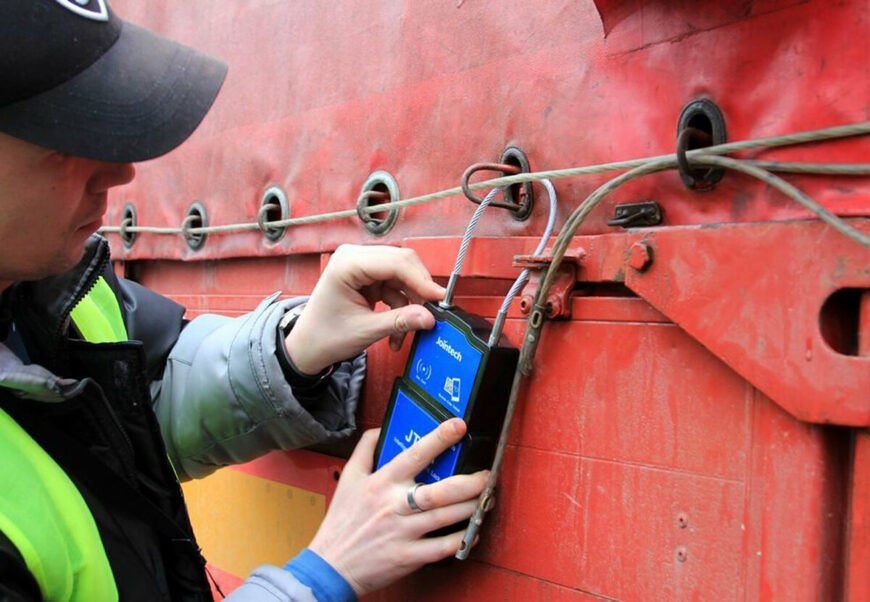
He explained to The Times of Central Asia that a navigation seal is a device equipped with an electronic module and a sealing element with satellite navigation capabilities. It enables the location of a vehicle to be tracked via GPS, with data transmitted to the system through mobile networks.

The device records attempts to open or damage the seal, break the sealing cable, interfere with the equipment, or trigger other abnormal events. All information is automatically transmitted to the monitoring system.

To manage the process, a mobile app called Transit has been developed. It allows users to activate and deactivate seals, scan QR codes, and record the installation of the device with photographs.

Transportation will be monitored by a 24-hour dispatch center that tracks vehicle movements, analyzes incoming data, and communicates with drivers in the event of abnormal situations.

Communication Problems and Technical Risks

One potential challenge remains unstable mobile coverage along certain sections of transport routes.

According to Toishibekov, the system allows for offline operation in such cases. When connectivity is unavailable, operations with the seal can be performed via Bluetooth, with the data transmitted to the system once the connection is restored.

In addition, satellite internet and other technical solutions are planned for use at certain checkpoints to improve system stability.

The cost of using navigation seals varies depending on the country and the mode of transport.

According to current estimates, the cost of services in Kazakhstan is approximately:

  • about $83 for the start of transportation and tracking by road;
  • about $140 for the start of transportation and tracking by rail;
  • about $57 for transit through the country;
  • about $76 for the completion of transportation tracking.

The national operator says that the cost of sealing represents only a relatively small share of overall transportation expenses.

Business representatives, however, take a different view.

According to Timur Zharkinov, deputy chairman of the board of the Atameken National Chamber of Entrepreneurs, calculations by businesses suggest that the system’s introduction could significantly increase logistics costs.

In some cases, the cost of rail transport could rise by tens of percent, particularly when transporting small consignments of goods.

Entrepreneurs argue that mandatory sealing could become an additional administrative burden, especially for small and medium-sized businesses.

Which Goods Will Be Subject to Control

The system will be implemented in stages. In the first phase, tracking will apply to:

  • alcoholic beverages;
  • tobacco and tobacco products;
  • goods subject to special economic measures;
  • certain categories of consumer goods transported by road.

In the future, the list may expand to include additional cargo categories and rail shipments.

The business community has proposed maintaining exemptions from mandatory sealing for several categories, including humanitarian aid, the transport of animals, hatching eggs, and international postal items.

Digitalization of Logistics or New Barriers?

By the end of 2026, Kazakh authorities plan to expand the use of navigation seals and increase the infrastructure operated by the national system provider. Plans also include further development of the information system and improvements to regulations governing the interaction among transport participants.

Authorities argue that the system will improve transit transparency, reduce cases of false transit declarations, and increase budget revenues.

Businesses, however, are calling for a careful assessment of the economic consequences of the technology’s introduction and, if necessary, a revision of tariffs.

Whether the project ultimately becomes a tool for modernizing logistics or a new barrier to trade will likely become clear in the first years of its implementation.

Public-Private Partnership Makes Strides in Kazakhstan

In Kazakhstan, public-private partnerships (PPPs) have become a mechanism for implementing infrastructure projects using limited government financial resources. At a briefing on February 25, Aslan Kaligazin, Chairman of the Management Board of the Kazakhstan Public-Private Partnership Center, spoke about public-private partnership development in 2025 and outlined priorities for the future.

According to Kaligazin, Kazakhstan has so far concluded 1,257 PPPs and concession agreements totaling KZT 3.6 trillion (€7.19bn). Of these, 697 projects are currently being implemented. Only 17 these projects are implemented at the national level, while accounting for more than half (KZT 1.8 trillion, $3.6bn) of the total projects’ value.

The absolute majority of the PPPs – 1,240 projects – are being implemented at the local level.

The projects mainly concentrate in the social sector, healthcare, education, energy, and housing and utilities, together accounting for over 88% of all contracts.

Transport and infrastructure represent a significant share in value terms: around 27% of the total portfolio.

Kaligazin noted that PPP in Kazakhstan has been undergoing a transformation in recent years: while the number of contracts is declining, the average project size is increasing. Prior to 2022, the average project cost stood at approximately KZT 6 billion ($11.99 million, but increased to KZT 18 billion ($25.97 million) in 2022–2025. The portfolio is increasingly shaped not by small social facilities, but by large-scale and technologically sophisticated infrastructure projects.

Among the most capital-intensive projects of 2025 were the construction of Industrial Park No. 2 in the Astana Technopolis Special Economic Zone, and a project to introduce AI-based solutions into Astana’s security and urban infrastructure management system.

The Kazakhstan Public-Private Partnership Center’s future plans include identifying priority infrastructure and sectoral segments where PPPs should become the primary project delivery mechanism. A list of areas will be formed in which PPP projects will gradually replace projects financed exclusively from the state budget.

“Our task is not to formally expand the PPP portfolio, but to develop sustainable, well-structured projects that deliver long-term economic impact and tangible benefits for citizens,” Kaligazin concluded.

In recent years, Kazakhstan has adopted legislative amendments increasing the efficiency and transparency of PPP project planning. PPP contracts are now concluded solely on a competitive basis, and the planning and competitive selection procedures have been digitalized, according to the Ministry of National Economy.

To engage private business in the creation of social infrastructure, a Comprehensive PPP Development Plan for 2024–2028 was adopted, providing for the implementation of 43 projects in the areas of education, healthcare, sports, and social protection.


Opinion: Islamic State Khorasan Province and the Strategic Risks for Central Asia

In modern Eurasia, threats are increasingly becoming part of the strategic environment. At times, they even turn into political instruments.

When discussing terrorism, analysis usually focuses on the level of danger it poses. Far less attention is given to whether such threats are assumed to be manageable.

The problem lies not only in the existence of radical groups, but also in the illusion that they can be controlled or used to serve someone’s strategic interests. Iranian analyst Nozar Shafiee, writing for the Tehran-based Institute for East Strategic Studies, describes ISKP as a decentralized and transnational network that can continue operating even after losing territorial control. This perspective is rarely discussed in public analysis of the region, which is precisely why it deserves attention.

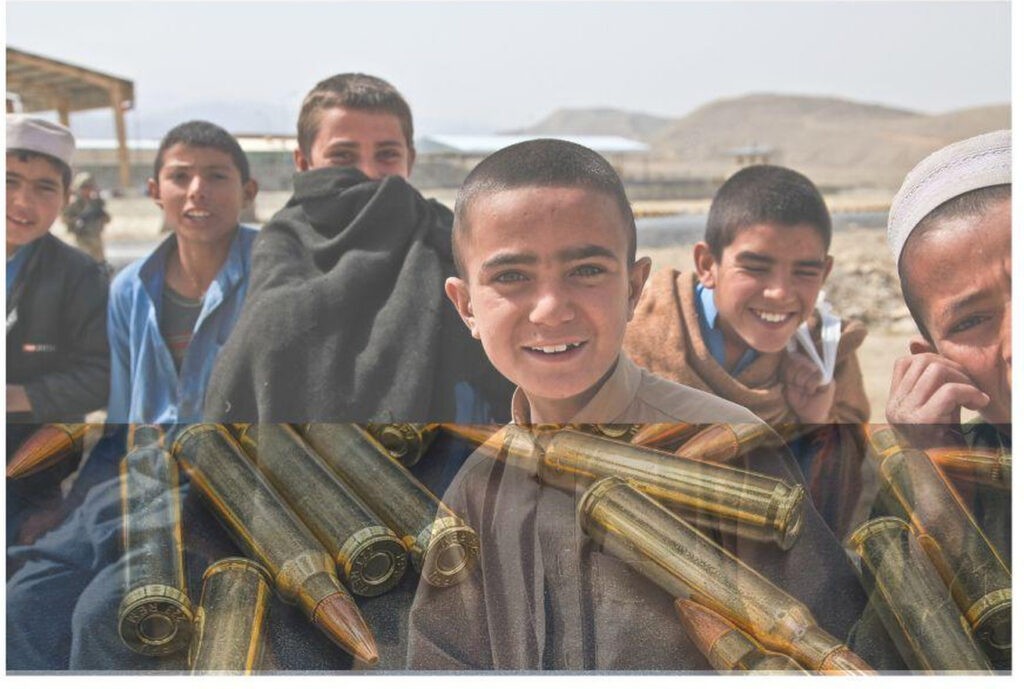
Islamic State Khorasan Province (ISKP), the Afghan branch of the Islamic State group operating in Afghanistan and Pakistan, with demonstrated intent for external operations, has long ceased to depend on localized footholds. Even after losing territorial control, the organization did not disappear. Instead, it transformed.

Today, it functions as a flexible network of small cells. It no longer needs to control a city or province to remain dangerous. It relies on the internet for recruitment and propaganda, operates through autonomous groups, and conducts high-profile attacks designed to attract attention and create an atmosphere of instability.

However, there is another aspect that receives far less attention. In the context of regional competition, there is sometimes a temptation to view such structures as potential proxy forces, instruments of pressure that could theoretically be restrained or directed in a desired direction. The logic is simple: as long as the threat is not directed at us, it can be treated as part of a broader geopolitical game.

History, however, demonstrates that this is a dangerous illusion. Radical networks do not function as controllable instruments. They operate according to their own logic and eventually move beyond the limits within which they were meant to be contained.

There are numerous historical examples in which support for radical groups as a temporary strategic tool has “backfired.” Organizations created or supported for tactical purposes eventually began acting autonomously and turned their weapons against their former patrons. As Western analysts often note, supporting proxies who do not share your ideological legitimacy inevitably carries the risk that they will eventually turn against you.

This represents a key risk for neighboring regions. Unlike traditional conflicts, networked extremist structures are not confined to a single territory. Their influence spreads through digital platforms, ideological narratives, and transnational connections. Even if attempts to instrumentalize such groups occur far from the region’s borders, the consequences can still affect it directly.

This discussion is particularly relevant for Central Asia.

First, modern terrorism no longer depends on physically crossing borders. In the mid-2010s, several thousand individuals from Central Asian countries became involved in conflicts in Syria and Iraq. Recruitment did not take place primarily through physical training camps but through online networks. Geographic distance offered little protection.

Second, ISKP propaganda materials are distributed in Central Asian languages. ISKP propaganda frequently highlights and promotes the idea of Central Asian militants and targets Uzbek- and Tajik-speaking audiences. This suggests that its intended audience extends far beyond the territory of a single state. Extremist networks actively engage with the cultural and linguistic space of the region.

The proximity of Afghanistan amplifies these factors. Even without direct infiltration across borders, the risks of ideological influence and localized radicalization remain.

As the region becomes more open and integrated, the need for coordinated security cooperation increases. The key conclusion is clear: no country in Central Asia can afford to view itself as an outside observer.

In the context of networked threats, isolation is not an option. A threat may not be visible today. It may appear distant. Yet in the digital age, security is increasingly interdependent.

This does not mean that Central Asia is on the verge of destabilization. On the contrary, in recent years, the region has demonstrated an ability to coordinate policies and pursue pragmatic approaches. However, the evolving nature of security threats requires constant adaptation, particularly as networked extremist structures move beyond traditional security models.

Relying solely on force is no longer sufficient. A comprehensive strategy is required, including information sharing, monitoring financial flows, countering online propaganda, and addressing the social drivers of radicalization.

In a broader sense, it is important to remember that attempts to treat extremist networks as potential proxy forces almost always produce unintended consequences. Over time, such structures begin operating according to their own logic and spiral beyond control. This pattern is universal and not confined to any specific region or political context.

For Central Asia today, the challenge is not only responding to threats but also assessing their true nature. In some cases, the greatest danger lies not in the threat itself, but in the belief that it can be controlled.


The views expressed in this article are those of the author and do not necessarily reflect the official policy or position of the publication, its affiliates, or any other organizations mentioned.