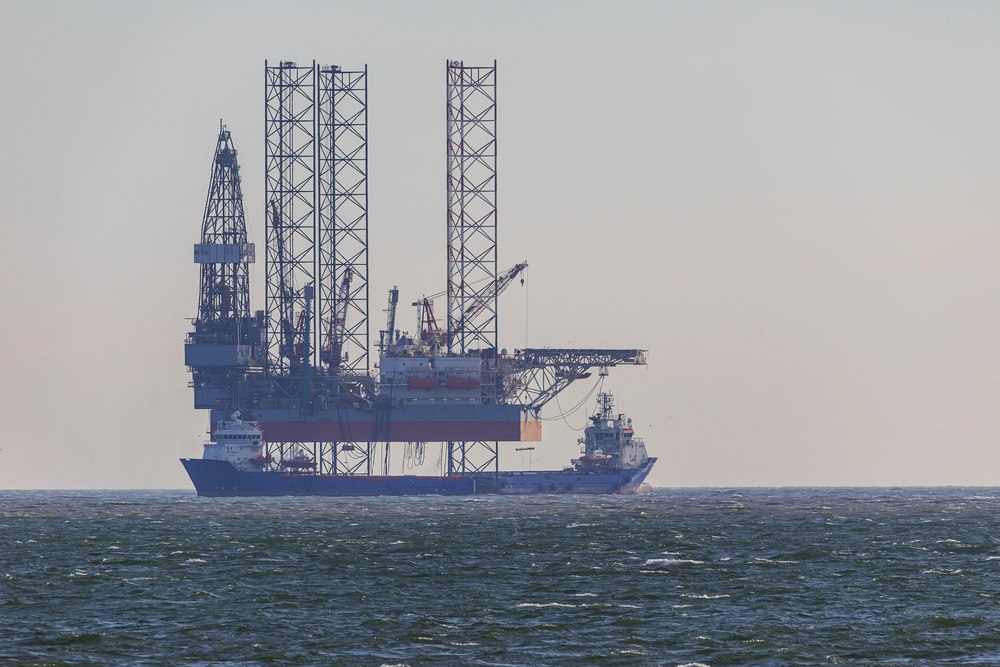
Kazakhstan has suspended enforcement proceedings to collect about $5 billion from North Caspian Operating Company (NCOC), the operator of the Kashagan oil field. The fine itself remains in force. The pause followed a new challenge by the company in a Kazakh court, and the Justice Ministry has said it intends to resume collection efforts.
Enforcement proceedings involving 2.3 trillion tenge ($5.06 billion) were suspended on September 7. NCOC challenged the actions of a state enforcement officer, after which the Specialized Interdistrict Administrative Court of Atyrau Region requested the case materials. While those materials are before the court, enforcement proceedings must be suspended.
Before the suspension, authorities had stepped up collection efforts. The deadline for voluntary payment expired on July 20, after which the authorities began enforcement proceedings. On July 21, NCOC’s property and vehicles were frozen. The company’s managing director, Giancarlo Ruiu, was also warned of possible administrative and criminal liability for failure to comply with the court ruling.
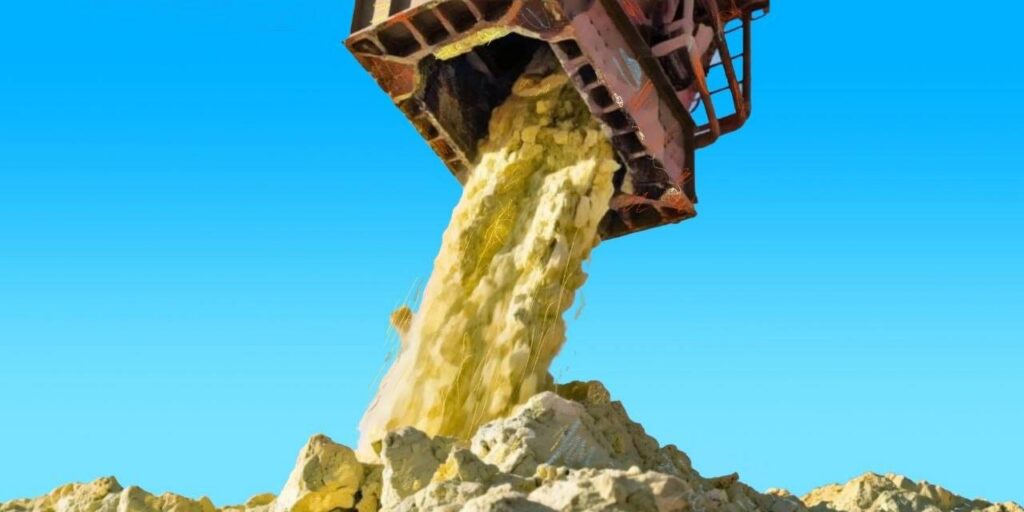
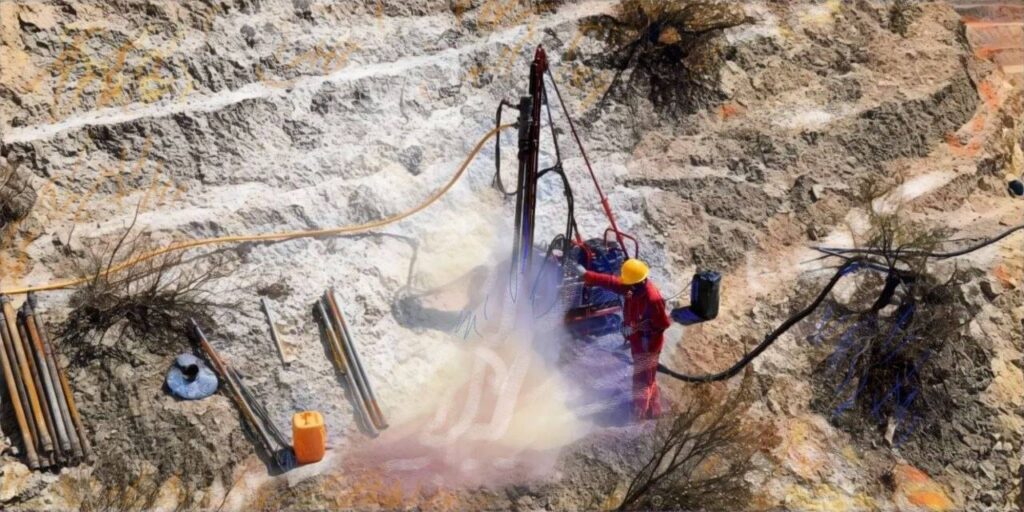
At issue is sulfur produced as a byproduct of processing oil and gas at Kashagan. Kazakhstan’s environmental authorities accused NCOC of storing volumes exceeding the limits set by its environmental permit. The consortium rejects both the allegations and the fine.
Although the authorities’ original order was overturned over procedural violations, environmental regulators subsequently issued a new one. The reissued penalty was upheld by Kazakh courts, including the Atyrau Regional Court in June 2026, allowing the authorities to move toward enforcement.
The dispute also has an international legal dimension. NCOC’s foreign shareholders have challenged the penalty through international treaty arbitration. Separately, NCOC said in July that a tribunal applying the rules of the United Nations Commission on International Trade Law (UNCITRAL) had issued an interim order barring Kazakhstan from enforcing the fine while those proceedings were pending.
Kazakh authorities rejected NCOC’s interpretation of the order, arguing that the commercial arbitration tribunal could not prevent the state from enforcing its environmental laws and domestic court judgments.
The Justice Ministry has made clear that the current suspension stems from NCOC’s challenge to the enforcement officer in a Kazakh administrative court, rather than from the UNCITRAL order.
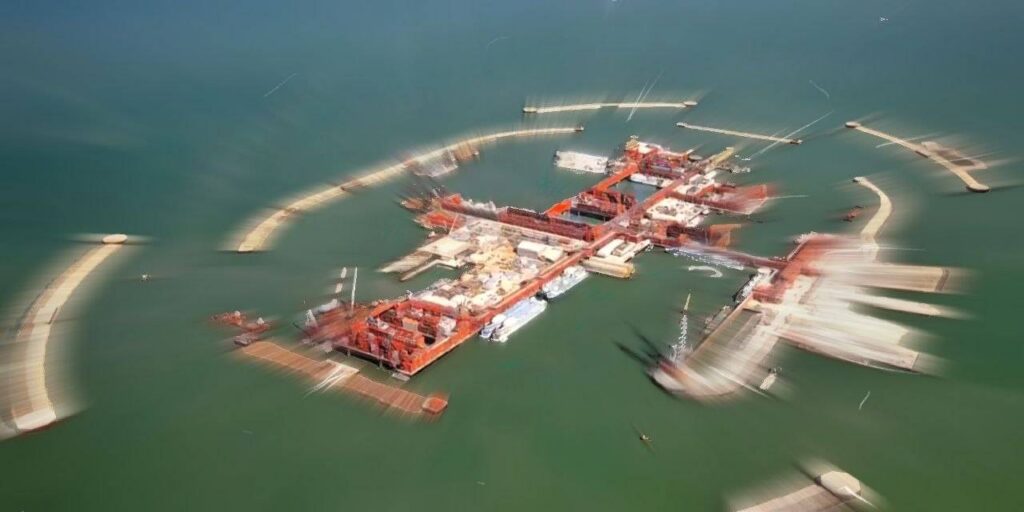
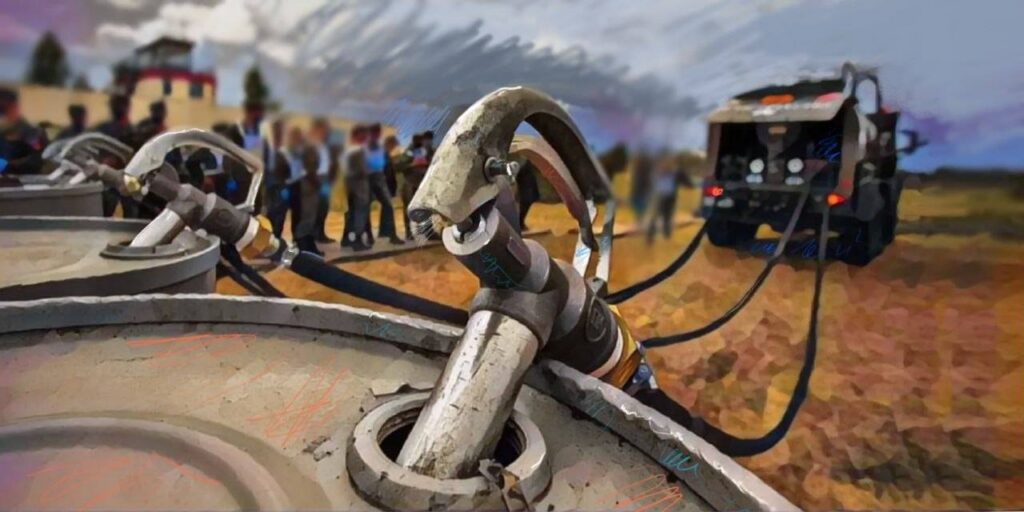
Kashagan is one of Kazakhstan’s largest oil fields and one of the world’s biggest oil discoveries of recent decades. Recoverable reserves are estimated at 9 billion to 13 billion barrels. The field produced 18.2 million tons of oil in 2025.
The project is backed by some of the world’s largest oil companies. KazMunayGas holds 16.88%, while Eni, ExxonMobil, Shell, and TotalEnergies each hold about 16.81%. CNPC owns 8.33% and Japan’s Inpex 7.56%.
For Kazakhstan, Kashagan is one of its main sources of oil production and export revenue. For the international companies, the dispute is also a test of the operating environment at the country’s largest oil fields. Kazakhstan accounts for around 2% of global daily oil supply, and the Kashagan case comes amid several multibillion-dollar legal disputes between Astana and international oil companies.
The environmental fine is not the only dispute surrounding Kashagan. Kazakhstan has also brought claims against investors over costs that the consortium classified as recoverable under the production-sharing agreement. Against this backdrop, some oil companies and analysts have described the government’s approach as “resource nationalism” – an effort to secure greater control and a larger share of revenues from the oil sector. Astana rejects that characterization.
For now, compulsory collection is on hold rather than canceled. The Justice Ministry says it intends to resume efforts to recover the money once the court returns the enforcement case materials.