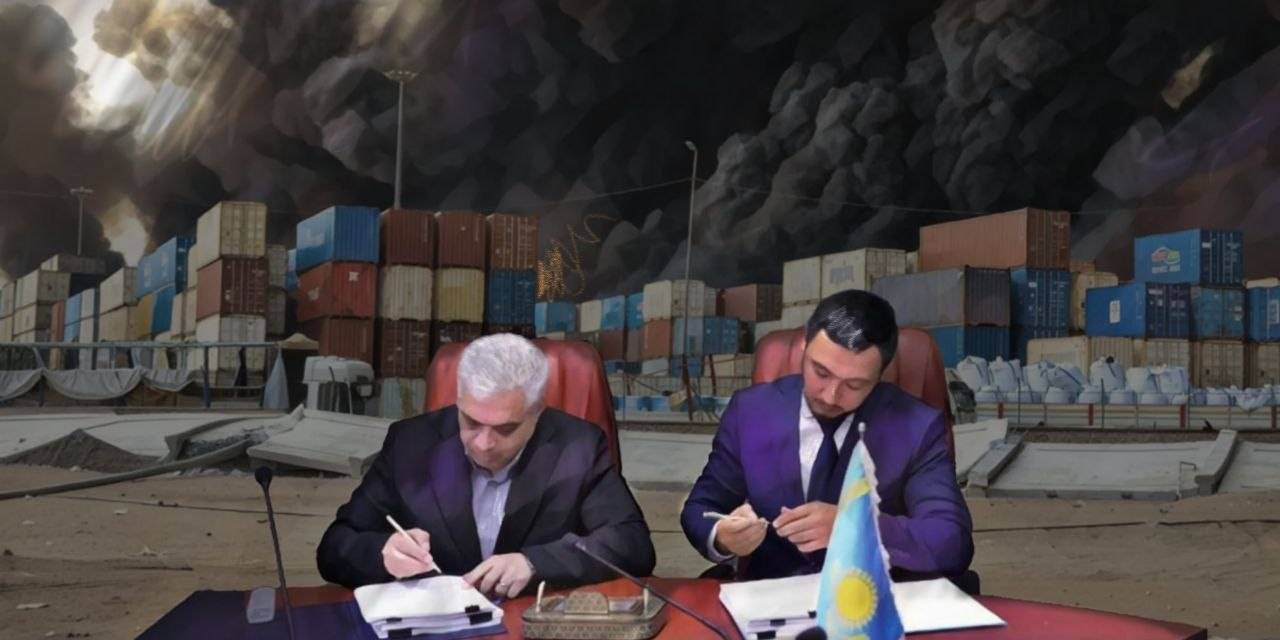
Kazakhstan has moved a long-planned southern trade project from talks to contract. The move gives Astana a possible foothold on the Persian Gulf, but it comes as a second night of U.S. strikes on Iran and Iranian retaliation around the Gulf states have raised the cost of using that route.
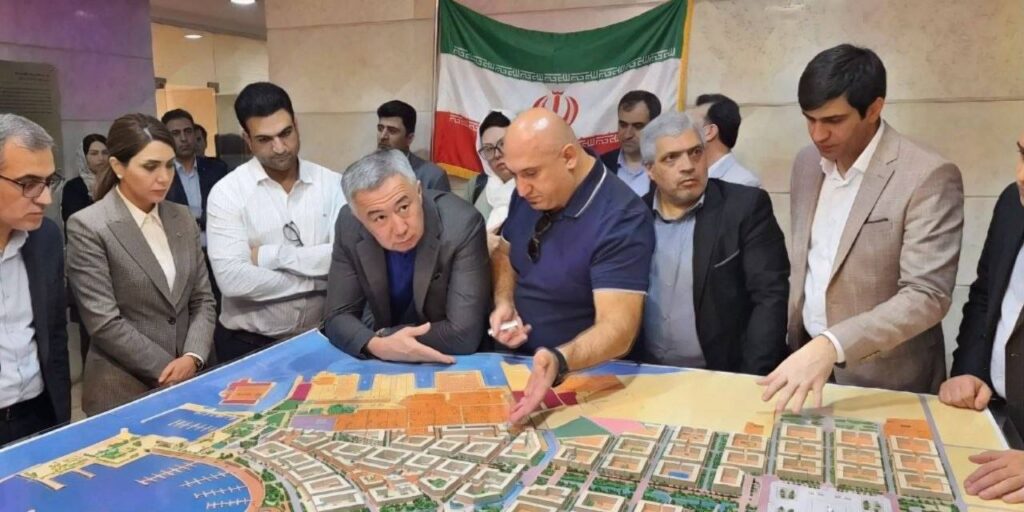
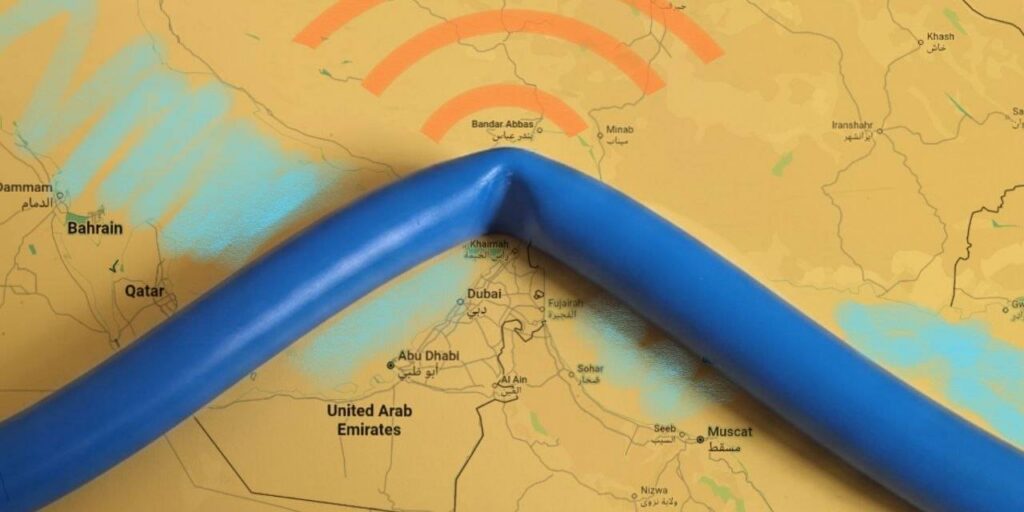
On June 28, Kazakhstan and Iran signed a 27-year BOT agreement to build a Kazakh transport and logistics terminal at Iran’s Shahid Rajaee Port in Bandar Abbas. The contract gives the project two years for construction and 25 years for operation, with commercial activity expected in the third year. Aman Malgazhdarov of QazExportPromotion signed for Kazakhstan, and Hossein Abbas Nejad of Hormozgan’s Ports and Maritime Organization signed for Iran.
The project is designed to plug Kazakhstan into the International North-South Transport Corridor and widen export access to the Persian Gulf, South Asia, Southeast Asia, and East Africa. The $25 million investment covers a 15-hectare logistics center that could handle 1.5 million tons of goods a year. Mohammad Shakibi-Nasab, the head of Iran’s Ports and Maritime Organization, said it would “create jobs… increase the operational capacity” of Shahid Rajaee and “boost ports along the North-South corridor.” Malgazhdarov called it the “core of a future Kazakh port” within Shahid Rajaee.
That ambition now sits beside a worsening security picture. On July 8, U.S. President Donald Trump declared the interim agreement to end the Iran war “over” after attacks on three cargo ships in the Strait of Hormuz. Asked about the deal, Trump said: “It’s over. I don’t want to deal with them.” The U.S. then launched a new round of strikes, and Iran fired on U.S. sites in Bahrain and Kuwait. U.S. Central Command said the attacks were meant to “further degrade” Iran’s ability to threaten navigation in the strait, with Trump warning, “If it happens again, it will get much worse!”
By July 9, the U.S. military said it had struck 170 Iranian targets in 48 hours. Iran had fired at U.S. bases in Bahrain, Kuwait and Qatar, and Iran’s health ministry said U.S. strikes on July 7 and 8 killed 14 people and wounded 78. The attacks hit Bandar Abbas, where Shahid Rajaee is located, and other southern coastal areas. Crude oil prices rose by 5% as the risk widened.
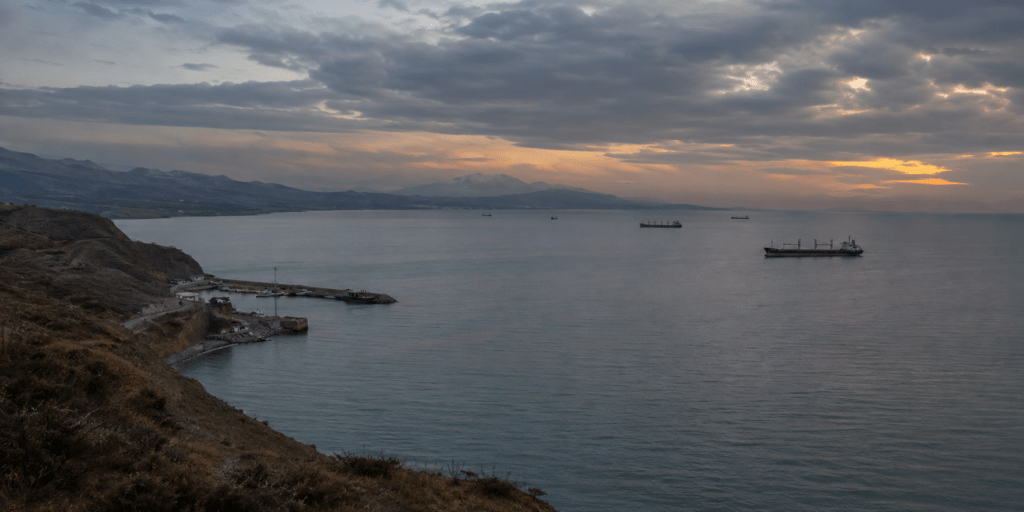
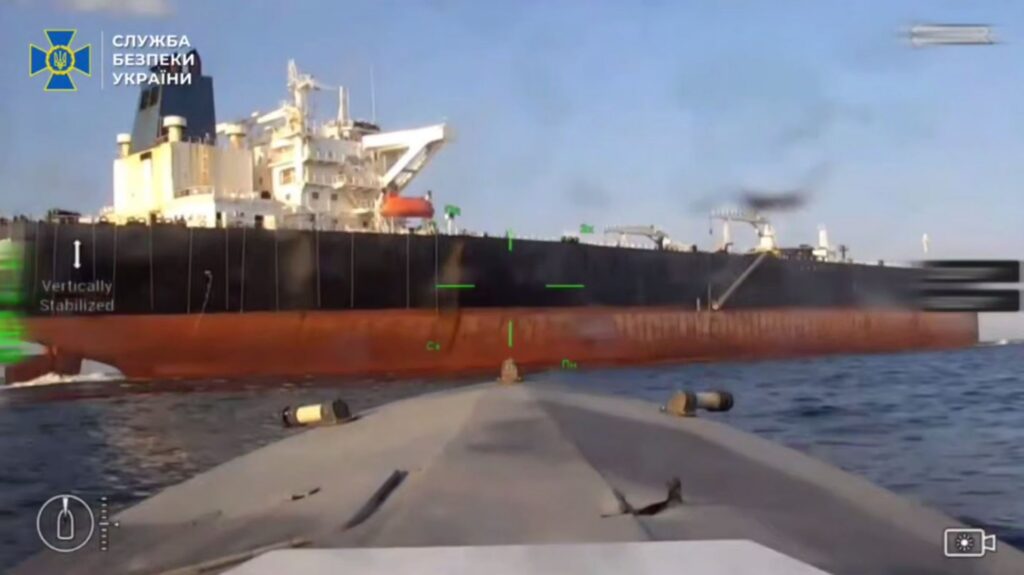
For Kazakhstan, the timing is uncomfortable. Shahid Rajaee sits near the Strait of Hormuz, the waterway that connects the Persian Gulf to the open sea. The port offers one of Central Asia’s shortest southern outlets, but the approach depends on a zone where security, insurance premiums, and naval risk can change quickly. A terminal can lower handling costs and improve control over cargo, but it cannot remove war risk at the maritime end of the corridor.
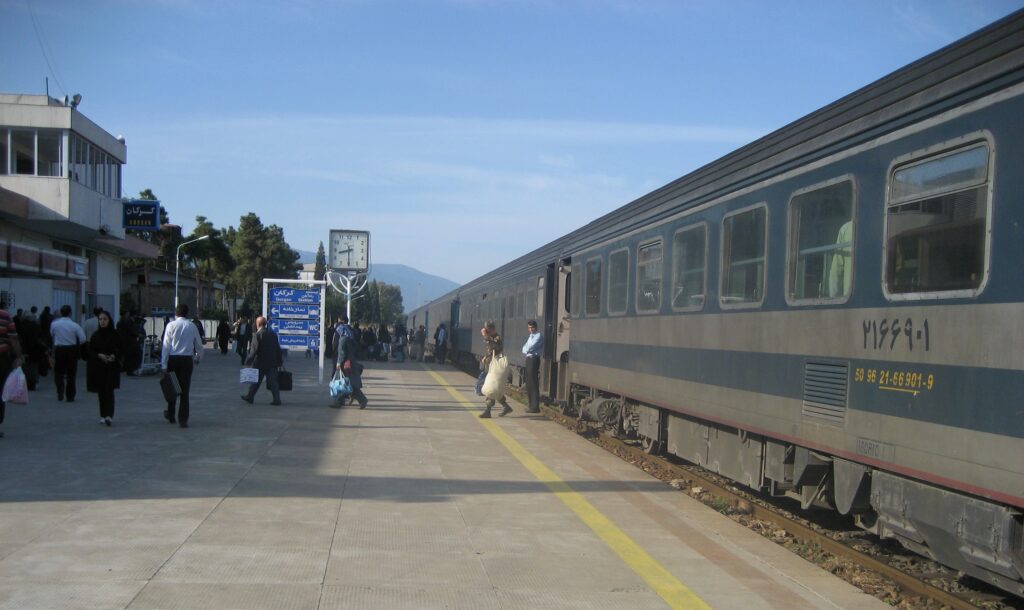
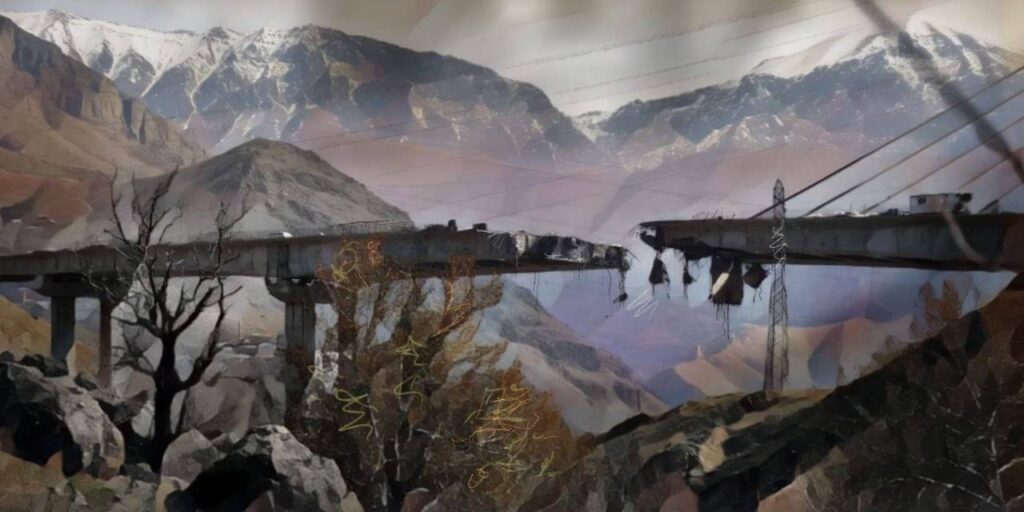
The risk may not be limited to the Gulf. The Financial Times reported that a railway bridge near Aqqala in Golestan Province was hit with cruise missiles, citing Iran’s Revolutionary Guards. The bridge lies on the Gorgan-Incheh Borun line, which carries passengers and cargo toward Turkmenistan and forms part of the corridor linking Iran, Turkmenistan, and Kazakhstan.
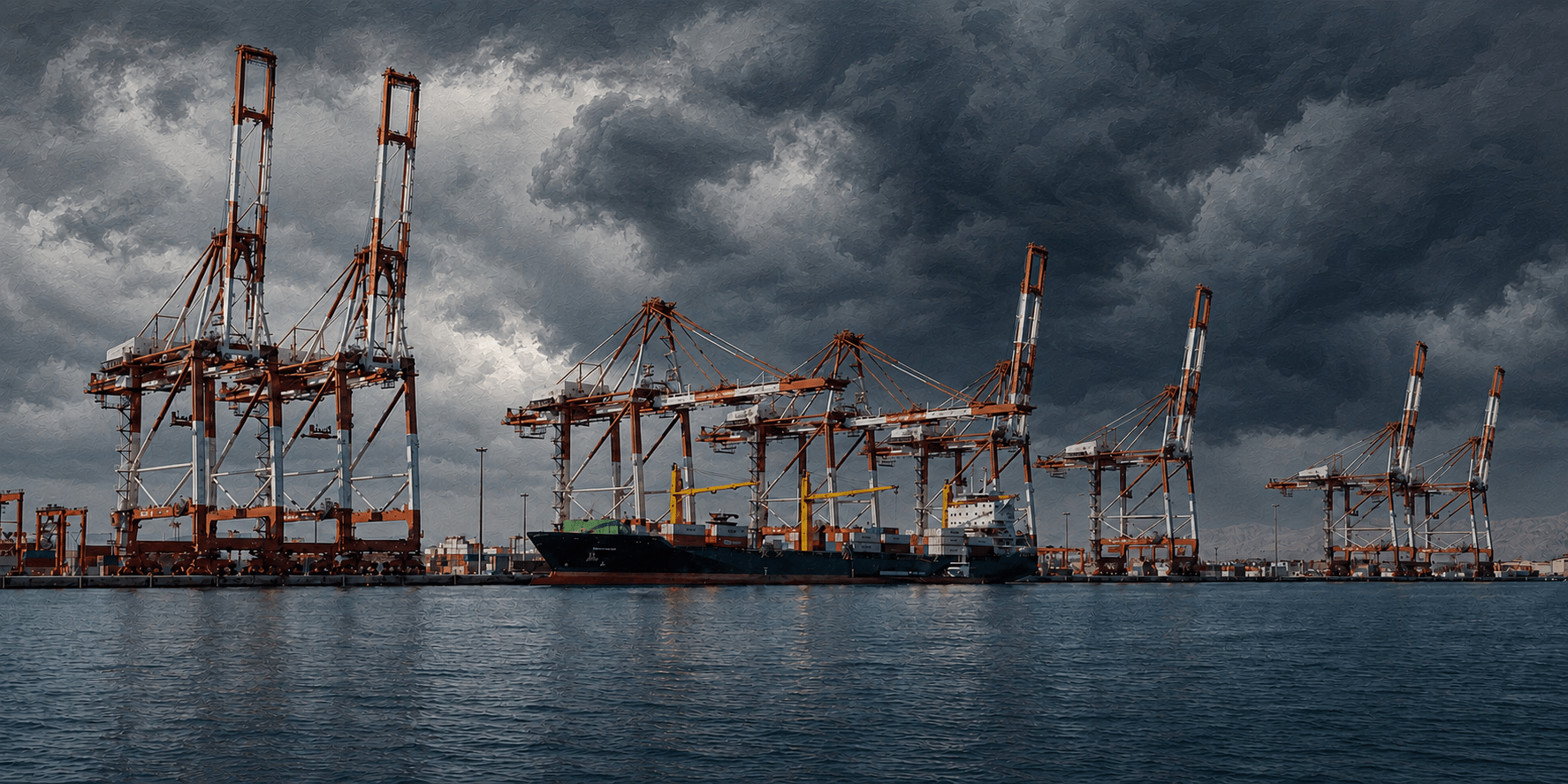
Shahid Rajaee Port; image: TCA, Stephen M. Bland
Astana still has clear reasons to proceed. Landlocked Kazakhstan has spent three decades trying to reduce dependence on routes running north through Russia. The Kazakhstan-Turkmenistan-Iran railway, opened in 2014, already links western Kazakhstan with Iran’s rail network through Bereket and Gorgan. In stable conditions, that line can carry Kazakh grain, metals, containers, and other goods toward Iranian ports and onward to wider markets.
The trade base remains modest, limiting short-term exposure. TCA previously reported bilateral trade with Iran grew 26.4% in 2025 to $430.2 million. Officials have a much higher target in mind. During June talks in Astana, Deputy Prime Minister Serik Zhumangarin said the two presidents had set a goal to raise trade to $3 billion. He said North-South corridor cargo rose 12% in 2025 to 3.5 million tons, while Kazakhstan-Iran rail freight increased by 69%.
The port plan is part of that push, while also fitting into Kazakhstan’s multi-vector transport policy. Astana is building several routes to the sea, then adjusting use according to cost and risk. That policy also has a diplomatic cost: Central Asian governments sent senior delegations to Khamenei’s funeral, including Kazakhstan’s foreign minister, while still pursuing trade and diplomatic ties with Washington.
The Middle Corridor remains the safer political route for Western partners. Freight through Kazakhstan on the Trans-Caspian International Transport Route rose from 0.8 million tons to 4.5 million tons over seven years. The route links China and Europe through Kazakhstan, the Caspian Sea, Azerbaijan, Georgia, and Turkey. It avoids Russia and does not pass through the Gulf.
Europe has backed that route with money and policy attention. In June, Kazakhstan and European partners unveiled four transport agreements worth a combined $462 million during Tokayev’s visit to Belgium. The package focused on road, port, terminal, and container-shipping links. That western route has bottlenecks, especially in Caspian capacity and border coordination, but its political risk differs from Iran’s.
Iran gives Kazakhstan something the Middle Corridor cannot: a southern outlet toward the Gulf, India, Pakistan, Southeast Asia, and East Africa. It also gives traders another option when prices, congestion, or politics squeeze one route. That logic explains Astana’s interest in Shahid Rajaee, Chabahar, Aktau, Kuryk, the Trans-Caspian route, and possible links toward Pakistan.
Recent statements show that flexibility. Iran offered Kazakhstan access to Chabahar, its deep-water port on the Gulf of Oman, while Kazakhstan offered to consider giving Iranian companies space at Aktau and Kuryk on the Caspian. Zhumangarin said in June that the project had been paused because of regional tensions, but could resume. He also said: “If sanctions are lifted,” exports will increase significantly. He said the Bandar Abbas project would use private investment, not state funds.
Private capital lowers the fiscal risk for Astana, but it does not make the route immune to sanctions or war insurance. As the U.S. and Iran trade strikes, banks, insurers, shipping firms, and logistics companies will price that risk into every shipment. Some may avoid the route altogether.
The wider region is watching for the same reason. Southern routes through Iran give Central Asia access to ports on the Persian Gulf and the Indian Ocean, but they also expose the region to a conflict beyond its control. The June framework briefly raised hopes that those routes might reopen with lower risk. The latest strikes and retaliation have weakened that assumption.
Kazakhstan is keeping the Iranian route alive because geography makes it useful. It is expanding the Middle Corridor because geopolitics makes alternatives necessary. It is seeking Gulf, South Asian, and European outlets because no single corridor can carry all the risk.
The Shahid Rajaee terminal may still be built. Its two-year construction window means the first commercial cargo is not expected immediately. By the time it opens, the security picture may be different. But the deal already shows how Kazakhstan is thinking. Route diversification is no longer a slogan in Astana. It is a set of terminals, railways, port leases, tariff talks, and contingency plans, moving under the pressure of war, sanctions, and shifting trade flows.
– Explore our complete Gulf crisis timeline, bringing together every major development and its implications for Central Asia in chronological order.