• KGS/USD = 0.01144 0%
  • KZT/USD = 0.00214 0%
  • TJS/USD = 0.10508 0.48%
  • UZS/USD = 0.00008 0%
  • TMT/USD = 0.28490 -0.28%
  • KGS/USD = 0.01144 0%
  • KZT/USD = 0.00214 0%
  • TJS/USD = 0.10508 0.48%
  • UZS/USD = 0.00008 0%
  • TMT/USD = 0.28490 -0.28%
  • KGS/USD = 0.01144 0%
  • KZT/USD = 0.00214 0%
  • TJS/USD = 0.10508 0.48%
  • UZS/USD = 0.00008 0%
  • TMT/USD = 0.28490 -0.28%
  • KGS/USD = 0.01144 0%
  • KZT/USD = 0.00214 0%
  • TJS/USD = 0.10508 0.48%
  • UZS/USD = 0.00008 0%
  • TMT/USD = 0.28490 -0.28%
  • KGS/USD = 0.01144 0%
  • KZT/USD = 0.00214 0%
  • TJS/USD = 0.10508 0.48%
  • UZS/USD = 0.00008 0%
  • TMT/USD = 0.28490 -0.28%
  • KGS/USD = 0.01144 0%
  • KZT/USD = 0.00214 0%
  • TJS/USD = 0.10508 0.48%
  • UZS/USD = 0.00008 0%
  • TMT/USD = 0.28490 -0.28%
  • KGS/USD = 0.01144 0%
  • KZT/USD = 0.00214 0%
  • TJS/USD = 0.10508 0.48%
  • UZS/USD = 0.00008 0%
  • TMT/USD = 0.28490 -0.28%
  • KGS/USD = 0.01144 0%
  • KZT/USD = 0.00214 0%
  • TJS/USD = 0.10508 0.48%
  • UZS/USD = 0.00008 0%
  • TMT/USD = 0.28490 -0.28%

Kyrgyzstan Faces Elite Realignment as Tashiyev Network Comes Under Pressure

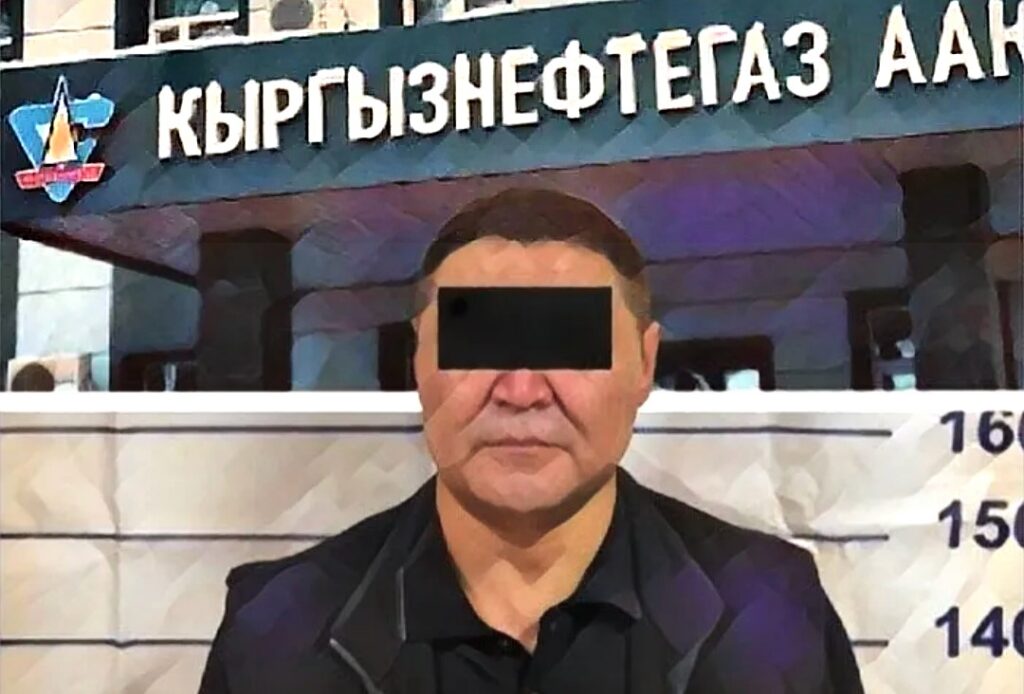
In the last week, political tensions in Kyrgyzstan have risen following the arrest of Shairbek Tashiyev, the brother of Kamchybek Tashiyev, the former head of the State Committee for National Security (GKNB). Shairbek, a former member of the Jogorku Kenesh, Kyrgyzstan’s parliament, was detained on April 1 following questioning at the Ministry of Internal Affairs.

The case unfolds against the backdrop of a widening rift between President Sadyr Japarov and his once long-time ally Tashiyev, who played a key role in helping Japarov consolidate power following the political upheaval of October 2020. After coming to power, President Japarov and Tashiyev built one of the most consolidated political tandems in Kyrgyzstan’s post-Soviet history, concentrating authority across the presidency, parliament, and security structures.

In February, Tashiyev was removed from his position, followed by what observers described as a broader sidelining of his allies within security structures and parliament. This fueled speculation about a breakdown in the political partnership that had underpinned relative stability in recent years.

Shairbek Tashiyev is now a central suspect in a corruption investigation involving the state-owned company Kyrgyzneftegaz. The Ministry of Internal Affairs announced the criminal case on March 17, following materials released by the State Tax Service alleging financial misconduct within the company.

According to investigators, former executives of Kyrgyzneftegaz and affiliated private entities were detained shortly after the case was opened. A criminal case was initiated under Article 336 of the Criminal Code, alleging “Corruption.”

Among those detained was former National Bank head Melis Turgunbayev, whose pretrial detention was later changed to house arrest by a court in Bishkek.

It later emerged that another of those initially detained was Baigazy Matisakov, identified as a nephew of Kamchybek Tashiyev. He was subsequently released after reportedly reaching an agreement with investigators.

On April 2, a court ordered Shairbek Tashiyev to remain in custody until May 16, 2026. His lawyer stated that he denies the charges and considers them unfounded.

The investigation, led by the State Tax Service and the Ministry of Internal Affairs, covers Kyrgyzneftegaz’s operations from 2021 to 2025. Authorities allege total financial violations amounting to 4.1 billion soms (approximately $46.5 million), including lost profits and unpaid taxes.

Investigators have outlined three main alleged schemes that they are continuing to investigate. The first involved intermediary companies allegedly linked to individuals close to the Tashiyev family, which resold oil to the Kyrgyz Petroleum Company refinery. The second involved the write-off of raw materials, with around 20,000 tons of oil reportedly classified as “technological losses” beyond established norms. The third concerned preferential sales, with diesel and fuel oil allegedly sold at below-market prices to favored companies.

The case is being watched closely in Kyrgyzstan, where elite reshuffles have historically signaled broader political realignments rather than isolated legal actions.

It remains unclear whether the investigation will expand further and implicate additional individuals connected to Tashiyev or what the potential impact could be on the broader political environment within the country. 

Central Asian Startups See Investment Surge

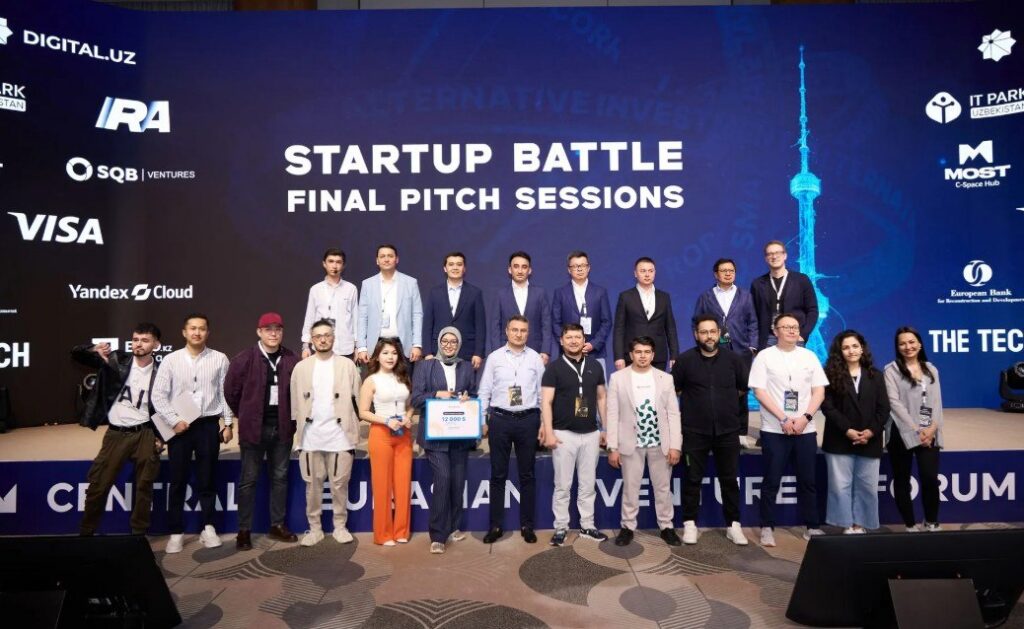
The fifth Central Eurasian Venture Forum (CEVF 2026) opened in Uzbekistan for the first time, drawing around 800 investors, startups, and technology companies from Central Asia, Europe, the U.S., Southeast Asia, and the Middle East and North Africa.

Minister of Digital Technologies Sherzod Shermatov attended the opening ceremony.

The event was organized by MOST Holding and IT Park Uzbekistan with government support. Partners included Astana Hub, the European Bank for Reconstruction and Development, the International Finance Corporation, Visa, and others.

During the forum, the report Startups and Venture Capital in Central Asia 2026, prepared by RISE Research, was presented. According to the study, total venture capital investment in the region reached $320 million in 2025. The two largest deals, $130 million for Higgsfield and $65.5 million for Uzum, accounted for 61% of the total.

Excluding these deals, the market reached $124.5 million, marking a 31% increase compared to 2024 and indicating steady organic growth.

At the forum, the analytical agency RISE Research presented a study of the Central Asian venture capital market for 2025. According to the study, the volume of venture capital investments in Kazakhstan nearly tripled, reaching $209 million, with artificial intelligence being the main driver, accounting for approximately half of the total investment. 

In Uzbekistan, funding reached $33.8 million, an increase of more than eleven times compared to 2022. Including major deals, the Uzbek market is estimated at $99.3 million, with 85% of investment coming from domestic investors.

The forum also hosted the CEVF Awards ceremony, recognizing key players in the regional venture ecosystem.

In addition, the European Bank for Reconstruction and Development announced 13 finalists for its Star Venture program for Central Asia, aimed at supporting high-tech startups.

During the forum, cooperation agreements were signed with international partners, including companies from South Korea and the Middle East, to support the development of the startup ecosystem and attract investment. The second cohort of the Investment Readiness Accelerator (IRA) Tashkent program, focused on early-stage startups, was also launched.

Kazakhstan Plans Diesel Fuel Production from Coal

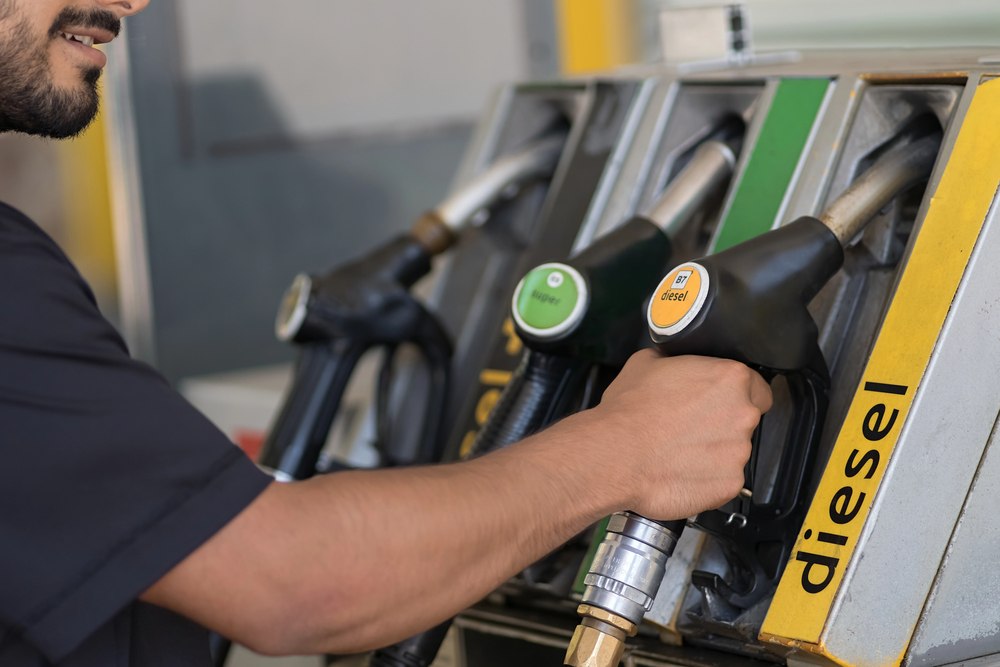
Two projects to produce diesel fuel from coal are underway in Kazakhstan, Energy Minister Yerlan Akkenzhenov said at a government meeting.

According to the minister, the projects, each with a capacity of 100,000 tons of diesel fuel per year, are being implemented in the Pavlodar and Karaganda regions. Their costs are estimated at $63 million and $65 million, respectively.

As part of efforts to develop the coal chemical industry, a $132 million project is also underway in the Karaganda region to produce metallurgical coke, with a capacity of 1 million tons per year.

The minister said the three projects will create about 3,000 jobs. Currently, around 32,000 people are employed in the coal industry. Three additional projects are in the planning stage. These include a coke-chemical production facility in the Karaganda region with coal tar processing capacity of up to 200,000 tons per year, benzene production of up to 35,000 tons, and coke oven gas purification.

Authorities are also considering the construction of a plant in the Abai region to produce ammonia and urea from coal (300,000 tons per year of each product), as well as a project to produce up to 2 billion cubic meters of gas from coal.

The minister noted that the development of the coal chemical industry faces several challenges, including high capital intensity, technological complexity, and the need to establish an appropriate regulatory framework.

He added that developing this sector would reduce dependence on imported petroleum products and increase exports of higher value-added products.

The coal industry remains strategically important to the country’s economy. In 2025, coal production reached 115.9 million tons, an increase of 7% compared to the previous year. Domestic consumption totaled 85.9 million tons, while exports stood at 30 million tons.

In 2026, coal production is projected to reach 128.9 million tons. Investment in the sector amounted to approximately $655 million in 2025 and is expected to rise to $1.1 billion in 2026.

The Times of Central Asia previously reported that Kazakhstan’s coal reserves could meet the country’s energy needs for 200-300 years. The authorities have also approved a coal-fired power generation development program that involves the construction of eight new power plants and the modernization of 11 existing ones.

Kazakhstan Pushes to Unlock Private Investment as IFC Backs Reform Drive

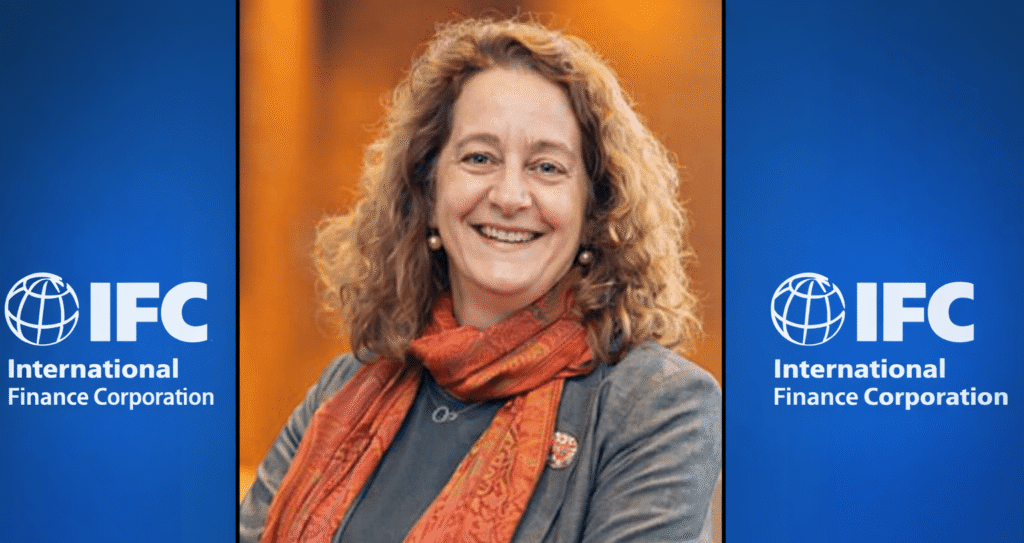
Kazakhstan is positioning itself as a more attractive destination for private investment, as authorities push to expand infrastructure, improve access to capital, and strengthen its role along key Eurasian trade routes. In an interview with The Times of Central Asia, Lisa Kaestner, the new Regional Director for Türkiye, Kazakhstan, and Uzbekistan at the International Finance Corporation (IFC), outlines how the World Bank Group’s private sector arm plans to support that shift, from backing transport corridors to mobilizing capital for businesses and infrastructure projects.

TCA: Since taking up your new role, how has your career path and leadership experience shaped your approach to this position?

Kaestner: I joined IFC as Resident Representative in Georgia in 1999, and that early experience shaped how I approach working directly with local partners and stakeholders. Since then, I’ve held several leadership roles across IFC and the World Bank, primarily in Eastern Europe and Central Asia, while also expanding into Africa, where I led advisory services to governments across Eastern and Southern Africa — working across sectors like agribusiness, tourism, housing, technologies and financial services to support private sector-led growth.

More recently, I served as Country Manager for Ukraine and earlier also Moldova, where I led IFC’s strategic work on expanding support for businesses and financial institutions and helping lay the groundwork for private sector participation in Ukraine’s reconstruction. In March 2026, I stepped into my current role as Director overseeing IFC’s activities in Türkiye, Kazakhstan, and Uzbekistan, focused on mobilizing private investment and advancing reforms in close partnership with governments and the private sector.

TCA: How do you assess the investment attractiveness of Kazakhstan at present?

Kaestner: Kazakhstan presents a compelling investment story. The country benefits from a strategic geographic position at the heart of Eurasia, significant natural resources, and a government that has demonstrated a genuine commitment to reform and private sector development.

From our point of view, several factors stand out as particularly encouraging. Kazakhstan has made meaningful progress in strengthening financial sector regulation and advancing infrastructure development. At the same time, we recognize that challenges remain. One key factor is the dominant role of the state in the economy, which represents roughly 40% of GDP, especially in major sectors like natural resources, electricity, telecommunications, and infrastructure. In this regard, we support the government’s efforts to increase private sector participation through privatization, IPOs, and public-private partnerships (PPPs).

Additionally, maintaining steady progress on governance, transparency, and the rule of law remains crucial for sustaining investor confidence in the long term. Diversifying the economy away from commodity dependence — while significant strides have been made — remains a priority, as does deepening domestic capital markets to reduce reliance on external financing. Broader reforms are needed to achieve stable economic growth and improve the business climate, which will allow Kazakhstan to reach the level of developed countries. Significant efforts to develop the Trans-Caspian Transport Corridor (TCTC)—also known as the Middle Corridor, which is becoming increasingly important as an alternative trade route between Asia and Europe are opening new opportunities for Kazakhstan as a transport and logistics hub.

IFC remains committed to supporting Kazakhstan’s ambitions to attract more private investment. IFC supports this objective through its own financing, the mobilization of financing by others, advisory services, and continued policy and reforms dialogue with the government and private sector.

TCA: Which areas of IFC’s work in Kazakhstan do you consider to be priorities for the coming years?

Kaestner: IFC’s upcoming 2030 Strategy enhances the World Bank Group’s focus on creating more and better jobs by scaling private capital mobilization, developing new approaches to expand equity investments, and increasing support for micro, small and medium enterprises (MSMEs). In Kazakhstan, IFC is working together with stakeholders to enhance the country’s regional trade, connectivity, and green transition by mobilizing capital to support new and existing infrastructure, especially along the Middle Corridor, railroads, including Almaty Bypass, and airports. In addition, there is a focus on mobilizing capital through the financial sector, with a focus on women and MSME financing, especially in rural areas and real-sector companies, especially those linked to agribusiness, being prioritized. This is especially important as SMEs account for 39% of the country’s GDP and employ over 44% of the economically active population. On the advisory side, IFC is leveraging its experience in structuring PPP projects to bring more private participation to Kazakhstan’s economy, particularly in key sectors like transport and energy.

TCA: Could you tell us about the projects that IFC is financing in Kazakhstan’s financial sector? What has been achieved as a result of their implementation, and are there plans for new projects?

Kaestner: Before diving in, let me share a few numbers that speak to where Kazakhstan stands on financial inclusion — and why this work matters.

Kazakhstan leads Central Asia in financial inclusion — it leads the region in account ownership, with 86% of adult women and 89% of men now holding bank accounts, according to the Global Findex 2024. But we know that account ownership is just the starting point. Real financial inclusion means people and businesses can actually access and use financial services to grow — and that is where IFC’s work in the financial sector comes in.

IFC provides financing to leading financial institutions in Kazakhstan, which then channel these funds into MSME lending — reaching entrepreneurs in rural and remote areas, and women-owned businesses that have historically had limited access to credit. For example, over the past five years, IFC has provided approximately $95 million to KazMicroFinance (KMF), Shinhan Finance, Arnur Credit, and Asian Credit Fund. Beyond financing, we offer a wide range of advisory services, helping financial institutions develop growth strategies, strengthen corporate governance, modernize risk management systems, and design new financial products that better serve underserved segments.

One example to highlight is our support for KMF’s transformation from a microfinance organization into a universal bank with a strong digital focus. This shift has significantly expanded KMF’s ability to serve MSMEs and contribute to job creation and broader economic growth. Looking ahead, we see tremendous untapped potential — for example, only around 30% of women in Kazakhstan are using credit or mobile money services, compared to 36% of men. Closing that gap remains a key priority, and we plan to continue deepening our partnerships with financial institutions to drive more inclusive and sustainable growth across the country.

TCA: Could you tell us about the projects that IFC is financing in infrastructure and sustainable development in Kazakhstan?

Kaestner: One of our most recent projects is a financing package for Kazakhstan’s state-owned railway operator, Joint Stock National Company Kazakhstan Temir Zholy (KTZ). IFC, together with other lenders, has provided $300 million equivalent in Swiss-franc-denominated financing to support the construction of the 130-kilometer electrified Almaty Railway Bypass. The bypass is expected to reduce congestion around Almaty by more than 40%, cut delivery times by up to 24 hours, and improve freight flows along the TCTC/Middle Corridor.

Another major project is our $222 million financing for the expansion of Almaty Airport, which marked a significant milestone in attracting private investment to Kazakhstan’s infrastructure sector. The upgraded airport is already delivering tangible results, including increased passenger and cargo throughput, greater operational efficiency, and stronger transport connectivity for Kazakhstan and the broader Central Asian region. What makes these projects particularly notable is their focus on modernizing critical transport infrastructure — distinct from the natural resource-driven investments that have historically dominated the region.

A further standout example is the BAKAD project — the Big Almaty Ring Road — the largest and most complex PPP in Kazakhstan to date, which drew significant international interest from companies across Spain, France, Italy, Hungary, Turkey, China, and South Korea. As lead advisor, IFC structured the PPP deal, supported a transparent international tender, and negotiated with the winning bidder — a Turkish-South Korean consortium — through to the signing of the agreement with the Government of Kazakhstan. This project is a strong demonstration of what rigorous preparation, effective public-private collaboration, and adherence to international best practices can achieve.

TCA: Does IFC plan to participate in financing any cross-border or regionally significant projects?

Kaestner: This is an area where we see great opportunities. Kazakhstan sits at the crossroads of Eurasia’s commodity flows, linking three major international rail corridors between East Asia, Central Asia, and Europe. As global supply chains diversify and shippers seek more resilient alternatives, the country’s geography and infrastructure have taken on renewed strategic importance — and the TCTC/Middle Corridor is at the heart of that shift.

This is where development finance institutions like IFC have a structural role to play. The TCTC runs through emerging markets with constrained fiscal space, limited domestic capital markets, and higher borrowing costs — conditions that make it difficult to finance large infrastructure projects through traditional means. IFC and other DFIs can bridge that gap by providing long-term financing, political risk insurance, guarantees, and co-financing alongside private investors. Crucially, this helps crowd in private capital and reduces the risk premiums that would otherwise deter investment.

On the ground, IFC is already engaged. As mentioned, our recent financing package for the Almaty Railway Bypass is a direct contribution to improving freight flows along the TCTC. Looking ahead, we see significant potential in airport modernization, urban infrastructure, and broader transport network development — and we are actively working with the Government of Kazakhstan, including through PPP structures, to unlock private investment in these areas. and we remain ready to support further cross-border and regionally significant projects as opportunities develop.

TCA: Is it possible that IFC will provide financing for the construction of large renewable energy projects in Kazakhstan?

Kaestner: Energy is one of the priority areas for us in Kazakhstan, and one where we see opportunity — particularly as the country navigates its transition toward a cleaner, more sustainable energy mix. As part of its commitment to achieving its Nationally Determined Contributions (NDCs) targets, Kazakhstan has ambitious targets in this space, and we believe the private sector has a critical role to play in helping achieve them. Investing in the country’s energy infrastructure also creates jobs by employing people during project construction and operation, and boosting related industries as networks expand. On the renewable energy side, IFC globally is focused on supporting the development of solar and wind projects, both by providing direct financing to developers and by helping create the policy and regulatory conditions that make private investment viable. A predictable and transparent framework for renewable energy procurement — including competitive auctions and bankable power purchase agreements — is essential to attracting the scale of investment Kazakhstan needs, and this is an area where we continue to engage closely with the government.

More broadly, the World Bank Group is supporting Kazakhstan’s energy sector through a combination of investment, advisory services, and policy dialogue — helping modernize the grid, improve energy efficiency, and reduce reliance on carbon-intensive generation over time. We recognize that the transition will take time and must be managed carefully to ensure energy security and affordability, but the direction is clear, and we are committed to supporting Kazakhstan on that path.

Opinion: Trump Has Golden Opportunity to Launch C6+1 on Sidelines of UN

Representatives of the five Central Asian states — Kazakhstan, Uzbekistan, Kyrgyzstan, Tajikistan, and Turkmenistan — along with Azerbaijan, are expected in New York for the United Nations General Assembly in September.

Historically, meetings between the Central Asian states and the United States – the C5+1 – have taken place on the sidelines of the United Nations. It is the most natural and logistically efficient venue for President Donald Trump to re-engage with the C5 partners he hosted at the White House last November.

As of now, only foreign ministers are expected to attend the UNGA. But this could change if Trump extends an invitation to the leaders, according to a Central Asian diplomatic source.

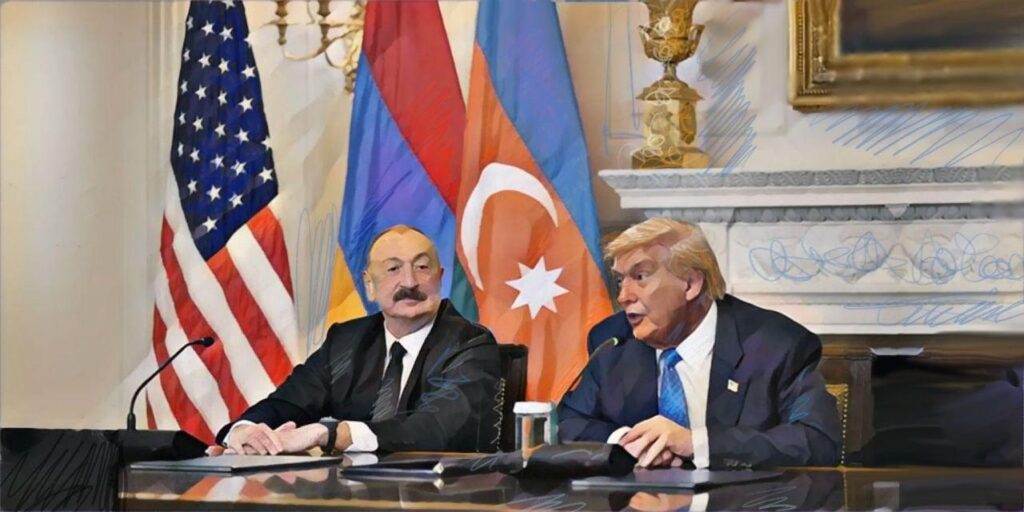
This time, however, he has the opportunity to add Azerbaijan, transforming the format into a C6+1. Baku has already been invited to participate as a full member in Central Asian gatherings, and Washington should build on that momentum.

Azerbaijan is uniquely positioned: close to both Israel and Turkey – two of America’s most important regional partners – it sits astride one of the most important connectivity corridors linking Europe and Asia. Its inclusion would turn the C5+1 into a genuinely trans‑Caspian framework that reflects the emerging realities of Eurasian integration.

The move would also link two major diplomatic achievements of Trump’s second term: the launch of the Trump Route for International Peace and Prosperity (TRIPP), a 43-km strategic transit corridor connecting mainland Azerbaijan to its Nakhchivan exclave through Armenia, and Trump’s elevation of the C5+1 to a White House-level summit. While TRIPP was discussed at the C5+1 meeting in November, bringing Azerbaijan into the next gathering would allow the administration to present itself as the architect of a new Eurasian trade and energy map.

Strategically, a C6+1 format carries significant implications for great-power competition with China.

This is because Central Asia is so crucial to Beijing’s grand strategy. In its recently adopted 15th five-year plan, neighborhood diplomacy is listed as the top priority — ahead of relations with major powers or developing countries. Beijing seeks to build a “community with a shared future” with 17 neighboring states, including all five in Central Asia, to “create a favorable external environment” for national rejuvenation, as Foreign Minister Wang Yi has stated.

For China, Central Asia is a vital “hinterland” for energy and resource security, and a buffer against maritime disruptions.

The United States does not need to dominate the Eurasian Heartland or force Central Asian states to choose between Washington and Beijing. It simply needs to ensure that any Chinese westward access runs through a vast landmass of countries that maintain constructive relations with the United States.

A C6+1 format helps shape that environment without confrontation.

A stable Middle Corridor – the energy and trade route running through Central Asia, across the Caspian Sea and through Azerbaijan to Turkey and the Mediterranean – also benefits America’s energy-hungry allies in Asia, such as Japan and South Korea. Both increasingly look to Kazakhstan as an alternative oil supplier as they seek to reduce reliance on the Strait of Hormuz.

Several proposals have emerged for how to follow up on Trump’s engagement with the Central Asian leaders. At the November White House dinner, Uzbekistan’s President Shavkat Mirziyoyev suggested holding the next C5+1 summit in Samarkand, the ancient Silk Road hub, with Trump becoming the first sitting American leader to visit Central Asia. At a seminar in March, Kazakhstan’s Ambassador to the United States, Magzhan Ilyassov, proposed hosting the first C6 and United States Summit in his country’s capital, Astana.

Both would be historic. But a meeting on the sidelines of the U.N. in New York this September would be the true low-hanging fruit.

Furthermore, Kazakhstan, Uzbekistan and Azerbaijan are all members of Trump’s Board of Peace for Gaza reconstruction and are willing partners of the American leader. Deepening engagement through a C6+1 format reinforces his “peace through connectivity” narrative and adds coherence to the Board of Peace’s purpose.

With Russia to the north, China to the east, and Iran, Afghanistan, Pakistan, and India to the south, the greater Central Asia region is emerging as the next frontline of great power competition – especially as countries seek alternatives to vulnerable maritime energy routes, a trend underscored by the severe disruption of shipping through the Strait of Hormuz.

By strengthening trans-Caspian links through a C6+1 framework and building on initiatives like TRIPP, the United States can help the region diversify its partnerships and reduce over-reliance on any single power, advancing stability through expanded economic options rather than confrontation.

The United States should use TRIPP as a springboard to pivot toward this critical region. A C6+1 summit at UNGA would be the simplest, most strategic way to begin. This is America leading through deals, not dominance — turning geography into opportunity.


The views expressed in this article are those of the author and do not necessarily reflect the official policy or position of the publication, its affiliates, or any other organizations mentioned.

Big Names in Chess Praise Sindarov, Now Candidates Frontrunner

The chess world knew Javokhir Sindarov was dangerous heading into the FIDE Candidates Tournament this year, even though he was making his debut at the prestigious event and, at 20 years old, is the youngest of the eight elite contenders.

But few people expected the Uzbekistani phenomenon to tear through the field in the first week of the event, racking up five wins and two draws so far in the 14-round tournament. Sindarov has six points out of a possible total of seven, and a 1.5 point lead over second-placed Fabiano Caruana of the United States. He is the strong frontrunner to win the event and earn the right to challenge the current world champion, India’s Gukesh Dommaraju, later this year.

Monday was a rest day and there are still seven games to go at the candidates tournament being played this year in Cyprus. But some of the biggest names in chess are in awe over Sindarov’s aggressive, resourceful performance.

“Incredible result so far!” former world champion Garry Kasparov said on X on April 3 after Sindarov’s wins over second-ranked Caruana and third-ranked Hikaru Nakamura. “Do not underestimate the boost that confidence plays after a strong start. You trust your instincts more, a positive cycle of intuition and performance. Meanwhile, your opponents doubt themselves against you.”

Judit Polgár, often described as the best female chess player of all time, said that Sindarov will be at the top of the game for many years regardless of what happens at this year’s candidates tournament.

“He is 20 years old, a fearless player, a genius in management,” said Polgár, who is the subject of a Netflix documentary titled Queen of Chess. “Can he keep calm and stay focused until the very end of the tournament? Will he be able to handle the pressure of being so close to becoming the next World Championship challenger?”

Nigel Short of Britain, who rose to third in the world in the late 1980s and is currently FIDE director of chess development, compared Sindarov to a young Boris Spassky, the former world champion from Russia who died in 2025.

Sindarov, Short said on Facebook, is “a classical player with an excellent feeling for the initiative, who stays calm and trusts his own judgement in dynamic positions.”

Sindarov, who won the 2025 World Cup in Goa, India, was one of Uzbekistan’s youngest national champions in history, achieving that goal at the age of 13. Still, right now, compatriot Nodirbek Abdusattorov is the higher-ranked player. Abdusattorov didn’t qualify for this year’s candidates tournament, though he recently won several consecutive tournaments.

Magnus Carlsen of Norway currently doesn’t play in the candidates tournament format even though he is the top-ranked classical chess player in the world. But he is also keeping an eye on Sindarov, saying “nobody” expected such a strong start to the event.