• KGS/USD = 0.01144 0%
  • KZT/USD = 0.00211 0%
  • TJS/USD = 0.10460 0.19%
  • UZS/USD = 0.00008 0%
  • TMT/USD = 0.28490 0%
  • KGS/USD = 0.01144 0%
  • KZT/USD = 0.00211 0%
  • TJS/USD = 0.10460 0.19%
  • UZS/USD = 0.00008 0%
  • TMT/USD = 0.28490 0%
  • KGS/USD = 0.01144 0%
  • KZT/USD = 0.00211 0%
  • TJS/USD = 0.10460 0.19%
  • UZS/USD = 0.00008 0%
  • TMT/USD = 0.28490 0%
  • KGS/USD = 0.01144 0%
  • KZT/USD = 0.00211 0%
  • TJS/USD = 0.10460 0.19%
  • UZS/USD = 0.00008 0%
  • TMT/USD = 0.28490 0%
  • KGS/USD = 0.01144 0%
  • KZT/USD = 0.00211 0%
  • TJS/USD = 0.10460 0.19%
  • UZS/USD = 0.00008 0%
  • TMT/USD = 0.28490 0%
  • KGS/USD = 0.01144 0%
  • KZT/USD = 0.00211 0%
  • TJS/USD = 0.10460 0.19%
  • UZS/USD = 0.00008 0%
  • TMT/USD = 0.28490 0%
  • KGS/USD = 0.01144 0%
  • KZT/USD = 0.00211 0%
  • TJS/USD = 0.10460 0.19%
  • UZS/USD = 0.00008 0%
  • TMT/USD = 0.28490 0%
  • KGS/USD = 0.01144 0%
  • KZT/USD = 0.00211 0%
  • TJS/USD = 0.10460 0.19%
  • UZS/USD = 0.00008 0%
  • TMT/USD = 0.28490 0%

Uzbekistan Introduces Incentives for Major Industrial Polluters to Reduce Environmental Impact

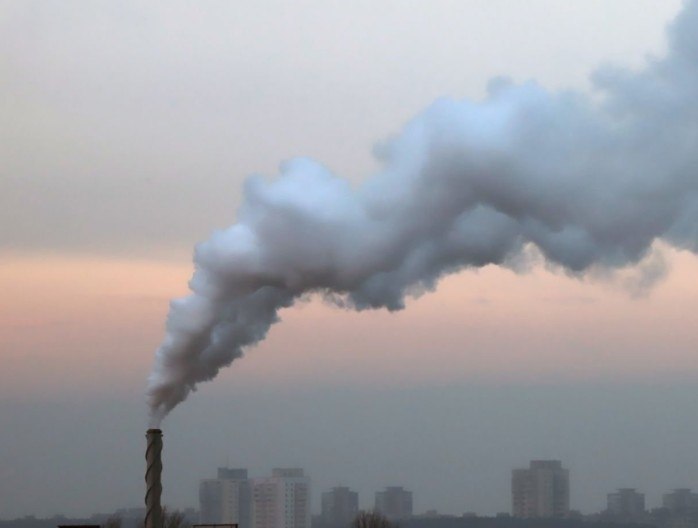
Uzbekistan’s government has approved new measures aimed at encouraging large industrial enterprises to reduce their environmental footprint.

Resolution No. 85 establishes regulations to incentivize environmental impact reduction efforts by industrial enterprises classified as Category I and Category II facilities based on their level of environmental impact. These categories include enterprises considered to have significant or moderate effects on the natural environment.

Under the new framework, incentives will be introduced in two stages.

At the first stage, an enterprise that installs a background air pollution monitoring station will be eligible for relief from previously assessed outstanding compensation payments for environmental damage. In addition, 50% of compensation payments allocated to the state budget for environmental harm will be refunded over a two-year period.

At the second stage, if the enterprise installs dust and gas cleaning equipment as well as local wastewater treatment facilities within one year after commissioning the monitoring station, 70% of the compensation payments directed to the state budget will be refunded over two years.

Enterprises seeking to benefit from these incentives must notify the Ecology Committee through Public Service Centers or via the government’s online portal. The committee will review submitted documentation within 15 working days and issue a formal conclusion on whether the enterprise qualifies for state support.

The Times of Central Asia previously reported, that more than a dozen valuable trees were cut down at the construction site of the Ritz-Carlton Tashkent project in central Tashkent. Environmental damage in that case was officially assessed at 351,230,000 Uzbek sum (approximately $29,000), according to documentation cited by officials.

Uzbek FLEX Finalist Returns Home After Alleged Harassment by Host Father in Indiana

An Uzbek high school student selected for the prestigious FLEX exchange program has returned home after her family alleged she was subjected to sexual harassment by her host father in the United States. The claims were made public by her father, Dr. Aziz Boltayev, in a detailed Facebook post. Uzbek officials have confirmed that they requested explanations from program representatives, while the U.S. side has not issued a public statement.

Dr. Boltayev’s daughter was one of nearly 60 finalists from Uzbekistan selected in 2025 for the Future Leaders Exchange Program (FLEX), had traveled to the United States to complete her final year of high school. The fully funded initiative, supported by the U.S. Department of State, enables students from participating countries to study at American high schools and live with volunteer host families for one academic year.

According to Boltayev’s account, his daughter was placed in a small town in Indiana with a childless couple, both music teachers, who had previously hosted exchange students. Initial video calls reportedly reassured the family prior to her departure.

“After graduating from medical school, I received a U.S. Department of State grant and spent time in the United States for professional development,” Boltayev wrote. “I returned to Uzbekistan with a deep sense of gratitude and a positive impression of American values. Naturally, when my eldest daughter won the FLEX grant in 2025, I was proud and supportive.”

He said the situation changed approximately a month after her arrival. According to his post, the host father allegedly began making inappropriate remarks and advances when his wife was not present.

“He told my daughter that it was ‘necessary to gain sexual experience’ before marriage,” Boltayev wrote. “To her credit, [his daughter] firmly resisted and immediately informed her assigned FLEX coordinator.”

According to Boltayev, the local coordinator relocated his daughter shortly after the complaint was filed. However, he criticized the way communication with the family in Uzbekistan was handled.

“The coordinator moved [his daughter] out of the house immediately, but in doing so, they completely bypassed us, her parents,” he wrote. Due to the time difference, he said he was informed the following day by the FLEX office in Tashkent.

Boltayev further alleged that during this period his daughter’s phone was switched off and her parents’ messages went unanswered. He claimed that the coordinator had instructed her to turn off her phone for “security reasons,” which he described as isolating a minor from her parents.

He also asserted that neither the temporary host family nor U.S.-based program representatives agreed to speak directly with him. According to Boltayev, his daughter was told that program officials were not obligated to provide information to her parents.

Seeking reassurance, Boltayev contacted a friend, a faculty member at the University of Michigan, who lives several hours from his daughter’s location, and asked him to check on her in person.

“Even then, FLEX representatives tried to block him, telling my daughter: ‘He needs our permission to see you, and for now, permission is denied,’” Boltayev wrote. “Only after my firm insistence did they meet.” His friend later confirmed that his daughter was physically safe but emotionally distressed.

Boltayev said he subsequently sent a formal letter to FLEX administrators in Washington, asking how his daughter had been placed with a host parent he characterized as predatory, and what measures would be taken. He described the response as formal and unsatisfactory, stating that officials expressed regret but maintained that program procedures had been followed.

Dissatisfied with the outcome, Boltayev requested his daughter’s immediate return to Uzbekistan. She returned after approximately six weeks in the United States. Despite not completing the academic year, she was reportedly granted alumni status.

“She arrived home safe but psychologically traumatized,” he wrote. “Despite completing only 1.5 months of a 10-month program, she would be granted ‘Alumni’ status.”

The case has attracted attention from Uzbek authorities. Boltayev stated that he filed complaints with the Children’s Ombudsman and the Ministry of Preschool and School Education. According to him, the Ombudsman’s office indicated that the matter had been forwarded to the Ministry of Foreign Affairs. He added that the Ministry of Preschool and School Education, together with representatives of the Ministry of Justice, summoned the director of the FLEX office in Tashkent for explanations.

Boltayev alleged that during the meeting, the American representative declined to answer questions verbally and requested that inquiries be submitted in writing. He wrote that more than two months have passed since formal requests were sent by the ministries without a response.

FLEX has operated in Uzbekistan for many years and is widely regarded as one of the most competitive secondary school exchange programs. Each year, finalists are selected through a multi-stage process that includes English-language testing, essays, and interviews.

As of publication, neither the U.S. Department of State nor FLEX program officials have issued a public statement addressing Boltayev’s allegations. The Uzbek ministries involved have not disclosed details of their correspondence.

In his Facebook post, Boltayev said he chose to speak publicly to alert other families.

“If a crisis occurs, you and your child may find yourselves alone against a system that prioritizes its own image over your child’s well-being,” he wrote.

Why Tajikistan Lags Behind Global Animal Welfare Standards

While animals are legally recognized as sentient beings and, in some countries, effectively regarded as family members, their legal status in Tajikistan remains ambiguous. The absence of a dedicated animal protection law, the continued shooting of stray animals, and illegal wildlife trade point to a systemic issue that extends beyond animal welfare.

Tajikistan has not adopted a specific law on animal protection, despite ratifying the United Nations Convention on Biological Diversity in 1997, which calls for the protection of wild and domestic fauna.

In practice, regulation of stray animal populations often consists of culling by shooting. At the same time, other forms of cruelty reportedly persist. Although dog fighting is officially prohibited, activists say such events continue to take place. Cases of mass poisoning and other acts of violence against animals are frequently reported, but rarely result in publicized prosecutions.

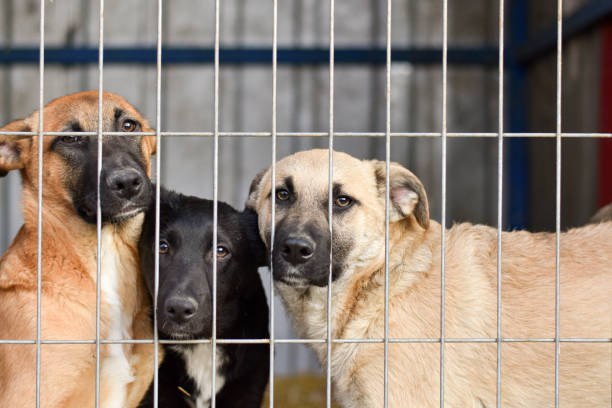
The country has no state-run animal shelters. The few private shelters that operate rely primarily on donations. Experts have also raised concerns about the condition of zoos, which they argue do not meet international animal welfare standards.

Additional alarm has been triggered by reported incidents of illegal wildlife trade, including cases involving lion cubs. Despite public outcry in some instances, such cases have seldom led to broader legislative reform or sustained enforcement efforts.

Sociologist and animal rights activist Malika Abdulvasieva argues that a weak legal framework contributes to a culture of impunity.

“Unpunished cases of cruelty, from mass poisonings to shootings by housing and utilities employees, gradually normalize cruelty in society. This has a particularly negative impact on young people and generally leads to an increase in aggression and violence,” she said.

One of the key priorities for activists remains the advancement of a comprehensive animal protection bill. However, even establishing a formally registered animal rights organization reportedly involves complex administrative procedures.

In the absence of a unified state strategy, civil society groups and private businesses are attempting to fill the gap. Representatives of the Brigitte Bardot Foundation are expected to visit Dushanbe this year, and a large-scale free sterilization and castration program for stray animals is being planned in cooperation with German partners.

However, activists emphasize that isolated initiatives cannot substitute for a coherent national policy framework.

Junda Oil Refinery Modernization in Kyrgyzstan Set for Completion by August 2026

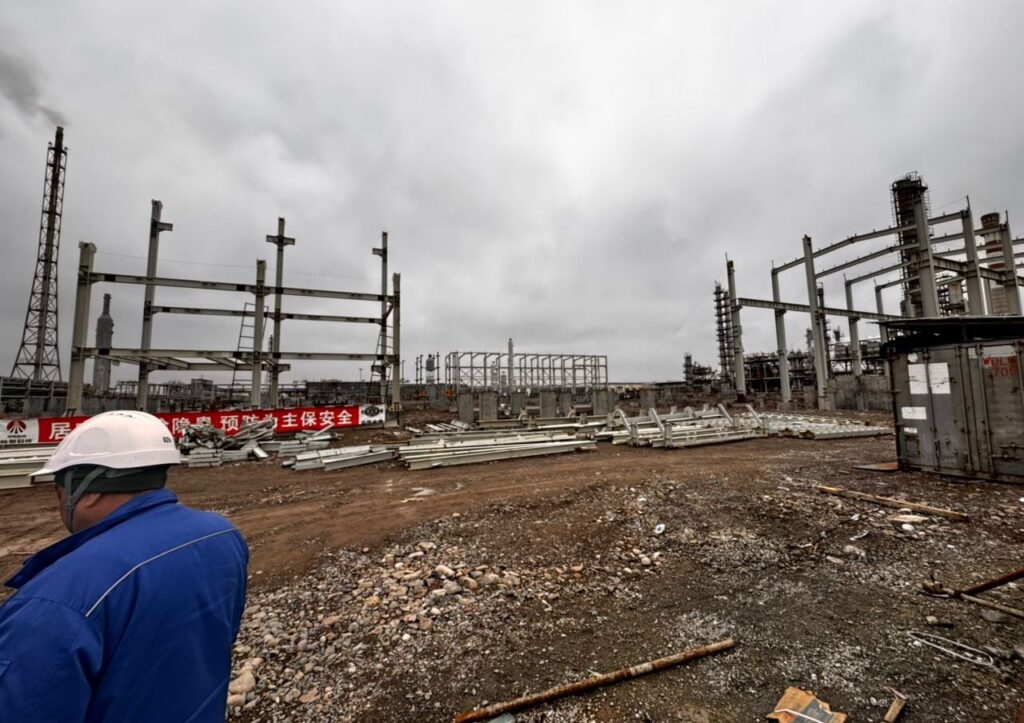
Kyrgyzstan’s largest oil refining facility, the Junda (Zhongda) refinery in the town of Kara-Balta, approximately 60 kilometers west of Bishkek, is undergoing a major modernization project scheduled for completion by July 31, 2026. The $193.75 million upgrade is expected to increase domestic fuel production and strengthen the country’s energy security.

On March 2, a delegation from the National Investment Agency of Kyrgyzstan, the Ministry of Economy and Commerce, and the Kara-Balta municipality visited the refinery to monitor implementation of the investment agreement signed in July 2024 with China Petrol Company Zhongda LLC.

Owned by a Chinese investor, the refinery has an annual crude processing capacity of 800,000 tons, producing gasoline, diesel fuel, and liquefied petroleum gas. The modernization is intended to upgrade technical infrastructure and improve operational efficiency.

Government representatives have emphasized the project’s importance for industrial development, job creation, and reducing Kyrgyzstan’s reliance on imported fuel.

If completed on schedule, the refinery could potentially cover between 50% and 70% of Kyrgyzstan’s domestic demand for motor fuel. This would represent a significant shift for a country that currently depends heavily on imports.

At present, local refining capacity reportedly meets only about 5% of domestic fuel demand. Kyrgyzstan consumes approximately 1.6 million tons of motor fuel annually, more than 90% of which is imported from Russia.

A key constraint remains the refinery’s dependence on imported crude oil. Authorities are seeking to diversify supply routes, including potential deliveries from Azerbaijan and other oil-producing countries.

Originally commissioned in 2014, the refinery was shut down in February 2020 for extensive repairs and modernization that lasted four years. Operations resumed in August 2024.

The facility has faced public scrutiny over environmental concerns. Residents of Kara-Balta have complained about air pollution, resulting in fines for emissions violations. The refinery has also been accused of damaging ancient burial mounds, prompting criticism from cultural heritage advocates.

The modernization positions the Kara-Balta refinery as a strategic industrial asset in Kyrgyzstan’s efforts to enhance energy security. However, its long-term viability will depend on securing stable crude oil supplies and addressing environmental risks.

If successful, the project could reduce Kyrgyzstan’s fuel import bill and mark a significant step toward greater energy independence.

Asian Development Bank to Invest $5.5 Billion in 15 Projects in Kazakhstan by 2029

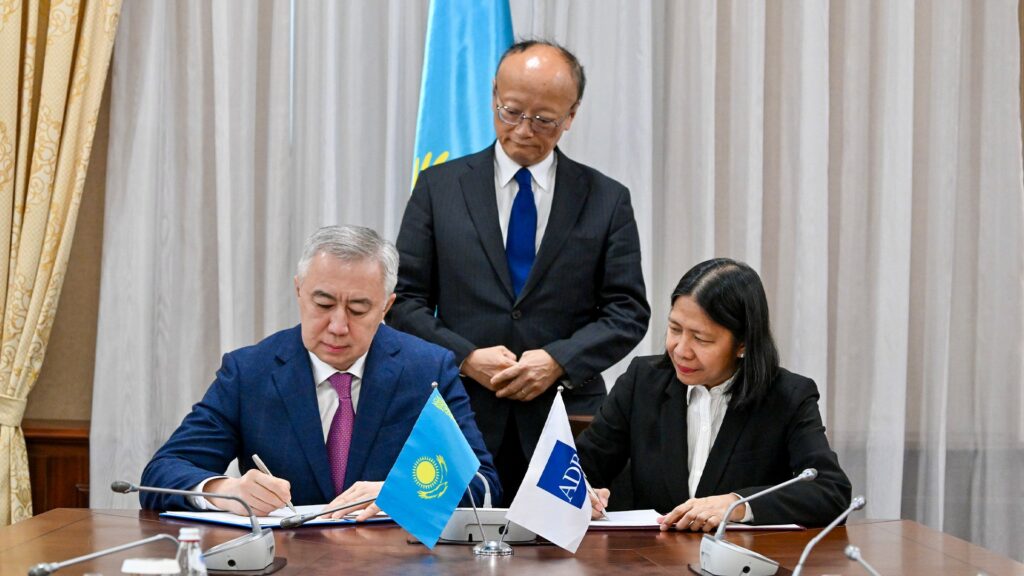
Kazakhstan’s government and the Asian Development Bank (ADB) have signed a memorandum of understanding to implement 15 major projects worth approximately $5.5 billion in the period 2026-2029. The initiatives, focused on infrastructure, digitalization, and sustainable development, aim to strengthen the country’s transit capacity and investment appeal.

According to an official statement, the memorandum lays the groundwork for large-scale projects in regional connectivity, disaster resilience, water resource management, modernization of housing and utilities infrastructure, and housing market development. ADB will also continue financing private-sector initiatives, including projects in agriculture, transport, and logistics.

Priority areas include transport and logistics infrastructure, emergency response systems, digital technology development, and green finance. The parties also highlighted potential cooperation in artificial intelligence, the construction of data centers, the expansion of fiber-optic backbone networks, and the digitalization of transport corridors and customs procedures.

One of the first concrete steps under the agreement is a project between KazAutoZhol JSC and the ADB to construct a 102-kilometer bypass road around the town of Saryagash in the Turkestan region. The new road is expected to enhance road safety, accelerate freight and passenger transport, and strengthen trade links between Kazakhstan and Uzbekistan.

The parties also reviewed progress on a public-private partnership project to build a 300-bed university hospital in Karaganda. The planned medical cluster will combine professional training and scientific research, with subsequent integration of innovations into practical healthcare.

ADB President Masato Kanda noted Kazakhstan’s progress in structural reforms, including measures to enhance financial sector stability, and reaffirmed the bank’s interest in supporting the country’s digital transformation.

Earlier, ADB initiated a project to develop a shorter road route from Almaty to Lake Issyk-Kul in Kyrgyzstan. The new route is expected to reduce travel time by nearly half, strengthening tourism and trade connectivity between the two countries.

UK Expands Strategic Engagement in Central Asia Amid Growing Global Competition

The world’s largest economies have recently increased their focus on Central Asia. The United Kingdom, alongside the U.S., the European Union, and China, is seeking to strengthen partnerships in a region that was previously not among its top foreign policy priorities.

Britain Replicates an Established Format

Throughout the years of independence, Kazakhstan and its regional neighbors were often perceived as operating within Russia’s sphere of influence. The war in Ukraine and broader geopolitical shifts have altered international attitudes toward Central Asia.

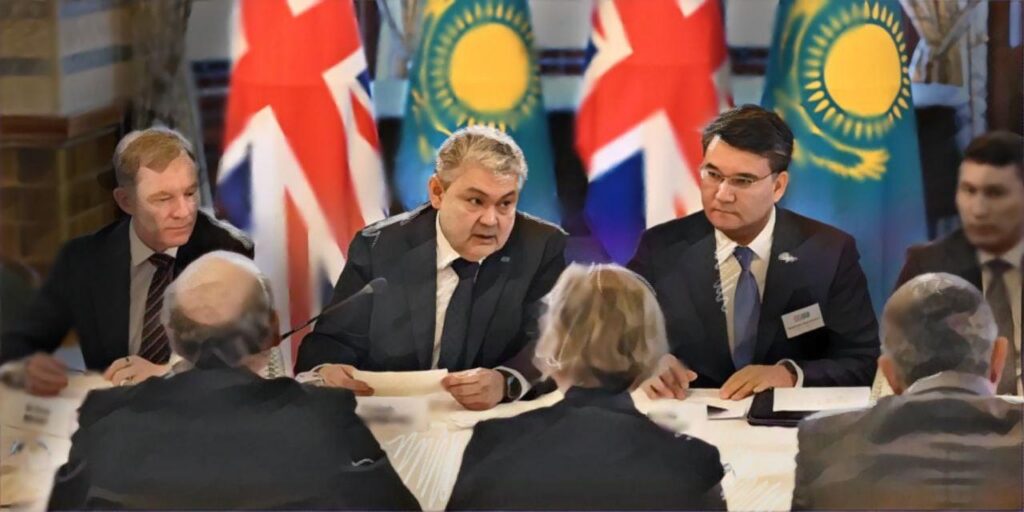
Major powers are now intensifying dialogue with the region, with particular emphasis on economic cooperation. At the end of February, foreign ministers met in London under the Central Asia-UK (CA5+1) format. Although this was the first meeting of its kind in the British capital, the format mirrors similar mechanisms already used by the U.S., the European Union, Russia, China, and Japan.

Participants noted that the CA5+1 format has proven to be an effective mechanism for structured and substantive engagement with external partners. The regional agenda is addressed comprehensively, reflecting Central Asian priorities while creating additional opportunities to advance economic initiatives and implement joint projects.

Particular attention has been paid to trade diversification, industrial cooperation, sustainable infrastructure development, and unlocking Central Asia’s potential in critical minerals and renewable energy.

The meeting also covered economic growth prospects, key challenges facing Central Asian economies, and the expansion of trade and investment. Logistics was a central topic, including the development of the Trans-Caspian International Transport Route, widely known as the Middle Corridor.

British Foreign Secretary Yvette Cooper emphasized the strategic importance of Central Asia as a dynamically developing region characterized by sustained economic growth, expanding regional cooperation, and a growing role in international affairs. According to the British participants, the region’s countries are pursuing a pragmatic approach, strengthening connectivity and expanding their participation in shaping a modern architecture of economic and political cooperation.

Education and Finance

Interest in British education continues to grow across all five Central Asian countries. Four branches of British universities are operating in Kazakhstan, and nearly 6,000 students have earned British degrees through the Bolashak international scholarship program.

Uzbekistan and Kyrgyzstan have announced plans to establish international financial centers modeled on the Astana International Financial Centre in Kazakhstan. British Ambassador to Uzbekistan Timothy Smart said that work is underway to create an international financial center in Tashkent based on international arbitration standards. Like the Astana model, the new center will operate under English common law.

British Ambassador to Kyrgyzstan Nicholas Bowler highlighted London’s role in assisting with legislation for the International Dispute Resolution Center, which will operate under English law and be located in the Issyk-Kul region. Greater participation by Central Asian companies on the London Stock Exchange is also anticipated.

Logistics and Resources

British diplomats have placed particular emphasis on cooperation in critical minerals, a priority within the United Kingdom’s global strategy. Projects are underway across the region, accompanied by new agreements and industrial partnerships.

Agreements have reportedly been reached between the Kazakh producer Zhezkazganredmet and the British company Maritime House to produce rhenium and introduce technologies for extracting rare and rare-earth metals at the Zhezkazganredmet facility, according to the Kazakh government. However, analysts note that British firms will face competition from the European Union, the U.S., and South Korea for access to Kazakhstan’s mineral resources. Astana has already concluded, or is planning to conclude, contracts with these major consumers in the extraction and processing of critical raw materials.

London has also expressed readiness to support Kazakhstan’s role as a regional transport hub, participate in developing transport corridors and urban planning in Uzbekistan, promote digital services in Tajikistan, and assist in modernizing Turkmenistan’s railway network.

Kazakhstan remains Britain’s largest trading partner in the region. According to Foreign Minister Yermek Kosherbayev, 516 British-owned companies operate in the country. In 2025, bilateral trade reached $1.62 billion, an increase of 83.6% compared with 2024. Trade with Uzbekistan is also expanding steadily.

Geopolitically, Central Asia sits at the intersection of Russia’s, China’s, and the European Union’s strategic interests. The UK is seeking to position itself within this landscape by diversifying economic engagement. In this context, the Middle Corridor has gained particular significance.

The route represents not only an infrastructure project but also an institutional ecosystem requiring legal predictability, digital solutions, insurance mechanisms, arbitration procedures, and transparent financial transactions. Analysts argue that these are areas in which the UK holds comparative advantages.

A Competitive Arena for Global Powers

Journalists working at the BBC argue that Britain will have to compete if it aims to benefit from Central Asia’s growing strategic and economic significance. During the 1990s and 2000s, the five Central Asian countries were largely peripheral to British foreign policy, with limited high-level engagement.

Some British scholars continue to frame the region through the lens of the so-called “Great Game”, the 19th-century rivalry between the Russian and British empires for influence in Central Asia, suggesting that London currently lags behind its competitors.

Following the events of 2001, Central Asia became an important partner for Western countries in counterterrorism efforts due to its proximity to Afghanistan. However, after the Taliban returned to power in August 2021, much of that cooperation was curtailed.

Today, the British government maintains that it must articulate a clear, values-based policy toward Central Asia, not by directly competing with China or Russia, but by offering alternative options to regional leaderships.

Nevertheless, Russia and China continue to hold dominant positions in Central Asia. Russia maintains deep cultural and economic ties and remains involved in numerous transboundary resource projects. China, for its part, has become the leading trading partner for most countries in the region.