• KGS/USD = 0.01144 0%
  • KZT/USD = 0.00193 -0%
  • TJS/USD = 0.10876 0.55%
  • UZS/USD = 0.00008 0%
  • TMT/USD = 0.28490 0%
  • KGS/USD = 0.01144 0%
  • KZT/USD = 0.00193 -0%
  • TJS/USD = 0.10876 0.55%
  • UZS/USD = 0.00008 0%
  • TMT/USD = 0.28490 0%
  • KGS/USD = 0.01144 0%
  • KZT/USD = 0.00193 -0%
  • TJS/USD = 0.10876 0.55%
  • UZS/USD = 0.00008 0%
  • TMT/USD = 0.28490 0%
  • KGS/USD = 0.01144 0%
  • KZT/USD = 0.00193 -0%
  • TJS/USD = 0.10876 0.55%
  • UZS/USD = 0.00008 0%
  • TMT/USD = 0.28490 0%
  • KGS/USD = 0.01144 0%
  • KZT/USD = 0.00193 -0%
  • TJS/USD = 0.10876 0.55%
  • UZS/USD = 0.00008 0%
  • TMT/USD = 0.28490 0%
  • KGS/USD = 0.01144 0%
  • KZT/USD = 0.00193 -0%
  • TJS/USD = 0.10876 0.55%
  • UZS/USD = 0.00008 0%
  • TMT/USD = 0.28490 0%
  • KGS/USD = 0.01144 0%
  • KZT/USD = 0.00193 -0%
  • TJS/USD = 0.10876 0.55%
  • UZS/USD = 0.00008 0%
  • TMT/USD = 0.28490 0%
  • KGS/USD = 0.01144 0%
  • KZT/USD = 0.00193 -0%
  • TJS/USD = 0.10876 0.55%
  • UZS/USD = 0.00008 0%
  • TMT/USD = 0.28490 0%
11 December 2025

Uzbekistan May Reduce Prison Sentences for Inmates Who Read Books

Uzbekistan is considering a new initiative that would reduce prison sentences for inmates who engage in reading, as part of efforts to promote rehabilitation and personal development.

Proposal Details

The Milliy Tiklanish (National Revival) party has been advocating for this initiative for several years, inspired by similar practices in other countries. According to the party’s press service, a draft law has now been developed to bring the proposal to life.

Under the proposed legislation, prisoners who read one book from an approved list and pass an exam on its content could have their sentences reduced by three days. The program would allow inmates to read up to 10 books per year, potentially reducing their sentences by up to 30 days annually.

The reading list will be curated and managed by the Republican Center for Spirituality and Enlightenment, ensuring that the selected books align with the program’s goals of fostering intellectual and moral growth.

International Inspiration

The concept of reducing prison sentences through reading is not unique to Uzbekistan. Last year, Russian politician Vladislav Davankov proposed a similar initiative for inmates in pretrial detention centers and prisons. Davankov argued that reading programs could play a vital role in the rehabilitation and resocialization of prisoners.

Kazakhstan has already taken steps in this direction. In 2021, the country launched a pilot project in correctional facilities in the Karaganda region. Under this program, inmates read books from an approved list, retell the content to a commission, and write essays summarizing the material. Positive evaluations by the commission can lead to improved detention conditions or even early release.

Broader Implications

If implemented, the program in Uzbekistan could serve as a tool to encourage education, personal growth, and rehabilitation among inmates. By focusing on intellectual engagement, the initiative could help prisoners reintegrate into society upon release and reduce recidivism rates.

While the draft law is still in the development stage, it reflects Uzbekistan’s broader efforts to modernize its prison system and promote rehabilitation over punishment. If successful, the initiative could become a model for other countries in the region seeking to implement progressive approaches to criminal justice.

Potato Hunt: Astana Restricts Potato Sales Amid Price Surge

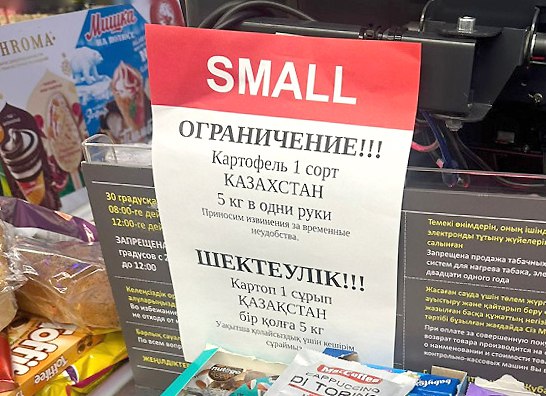
Supermarkets in Astana, including the Small and EuroSpar chains, have introduced a restriction on the sale of potatoes, limiting purchases to no more than 5 kilograms per customer. The Astana Akimat’s Department of Investment and Entrepreneurship Development announced that the measure aims to prevent speculation. However, officials have not provided a timeline for when the restrictions might be lifted.

A Sharp Spike in Prices

The price of potatoes has surged sharply in Kazakhstan. According to the Bureau of National Statistics, this spike occurred within a single week, from January 14 to 21. The annualized price increase averaged 57.8% across the country, with some regions experiencing even steeper hikes. In Astana, the price of potatoes doubled – rising by 100% – with a kilogram costing between 400 and 500 KZT ($0.96).

The Ministry of Agriculture (MOA) attributes the price surge to speculation by unscrupulous middlemen. Deputy Minister Yerbol Taszhurekov clarified that the situation cannot be classified as “price collusion” but acknowledged significant price disparities between agricultural producers and retail outlets.

“This is the result of speculative activity. After the New Year, many vegetable storages and warehouses remained closed, leading to a reduced supply in the market. Resellers and speculators exploited this temporary shortage to raise prices,” Taszhurekov explained.

Tackling the Reseller Problem

In response, local governments (akimats) began releasing potatoes from government stabilization funds at significantly reduced prices—between 115 and 130 KZT ($0.25) per kilogram. These measures were implemented to counter speculative practices and stabilize prices until the new harvest.

The MOA reported that Kazakhstan currently has more than 62,000 tons of potatoes in reserve, excluding stocks in trade networks. These supplies are deemed sufficient to meet domestic demand until the next harvest.

In Astana, this intervention helped bring down prices in retail chains like Small and EuroSpar to 280 KZT ($0.54) per kilogram. However, a new issue arose: small retailers began purchasing potatoes in bulk from these supermarkets to resell them at higher prices. To address this, supermarkets imposed a restriction on potato sales, limiting purchases to 5 kilograms per customer.

“All necessary measures have been taken to ensure stable potato prices in Astana. There is no shortage in the city, and products are sufficiently stocked on retail shelves and in markets. Supplies are being replenished in a timely manner. However, to prevent bulk purchases by resellers for resale in small neighborhood stores, supermarkets in the Small and EuroSpar chains have implemented temporary purchase limits,” stated the Department of Investment and Entrepreneurship Development of Astana.

Collaboration Between Retail Chains and Farmers

The Ministry of Trade and Integration (MTI) also took steps to address the situation. Following discussions with representatives from major supermarket chains such as Magnum, Small, Anvar, and Dina, an agreement was reached for these retailers to directly purchase 1,500 tons of potatoes from farmers. The supermarkets will independently manage the transportation of these goods to ensure steady supply.

“Akimats in the regions must present their specific needs, including the required volumes, so that retail chains can promptly meet market demand. Additionally, there must be stricter monitoring of key markets and improved coordination between agricultural producers and retailers,” said Aizhan Bizhanova, Deputy Head of MTI.

The ministry also disclosed that since the beginning of the year, authorities have identified 49 instances of violations of the regulation limiting trade markups on potatoes – a socially important product – to no more than 15% of the purchase price.

Export Restrictions

To further stabilize the market, Kazakhstan implemented a six-month restriction on potato exports to non-Eurasian Economic Union (EAEU) countries in early January. This decision was intended to ensure sufficient supply within the country and curb price volatility.

While temporary restrictions on potato sales in Astana aim to address speculative practices and stabilize prices, the government’s broader strategy includes improved supply chain management, tighter market oversight, and direct cooperation between farmers and retailers. These measures highlight the complex challenges in balancing market stability with ensuring affordability for consumers.

Chinese Company to Develop Low-Altitude Technologies and Intelligent Manufacturing in Kazakhstan

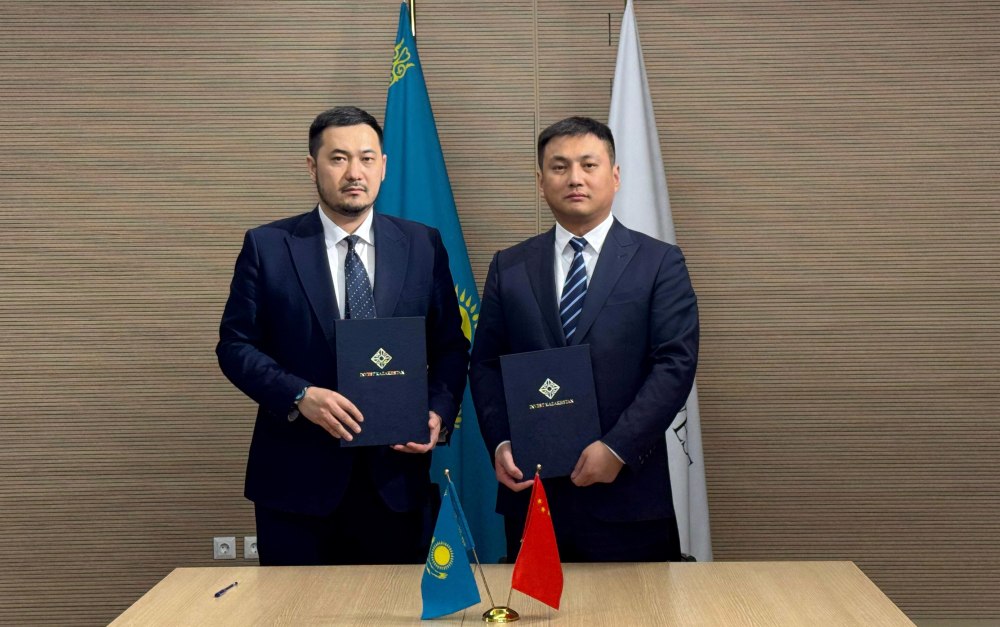
Kazakh Invest, Kazakhstan’s national investment company, has signed a memorandum of understanding (MoU) with China’s Polyking New Horizons Technology Industry Co. Ltd. The agreement focuses on collaboration in the emerging field of low-altitude economy and intelligent manufacturing.

As part of the partnership, the companies plan to establish an industrial park in Kazakhstan, which will integrate drone technologies, smart city solutions, and advanced manufacturing systems. The $200 million project is expected to create 1,000 new jobs, according to Kazakh Invest.

Expanding High-Tech Opportunities

The MoU also includes provisions for developing projects in the chemical industry and innovative technologies. These initiatives aim to strengthen Kazakhstan’s position as a hub for high-tech production and innovation in Central Asia.

Azamat Kozhanov, Managing Director of Kazakh Invest, highlighted the vast potential for low-altitude technologies in various sectors, including agriculture, energy, construction, and infrastructure management.

“The advanced technologies and expertise of Polyking will bring new momentum to the development of this field in Kazakhstan,” Kozhanov stated. He also noted the significant economic opportunity tied to this sector, adding: “By 2050, the global low-altitude economy market is expected to reach $8.8 trillion. Therefore, we are actively creating platforms to develop new industries and providing comprehensive support.”

Broader Trends in Low-Altitude Technology

Kazakhstan has already taken steps to integrate drone production into its economy. The Times of Central Asia recently reported on a $12 million project by Yesil Technology Company, a subsidiary of China’s Shaanxi Kaizhuo Electronic Technology Co. Ltd., to establish an industrial drone manufacturing facility in the country.

This collaboration underscores Kazakhstan’s strategic focus on becoming a leader in the low-altitude economy, a field that includes drones, unmanned aerial vehicles (UAVs), and other advanced technologies that operate at low altitudes.

The partnership between Kazakh Invest and Polyking New Horizons Technology marks another milestone in Kazakhstan’s push to diversify its economy through high-tech industries. The planned industrial park, along with complementary projects like drone manufacturing, positions Kazakhstan to capitalize on the growing global market for low-altitude technologies and intelligent manufacturing. If successfully implemented, these initiatives could transform the country into a regional leader in cutting-edge technology and innovation.

Kazakhstan Leads Central Asia in Average Salaries

Kazakhstan continues to hold the top position in terms of average wages among Central Asian countries, according to a study conducted by analysts at Ranking.kz.

Wage Comparisons Across Central Asia

Data from the Interstate Statistical Committee of the CIS reveals that as of September 2024, Kazakhstan’s average nominal monthly salary stood at $817.20. This figure is nearly twice as high as in Uzbekistan ($437.80) and Kyrgyzstan ($411.20). Tajikistan trails significantly behind, with an average salary of just $242.80 – 3.4 times lower than Kazakhstan’s.

Notably, the wage gap between Kazakhstan and Tajikistan would have been even greater if not for a significant increase in Tajik wages. Over the past year, nominal salaries in Tajikistan rose by 24.9%, while real wages increased by 21.1% – the highest growth rate in the region. In comparison, wage growth in Kazakhstan, Kyrgyzstan, and Uzbekistan was more moderate. Data on salaries in Turkmenistan remains unavailable as the country has not updated its wage statistics since 2023.

Minimum Wage Comparison

Kazakhstan also leads the region in terms of minimum wages. In 2024, the minimum wage in Kazakhstan is 85,000 KZT ($181.10). By contrast:

  • In Uzbekistan, the minimum wage is $89.40.
  • In Tajikistan, it is $54.90.
  • In Kyrgyzstan, it is just $28.30.

In Turkmenistan, the official minimum wage is reported as $402.90, based on the fixed exchange rate of 3.5 TMT per dollar. However, due to the country’s reliance on a “black market” exchange rate (approximately 19 TMT per dollar), the actual minimum wage is estimated to be much lower, around $74.20.

Sectoral Analysis

When analyzing nominal salaries by economic sector, the highest wages in the region are found in finance and insurance. In Kazakhstan, the average salary in this sector exceeds $1,700 – three times higher than in Tajikistan ($561.90). Workers in Kazakhstan’s mining industry also enjoy high incomes.

In Uzbekistan and Kyrgyzstan, the financial sector and IT industry offer the highest salaries. Meanwhile, in Tajikistan, relatively high wages are reported in the manufacturing and service sectors.

Inflation and Its Impact

Inflation remains a key factor affecting the real purchasing power of wages across Central Asia. According to the CIS Interstate Statistical Committee, the most significant price increases in 2024 occurred in the economically developed countries of the region – Kazakhstan and Uzbekistan.

  • Uzbekistan: Inflation reached 7.7% in October 2024.
  • Kazakhstan: Inflation stood at 6.6%.
  • Kyrgyzstan: Inflation was lower at 4.2%.
  • Tajikistan: The region’s lowest inflation rate was recorded at 3.2%.

These inflation rates directly influence the population’s purchasing power, even in countries with higher nominal salaries like Kazakhstan and Uzbekistan.

Kazakhstan’s leadership in wages and minimum income underscores its position as the most economically advanced country in Central Asia. However, inflation and significant disparities in income distribution between sectors and regions remain challenges. While countries like Tajikistan are showing progress in wage growth, the overall gap in earnings between Central Asian nations continues to highlight economic inequalities within the region.

Kyrgyzstan to Ban Frog Imports to Combat Drug Trafficking

On January 23, Kyrgyzstan’s parliament discussed amendments to the law on combating the illicit trafficking of narcotics and psychotropic substances. Among the proposed changes is a ban on the import of frogs and toads, which can contain psychoactive substances.

Psychoactive Risks of Amphibians

During the parliamentary session, MP Iskhak Masaliyev questioned the use of the term “living organisms” in the text of the bill and asked for clarification. Deputy Health Minister Kaarmanbek Baidavletov explained that certain species of toads, whose skin and venom have narcotic effects, are prevalent in some countries. The amendment aims to prevent the import of such amphibians into Kyrgyzstan.

Nurbek Abdiyev, Deputy Head of the Interior Ministry, elaborated that the term “living organisms” encompasses both plants and animals, including dried toads that are used as sources of banned substances.

Unusual Laws and Global Context

The bill’s sponsor, Meder Aliyev, referenced examples of foreign legislation to highlight the necessity of such laws, even if they may seem unusual.

“For instance, in one U.S. state, teenagers are forbidden to kiss frogs because some frogs secrete psychoactive substances,” Aliyev said.

While MP Iskhak Masaliyev supported the bill, he criticized its wording. “It turns out that now our young people are forbidden to kiss frogs! I’m not against this initiative, but it should have been analyzed in more detail when drafting. A frog is not just a living organism – it is an animal, an amphibian,” he said.

The Danger of 5-MeO-DMT

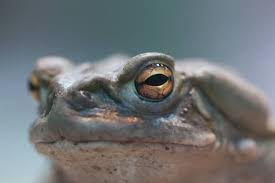
Some amphibians, such as the Bufo alvarius toad, secrete the psychoactive substance 5-MeO-DMT (5-methoxy-N,N-dimethyltryptamine). This powerful alkaloid, belonging to the class of tryptamines, can cause intense hallucinations, euphoria, and a sensation of warmth when its vapors are inhaled. The compound is known for its use in shamanic rituals in South America and poses risks of misuse in other contexts.

Legislative Context

The proposed amendment aims to address concerns about the potential for these amphibians, or their derivatives, to be trafficked for illegal drug use. By banning their import, Kyrgyzstan seeks to prevent the introduction of new psychoactive substances into the country, reinforcing its broader fight against drug trafficking.

The debate over the bill underscores Kyrgyzstan’s ongoing efforts to strengthen its drug policies while also illustrating the challenges of crafting precise legislative language. While some aspects of the law may seem peculiar, the government views it as a necessary step to curb the risks posed by psychoactive substances derived from amphibians.

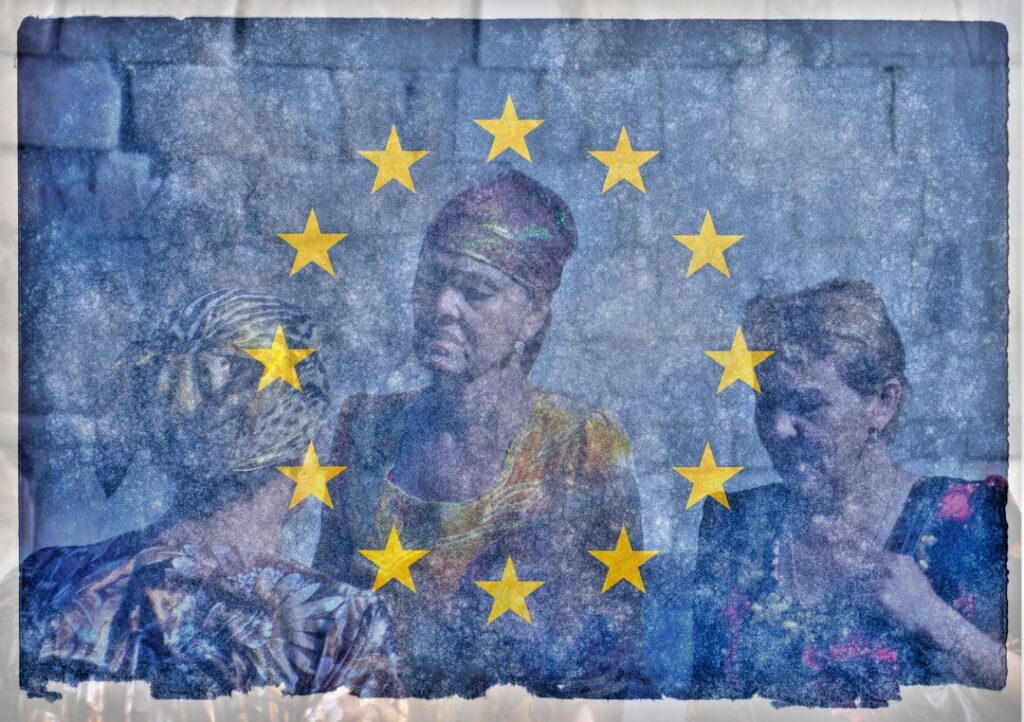
Does the European Parliament Judge Central Asia Fairly?

In 2024, European Parliament (EP) resolutions on Central Asia emphasized its increasing significance in a world that is being reshaped by Russia’s war on Ukraine and China’s growing assertiveness. They focused on strengthening the EU’s partnerships with Central Asia while seeking to advance democratic values and human rights. These Enhanced Partnership and Cooperation Agreements aim to support economic reforms, foster sustainable development, and encourage regional cooperation. At the same time, reflecting the EU’s strategic focus on stability and resilience in the region, the EP’s resolutions urged the Central Asian states to decrease their dependency on Russian energy and avoid facilitating sanctions evasion.

For the Central Asian countries, all these initiatives present opportunities to address pressing challenges and pave the way for growth. Advancing democratic governance and protecting fundamental rights, for example, can foster more inclusive and stable societies. Deeper engagement with the EU also offers access to advanced technologies and investments (as well as global markets), which are necessary for innovation and infrastructure upgrades. Likewise, the diversification of energy sources enhances regional self-reliance, reducing vulnerabilities that are tied to over-dependence on a single partner. Alignment with EU priorities, including resistance to autocratic pressures, gives Central Asia a better chance to develop its resilience and interconnected future.

Some voices in the region, however — particularly among government officials and more traditionally-minded citizens — view the European Parliament’s 2024 resolutions as overly critical, indeed influenced by special interests that fail to take into account the region’s unique challenges and priorities. From a Central Asian perspective, the criticisms contained in the EP’s resolutions lack essential context, focus narrowly on perceived shortcomings, and fail to give adequate consideration to the complex situation underlying governmental decisions. Such a one-sided approach, they suggest, overlooks essential cultural, historical, socio-political, and geopolitical factors.

The result is a significant gap between the EU’s expectations on the one hand, and, on the other, what is reasonable to expect given the realities on the ground. The drafters of these documents often focus excessively on identifying deficiencies in democratic processes. They report violations without contextualizing the governments’ choices and often omit any mention of the views of the general public. The unfortunate consequence is that such criticisms vitiate good-faith attempts to build cooperation and partnership. The ideal becomes the enemy of the possible.

Most Europeans still have a poor understanding of Central Asia. Many MEPs lack the time or resources to grasp the region’s complexity. Instead, their decisions are too often informed by resolutions that are drafted by a small group of “experts”. The language of these resolutions often reflects the drafters’ personal biases, which in turn risk deforming Europe’s strategic relationships with the region.

A lack of proper scrutiny is all the more alarming in light of the Qatargate scandal, which exposed how state-funded lobbyists can distort human rights narratives to advance specific agendas. Maria Arena, the former head of the European Parliament’s Subcommittee on Human Rights (DROI), played a central role in shaping judgments on democratic practices in Central Asia, steering resolutions that serve as important points of reference for elaborating international policy. Her recent legal woes raise troubling questions about the impartiality and integrity of the decisions made under her leadership.

One example comes from Uzbekistan, which has faced understandable criticism from the European Parliament for not advancing LGBTQ+ rights, but which is a value that clashes with the country’s traditional values rooted in Islamic customs and strong family structures. Reforms like decriminalization could improve Uzbekistan’s international standing; however, they risk sparking a domestic backlash where resistance within public opinion remains high. Balancing global human rights demands with cultural identity requires culturally sensitive approaches that foster change whilst protecting traditions.

Another example is a recent resolution on Kazakhstan that criticizes the country for suppressing civil activists. Such criticism might be justified in certain cases, but the resolution neglects to mention that some of these activists are reported to have ties to a criminal organization responsible for embezzling over $8 billion from a Kazakhstani bank. Kazakhstan has repeatedly raised the point that political activism should not shield individuals from scrutiny over criminal allegations, but the EP has mainly ignored this. To say that this failure highlights a lack of nuanced understanding is an understatement.

Or take Kyrgyzstan‘s call for transparency in the foreign funding of social movements. This legitimately reflects concerns in Bishkek about external influence in domestic politics. It is true that this could be a pretext for targeting political opponents and democratic backsliding, but critics ignore the need for accountability of foreign involvement in internal affairs. Balancing these concerns involves ensuring transparency, but it should not negate informed concerns about the possible foreign funding of civil society activities.

In Tajikistan, the EP’s criticism of restrictions on religious freedoms arises from a genuine desire to promote democracy and safeguard human rights. This one-sided approach, however, overlooks the significant threat of religious extremism that looms over the entire region, and which is particularly pronounced in Tajikistan because of its proximity to Afghanistan. The EP may mean well, but the practical effect of its deliberations is reduced by its failure to recognize the very real security challenges the government in Dushanbe faces. Again, it is essential to be informed by a nuanced understanding of this balance, failing which the EP limits its possibilities for constructive engagement and sustainable reforms.

The votes of parliamentarians become predictable when they are presented with a binary choice between supporting or opposing democracy and human rights in Central Asia; yet superficial arguments — however well-meaning they may be — condition their choices. Disregarding the region’s unique challenges and distinct perspectives gives rise to an oversimplified approach that risks alienating crucial partners.

Forsaking one-sided narratives and developing a deeper understanding of regional complexities will enhance Europe’s effectiveness and constructive contribution to security and prosperity. If the EP truly wishes to support progress in Central Asia, it must avoid generalized cookie-cutter critiques. With the development of the Middle Corridor, Europe has the chance to become a trusted partner for the region. The EU has the capacity to foster genuine reform in the region while building robust cooperation, but it is not there yet. A more empathetic and tailored approach would assist this transformation.