• KGS/USD = 0.01144 0%
  • KZT/USD = 0.00196 -0%
  • TJS/USD = 0.10899 -0%
  • UZS/USD = 0.00008 -0%
  • TMT/USD = 0.28490 0%
  • KGS/USD = 0.01144 0%
  • KZT/USD = 0.00196 -0%
  • TJS/USD = 0.10899 -0%
  • UZS/USD = 0.00008 -0%
  • TMT/USD = 0.28490 0%
  • KGS/USD = 0.01144 0%
  • KZT/USD = 0.00196 -0%
  • TJS/USD = 0.10899 -0%
  • UZS/USD = 0.00008 -0%
  • TMT/USD = 0.28490 0%
  • KGS/USD = 0.01144 0%
  • KZT/USD = 0.00196 -0%
  • TJS/USD = 0.10899 -0%
  • UZS/USD = 0.00008 -0%
  • TMT/USD = 0.28490 0%
  • KGS/USD = 0.01144 0%
  • KZT/USD = 0.00196 -0%
  • TJS/USD = 0.10899 -0%
  • UZS/USD = 0.00008 -0%
  • TMT/USD = 0.28490 0%
  • KGS/USD = 0.01144 0%
  • KZT/USD = 0.00196 -0%
  • TJS/USD = 0.10899 -0%
  • UZS/USD = 0.00008 -0%
  • TMT/USD = 0.28490 0%
  • KGS/USD = 0.01144 0%
  • KZT/USD = 0.00196 -0%
  • TJS/USD = 0.10899 -0%
  • UZS/USD = 0.00008 -0%
  • TMT/USD = 0.28490 0%
  • KGS/USD = 0.01144 0%
  • KZT/USD = 0.00196 -0%
  • TJS/USD = 0.10899 -0%
  • UZS/USD = 0.00008 -0%
  • TMT/USD = 0.28490 0%
08 December 2025

Central Asia: Working Together on Border Landscapes

Talk of closer cooperation among Central Asian countries has ebbed and flowed as far back as the period after independence from Soviet rule in the early 1990s. The goal of a more unified region is a work in progress, though one promising area of collaboration is a plan to restore and protect damaged ecosystems in border regions.

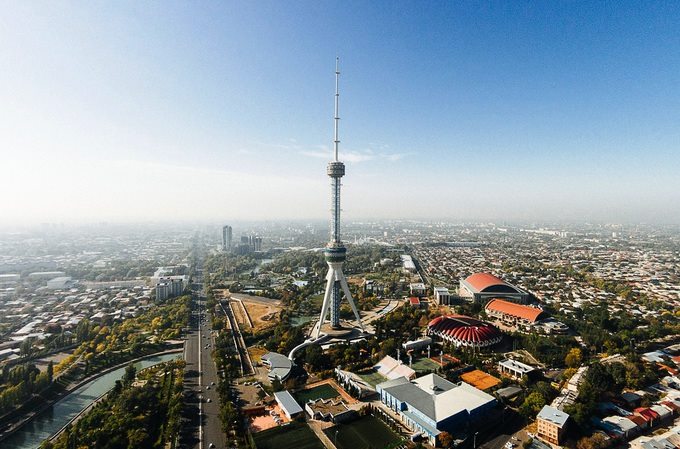
The first regional meeting on the topic, held this month in Tashkent, Uzbekistan’s capital, brought together government officials from the host nation as well as Kazakhstan, Kyrgyzstan, Tajikistan and Turkmenistan. The portfolios of the delegates were nature preservation, protected areas, emergencies, agriculture, and forestry.

They talked about coordinating on wildfire alert systems in cross-border areas, erosion control, tree-planting and nature-oriented tourism in protected areas and other sites shared by Central Asia countries, according to the Regional Environmental Centre for Central Asia, a non-profit group based in Almaty, Kazakhstan that promotes regional dialogue on the environment.

The group, which organized the Tashkent meeting, was created in 2001 by the five Central Asian states as well as the European Union and the United Nations Development Programme. The initiative is supported by a $256 million World Bank program to restore degraded landscapes in the region.

The World Bank has noted big progress toward poverty alleviation and economic growth by Central Asian countries in the last decades. However, it has cautioned that oil and gas extraction in Kazakhstan, Uzbekistan, and Turkmenistan have taken a heavy environmental toll, while soil erosion and water scarcity have accompanied land development in Kyrgyzstan and Tajikistan. Arid conditions exacerbated by climate change and inefficient management threaten transboundary water resources, a problem that is becoming increasingly severe.

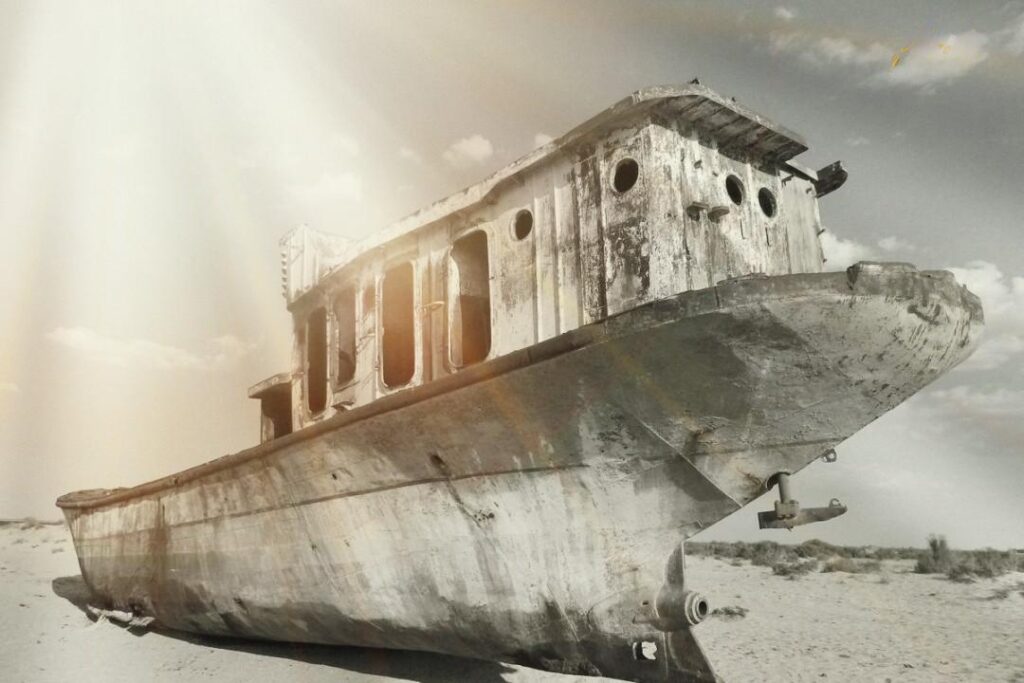
“A key example of tragic impacts on livelihoods and health of communities in Kazakhstan and Uzbekistan and across the region are massive sand and salt storms originating from the land areas once covered by the Aral Sea,” the Regional Environmental Centre for Central Asia said. It cited an international disaster database as saying more than 10 million people in Central Asia have “suffered from land degradation-related disasters” since 1990, inflicting damages estimated at around $2.5 billion.

Central Asian countries also seek to collaborate on early warning systems and other emergency precautions as they face a variety of natural hazards, including floods, landslides and droughts. Supported by United Nations agencies, the heads of the national emergency departments of Kyrgyzstan, Kazakhstan, Tajikistan and Uzbekistan convened in August at a lakeside resort town in northern Kyrgyzstan. There, they shared information and experiences.

Navigating Afghan-Pakistani Conflict: Central Asia’s Mediating Role in Regional Stability

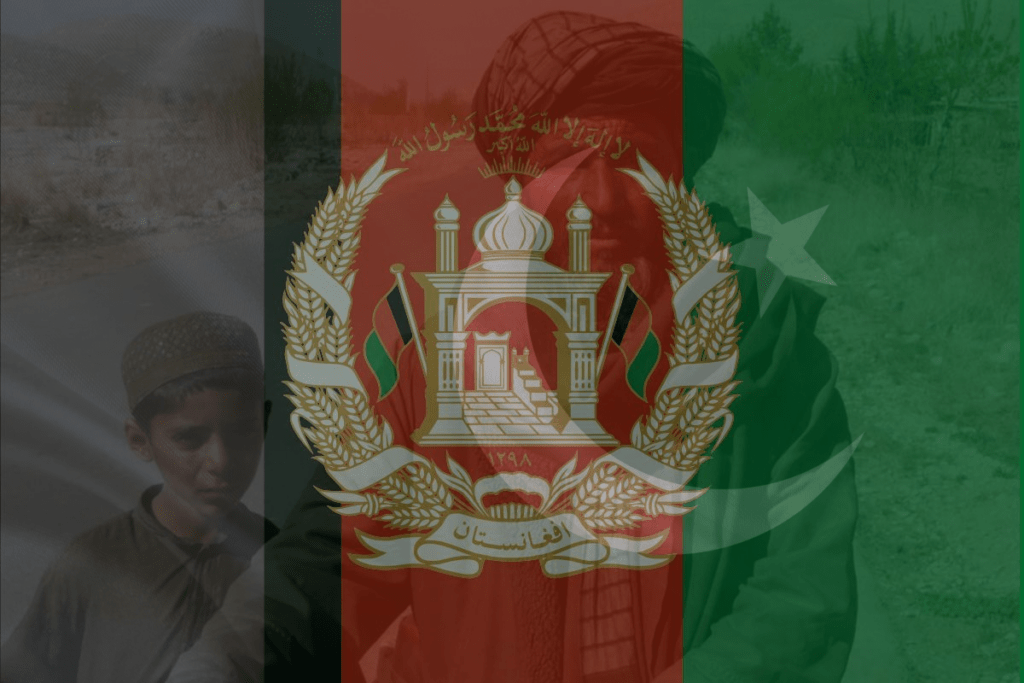
Recently, there has been a significant increase in tensions between Afghanistan and Pakistan, with both sides regularly exchanging accusations. In addition to this, border conflicts have become more frequent, with border crossings periodically closed. According to Modern Diplomacy, both countries are in a state of quite severe political conflict, and distrust and hostility from the Afghan population towards Pakistan is growing even though the “victory of the Taliban and the reincarnation of the Islamic Emirate… should have been a victory for Pakistan and strengthened its position in the region.”

The confrontation between the two neighbors in South Asia is a source of concern for other countries in the region, especially for the Central Asian republics, which are increasingly acquiring the status of independent players in their dealings with Afghanistan. Due to their proximity, these republics to varying degrees link their development with a stable Afghanistan designed to become a bridge to South Asia.

Negative dynamics in Afghan-Pakistani relations are a cause of much wringing of hands. Pakistan was among the first states to recognize the independence of the former Soviet Central Asian republics and has dynamic ties with them. Pakistan’s trade turnover with the region is roughly $500 million annually, most of which comes from imports to Pakistan. The nations are linked by the Quadrilateral Traffic in Transit Agreement (QTTA), the Turkmenistan-Afghanistan-Pakistan-India (TAPI) gas pipeline project, the CASA-1000 energy project, and the Uzbekistan–Afghanistan–Pakistan Railway Project. The majority of these projects use Afghanistan as a bridge between Central Asia and Pakistan.

In this regard, the countries of Central Asia are interested in a political situation which excludes confrontational approaches; none of them are interested in further destabilization in Afghanistan.

In the Central Asian republics, there is a well-established understanding of Pakistan’s exceptional and particularly important role in Afghanistan’s stability. Pakistan has a defining influence on security in Afghanistan and has historically been the most integrated in Afghan issues at the level of political and multi-ethnic conflicts. Pakistan is linked to its neighbor by historical and socio-cultural ties. In reality, however, a different story is emerging.

At both a global and regional level, active measures out of Islamabad set to discredit the de facto Taliban-led government of Afghanistan have been observed. Islamabad has undertaken a robust information campaign, which has put forward an entrenched narrative about Afghanistan being one of the world’s major sources of terrorism.

In this information war, Islamabad, being a fully-fledged member of the international community, has clear advantages and has used all available tools, including access to global platforms. Islamabad also has access to specialized committees and departments of the UN, which regularly prepare reports on the situation in Afghanistan. Unsurprisingly, it has used these to include ideas favorable its’ position on the world stage.

Acting as a source of information, Islamabad has presented its point of view, which the international community has largely accepted as objective information. However, it does not provide specific data, such as the size of terrorist groups or the location of their training camps. In shaping the new narrative, Islamabad does not mention its involvement in the formation, establishment, and development of the Taliban movement.

“The Taliban became the latest incarnation of Pakistan’s desire to support Islamist rather than nationalist rule in neighboring Afghanistan,” American author Michael Rubin once wrote in characterizing Islamabad’s policy at the time in an Op-Ed for The Washington Institute for Near East Policy titled “Who Is Responsible for the Taliban?” Rubin quoted Robert Kaplan, a correspondent for The Atlantic Monthly, who stated that Bhutto and Babar saw the Taliban “as a solution to Pakistan’s problems,” and Ahmed Rashid, who wrote that the “Taliban was not beholden to any one Pakistani lobby, such as the ISI. In contrast, the Taliban had access to more influential lobbies and groups in Pakistan than most Pakistanis.”

Objectively, the narratives in Pakistan’s foreign policy are somewhat of a forced defense. Pakistan’s politics reflect its own domestic issues, including ethnic and religious conflicts, radicalization, and counter-terrorism efforts. Afghan-Pakistani relations have been strained since the formation of the state of Pakistan; Afghanistan was the only country to vote against its new neighbor joining the UN, but later changed its stance.

The main catalyst was and remains the so-called Durand Line, which mechanically divided Pashtuns into Afghans and Pakistanis. This line was established in 1893 as the border between Afghanistan and British India (the British Raj), and was inherited by Pakistan in 1947. Based on the principle of uti possidetis juris, Islamabad considers it a state boundary, which is not entirely agreed upon within Afghanistan.

However, Pakistan is an ethnically and linguistically diverse country, and Pashtuns make up about 20% of the population. In this regard, the idea of national identity is very important to the authorities in Pakistan. This pursuit of national identity and unity affects relations with neighboring countries, especially since the issue of “Pashtunistan” has failed to go anywhere. As Barnett Rubin commented in his 1992 study, The Fragmentation of Afghanistan: “The resentments and fears that the Pashtunistan issue aroused in the predominantly Punjabi rulers of Pakistan, especially the military, continue to affect Pakistani perceptions of interests in Afghanistan.“

Kabul, meanwhile, believes that the Pakistani military and intelligence services are conducting a disinformation campaign in order to portray Afghanistan as a safe haven for terrorist groups – an initiative that seems to be aimed at undermining Afghanistan’s relations with neighboring countries, particularly India and Iran. Yet the implications of this propaganda go beyond mere rhetoric, posing real risks to diplomatic relations and regional stability.

The Sunday Guardian in India reported that the spread of fake news and propaganda is part of a broader strategy to discredit the Taliban. Such targeted campaigns carry real dangers, as they can escalate conflict and create favorable conditions for radical groups. There is no doubt that such content will continue to affect perceptions of Afghanistan in international circles, especially if think tanks and media outlets contribute to its dissemination. At a time when stability in South Asia and Central Asia is key to international peace, such campaigns not only undermine trust between countries, but also lead to increased hostilities and tensions.

In retaliation, the Taliban has been disseminating confessions made by detained ISIL fighters in which they speak of receiving training inside Pakistan. For example, according to an Al-Mursad publication, three ISIS-Khorasan members confessed to receiving training in Pakistan’s Baluchistan province. In this regard, one could argue that this calls into question Pakistan’s claims from the UN podium that it is Afghanistan that is the training center for ISIS-Khorasan and al-Qaeda.

Such allegations also contribute to the strengthening of anti-Pakistan rhetoric in the Afghan public and the radicalization of sentiments. For example, the theses postulated by the Afghan political analyst and religious figure Mufti Mohammad Ajmal Salar have resonated widely, especially in the context of Pakistan’s current relations with its neighbors. Salar has openly questioned Pakistan’s sovereignty and independence, calling it a project to serve foreign interests. In his view, Pakistan lacks the competence and sustainability to fulfill its commitments to Afghanistan or to establish long-term relations with it. In this context, Salar urged the Afghan leadership not to engage with the current authorities in Pakistan, but with the “principal authorities,” alluding to external powers which can be seen to control Islamabad’s strategic decisions.

These competing narratives create a dilemma for the international community as it seeks a more balanced approach to analyzing regional security. Rather than placing the blame entirely on Afghanistan, it is worth considering that in the complex dynamics of terrorism in South Asia, different actors may use the territories of neighboring countries for their operations.

According to experts, Pakistan’s statements may have overtly political overtones aimed at diverting attention away from its internal issues with extremism. Despite the presence of terrorist groups, Afghanistan is not the sole culprit behind regional instability, and the international community must take such factors into account to avoid distorting the real picture on the ground.

When Pakistan uses the UN podium to shape foreign policy narratives and accuse Afghanistan of supporting terrorism, this is primarily done to protect its geopolitical interests and divert attention from its problems. This strategy allows Pakistan to reinforce its status as a ‘victim of international terrorism’; attract sympathy and support from the international community, including financial and military assistance to fight terrorism; and build relations with key world powers such as the U.S. and China by dangling the idea of stability in the region.

The old adage, “Trust but verify,” once a catchphrase of President Reagan, springs to mind in these times of geopolitical crisis. In addition, the Taliban needs to act in a more transparent, unambiguous, and, most importantly, relatable way for its neighbors and the international community.

Whether Islamabad and Kabul can find an understanding affects not only the future of the above-mentioned large-scale projects involving the countries of Central Asia, but stability in general, which is a primary condition for economic development. If Afghanistan and Pakistan cannot agree and find common ground, they could turn to a third party for reconciliation efforts. Countries within Central Asia would undoubtedly be willing to act as facilitators, given their interest in finding a mutually acceptable solution for all sides and maintaining further cooperation between all parties.

Secret Spots Favored by Tashkent’s City Dwellers

Tashkent, the capital of Uzbekistan, has a wealth of unique attractions, each with its own history and atmosphere. Residents, from students to entrepreneurs, have their favorite corners where they return again and again. Here some of a few recommended by locals to TCA.


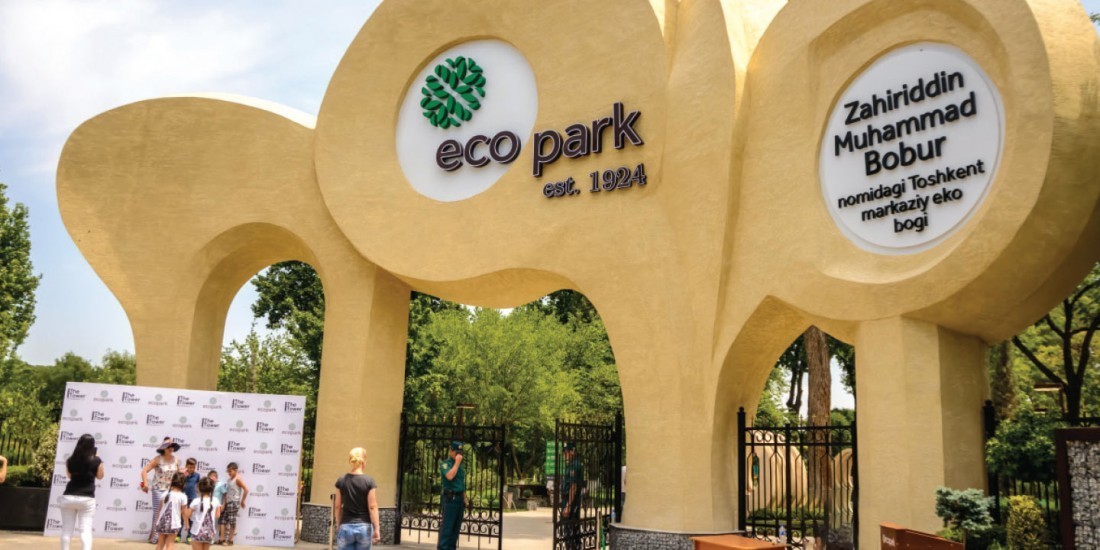
photo: uzbekistan.travel Eco Park

Eco Park

Located in the city center, the Eco Park is especially popular amongst students seeking somewhere to relax, take a break from their studies and immerse themselves in nature.

“Here you can not only walk around, but also learn and be inspired by new ideas.”

Saeed, 19, Programming student


photo: www.tripadvisor -Seoul National Park

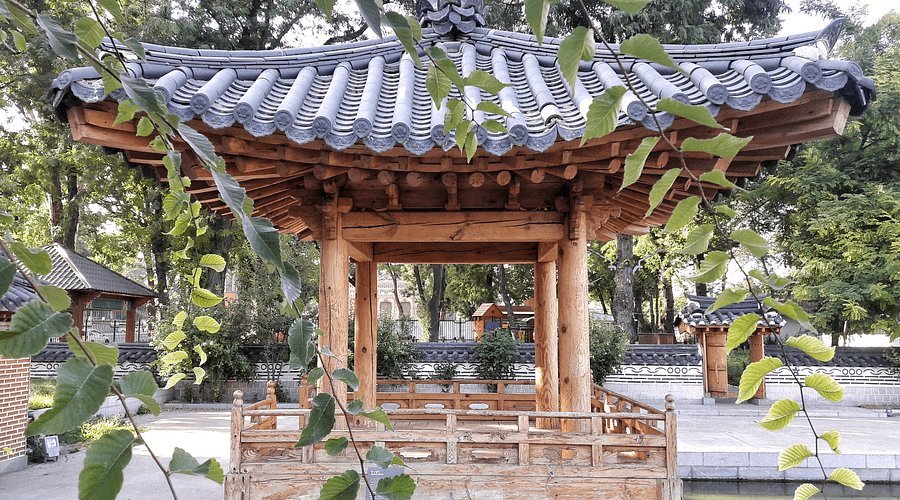
Seoul National Park

Easily accessible by bus from the city center, Seoul National Park offers a taste of Korea in its landscaping and various pavilions. Passionate about Korean culture, Samira often visits the park to relax and socialise with friends.

“This place has become my little world where I can enjoy nature and feel part of Korean culture.”

Samira, 17, High school student


photo: www.afisha -Patriki Coffee Shop

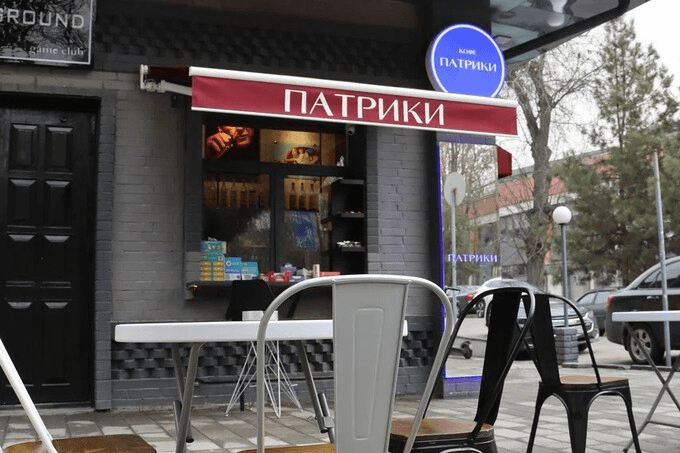
Patriki Coffee Shop

For Dilshot, aside from its excellent coffee, the cozy atmosphere of Patriki is a perfect and inspirational spot in which to complete tasks on his computer.

“There is always cool music here, and I can focus on my projects without being distracted by noise.”

Dilshot, 22, Programmer


photo: www.tripadvisor – Café 1991

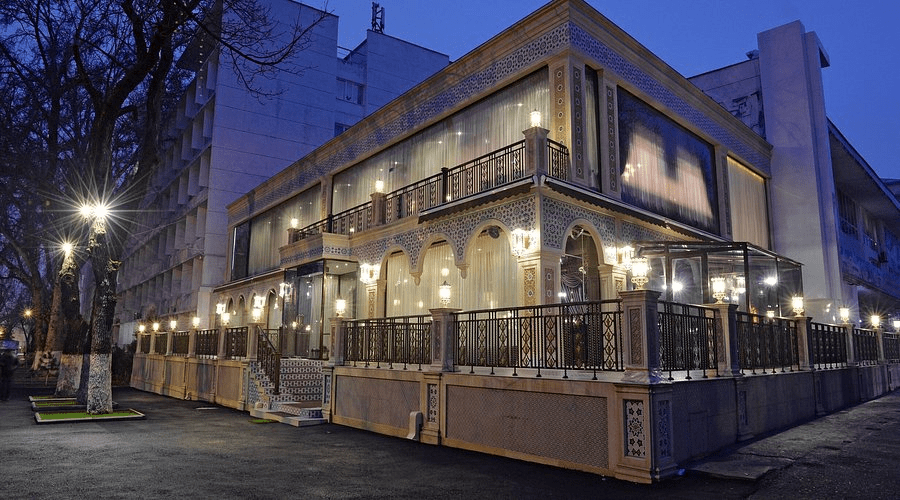
Café 1991

Nasiba, prefers to chill in Cafe 1991; a venue renowned for its excellent menu and which she favors for its elegant and stylish atmosphere.

“It is my place of rest. I like to relax here after work, enjoy delicious food and socialize with friends.”

Nasiba, 30, Cafe Administrator


photo: www.gazeta.uz – Chinorkent

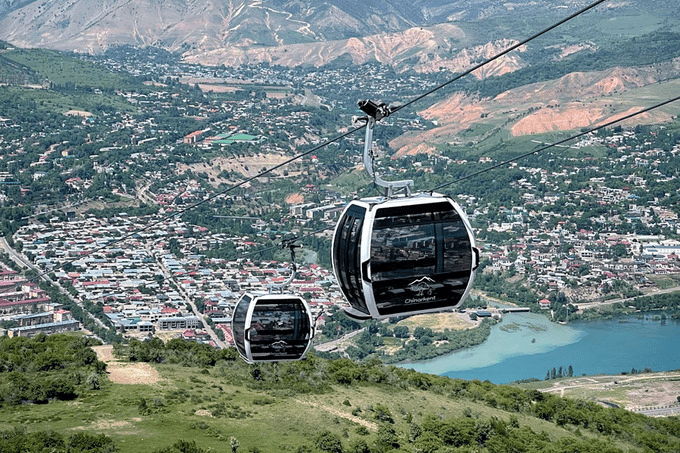
Chinorkent Mountain Resort

Lured by the great outdoors, Gafur likes to escape his daily routine and the hustle and bustle of the city by heading for the picturesque mountain resort of  Chinorkent. Located in Tashkent’s  Bostanlyk district, 65 kilometers from the center, the resort has a cable car to transport visitors within ten minutes to an observation deck offering panoramic views.

“The tranquil atmosphere makes it a perfect place to relax.”

Gafur, 22, Entrepreneur


Image of Kelin in Kazakh Films

In Kazakh culture, a special place is occupied by the traditional relationship between yene (mother-in-law) and kelin (daughter-in-law). This relationship is a reflection of family values and cultural norms that have developed over the centuries. In recent years, the theme of yene and kelin has been actively developed in Kazakh cinematography, where directors and screenwriters reveal the depth of these relationships, emphasizing their complexity and multifaceted nature.

In a traditional Kazakh family, yene plays an important role. She not only passes on domestic and cultural traditions to the younger generation but also helps the kelin to adapt to the new family. In turn, the kelin is responsible for managing the household and caring for the family, which is perceived as an important and honorable part of her social role.

However, this relationship, based on mutual respect and support, is often not without its difficulties. As in any culture, traditions are sometimes the cause of conflict and tension. These complexities, caused by societal expectations and personal ambitions, are reflected in Kazakhstan films, which increasingly focus on the role of the kelin in modern life.

The cinematography of Kazakhstan has become a powerful tool for researching and discussing traditional family relations. One of the most popular films on this topic is the comedy film Kelinka Sabina. In this film, the main focus is on the difficulties a young kelin faces when she enters a traditional family. The movie not only demonstrates the clash of cultures but also shows how the characters learn to accept each other despite the differences in outlook and habits.

Kelinka Sabina became a sensation in Kazakhstan, not only for its comedic scenes but also for its heartfelt and poignant moments that invite viewers to reflect on family values. The film explores the dynamics between mother-in-law and daughter-in-law while humorously addressing the integration of modernity and tradition, highlighting the challenges of adapting to new ways of life.

Another landmark film on this subject is Daughter-in-law is Also Human, which takes a more serious and in-depth look at the issue of female self-identification in traditional society, touching on important topics such as gender stereotypes, prejudice against women, and their role in modern Kazakhstan. The main character has to face the fact that she is expected to fully commit to the traditional role of a kelin, but she strives to maintain her personal space and rights. Her story of self-assertion serves as an example of how young Kazakh women can fight for their rights and change established stereotypes and expectations set by generations.

Another film in the same series, Kelinka is Also a Person 2, takes a significant step in addressing the role of women in Kazakh society by broadening perceptions of what it means to be a kelin in the modern world and opening up a discussion on gender roles and women’s rights.

The image of the kelin in Kazakh films epitomizes the complex and multifaceted aspects of Kazakh culture. The relationship between yene and kelin extends beyond a simple family connection; it represents a significant and evolving cultural code.

Uzbekistan Hosts IV Tashkent Anti-Corruption Forum

On October 17, 2024, Uzbekistan hosted the IV Tashkent Anti-Corruption Forum, gathering over 250 participants, including officials, international experts, and representatives from civil society. The event was organized by Uzbekistan’s Anti-Corruption Agency and partners including the European Union, GIZ (German International Cooperation), and the United Nations Development Programme (UNDP).

The forum highlighted Uzbekistan’s progress in fighting corruption and improving its position in key international rankings, such as Transparency International’s Corruption Perceptions Index. Uzbekistan’s successful completion of the OECD’s 2023 anti-corruption evaluation, scoring over 86 points, making it the highest ranked country in Central Asia, was also praised. Key achievements include implementing a national anti-corruption program, creating a long-term strategy for 2030, and actively involving civil society in the fight against corruption.

At the forum, a major milestone was the signing of an agreement between Uzbekistan’s Anti-Corruption Agency and the World Bank’s Integrity Vice Presidency to work together on training, projects, and research to combat corruption. The forum also featured discussions on using new technologies to prevent corruption, building a culture to resolve social conflicts, and addressing conflicts of interest through compliance systems.

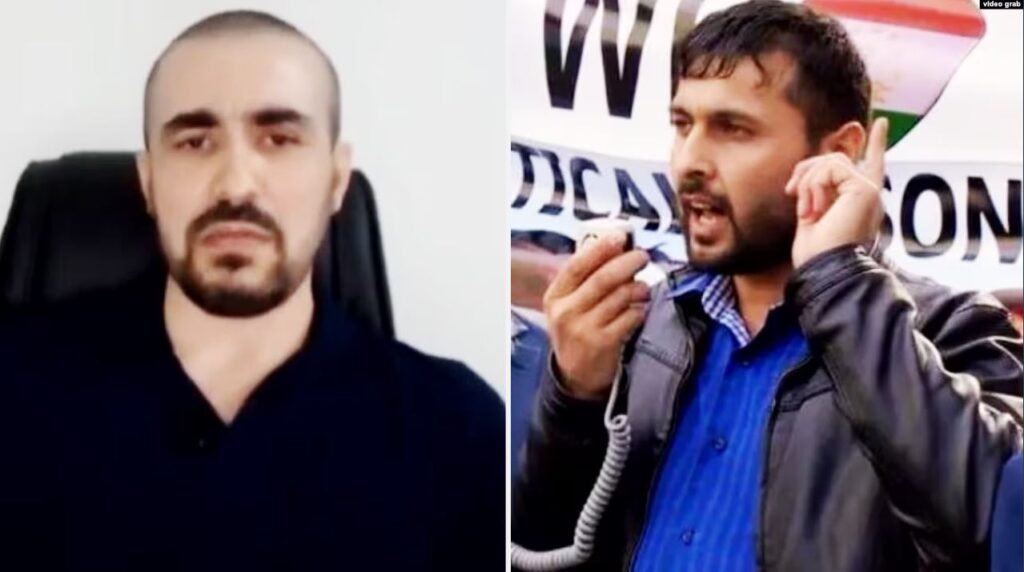
Tajikistan Court Issues Harsh Sentences to Opposition Group 24 Leader and Associate

A Dushanbe court has handed down sentences to two opposition activists: Sukhrob Zafar, leader of the banned Group 24 (G24), and his associate Nasimjon Sharifov. Zafar was sentenced to 30 years and Sharifov to 20 years in prison. The verdict was announced on October 10 behind closed doors in the Dushanbe pre-trial detention center, and according to Radio Ozodi sources, it fully complies with the state prosecution’s request. Official structures still need to confirm this information.

Representatives of G24 say the sentences relate to the charges of “calls for violent change of the constitutional order” spread through the Internet. They consider these accusations unfounded and call the case politically motivated. In their opinion, the trial was conducted under pressure from the authorities and was a manifestation of Emomali Rahmon’s government’s repressive policy.

Both activists previously lived in Turkey, where they were hiding from the Tajik authorities. Suhrob Zafar had been there since 2014 and had received repeated threats. He was detained several times at Tajikistan’s request but was soon released. Sharifov had also been living in Turkey since 2015 and was detained three times but released each time. In March 2024, they mysteriously disappeared, and only in August it became known that they were taken to Dushanbe, where an investigation against them began.

The trial, according to G24 representatives, was yet another example of human rights violations and political repression. The organization claims that the trial was held under tremendous pressure and calls the authorities’ actions an act of suppression of dissent. Supporters believe that the repression of activists continues as part of the anti-opposition policy that the Tajik authorities have been pursuing for years.

G24 is an opposition organization founded in 2012 by businessman Umarali Kuwwatov, who left Tajikistan after conflicts with the authorities. The movement opposes President Emomali Rahmon’s policies, accusing him of corruption and authoritarianism. In 2014, Tajikistan’s Supreme Court declared the organization extremist after calls for protests and banned its activities, including websites and publications. The group’s founder was killed in 2015 in Turkey, raising suspicions of involvement by Tajik authorities.