• KGS/USD = 0.01144 0%
  • KZT/USD = 0.00192 -0%
  • TJS/USD = 0.10879 0.28%
  • UZS/USD = 0.00008 0%
  • TMT/USD = 0.28571 0%
  • KGS/USD = 0.01144 0%
  • KZT/USD = 0.00192 -0%
  • TJS/USD = 0.10879 0.28%
  • UZS/USD = 0.00008 0%
  • TMT/USD = 0.28571 0%
  • KGS/USD = 0.01144 0%
  • KZT/USD = 0.00192 -0%
  • TJS/USD = 0.10879 0.28%
  • UZS/USD = 0.00008 0%
  • TMT/USD = 0.28571 0%
  • KGS/USD = 0.01144 0%
  • KZT/USD = 0.00192 -0%
  • TJS/USD = 0.10879 0.28%
  • UZS/USD = 0.00008 0%
  • TMT/USD = 0.28571 0%
  • KGS/USD = 0.01144 0%
  • KZT/USD = 0.00192 -0%
  • TJS/USD = 0.10879 0.28%
  • UZS/USD = 0.00008 0%
  • TMT/USD = 0.28571 0%
  • KGS/USD = 0.01144 0%
  • KZT/USD = 0.00192 -0%
  • TJS/USD = 0.10879 0.28%
  • UZS/USD = 0.00008 0%
  • TMT/USD = 0.28571 0%
  • KGS/USD = 0.01144 0%
  • KZT/USD = 0.00192 -0%
  • TJS/USD = 0.10879 0.28%
  • UZS/USD = 0.00008 0%
  • TMT/USD = 0.28571 0%
  • KGS/USD = 0.01144 0%
  • KZT/USD = 0.00192 -0%
  • TJS/USD = 0.10879 0.28%
  • UZS/USD = 0.00008 0%
  • TMT/USD = 0.28571 0%
12 December 2025

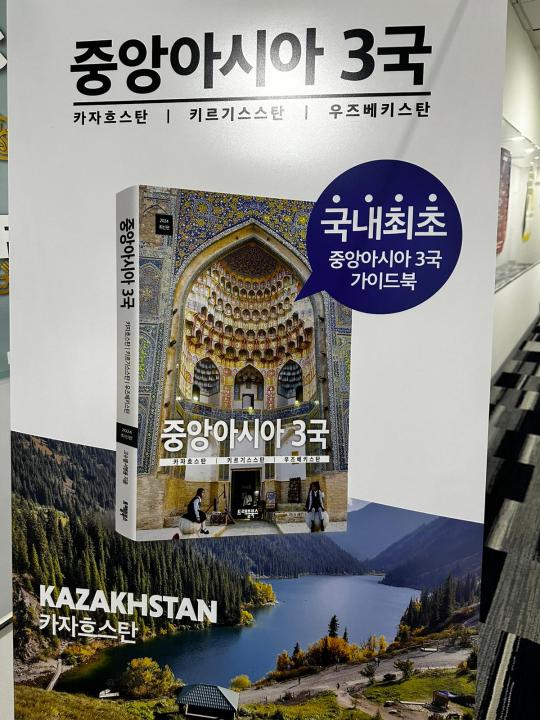
Travel Guide to Kazakhstan, Kyrgyzstan, and Uzbekistan Presented in Seoul

A presentation of the book, A Travel Guide to Three Countries of Central Asia, took place in the capital of South Korea on July 2, and was attended by the heads of the diplomatic missions of Kazakhstan, Kyrgyzstan, and Uzbekistan, as well as representatives of leading South Korean tour operators, airlines, and journalists, the Kazakh Foreign Ministry has reported.

During the event, Korean writer Seo Byung Yong spoke in detail about his book, which describes the unique tourist destinations of the region. The author spoke about the huge potential for tourism development in Central Asia, noting the visa-free regimes, the availability of direct flights, and the rich gastronomic culture and variety of destinations.

Speaking at the event, the Ambassador of Kazakhstan to the Republic of Korea, Nurgali Arystanov, emphasized the importance of expanding cooperation in the field of tourism, and invited Korean citizens to visit the 5th World Nomad Games, which will be held in Astana from September 8 to 13, 2024.

The Executive Director of the Central Asia – Republic of Korea Cooperation Forum’s Secretariat, Rhee Jong Kook, spoke of the importance of further strengthening cooperation with the countries of Central Asia in light of the recently adopted K-Silk Road strategy, as well as the successful negotiations of President of South Korea, Yoon Suk Yeol, with the President of Kazakhstan and leaders of other Central Asian nations.

Kyrgyz Supreme Court Upholds Sentence of Activist Zarina Torokulova

Considering the appeal of convicted activist Zarina Torokulova, the Supreme Court of Kyrgyzstan upheld the sentence passed down on her by lower courts, lawyer Akmat Alagushev has reported. According to Alagushev, the charges against the defendant were not proven at the investigation or in court; despite this, the court found her guilty.

On January 16, the Pervomaisky District Court of Bishkek found the activist guilty of violating Part 3 of Article 278 of the Criminal Code of the Kyrgyz Republic, which addresses “Calls for active disobedience to the lawful demands of authorities, mass disorder, and incitement to violence against citizens.”

Earlier, the prosecution noted that the activist shared two messages from the Facebook account “Umai Aruu.” One was “Japarov Mafia,” and the other was “Organizing an online rally,” a repost of a video by journalist, Olzhobai Shakir, who opposed the transfer of four boarding houses on Issyk-Kul to Uzbekistan, and urged citizens to come out for a rally. He was detained on August 23, 2023, by officers of the State Committee for National Security, accused of calling for active disobedience to law enforcement officials, mass disorder, and attempted seizure of power.

Torokulova was sentenced to five years’ imprisonment with three years’ probationary supervision.

Azerbaijan and Turkmenistan Nominate Traditional Craft of ‘Guram’ for UNESCO Cultural Heritage List

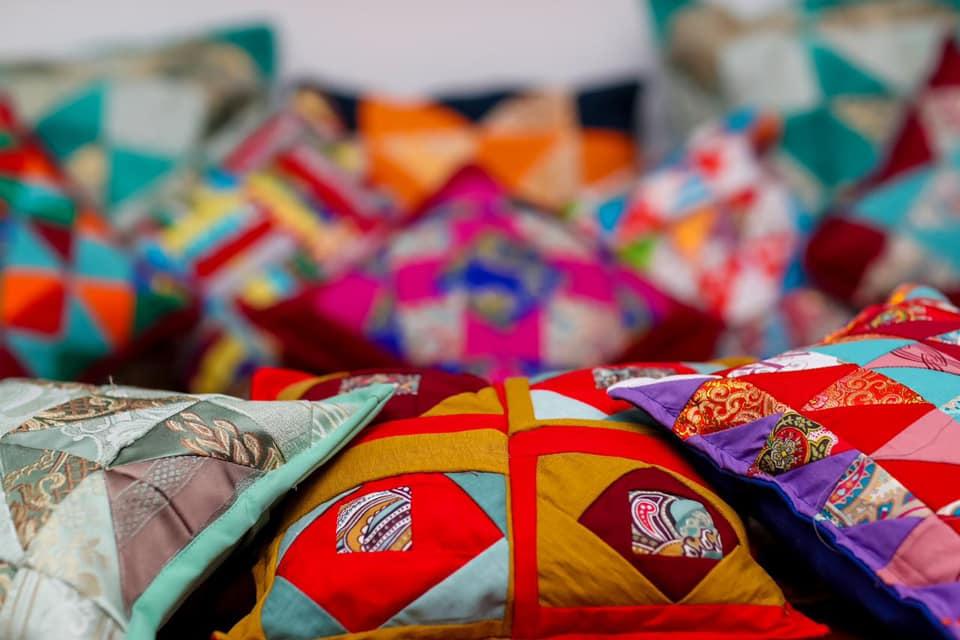
Turkmenistan’s National Commission to UNESCO is actively working towards the international promotion of the country’s cultural heritage and in collaboration with Azerbaijan, has nominated the patchwork art of ‘guram’ for inclusion in the List of Intangible Cultural Heritage of Humanity.

Regarding the move, Chinar Rustemova, Executive Secretary of the National Commission of Turkmenistan for UNESCO, stated, “We have also started talks with the Turkic History and Culture Foundation of the Republic of Turkey (TURKTAV) on cooperation in popularizing the cultural heritage of the Turkmen people in the Turkic world. The plans include expanding exhibition and library activities and organizing specific events within the framework of the regional project ‘Our Heritage’ proposed by the Turkmen side.”

It should be noted that this year, on the initiative of Turkmenistan, Tajikistan, and Iran, preparations are underway to nominate “Traditions of making cradles and singing cradle songs” for inclusion in the List of Intangible Cultural Heritage of Humanity.

Illegal Underground Tunnel Unearthed on Uzbekistan-Kazakhstan Border

An illegal underground tunnel has been discovered in the border area of  Tashkent and Kazakhstan, according to the State Security Service of Uzbekistan (SSS).

It is noted that SSS employees were quick to call a meeting to cooperate with the “Tashkent-Aero” specialized customs complex’s  border troops and military personnel.

The gathering exposed a cross-border criminal group’s illegal importation of large quantities of substandard drugs from India through Kazakhstan to Uzbekistan.

The drugs were brought into Almaty’s international airport via the Delhi-Tashkent-Almaty air route. The stash was then delivered to the Dostlik settlement in the  Saryogoch district of the  Turkestan region, Kazakhstan, and transferred onwards to Tashkent’s  Orikzor neighbourhood, through a secret underground route.

The horde comprised 17,048 drugs, produced in India under 107 brands including Albumin, Remdesivir, and Meropenem. Valued at 1 billion 94 million UZS (approximately $87,096.82), the drugs were retained as evidence against the smugglers who are currently being held in detention.

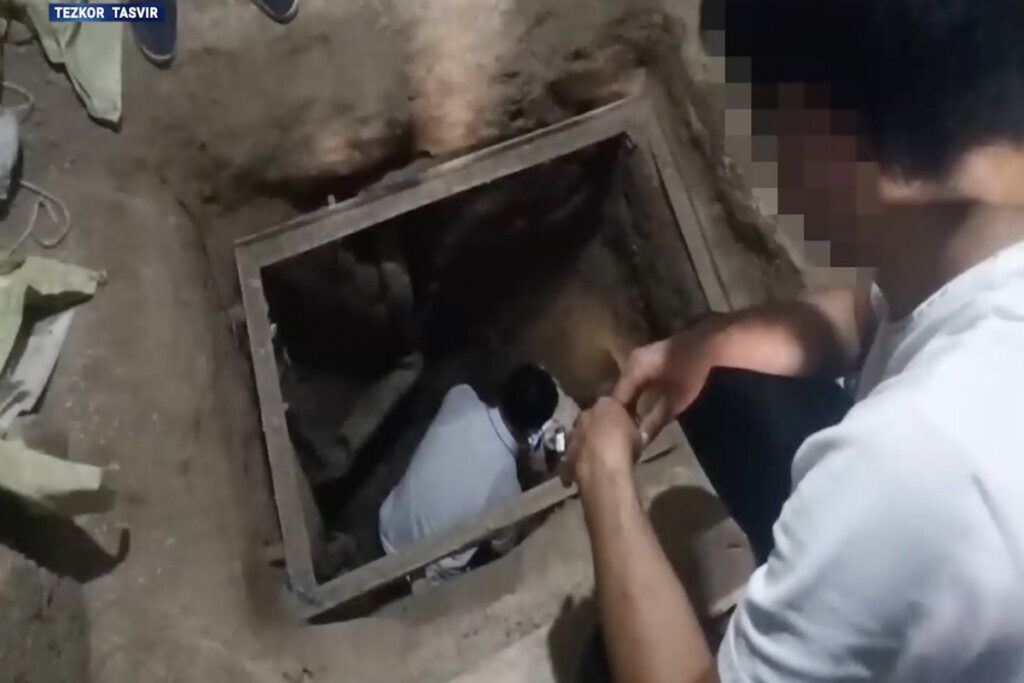
Running a distance of 310 meters, the underground tunnel is a sophisticated construction furnished with  air ventilation,  lighting , carts, and ropes for cargo transportation.

In a previous post, The Times of Central Asia reported on the discovery of another secret tunnel connecting Kyrgyzstan and Uzbekistan.

SCO Summit: Eurasian Alliance Signs Security Agreements; Welcomes Belarus

By Jonathan Campion, reporting from the SCO Summit in Astana


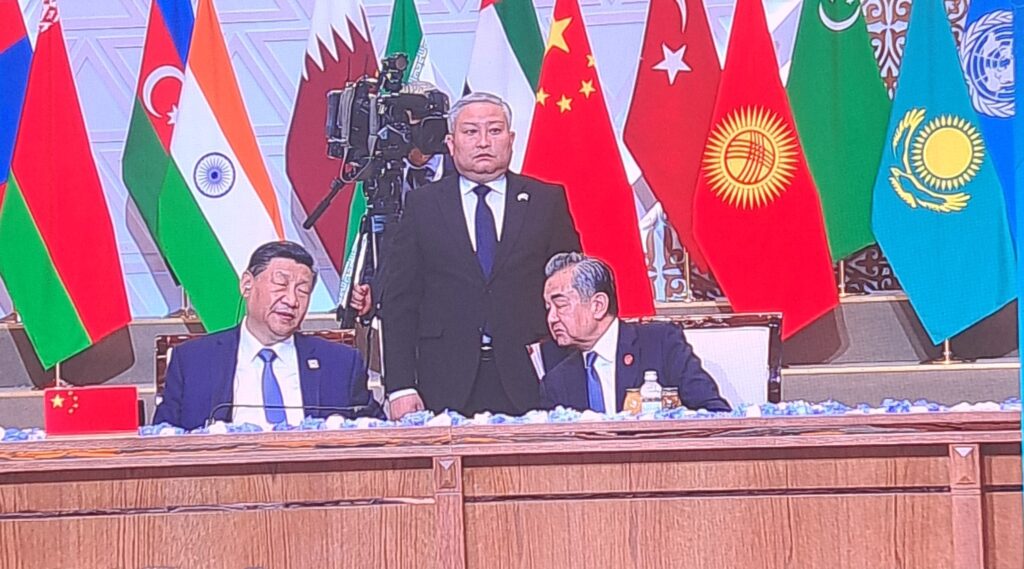
At the Shanghai Cooperation Organization (SCO) Summit in Astana this morning, leaders from the bloc’s member states signed a host of agreements intended to promote cohesion in the Eurasia region. The first session, which was held behind closed doors, had begun with the signing of the document that accepted Belarus as the SCO’s 10th full member.

The SCO is a political, security and economic alliance, of which Kazakhstan, Kyrgyzstan, Tajikistan and Uzbekistan are founding members. The group also includes China, Russia, Iran, India, Pakistan, and now Belarus. The organization has four observer states and 14 dialogue partners, covering half of the world’s population, and almost a third of global GDP. 

The first agreement signed was a document outlining the Shanghai Cooperation Organization’s development strategy for the next 12 months. In 2025 Kazakhstan will pass chairmanship of the alliance to China, and there is speculation that the SCO may grow further next year, to include at least one new member.

With security a growing concern for members, particularly in light of the March terrorist attack outside Moscow, for which the terror group Islamic State Khorasan Province (ISIS-K) have claimed responsibility, leaders approved the SCO’s latest three-year Cooperation Program to counter terrorism, separatism and extremism. The parties also signed an agreement on the organization’s regional anti-drug strategy.

Another high-profile document is the SCO’s development strategy for cooperation in the energy sphere. Kazakhstan is at the forefront of the region’s transition to green energy, with Chinese leader Xi Jinping mentioning the country’s new Zhanatas wind farm and the Turgusun hydropower station as key joint projects with China in an article published in the Kazakh press this week.

The heads of state were welcomed to the Summit by Kazakh President Kassym-Jomart Tokayev, with his Russian counterpart Vladimir Putin, Aleksandr Lukashenko of Belarus and Chinese leader Xi Jinping the last to arrive, ten minutes after the other dignitaries. Some leaders did not arrive at all: India’s Narendra Modi is not attending this year’s SCO Summit, and has sent the country’s external affairs minister Subrahmanyam Jaishankar in his place. 

The Summit’s afternoon session is styled as “SCO Plus”. In attendance are the heads of state of the alliance’s dialogue partners, including the presidents of Turkey and Azerbaijan, Recep Tayyip Erdogan and Ilham Aliyev. Turkmenistan – which is not affiliated to the SCO but which is invited as a guest – is led not by its President Serdar Berdimuhamedov, but by his father Gurbanguly Berdimuhamedov, the former leader who is now the chairman of the country’s People’s Council.


Remittances to Central Asia and Europe Down 10%

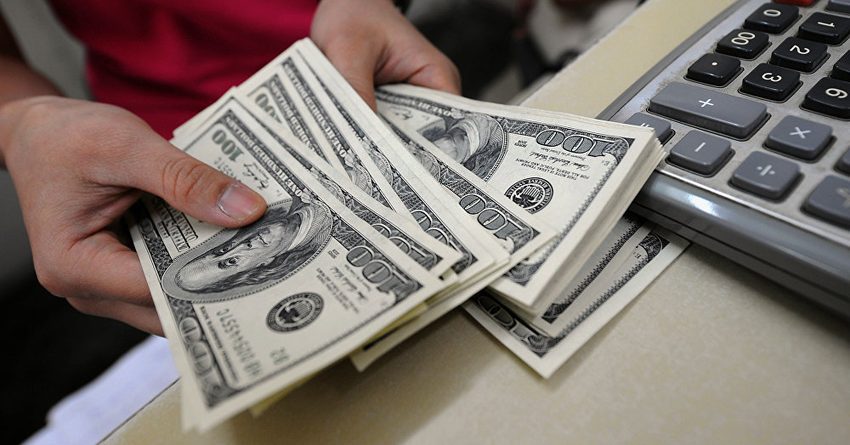
After significant growth of 18% in 2022, the inflow of remittances to Europe and Central Asia last year decreased by 10%, amounting to about $71 billion, according to an analytical review by the World Bank entitled “Migration and Development”. This reduction is due to a slowdown in remittances from Russia to neighboring countries, especially the Central Asian states. Among the reasons cited are the devaluation of the ruble against the dollar (39% in 2023), a decline in the number of remittances from Russia to Ukraine, and a slowdown in the outflow of migrants to Russia from neighboring states, many of whom have decided to return home after facing a wave of xenophobia following the Crocus City Hall attack. Financial institutions in some countries have also restricted transfers from Russia for fear of sanctions, which could divert remittance flows to unofficial channels.

According to the World Bank, in 2023, remittances from Russia fell significantly to Uzbekistan (from 87% to 78% of all remittances), Georgia (from 47% to 37%), Azerbaijan (from 82% to 63%), and Kyrgyzstan (from 95% to 94%). Remittances from the U.S. to these countries also declined. “In Armenia, Azerbaijan, and Kazakhstan, remittances fell by at least 29% in 2023. At the same time, remittances to Albania, Bulgaria, Kosovo, and Turkey doubled,” the report states.

According to the World Bank’s forecast, remittance flows to Europe and Central Asia will decline by another 2% in 2024, but grow by about 4% to about $72 billion in 2025. The average cost of sending remittances also increased.