• KGS/USD = 0.01144 0%
  • KZT/USD = 0.00215 0%
  • TJS/USD = 0.10637 0%
  • UZS/USD = 0.00008 0%
  • TMT/USD = 0.28530 0%
  • KGS/USD = 0.01144 0%
  • KZT/USD = 0.00215 0%
  • TJS/USD = 0.10637 0%
  • UZS/USD = 0.00008 0%
  • TMT/USD = 0.28530 0%
  • KGS/USD = 0.01144 0%
  • KZT/USD = 0.00215 0%
  • TJS/USD = 0.10637 0%
  • UZS/USD = 0.00008 0%
  • TMT/USD = 0.28530 0%
  • KGS/USD = 0.01144 0%
  • KZT/USD = 0.00215 0%
  • TJS/USD = 0.10637 0%
  • UZS/USD = 0.00008 0%
  • TMT/USD = 0.28530 0%
  • KGS/USD = 0.01144 0%
  • KZT/USD = 0.00215 0%
  • TJS/USD = 0.10637 0%
  • UZS/USD = 0.00008 0%
  • TMT/USD = 0.28530 0%
  • KGS/USD = 0.01144 0%
  • KZT/USD = 0.00215 0%
  • TJS/USD = 0.10637 0%
  • UZS/USD = 0.00008 0%
  • TMT/USD = 0.28530 0%
  • KGS/USD = 0.01144 0%
  • KZT/USD = 0.00215 0%
  • TJS/USD = 0.10637 0%
  • UZS/USD = 0.00008 0%
  • TMT/USD = 0.28530 0%
  • KGS/USD = 0.01144 0%
  • KZT/USD = 0.00215 0%
  • TJS/USD = 0.10637 0%
  • UZS/USD = 0.00008 0%
  • TMT/USD = 0.28530 0%

Uzbekistan Installs 37 Air Monitoring Stations in Aral Region as Environmental Cooperation Expands

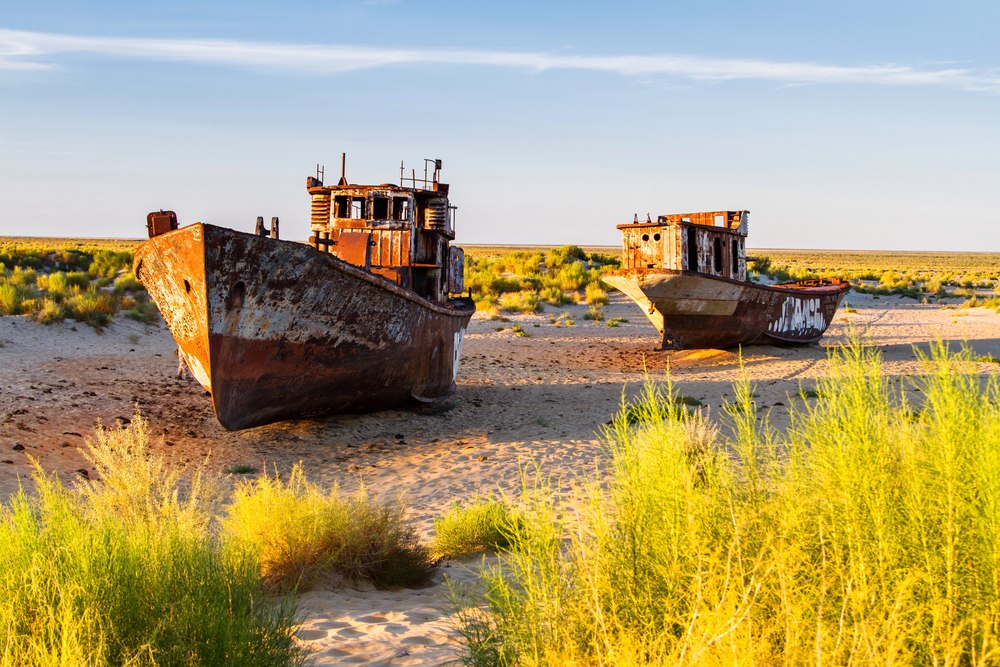
Authorities in the region of Karakalpakstan have installed 37 automated air quality monitoring stations to track pollution levels in the Aral Sea region, according to Uzbekistan’s National Committee on Ecology and Climate Change. The project was implemented in cooperation with the United Nations Development Programme (UNDP).

The system measures fine particulate matter, including PM2.5 and PM10, as well as gases such as carbon monoxide, nitrogen dioxide, ozone, and hydrogen sulfide. It also records key meteorological indicators, including temperature, humidity, air pressure, and wind speed. Data is transmitted in real time through the Aurisgreentech system, which officials say reduces human error and improves accuracy.

During a recent visit to the region, UNDP’s representative in Uzbekistan Akiko Fujii reviewed the work of the regional ecology committee’s Situation Center, where monitoring results are processed. According to official reports, she also inspected a laboratory equipped to analyze air, water, and soil samples in line with international standards.

“The United Nations will continue to support projects aimed at improving the environmental situation in Karakalpakstan,” Fujii said, noting the importance of reliable data in assessing pollution and forecasting ecological risks.

The initiative comes as regional cooperation on environmental challenges gains momentum. From April 22 to 24, Astana will host a regional ecological summit bringing together UN agencies, international organizations, and government representatives from Central Asia and the Caspian region.

The summit will include a ministerial session led by the World Health Organization focusing on the health impacts of environmental degradation in the Aral Sea area. Discussions are expected to address the links between pollution, public health, and the need for coordinated responses across borders.

Kazakhstan’s Regional Ecological Summit 2026: What It Is and Why It Matters

Kazakhstan’s Regional Ecological Summit 2026 in Astana on April 22-24 is aiming to turn Central Asia’s environmental strain into a regional political agenda. Organized in partnership with the United Nations, the summit is built around the theme, “Shared Vision for a Resilient Future.” Its stated purpose is to bring together governments, international organizations, lenders, businesses, researchers, and civil society to push for joint and practical responses to climate and ecological pressures across the region.

President Kassym-Jomart Tokayev first proposed hosting a regional climate summit in Kazakhstan under UN auspices during his 2023 speech at the 78th session of the UN General Assembly. By 2026, that idea had broadened into a wider environmental summit covering climate transition, adaptation, food security, natural resource management, air pollution, waste, finance, and environmental skills. The official key thematic directions show that this is no longer a narrowly framed climate conference. It is being presented as a broader Central Asian platform for ecological cooperation.

In Central Asia, ecological stress now shapes core state concerns, from farming and energy to public health and cross-border cooperation. That gives the Astana summit a broader role than a standard environment conference.

That shift reflects real regional pressures. Central Asia faces chronic water stress, glacier retreat, desertification, air pollution, and growing strain on ecosystems. The summit’s organizers say the meeting is meant to produce joint solutions rather than another round of abstract pledges. The UN in Kazakhstan says the summit is expected to advance shared regional responses and identify green financing needs, while a second UN page states that one planned outcome is a Joint Declaration by the heads of state of Central Asia, alongside a 2026-2030 Programme of Action developed with the United Nations.

Tokayev’s own language explains the summit’s pitch. On August 5, 2025, speaking at the Third United Nations Conference on Landlocked Developing Countries in Awaza, Turkmenistan, he said, “Many developing countries without access to the sea are facing water scarcity, glacier melt, desertification, and other extreme weather events. Addressing these challenges requires coordinated regional efforts and strong international support. At the same time, I believe that measures to combat climate change must remain balanced and inclusive, and respond to the legitimate development needs of countries. To strengthen our joint efforts in addressing climate change, I invite you to the Regional Ecological Summit, which will be held in Astana in partnership with the United Nations.”

The wording shows how Kazakhstan wants to frame the event. Central Asia’s environmental problems cross borders, but the response, in Tokayev’s view, must also accommodate growth, infrastructure, and development. That is why the summit is being presented not just as a climate gathering, but as a forum linking ecological policy, investment, technology, and state planning. The EXPO component is part of that design. Government and investment-promotion pages say the parallel exhibition will focus on green technologies, ESG tools, and practical climate solutions, linking diplomacy to project finance and implementation.

The summit’s speaker list underlines its international reach. The official RES 2026 page includes Junhua Li, Tedros Adhanom Ghebreyesus, Inger Andersen, Tatiana Molcean, and OSCE Secretary General Feridun Sinirlioğlu, alongside regional ministers and other senior officials.

The scale is also substantial. Astana says the summit is expected to bring together around 1,500 participants from governments, international organizations, development institutions, business, and civil society. The UN says that eighteen agencies are co-organizing 25 sessions and five workshops. That gives the summit far broader institutional backing than a standard conference circuit event.

For Kazakhstan, the summit is also a foreign-policy signal. Astana is trying to present itself as a convening center for regional coordination on water, climate adaptation, environmental finance, and sustainable development. For Central Asia, the bigger question is whether the summit produces durable mechanisms after the speeches end. If the declaration and action program move forward, RES 2026 could become a framework for regional coordination on issues that already cross borders and cannot be managed by a single state alone.

Kazakhstan Plans to Build at Least Three Nuclear Power Plants by 2050

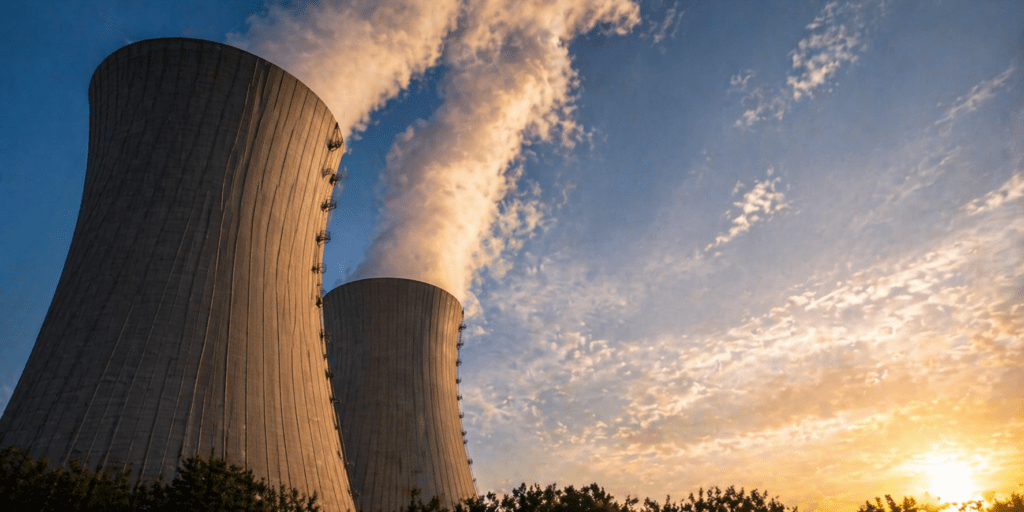
Kazakhstan plans to build at least three nuclear power plants (NPPs) by 2050, with implementation of the first project already underway, the country’s Atomic Energy Agency has said.

The nuclear energy development strategy aims to ensure energy security, support sustainable economic growth, and meet international climate commitments, while fostering high-tech industries and strengthening Kazakhstan’s position in the global nuclear sector.

“According to the Strategy, by 2050, at least three nuclear power plants will be operating in the Republic of Kazakhstan. The first NPP project is already being implemented, construction of the second is under consideration, and for the third NPP, the potential use of small modular reactor technologies is being explored,” the agency said.

In addition to plant construction, the strategy provides for the rational use of uranium resources, localization of equipment and nuclear fuel production, and the development of national industrial capacity.

Particular attention is being given to advancing nuclear science and applied technologies, creating a modern scientific and technological base, and establishing a system for training qualified personnel.

The document also outlines measures for the safe management of radioactive waste and spent nuclear fuel to minimize environmental risks. Plans include the introduction of digital solutions and ensuring a high level of information security at nuclear facilities.

“The implementation of the Strategy will enable the creation of a modern and sustainable nuclear cluster in Kazakhstan, integrated into the global nuclear ecosystem,” the agency said.

A Center of Competence for NPP construction will be established on the basis of Kazakhstan Nuclear Power Plants. This entity will serve as a project office, general contractor, and holder of state equity stakes in future plants.

In the longer term, the country plans to create a specialized nuclear energy holding company that will unite project and operating organizations in the sector.

According to expert estimates, construction of a single nuclear power plant will require up to 10,000 workers, including more than 3,000 technical specialists.

“In this regard, active work is underway to update technical and vocational education programs,” the agency said. “Particular attention is being paid to training specialists such as turbine equipment operators, electricians, NPP equipment installers, and technicians responsible for plant operation and safety.”

Programs for applied bachelor’s degrees in nuclear energy are also being developed, along with new specialties, including reactor equipment operators.

The first plant will use Generation III+ reactors, which feature enhanced reliability and modern safety systems, including passive protection mechanisms capable of operating without human intervention or external power supply.

According to the agency, the project incorporates international experience, including lessons learned from the Fukushima Daiichi nuclear accident in Japan, and includes measures to prevent radioactive releases even in severe emergencies.

Contracts for the construction of the second and third NPPs have been awarded to China National Nuclear Corporation, while the first plant will be built by Russia’s state corporation Rosatom.

The site for the first plant is located in the village of Ulken in the Almaty region, on the shores of Lake Balkhash, approximately 400 km northwest of Almaty. The government has approved the Zhambyl district of Almaty region, adjacent to the first plant’s site, as the location for the second NPP.

Central Asia Came to Antalya With a Clearer Voice and a Wider Agenda

The Antalya Diplomacy Forum, from April 17 to 19, brought together heads of state, foreign ministers, and senior officials at a tense moment in international politics. The official theme, “Mapping Tomorrow, Managing Uncertainties,” reflected the backdrop: war in the Middle East, pressure on trade, and growing doubts about the strength of international institutions. Central Asia did not dominate the gathering, but the region was visible across the program and in the meetings around it. Kazakhstan’s President Kassym-Jomart Tokayev was the highest-profile regional figure in attendance, while Kyrgyzstan sent Foreign Minister Jeenbek Kulubaev, Turkmenistan sent Foreign Minister Rashid Meredov, and Tajikistan sent Deputy Foreign Minister Farrukh Sharifzoda. Uzbekistan was also active through Foreign Minister Bakhtiyor Saidov in meetings held during the forum dates.

The strongest Central Asian intervention came from Tokayev. Speaking at a panel session, he said the United Nations remains indispensable, but also made clear that its present structure is failing to keep up with current crises. “We must honestly acknowledge that the Security Council is the central element in the reform of the United Nations,” he said. He also warned that many key negotiations now take place outside the UN system, in separate capitals and closed rooms, rather than through the institution that was built for that purpose.

Tokayev framed the problem in practical terms rather than abstract ones. He said global leaders must approach peace and security “with a strong sense of responsibility,” adding that “we must act more responsibly and exercise restraint.” Tokayev also said Kazakhstan calls on all countries involved in the Iran conflict to cease hostilities while keeping the focus on the core issue of nuclear proliferation. His language matched the line Astana has tried to hold for years: avoid escalation, preserve room for dialogue, and keep diplomatic channels open.

Tokayev went further when he turned to the role of what he called “middle powers,” naming Kazakhstan and Türkiye among the states that, in his view, show a high degree of responsibility in both diplomacy and practice. He said it would “not be an exaggeration to say that today middle powers often demonstrate a greater degree of responsibility than major powers represented in the Security Council, which, regrettably, often obstruct the resolution of key global issues.” That was one of the sharper lines delivered at the summit. It also showed how Kazakhstan now wants to place itself in the world: not as a passive actor caught between larger powers, but as a state that can help steady an increasingly unstable system.

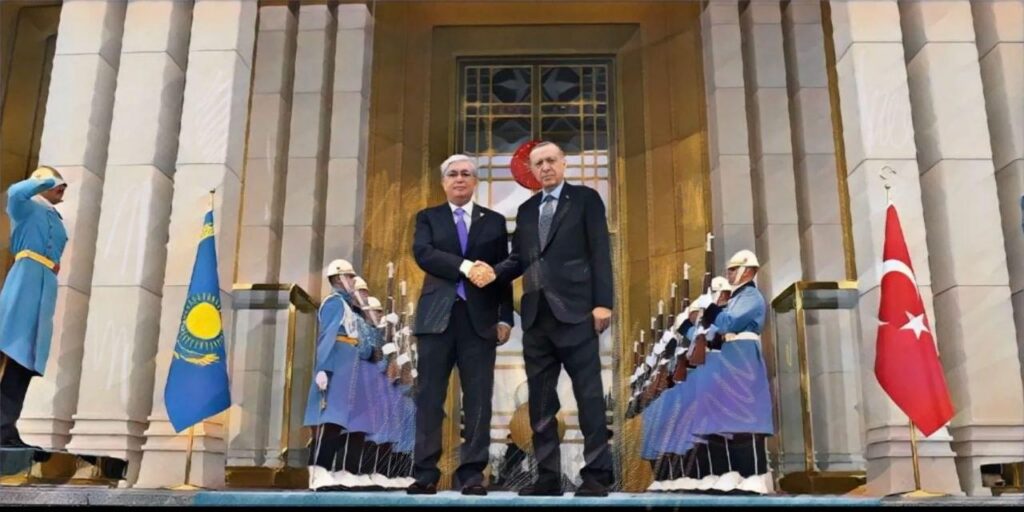
Türkiye was central to that framing. At the start of his remarks, Tokayev praised President Recep Tayyip Erdoğan’s role in the region and said Kazakhstan was looking forward to Erdoğan’s state visit next month. That also reflects a broader trend of closer coordination between Kazakhstan and Türkiye, including in the Trans-Caspian transport route (Middle Corridor) and shifting Caspian dynamics.

Uzbekistan approached the summit in Antalya differently. Tashkent did not have a presidential intervention on the main stage, but it used the gathering for a dense round of practical diplomacy. Foreign Minister Saidov took part in an informal meeting of the Council of Foreign Ministers of the Organization of Turkic States, where officials discussed transport, energy, green transformation, digitalization, innovation, and the “OTS Plus” format. In a separate move, Uzbekistan and Rwanda signed a joint communiqué establishing diplomatic relations. Saidov also held meetings with counterparts from Turkmenistan, Bangladesh, Jordan, Azerbaijan, Ukraine, and Lithuania.

That combination says a lot about Uzbekistan’s current diplomatic style: active, outward-looking, and practical. Antalya gave Tashkent a chance to deepen Turkic cooperation, widen its network, and leave with formal bilateral results. The Rwanda agreement did not change the strategic map, but it showed how Uzbekistan now uses multilateral gatherings to expand its diplomatic footprint in small, steady steps.

Kyrgyzstan placed the regional angle at the center of its presence. According to the national news agency, Kabar, Kulubaev joined talks with the Central Asian delegations and Türkiye on the region’s changing role in global affairs, its advantages, current security risks, and the prospects for deeper integration. He also participated in the OTS foreign ministers’ meeting on the sidelines of the summit. The language emerging from those discussions presented Central Asia not as a fragmented space, but as a region with shared opportunities and shared exposure to risk.

Turkmenistan arrived with its emphasis firmly on infrastructure and energy. Meredov said that construction of all gas transport infrastructure for the Turkmen section of the TAPI pipeline had been “fully completed, covering more than 200 kilometers,” and that work in Afghanistan now extends over more than 150 kilometers. The wider question remains as to whether TAPI is still struggling to become more than a partial project. Meredov also met Saidov on the sidelines to discuss bilateral and multilateral plans for the year ahead.

Tajikistan was less visible than its neighbors, but it was present. Sharifzoda attended the forum and held a meeting with the adviser to the prime minister of Bangladesh on April 18, targeting bilateral contacts rather than headline speeches.

No dramatic Central Asian breakthrough came out of Antalya. There was no new regional pact and no sweeping declaration from the five republics. But the forum still showed something important. Kazakhstan drew the most attention through Tokayev’s call for UN reform, preventive diplomacy, and a stronger role for middle powers. Uzbekistan used the gathering for practical diplomacy and new bilateral steps. Kyrgyzstan joined discussions that framed Central Asia as a region with growing weight in global affairs. Turkmenistan kept the focus on transit and energy. Tajikistan maintained bilateral contacts. Taken together, those appearances showed a region that is becoming more coordinated, more outward-looking, and more confident in using major international forums to advance its interests.

Kyrgyzstan to Construct Solar Power Plant with IFC Support

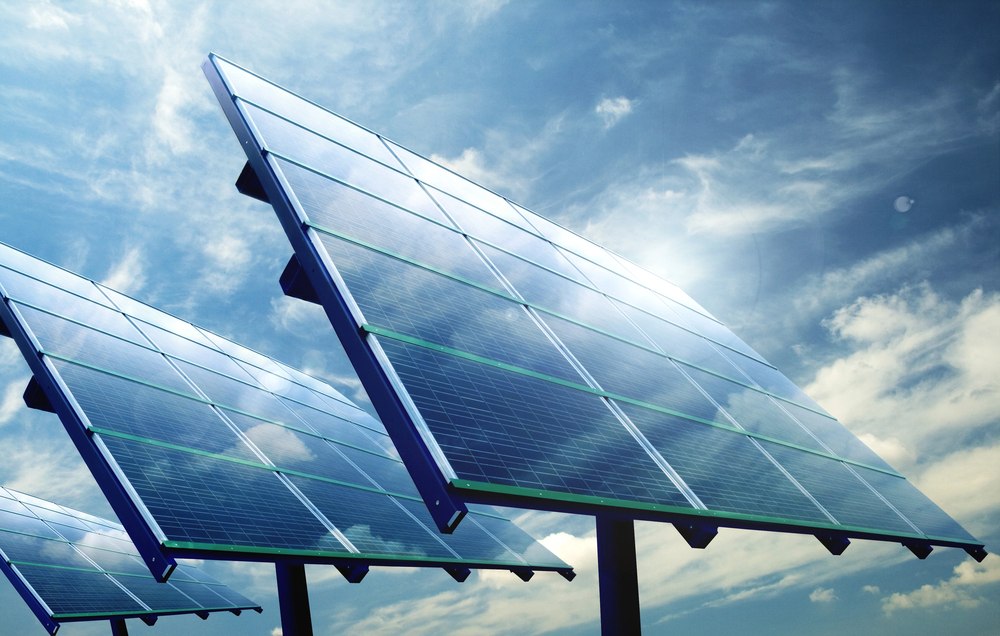
Kyrgyzstan is launching a pilot project to construct a solar power plant through a public-private partnership (PPP). The project is supported by the International Finance Corporation (IFC), which has prepared technical, legal, financial, and environmental assessments.

The project’s implementation was discussed during a meeting in Washington, DC between Kyrgyz Energy Minister Taalaibek Ibrayev and John Gandolfo, Vice President and Chief Financial Officer at the IFC.

A key feature of the project is the selection of an investor through an open tender based on the lowest electricity tariff bid. Kyrgyzstan has agreed to a tariff proposed by China Power of 4.1 cents per kWh.

The power plant will be built in the Naryn region. Construction is scheduled to begin in 2026, with electricity generation expected to start in 2027.

Ibrayev noted that the project introduces new standards to Kyrgyzstan’s energy sector and will serve as an example of attracting investment through transparent and competitive mechanisms.

Gandolfo expressed the World Bank’s support for Kyrgyzstan’s energy sector reforms.

The meeting also addressed the second phase of the project, which envisages the construction of additional solar power plants in the Talas and Batken regions.

As part of efforts to reduce chronic power shortages, Kyrgyzstan has accelerated the development of renewable energy. In December 2025, the country inaugurated its first solar power plant in the Chui region, approximately 100 kilometers east of Bishkek. The 100-megawatt facility was constructed with $56 million in Chinese investment and is expected to generate around 210 million kWh of clean electricity annually.

Turkmenistan Develops First Child Protection Program

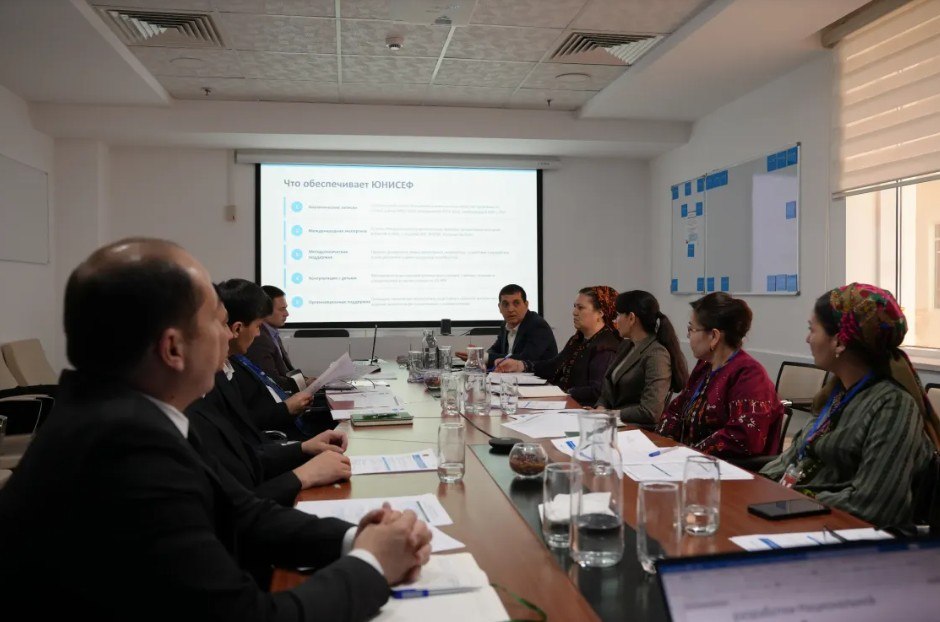
The government of Turkmenistan has begun developing its first National Program on Child Protection and Child-Friendly Justice, with technical support from UNICEF, according to a report published on April 15. Officials described the initiative as a major step toward strengthening systems that safeguard children’s rights.

The process was formally launched during the first meeting of an interagency working group in Ashgabat. The group, coordinated by the Prosecutor General’s Office, includes representatives from 10 government bodies. Authorities said the program aims to establish a coordinated, cross-sectoral approach, focusing on family-based care for children without parental support, improving child justice systems, preventing violence, and strengthening overall protection mechanisms.

“The development of this National Program demonstrates Turkmenistan’s commitment to protecting the rights of every child,” a representative of the Prosecutor General’s Office said. UNICEF’s representative in the country, Jalpa Ratna, welcomed the move, noting that it would help build “a more coordinated, family-oriented child protection system.”

The draft program is expected to be completed by the end of the year following consultations with stakeholders, including children, families, and professionals. It will align with national legislation and international recommendations, including those from the UN Committee on the Rights of the Child.

Meanwhile, in Uzbekistan, President Shavkat Mirziyoyev has approved a series of measures aimed at expanding social protection and improving services for vulnerable groups. The reforms focus particularly on people with disabilities, children, and women affected by violence.

Among the new initiatives is the introduction of an “Early Intervention” service for children up to the age of three with developmental disorders, scheduled to begin by June 1. The program will provide specialized educational and therapeutic support through non-governmental organizations.

Authorities also plan to launch several new services for adults with mental disabilities, including daycare programs, home-based care, and short-term support options designed to assist families. These services are expected to reach more than 8,300 people in 2026, with up to 600 NGOs and private providers involved.

A monthly care allowance will also be introduced for guardians of adults with severe intellectual disabilities starting in September 2026. In addition, Uzbekistan plans to expand the role of its “Inson” Social Service Centers, integrating them into local government structures and strengthening oversight of guardianship arrangements.

Further reforms include transforming state-run residential institutions into community-oriented care centers, expanding tax exemptions for families of children with disabilities, and introducing stricter legal measures to protect minors from exploitation.