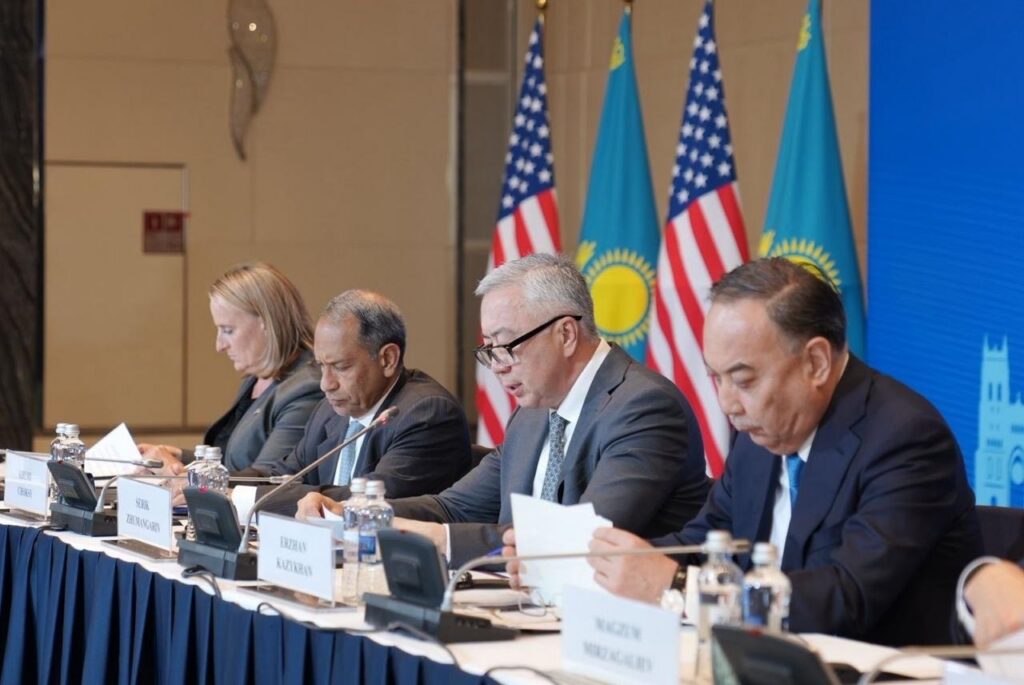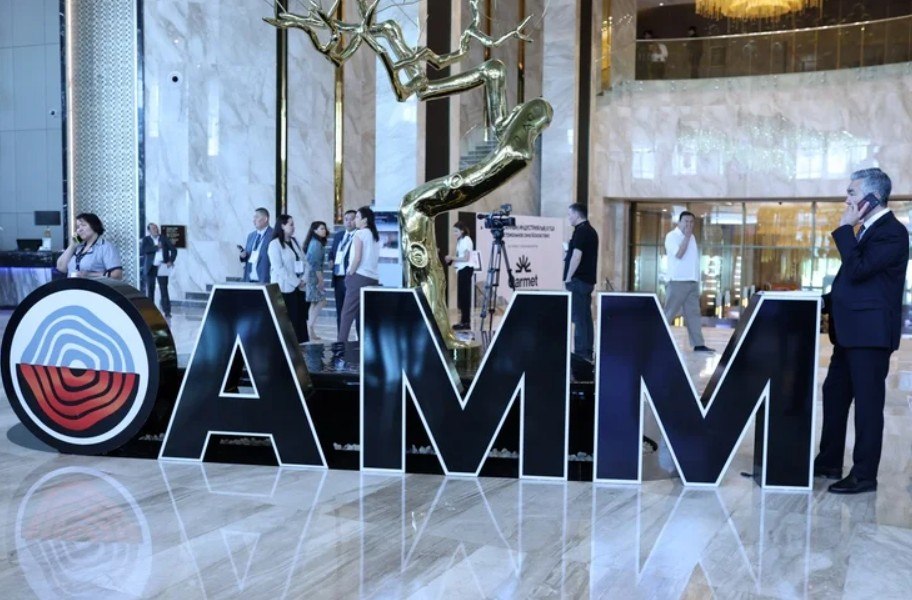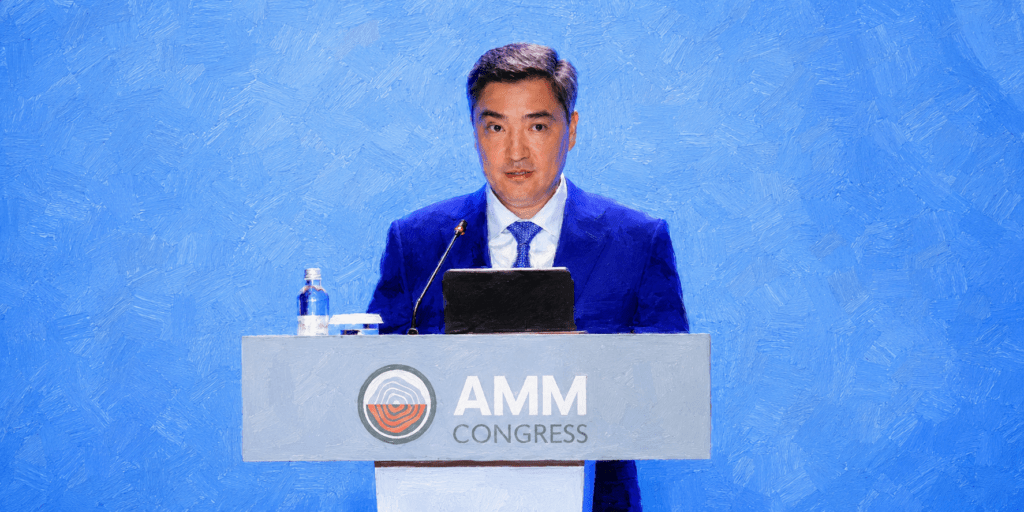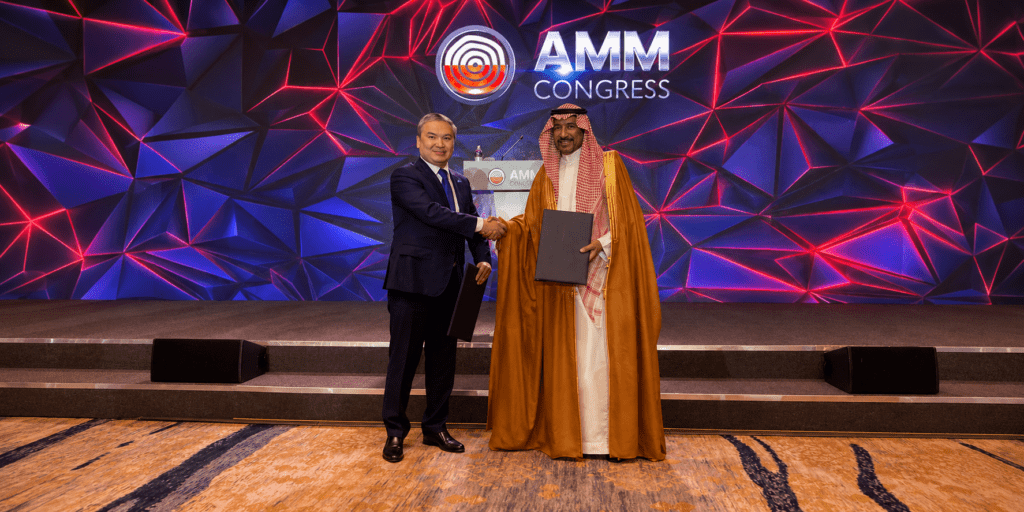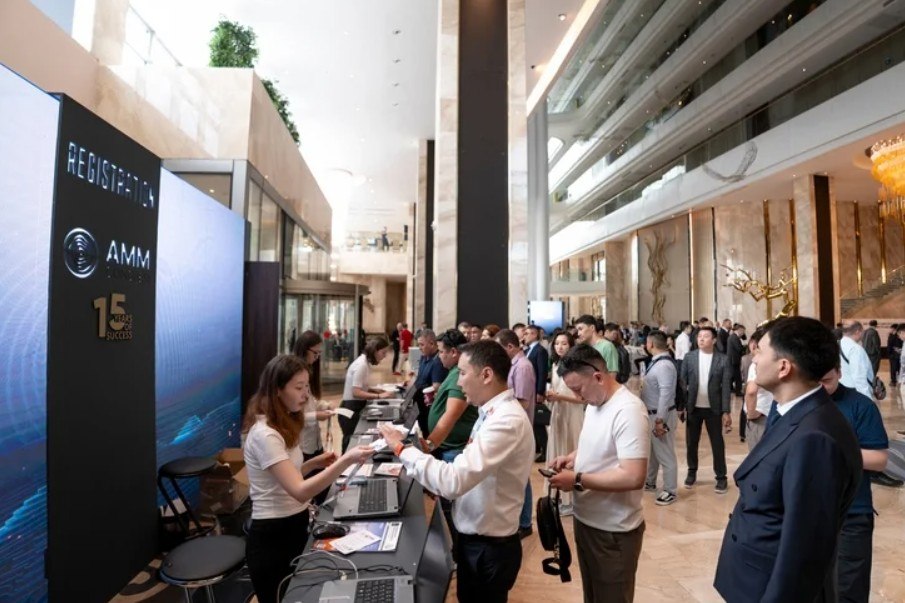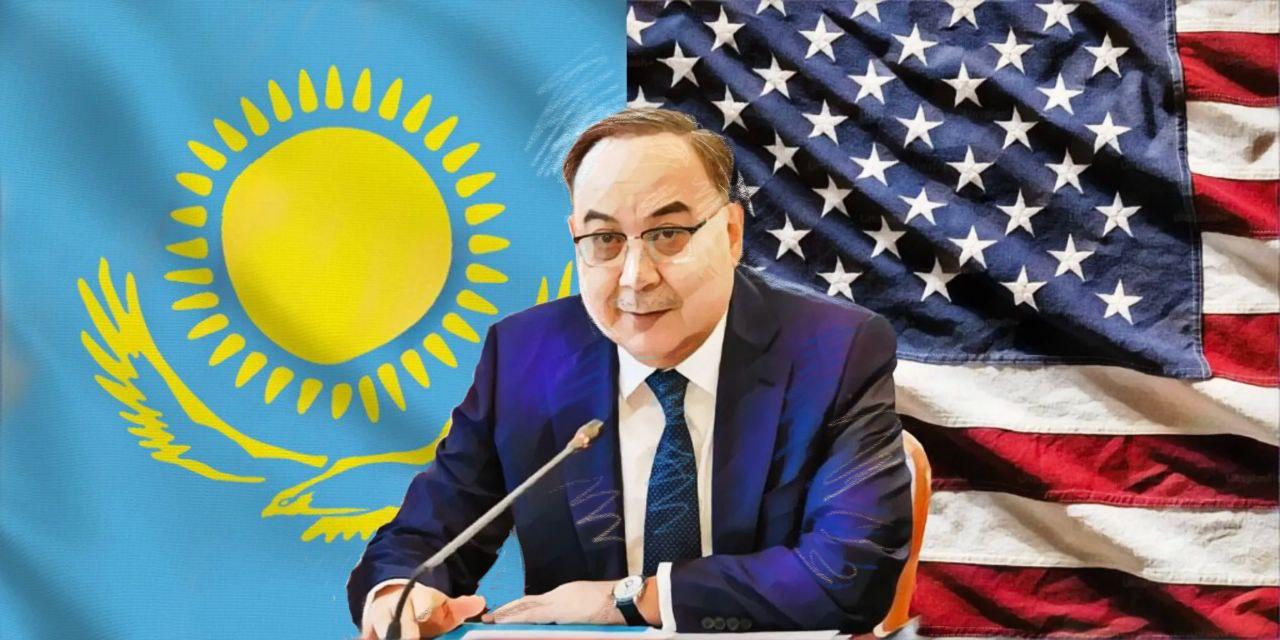
ASTANA — Ambassador Yerzhan Kazykhan, Kazakhstan’s presidential representative for negotiations with the United States, delivered the opening remarks at the U.S.–Kazakhstan Country Roundtable during the Astana Mining & Metallurgy Congress on June 11, calling for expanding bilateral ties to be turned into practical critical minerals projects.
The roundtable brought together U.S. officials, American businesses, and Kazakh counterparts to discuss practical measures for advancing projects in the critical minerals sector. His remarks focused on turning the U.S.–Kazakhstan minerals agenda into projects, investment, offtake agreements, processing capacity, and more resilient supply chains.
Kazykhan placed the discussion within President Kassym-Jomart Tokayev’s broader effort to deepen the U.S.–Kazakhstan relationship around energy, supply-chain security, investment, and critical minerals. According to the transcript of his remarks, he referred to the November 6 meeting between Tokayev and U.S. President Donald J. Trump, saying the two leaders had met “to unlock the substantial potential” of what the U.S. State Department had called “A New Era” in bilateral relations.
“The strategic understanding reached by our leaders was fully aligned with the national interests of both countries,” Kazykhan said. He said that understanding included support for energy security, supply-chain resilience, and a “shared commitment to strengthening cooperation in energy, rare earths, and other critical minerals.”
He argued that the agenda had already moved beyond diplomacy. “You can see these priorities are not abstract,” Kazykhan said. “They are being advanced through concrete partnerships that strengthen industrial capacity, accelerate technological development, and support emerging fields such as artificial intelligence.”
Kazykhan presented Kazakhstan as a strategic partner for Washington at a time when the United States and its allies are seeking alternatives to concentrated supply chains for minerals used in defense, energy, advanced manufacturing, and emerging technologies.
“Kazakhstan is uniquely positioned to serve as a strategic partner for the United States, one that can offer increased resilience and enhanced competitiveness,” Kazykhan said. He described Kazakhstan as “a reliable and substantial supplier” and “a Middle Power with regional influence, a diversified industrial base, and one of the world’s top 50 economies.”
He also pointed to Kazakhstan’s mineral base, saying the country holds top-ten reserves of tungsten, molybdenum, tantalum, nickel, cobalt, and lithium, along with deposits of other critical elements. Kazakhstan is also the world’s largest uranium producer, accounting for about 40% of global output and more than 20% of U.S. natural uranium imports, he said.
But Kazykhan’s central argument was that Kazakhstan should not be viewed only as a source of raw materials. He said durable supply-chain security requires processing, refining, and integration into higher-value industrial stages.
“Mining alone is not enough,” he said. “True supply-chain security requires processing, refining, and downstream integration.” He added that Kazakhstan “is not a greenfield jurisdiction,” citing its industrial workforce, established producers, export record, and institutional capacity for long-duration resource projects.
Kazykhan also linked the minerals agenda to transport and logistics. He said Kazakhstan has been strengthening access to the Caspian Sea and expanding connectivity through the Trans-Caspian and broader East-West corridors, giving it routes to deliver materials to U.S. and allied markets.
“Together, these factors make Kazakhstan a long-term, reliable, well-resourced partner, one that is committed to providing the United States with a stable and predictable supply,” he said.
The remarks were aimed at a U.S. business audience already familiar with Kazakhstan through large energy investments. Kazykhan cited Chevron and Exxon as examples of American companies that have operated in Kazakhstan for nearly four decades, saying their record showed the country’s ability to support complex, capital-intensive projects across market cycles. He also said Kazakhstan’s mining sector had attracted companies including Ivanhoe, Rio Tinto, AngloTeck, Fortescue, Cove Capital, and Arras.
For investors, Kazykhan emphasized financing and legal infrastructure as part of the country’s offer. He said Kazakhstan maintains access to international capital markets, works with development finance institutions, and can structure sovereign, quasi-sovereign, and corporate financing for major resource and infrastructure projects. He also pointed to the Astana International Financial Centre as offering a familiar legal and regulatory framework for Western investors.
“As a result, projects in Kazakhstan can meet international compliance standards and remain viable through regulatory change, market cycles, and geopolitical pressure,” he said.
Kazykhan also signaled that Kazakhstan is prepared to support more than exploration or mining licenses. “We can deliver rapidly, reliably, and at scale,” he said. “We are prepared to support offtake agreements, price-stabilization mechanisms, and joint investment initiatives that strengthen independent and resilient supply chains.”
In his concluding remarks, Kazykhan described the roundtable as “both a moment of opportunity and a moment of strategic responsibility,” saying deeper U.S.–Kazakhstan cooperation in critical minerals would help secure resources for both economies while strengthening the next generation of the bilateral partnership.
The roundtable’s working discussion was focused on how to move that agenda into specific projects. For Kazakhstan, the message was clear: Tokayev’s government wants the critical minerals relationship with Washington to move from strategic alignment to financing, offtake, processing capacity, and transport routes. For the U.S. side, the roundtable offered a closer look at Kazakhstan’s effort to position itself not only as a minerals supplier, but as a long-term industrial partner in resilient supply chains.
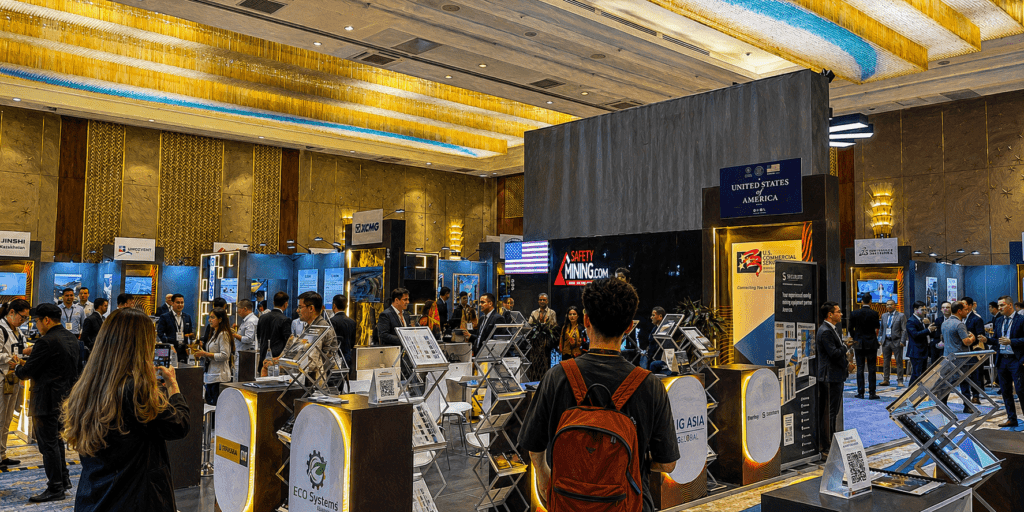
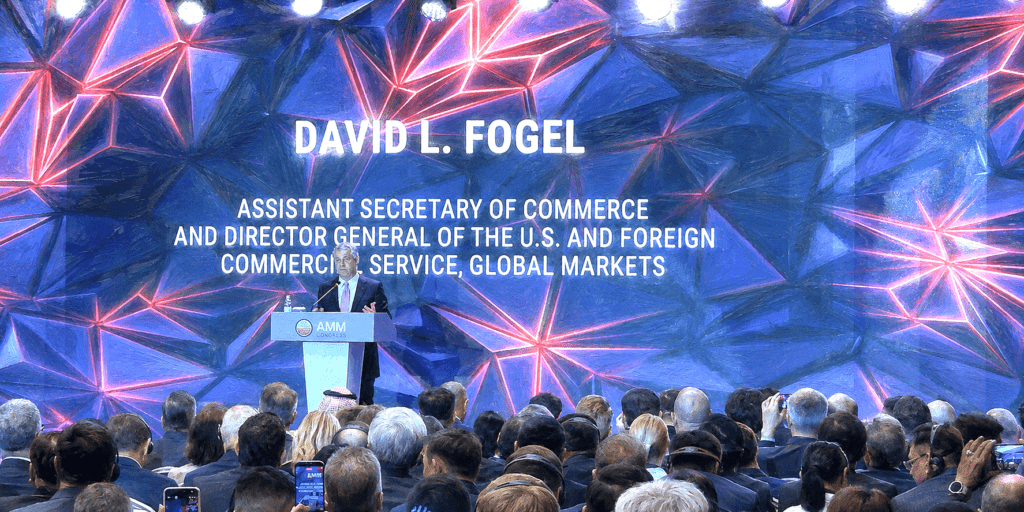
For more on the Astana Mining & Metallurgy Congress and Exhibition 2026, see our special coverage.
Explore our critical minerals special coverage for a timeline of Central Asia’s growing place in U.S. supply-chain strategy.