• KGS/USD = 0.01144 0%
  • KZT/USD = 0.00212 0%
  • TJS/USD = 0.10554 -0.09%
  • UZS/USD = 0.00008 0%
  • TMT/USD = 0.28530 0%
  • KGS/USD = 0.01144 0%
  • KZT/USD = 0.00212 0%
  • TJS/USD = 0.10554 -0.09%
  • UZS/USD = 0.00008 0%
  • TMT/USD = 0.28530 0%
  • KGS/USD = 0.01144 0%
  • KZT/USD = 0.00212 0%
  • TJS/USD = 0.10554 -0.09%
  • UZS/USD = 0.00008 0%
  • TMT/USD = 0.28530 0%
  • KGS/USD = 0.01144 0%
  • KZT/USD = 0.00212 0%
  • TJS/USD = 0.10554 -0.09%
  • UZS/USD = 0.00008 0%
  • TMT/USD = 0.28530 0%
  • KGS/USD = 0.01144 0%
  • KZT/USD = 0.00212 0%
  • TJS/USD = 0.10554 -0.09%
  • UZS/USD = 0.00008 0%
  • TMT/USD = 0.28530 0%
  • KGS/USD = 0.01144 0%
  • KZT/USD = 0.00212 0%
  • TJS/USD = 0.10554 -0.09%
  • UZS/USD = 0.00008 0%
  • TMT/USD = 0.28530 0%
  • KGS/USD = 0.01144 0%
  • KZT/USD = 0.00212 0%
  • TJS/USD = 0.10554 -0.09%
  • UZS/USD = 0.00008 0%
  • TMT/USD = 0.28530 0%
  • KGS/USD = 0.01144 0%
  • KZT/USD = 0.00212 0%
  • TJS/USD = 0.10554 -0.09%
  • UZS/USD = 0.00008 0%
  • TMT/USD = 0.28530 0%

Uzbekistan’s Islamic Civilization Center Enters Guinness World Records as Largest Museum

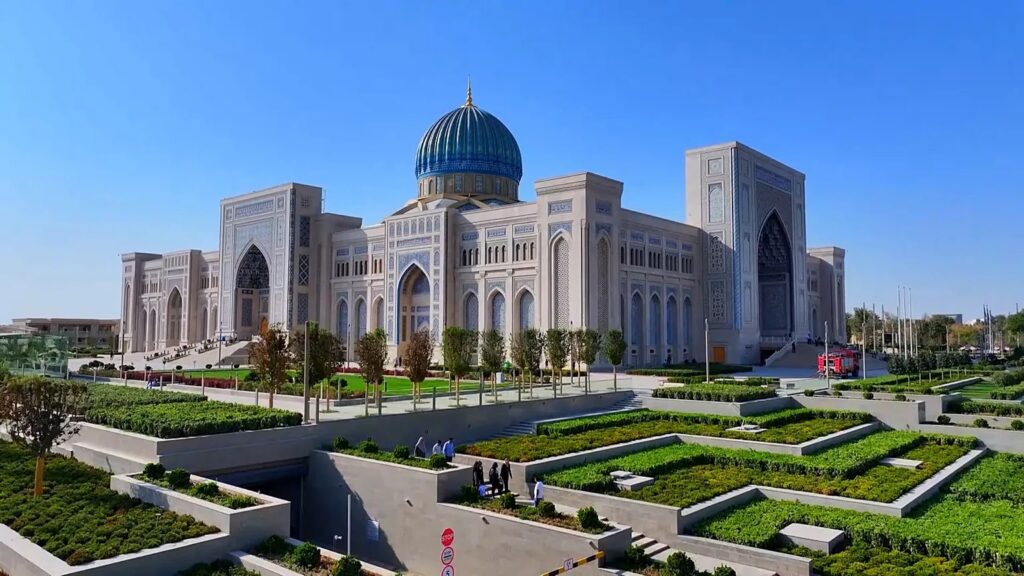
The Center of Islamic Civilization in Uzbekistan has been officially recognized as the world’s largest museum dedicated to Islamic civilization, receiving a Guinness World Records title on April 13.

The recognition was confirmed by Guinness World Records adjudicator Şeyda Subaşı Gemici, who attended the ceremony alongside project architects, designers, and members of the Center’s Scientific Council. The award followed a detailed verification process. The recognition comes as Uzbekistan continues to invest in large-scale cultural infrastructure as part of a broader effort to present its historical narrative and reshape its international image.
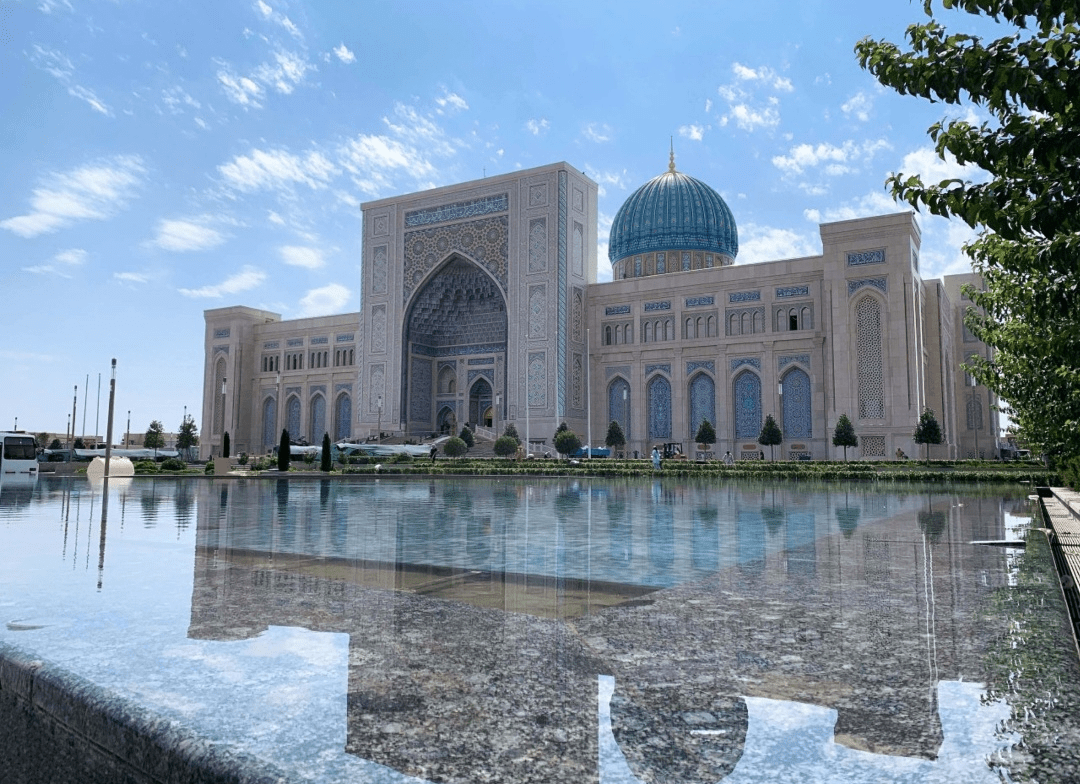
“As an official Guinness World Records adjudicator, I can state that every corner of the museum and every exhibit possesses its own uniqueness and cultural value,” Gemici said. “The evaluation process strictly followed established procedures… every exhibit was recorded and verified by specialists in Islamic archaeology, art, and science.”

She added that the scale and depth of the project left a strong impression, describing it as “an outstanding achievement” and, in Guinness terminology, “Officially Amazing.”
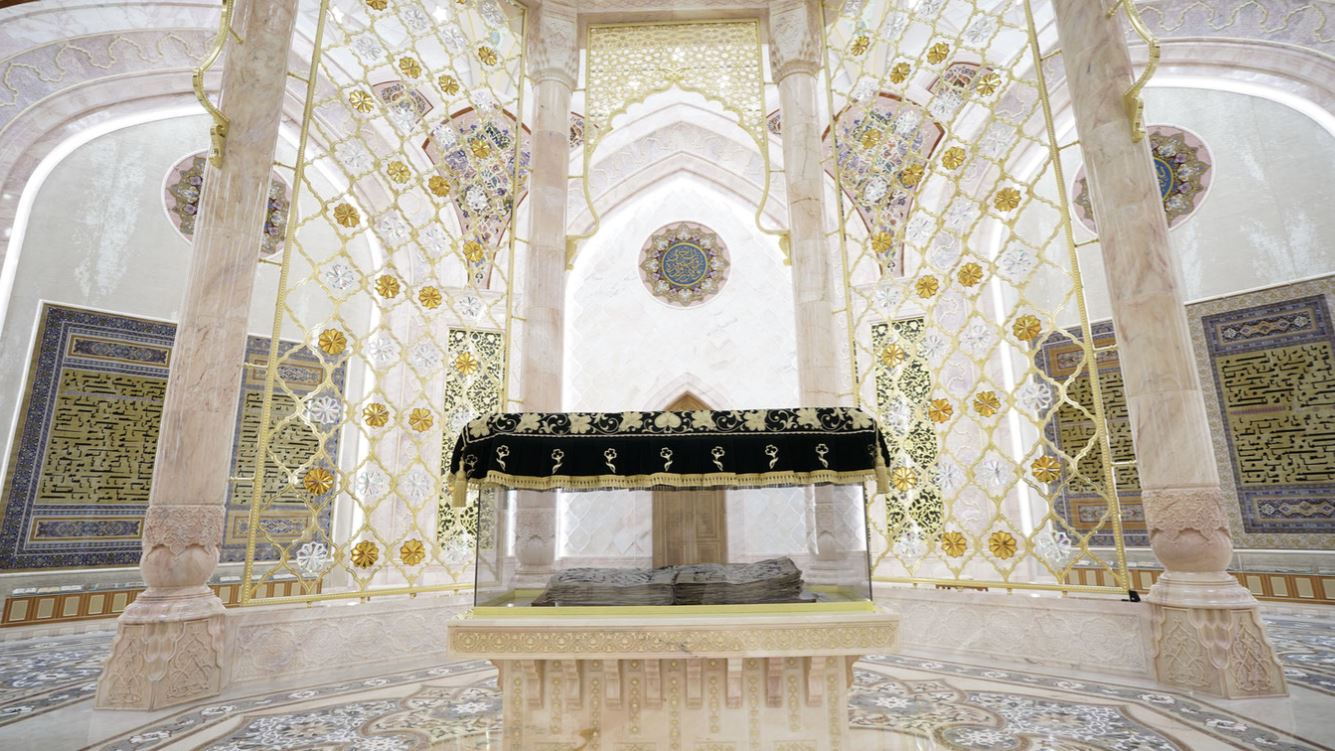
The Center is a large-scale scientific, educational, and museum complex initiated in 2017 under the leadership of President Shavkat Mirziyoyev and completed on March 17, 2026. It was conceived as a platform combining research, cultural heritage, and modern technologies, aimed at showcasing the history and contributions of Islamic civilization. The project reflects a wider policy under Mirziyoyev of positioning Uzbekistan not only as a historical center of Islamic scholarship but as a modern platform for its study and interpretation.

Chief architect, Abdukakhor Turdiev, said the project reflects Uzbekistan’s historical and cultural legacy. “The uniqueness of the Center lies in the fact that its architecture reflects the rich culture and heritage of Uzbekistan,” he said, adding that the country is increasingly positioning itself as an active participant in global cultural dialogue.

Across Central Asia, governments have increasingly used large cultural projects to reinforce national identity and attract international attention, but Uzbekistan has placed particular emphasis on linking heritage with scholarship and global engagement.

According to officials, the complex has quickly become one of the most visited cultural sites in the region, receiving up to 5,000 visitors daily, including both locals and international tourists. That scale suggests the Center is intended not only as a museum, but as a flagship institution shaping how both domestic and international audiences understand the region’s intellectual and cultural history.
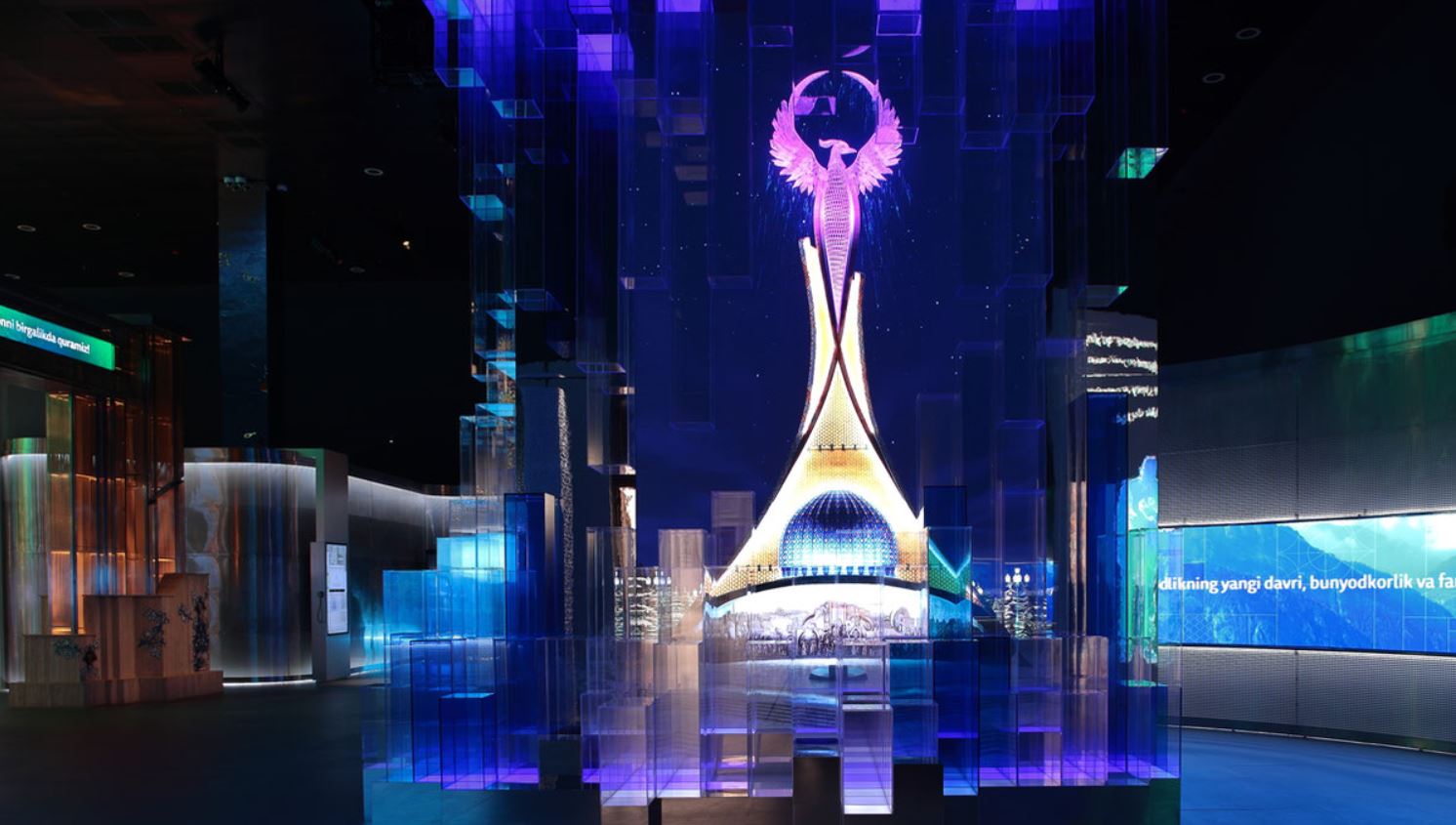
Director Firdavs Abdukhalikov described the award as recognition of years of work by hundreds of specialists. He said the Center’s primary goal is to support scientific and educational projects while preserving and promoting Uzbekistan’s cultural heritage.

Beyond its record-setting size, the Center reflects Uzbekistan’s broader effort to reclaim and reinterpret its place in the history of Islamic civilization. By combining scholarship, state backing, and public accessibility, it positions cultural heritage as both a foundation of national identity and a tool of international engagement.


Kazakhstan to Introduce AI in Driver’s License Exams

Kazakhstan plans to introduce artificial AI technologies into both the theoretical and practical components of driver’s license exams. At the same time, citizens will be allowed to take the exams an unlimited number of times without having to repeat training at driving schools.

The initiatives were presented by Zhaslan Madiyev, Minister of Digital Development, Innovation and Aerospace Industry, together with representatives of the Ministry of Internal Affairs.

According to the proposed changes, augmented reality (AR) technologies will be used in the theoretical exam, while computer vision systems will monitor practical driving tests. These measures are intended to increase transparency and prevent the use of prohibited devices.

“These measures will make it possible to minimize the use of prohibited technical tools and to record violations,” the government press service said.

A pilot project is set to be launched at a branch of the National Testing Center under the Ministry of Science and Higher Education in Astana. The project will test technologies aimed at ensuring academic integrity, as well as conduct psychometric analysis of exam questions to verify their reliability and alignment with safe driving standards.

The new rules provide for the possibility of an unlimited number of exam attempts on a paid basis, with a mandatory interval of at least 10 calendar days between attempts. Currently, applicants are granted three free attempts, two with a one-day interval and a third after 30 days. After exhausting these attempts, retraining at a driving school is required.

According to the government, the new approach will make the process more accessible and reduce corruption risks by eliminating incentives to obtain licenses illegally.

Plans also include strengthening the information security of digital systems used in the licensing process by classifying them as critical information infrastructure. This would introduce stricter liability for unauthorized interference, including criminal penalties.

Administrative liability will also be introduced for individuals who assist in illegally obtaining driver’s licenses. Violations such as the use of micro earpieces, hidden cameras, and other transmitting devices will be punishable by fines and disqualification from taking the theoretical exam for up to one year.

The reforms will also affect driving schools. Licensing requirements are expected to be introduced, and their performance will be evaluated based on training quality and public feedback. Licenses may be revoked in cases of consistently poor standards.

As previously reported by The Times of Central Asia, Senator Gennady Shipovskikh had earlier proposed restoring state oversight of private driving schools.

Central Asia’s Climate Risks Could Cost Up to 130% of GDP by 2080

By 2080, climate change is expected to have a profound impact on the economies of Central Asian countries, with potential losses ranging from 20% to 130% of GDP. The most severe effects are projected for mountainous nations. These estimates were presented at a CAREC technology forum by Iskandar Abdullaev, a senior research fellow at the International Water Management Institute in Uzbekistan.

According to Abdullaev, climate change is no longer solely an environmental issue but an increasingly significant economic factor. Key risks include droughts and water scarcity, floods, heatwaves, and glacier melt.

The projected economic impact varies across the region. Tajikistan could face losses of between 80% and 130% of GDP, Kyrgyzstan 70% to 120%, Kazakhstan 40% to 80%, Uzbekistan 30% to 45%, and Turkmenistan 20% to 60%.

Abdullaev emphasized that mountainous countries – Tajikistan and Kyrgyzstan – are particularly vulnerable, as climate change directly affects water resources. Glacier melt reduces river flows, creating challenges for both energy production and water supply.

Droughts and extreme heat are already placing pressure on agriculture, with declining crop yields and reduced pasture productivity. Without adaptation measures, the region’s long-term sustainability could be at risk.

Experts stress that mitigation and adaptation efforts are essential to reduce these risks. These include modernizing irrigation systems, adopting climate-resilient agricultural technologies, and expanding renewable energy capacity.

This is not the only warning. According to the World Bank, natural disasters are already causing significant economic damage in Central Asia.  Losses from extreme events, including floods and earthquakes, can reach up to 6% of GDP, with earthquakes alone accounting for up to $2 billion in damages.

At the same time, countries in the region face substantial financing gaps following major disasters. In Tajikistan, this gap could reach up to $1.5 billion. Experts warn that climate change is likely to intensify these risks, further increasing the economic burden on the region.

Kazakhstan Appoints Operator for Karachaganak Gas Processing Plant Construction

Kazakhstan has identified the participants in a project to construct a new gas processing plant (GPP) at the Karachaganak field, aimed at supplying the domestic market with commercial gas. The national company QazaqGaz will act as the single project operator, while China’s CITIC Construction has expressed readiness to participate.

Initially, the launch of the GPP, with a capacity of up to 4 billion cubic meters of gas per year, was scheduled for 2028. Construction was to be carried out by Shell and Eni, both involved in developing the Karachaganak field in the West Kazakhstan region. However, in March 2026, Kazakhstan withdrew from this arrangement due to significant cost overruns and disagreements over implementation terms.

At present, gas from Karachaganak is processed at the Orenburg GPP in Russia. Kazakhstan aims to relocate processing to its own territory to strengthen energy security and reduce dependence on external infrastructure, particularly amid periodic disruptions linked to drone attacks.

According to current plans, the capacity of the future plant may be increased to 5 billion cubic meters per year. The project is a key element of Kazakhstan’s Comprehensive Gas Industry Development Plan through 2029 and is being implemented on the instructions of President Kassym-Jomart Tokayev.

Minister of Energy Yerlan Akkenzhenov confirmed that the selection of QazaqGaz as the single operator is driven by the need to move quickly to the implementation stage and by the company’s experience in managing gas infrastructure.

The project’s economic feasibility has been confirmed, and a framework agreement outlining basic principles of cooperation has been signed with CITIC Construction.  Preparations are currently underway for the FEED (Front-End Engineering Design) stage, while issues related to land allocation, infrastructure, and feedstock supply are also being addressed.

Particular attention is being paid to negotiations with foreign shareholders in the Karachaganak project. Key issues include guaranteed supplies of raw gas, establishing a pricing mechanism that ensures domestic market viability, integrating the plant with existing field infrastructure (brownfield), and resolving the gas evacuation fee mechanism.

“For Kazakhstan, this plant is of critical importance, and indefinitely postponing the project’s start is unacceptable. The state needs results. The project must be implemented dynamically and in strict accordance with our national economic interests,” Akkenzhenov said.

The project is unfolding against the backdrop of legal disputes between Kazakhstan and international energy companies. 

As previously reported by The Times of Central Asia, Shell and Eni may ultimately be required to pay the Kazakh government between $2 billion and $4 billion following international arbitration proceedings in London.

In addition, similar disputes are ongoing over another major project, the Kashagan field, where proceedings are being considered at the International Centre for Settlement of Investment Disputes in Washington.

Kazakhstan Begins First Public-Private Partnership Sports Facility Project

Construction has begun in the Atyrau region on Kazakhstan’s first sports boarding school for athletically gifted children, to be implemented under a public-private partnership (PPP) model. According to the Ministry of Tourism and Sports, the private partner will be responsible for the full project cycle from design and construction to technical maintenance of the facility for five years after its completion, which is scheduled for May 2027.

The new school will feature modern academic buildings and residential facilities. The 3.2-hectare site will include an academic block for 400 students, a 300-bed dormitory, 13 gyms, a swimming pool, a cafeteria, a library, a stadium, running tracks, and basketball and volleyball courts.

The project in Atyrau is intended as a pilot, with plans to replicate similar facilities in other regions of the country.

The school is expected to train 400 young athletes across 13 Olympic sports. Officials say the project will create improved conditions for developing the country’s sports reserve by integrating academic education with professional training.

In recent years, the development of sports in Kazakhstan has received increased state support, contributing to stronger performances by Kazakh athletes in international competitions.

In the first quarter of 2026, Kazakhstani athletes won 200 medals at international events: 79 gold, 57 silver, and 64 bronze.

At the 2026 Winter Olympic Games in Milan, Italy, in February, Kazakhstan won one gold medal and finished 19th in the overall medal standings. This marks the country’s best result since 1994, when it placed 12th at the Lillehammer Olympics, where skier Vladimir Smirnov won gold. In 2026, Kazakhstan’s only medal was secured by figure skater Mikhail Shaidorov, who became the country’s first Olympic champion in figure skating.

At the Paralympic Games in Italy in March 2026, Kazakhstan placed 18th out of 55 countries in the medal standings. Yerbol Khamitov won two medals, gold in the biathlon pursuit and bronze in cross-country sprint, becoming the first Kazakhstani athlete to win two medals at a Winter Paralympics.

Hungary’s Political Shift Puts Central Asia Partnerships Under Scrutiny

Hungary’s political transition following the defeat of Viktor Orbán’s party and his resignation as prime minister is drawing attention not only in the EU and the United States, but also in Central Asia, where Budapest has built growing energy and investment ties. The key question is whether the policy of cooperation with Central Asia developed under Orbán will continue under the new leadership.

In recent years, under Orbán, Budapest has actively developed its Central Asian foreign policy, primarily driven by the desire to find alternatives to Russian energy supplies. That push reflects Hungary’s long-standing reliance on Russian oil and gas, which has shaped its search for alternative suppliers beyond Europe. Resource-rich Kazakhstan, Uzbekistan, and Turkmenistan became natural partners for diplomatic engagement.

Orbán succeeded in building trust-based relationships with the presidents of the Central Asian republics, grounded in what Hungary’s Minister of Foreign Affairs, Péter Szijjártó, described as “sincere friendship” in an interview with Uzbek media.

“In Hungary, we have always viewed Central Asia as one of the fastest-growing regions in the world, with enormous potential. Our efforts to build these relations did not begin today, but decades ago,” he said.

Hungary became the first Central European country to sign a strategic partnership with Kazakhstan in 2014. Currently, the Kazakhstan-Hungary Business Council is in operation, along with a joint agricultural direct investment fund. In 2024, bilateral trade approached $200 million, and from January to August 2025, it grew by another 22.1%, exceeding $164.6 million. Hungarian investments in Kazakhstan’s economy have surpassed $370 million, while the current investment portfolio includes 16 projects worth about $700 million in engineering, agriculture, and logistics.

These links also intersect with wider efforts to expand east–west transport routes through the Caspian region, offering Hungary indirect access to Central Asian energy and trade flows.

In May 2025, Uzbekistan’s President Shavkat Mirziyoyev held talks with Orbán in Budapest, where both sides highlighted rising trade volumes and a joint investment portfolio of about $500 million. Hungary’s OTP Bank entered into Uzbekistan’s financial market in 2023, acquiring a 73.71% stake in Ipoteka Bank, becoming its principal owner and the majority shareholder of the country’s fifth-largest bank.

As early as 2019, Hungary had intensified cooperation with Turkmenistan. After talks at the Turkmen Foreign Ministry, Szijjártó told the media that Hungary views Turkmenistan as an important country from the perspective of European security.

“We very much hope that Turkmenistan’s gas resources will be integrated into the overall energy flow of Central Europe,” he said.

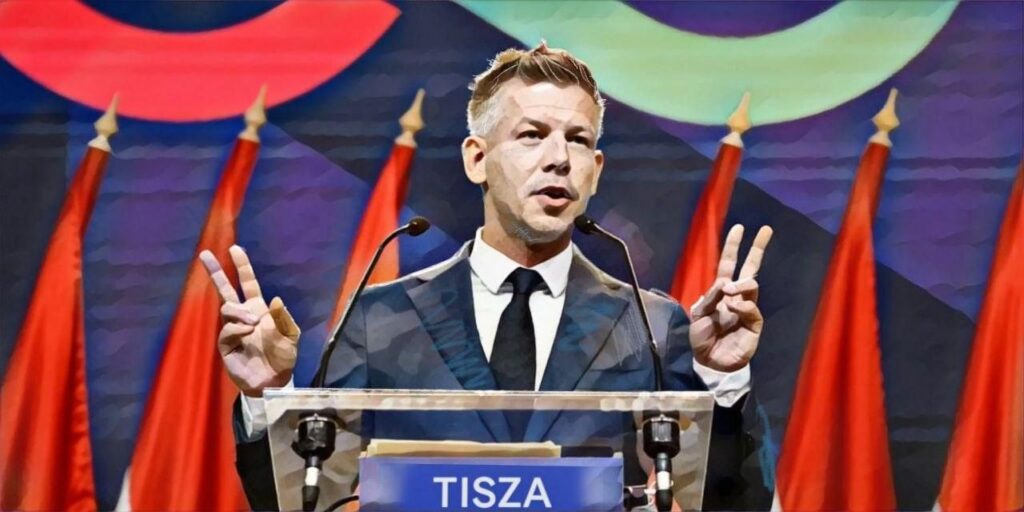
However, uncertainty remains over whether this policy direction will continue under Orbán’s successor, Péter Magyar. Oil and gas analyst Oleg Chervinsky has suggested that political changes in Hungary could affect cooperation with Kazakhstan’s national company KazMunayGas (KMG).

Chervinsky notes that, having secured a constitutional majority in parliament, Magyar has a mandate to “implement reforms in both foreign and domestic policy [which could] reshape the constitutional structure of the right-wing populist authoritarian system built around Orbán.”

The analyst points to Hungary’s oil and gas company MOL Group, which in recent years has actively expanded cooperation with KMG, as a key pillar of this cooperation.

“In addition to its partnership with KMG within Ural Oil & Gas LLP (the Rozhkovskoye field in West Kazakhstan Region), KMG and MOL signed a framework agreement for oil supplies to Hungary. The first shipment was dispatched in August 2025 from the port of Novorossiysk to Croatia, and then via the Adria pipeline,” Chervinsky noted, a route that allows crude shipped from the Black Sea to reach Central Europe without transiting Russian territory. “It is quite obvious that MOL will be reformed, including in terms of personnel, under Hungary’s new prime minister. What priorities will he set for the new management of the oil company?”

However, most experts remain confident that the diplomatic nous of Kassym-Jomart Tokayev will make it possible to establish constructive relations with Hungary’s new leadership.

Urazgali Selteev, director of the Institute of Eurasian Integration, said Kazakhstan typically maintains pragmatic relations regardless of political changes abroad.

“The key point is that he is legitimate and elected by the people,” Selteev stated, noting that Hungary’s incoming prime minister understands the rules of international politics.

Selteev added that Magyar “emerged from the existing political class… Therefore, there will be no abrupt or radical steps.”

Magyar himself has indirectly confirmed this logic by expressing his intention to maintain pragmatic relations with Russia, according to reporting by Interfax. Like Orbán before him, he does not support Ukraine’s accelerated accession to the European Union. That position broadly aligns with existing Hungarian policy, suggesting continuity on key external issues despite the political transition. According to his party, Tisza, the issue of Ukrainian membership should be decided only after a referendum.

For now, it remains unclear how far Hungary’s new leadership will adjust the foreign policy approach developed under Orbán. For Central Asian partners, the immediate question is whether existing energy, investment, and transport cooperation will continue without disruption.