• KGS/USD = 0.01144 0%
  • KZT/USD = 0.00209 0%
  • TJS/USD = 0.10438 0%
  • UZS/USD = 0.00008 0%
  • TMT/USD = 0.28490 0%
  • KGS/USD = 0.01144 0%
  • KZT/USD = 0.00209 0%
  • TJS/USD = 0.10438 0%
  • UZS/USD = 0.00008 0%
  • TMT/USD = 0.28490 0%
  • KGS/USD = 0.01144 0%
  • KZT/USD = 0.00209 0%
  • TJS/USD = 0.10438 0%
  • UZS/USD = 0.00008 0%
  • TMT/USD = 0.28490 0%
  • KGS/USD = 0.01144 0%
  • KZT/USD = 0.00209 0%
  • TJS/USD = 0.10438 0%
  • UZS/USD = 0.00008 0%
  • TMT/USD = 0.28490 0%
  • KGS/USD = 0.01144 0%
  • KZT/USD = 0.00209 0%
  • TJS/USD = 0.10438 0%
  • UZS/USD = 0.00008 0%
  • TMT/USD = 0.28490 0%
  • KGS/USD = 0.01144 0%
  • KZT/USD = 0.00209 0%
  • TJS/USD = 0.10438 0%
  • UZS/USD = 0.00008 0%
  • TMT/USD = 0.28490 0%
  • KGS/USD = 0.01144 0%
  • KZT/USD = 0.00209 0%
  • TJS/USD = 0.10438 0%
  • UZS/USD = 0.00008 0%
  • TMT/USD = 0.28490 0%
  • KGS/USD = 0.01144 0%
  • KZT/USD = 0.00209 0%
  • TJS/USD = 0.10438 0%
  • UZS/USD = 0.00008 0%
  • TMT/USD = 0.28490 0%

Opinion: Islamic State Khorasan Province and the Strategic Risks for Central Asia

In modern Eurasia, threats are increasingly becoming part of the strategic environment. At times, they even turn into political instruments.

When discussing terrorism, analysis usually focuses on the level of danger it poses. Far less attention is given to whether such threats are assumed to be manageable.

The problem lies not only in the existence of radical groups, but also in the illusion that they can be controlled or used to serve someone’s strategic interests. Iranian analyst Nozar Shafiee, writing for the Tehran-based Institute for East Strategic Studies, describes ISKP as a decentralized and transnational network that can continue operating even after losing territorial control. This perspective is rarely discussed in public analysis of the region, which is precisely why it deserves attention.

Islamic State Khorasan Province (ISKP), the Afghan branch of the Islamic State group operating in Afghanistan and Pakistan, with demonstrated intent for external operations, has long ceased to depend on localized footholds. Even after losing territorial control, the organization did not disappear. Instead, it transformed.

Today, it functions as a flexible network of small cells. It no longer needs to control a city or province to remain dangerous. It relies on the internet for recruitment and propaganda, operates through autonomous groups, and conducts high-profile attacks designed to attract attention and create an atmosphere of instability.

However, there is another aspect that receives far less attention. In the context of regional competition, there is sometimes a temptation to view such structures as potential proxy forces, instruments of pressure that could theoretically be restrained or directed in a desired direction. The logic is simple: as long as the threat is not directed at us, it can be treated as part of a broader geopolitical game.

History, however, demonstrates that this is a dangerous illusion. Radical networks do not function as controllable instruments. They operate according to their own logic and eventually move beyond the limits within which they were meant to be contained.

There are numerous historical examples in which support for radical groups as a temporary strategic tool has “backfired.” Organizations created or supported for tactical purposes eventually began acting autonomously and turned their weapons against their former patrons. As Western analysts often note, supporting proxies who do not share your ideological legitimacy inevitably carries the risk that they will eventually turn against you.

This represents a key risk for neighboring regions. Unlike traditional conflicts, networked extremist structures are not confined to a single territory. Their influence spreads through digital platforms, ideological narratives, and transnational connections. Even if attempts to instrumentalize such groups occur far from the region’s borders, the consequences can still affect it directly.

This discussion is particularly relevant for Central Asia.

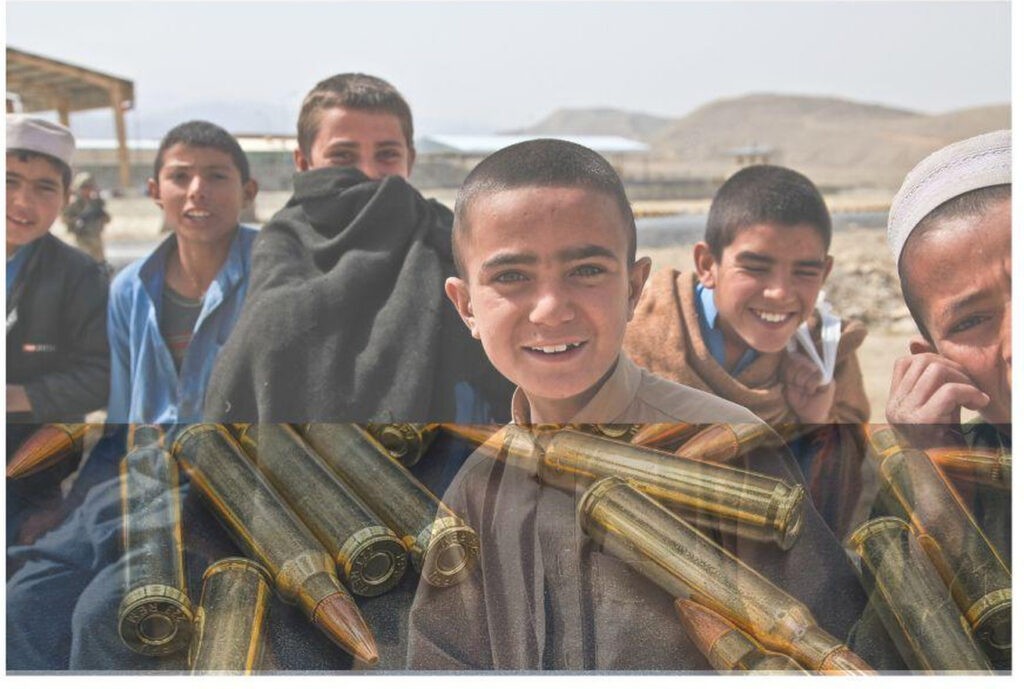
First, modern terrorism no longer depends on physically crossing borders. In the mid-2010s, several thousand individuals from Central Asian countries became involved in conflicts in Syria and Iraq. Recruitment did not take place primarily through physical training camps but through online networks. Geographic distance offered little protection.

Second, ISKP propaganda materials are distributed in Central Asian languages. ISKP propaganda frequently highlights and promotes the idea of Central Asian militants and targets Uzbek- and Tajik-speaking audiences. This suggests that its intended audience extends far beyond the territory of a single state. Extremist networks actively engage with the cultural and linguistic space of the region.

The proximity of Afghanistan amplifies these factors. Even without direct infiltration across borders, the risks of ideological influence and localized radicalization remain.

As the region becomes more open and integrated, the need for coordinated security cooperation increases. The key conclusion is clear: no country in Central Asia can afford to view itself as an outside observer.

In the context of networked threats, isolation is not an option. A threat may not be visible today. It may appear distant. Yet in the digital age, security is increasingly interdependent.

This does not mean that Central Asia is on the verge of destabilization. On the contrary, in recent years, the region has demonstrated an ability to coordinate policies and pursue pragmatic approaches. However, the evolving nature of security threats requires constant adaptation, particularly as networked extremist structures move beyond traditional security models.

Relying solely on force is no longer sufficient. A comprehensive strategy is required, including information sharing, monitoring financial flows, countering online propaganda, and addressing the social drivers of radicalization.

In a broader sense, it is important to remember that attempts to treat extremist networks as potential proxy forces almost always produce unintended consequences. Over time, such structures begin operating according to their own logic and spiral beyond control. This pattern is universal and not confined to any specific region or political context.

For Central Asia today, the challenge is not only responding to threats but also assessing their true nature. In some cases, the greatest danger lies not in the threat itself, but in the belief that it can be controlled.


The views expressed in this article are those of the author and do not necessarily reflect the official policy or position of the publication, its affiliates, or any other organizations mentioned.
Death Toll in Cafe Gas Explosion in Kazakhstan Rises to Nine

A cafe owner in northern Kazakhstan is under arrest for alleged negligence after a gas explosion and fire that killed nine people.

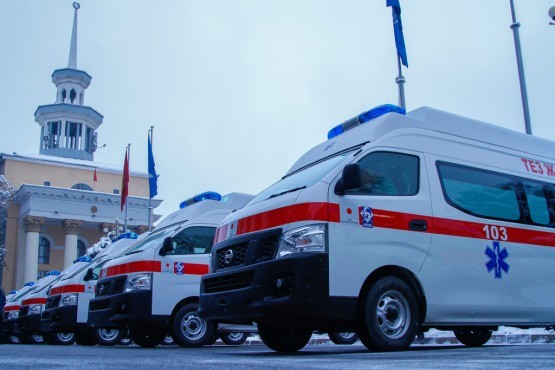
The explosion occurred at the Plov Center cafe in the town of Shchuchinsk in Akmola region, outside the capital Astana, early on February 27, killing seven people, including six cafe workers and the 16-year-old daughter of one of the employees, city officials said. Two injured people later died, according to the city. It attributed the death toll to the regional health department.

More than two dozen people were injured, and about half of them were hospitalized, according to the Ministry of Emergency Situations.

The café is attached to a five-story residential building. The owner was arrested on Monday for suspected violation of fire safety regulations.

After the disaster, workers from the emergency situations ministry conducted fire safety checks at cafes, restaurants and dormitories in northern Kazakhstan. They checked that gas cylinders were correctly positioned, fire extinguishers were on hand and evacuation routes were accessible.

The ministry is leading a high-level investigation of the causes and circumstances of the gas explosion.

Uzbekistan Introduces Incentives for Major Industrial Polluters to Reduce Environmental Impact

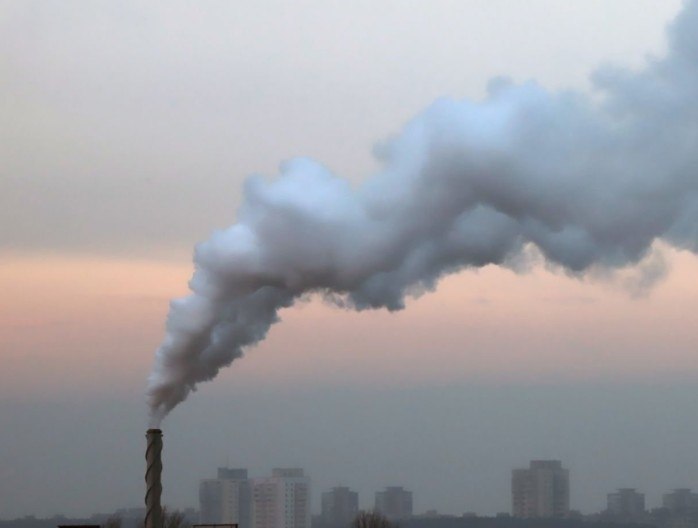
Uzbekistan’s government has approved new measures aimed at encouraging large industrial enterprises to reduce their environmental footprint.

Resolution No. 85 establishes regulations to incentivize environmental impact reduction efforts by industrial enterprises classified as Category I and Category II facilities based on their level of environmental impact. These categories include enterprises considered to have significant or moderate effects on the natural environment.

Under the new framework, incentives will be introduced in two stages.

At the first stage, an enterprise that installs a background air pollution monitoring station will be eligible for relief from previously assessed outstanding compensation payments for environmental damage. In addition, 50% of compensation payments allocated to the state budget for environmental harm will be refunded over a two-year period.

At the second stage, if the enterprise installs dust and gas cleaning equipment as well as local wastewater treatment facilities within one year after commissioning the monitoring station, 70% of the compensation payments directed to the state budget will be refunded over two years.

Enterprises seeking to benefit from these incentives must notify the Ecology Committee through Public Service Centers or via the government’s online portal. The committee will review submitted documentation within 15 working days and issue a formal conclusion on whether the enterprise qualifies for state support.

The Times of Central Asia previously reported, that more than a dozen valuable trees were cut down at the construction site of the Ritz-Carlton Tashkent project in central Tashkent. Environmental damage in that case was officially assessed at 351,230,000 Uzbek sum (approximately $29,000), according to documentation cited by officials.

Uzbek FLEX Finalist Returns Home After Alleged Harassment by Host Father in Indiana

An Uzbek high school student selected for the prestigious FLEX exchange program has returned home after her family alleged she was subjected to sexual harassment by her host father in the United States. The claims were made public by her father, Dr. Aziz Boltayev, in a detailed Facebook post. Uzbek officials have confirmed that they requested explanations from program representatives, while the U.S. side has not issued a public statement.

Dr. Boltayev’s daughter was one of nearly 60 finalists from Uzbekistan selected in 2025 for the Future Leaders Exchange Program (FLEX), had traveled to the United States to complete her final year of high school. The fully funded initiative, supported by the U.S. Department of State, enables students from participating countries to study at American high schools and live with volunteer host families for one academic year.

According to Boltayev’s account, his daughter was placed in a small town in Indiana with a childless couple, both music teachers, who had previously hosted exchange students. Initial video calls reportedly reassured the family prior to her departure.

“After graduating from medical school, I received a U.S. Department of State grant and spent time in the United States for professional development,” Boltayev wrote. “I returned to Uzbekistan with a deep sense of gratitude and a positive impression of American values. Naturally, when my eldest daughter won the FLEX grant in 2025, I was proud and supportive.”

He said the situation changed approximately a month after her arrival. According to his post, the host father allegedly began making inappropriate remarks and advances when his wife was not present.

“He told my daughter that it was ‘necessary to gain sexual experience’ before marriage,” Boltayev wrote. “To her credit, [his daughter] firmly resisted and immediately informed her assigned FLEX coordinator.”

According to Boltayev, the local coordinator relocated his daughter shortly after the complaint was filed. However, he criticized the way communication with the family in Uzbekistan was handled.

“The coordinator moved [his daughter] out of the house immediately, but in doing so, they completely bypassed us, her parents,” he wrote. Due to the time difference, he said he was informed the following day by the FLEX office in Tashkent.

Boltayev further alleged that during this period his daughter’s phone was switched off and her parents’ messages went unanswered. He claimed that the coordinator had instructed her to turn off her phone for “security reasons,” which he described as isolating a minor from her parents.

He also asserted that neither the temporary host family nor U.S.-based program representatives agreed to speak directly with him. According to Boltayev, his daughter was told that program officials were not obligated to provide information to her parents.

Seeking reassurance, Boltayev contacted a friend, a faculty member at the University of Michigan, who lives several hours from his daughter’s location, and asked him to check on her in person.

“Even then, FLEX representatives tried to block him, telling my daughter: ‘He needs our permission to see you, and for now, permission is denied,’” Boltayev wrote. “Only after my firm insistence did they meet.” His friend later confirmed that his daughter was physically safe but emotionally distressed.

Boltayev said he subsequently sent a formal letter to FLEX administrators in Washington, asking how his daughter had been placed with a host parent he characterized as predatory, and what measures would be taken. He described the response as formal and unsatisfactory, stating that officials expressed regret but maintained that program procedures had been followed.

Dissatisfied with the outcome, Boltayev requested his daughter’s immediate return to Uzbekistan. She returned after approximately six weeks in the United States. Despite not completing the academic year, she was reportedly granted alumni status.

“She arrived home safe but psychologically traumatized,” he wrote. “Despite completing only 1.5 months of a 10-month program, she would be granted ‘Alumni’ status.”

The case has attracted attention from Uzbek authorities. Boltayev stated that he filed complaints with the Children’s Ombudsman and the Ministry of Preschool and School Education. According to him, the Ombudsman’s office indicated that the matter had been forwarded to the Ministry of Foreign Affairs. He added that the Ministry of Preschool and School Education, together with representatives of the Ministry of Justice, summoned the director of the FLEX office in Tashkent for explanations.

Boltayev alleged that during the meeting, the American representative declined to answer questions verbally and requested that inquiries be submitted in writing. He wrote that more than two months have passed since formal requests were sent by the ministries without a response.

FLEX has operated in Uzbekistan for many years and is widely regarded as one of the most competitive secondary school exchange programs. Each year, finalists are selected through a multi-stage process that includes English-language testing, essays, and interviews.

As of publication, neither the U.S. Department of State nor FLEX program officials have issued a public statement addressing Boltayev’s allegations. The Uzbek ministries involved have not disclosed details of their correspondence.

In his Facebook post, Boltayev said he chose to speak publicly to alert other families.

“If a crisis occurs, you and your child may find yourselves alone against a system that prioritizes its own image over your child’s well-being,” he wrote.

Why Tajikistan Lags Behind Global Animal Welfare Standards

While animals are legally recognized as sentient beings and, in some countries, effectively regarded as family members, their legal status in Tajikistan remains ambiguous. The absence of a dedicated animal protection law, the continued shooting of stray animals, and illegal wildlife trade point to a systemic issue that extends beyond animal welfare.

Tajikistan has not adopted a specific law on animal protection, despite ratifying the United Nations Convention on Biological Diversity in 1997, which calls for the protection of wild and domestic fauna.

In practice, regulation of stray animal populations often consists of culling by shooting. At the same time, other forms of cruelty reportedly persist. Although dog fighting is officially prohibited, activists say such events continue to take place. Cases of mass poisoning and other acts of violence against animals are frequently reported, but rarely result in publicized prosecutions.

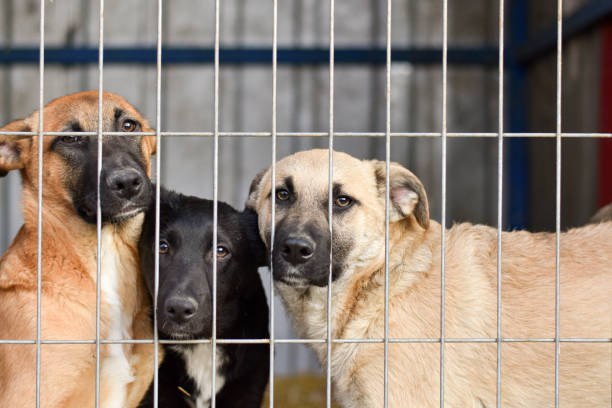
The country has no state-run animal shelters. The few private shelters that operate rely primarily on donations. Experts have also raised concerns about the condition of zoos, which they argue do not meet international animal welfare standards.

Additional alarm has been triggered by reported incidents of illegal wildlife trade, including cases involving lion cubs. Despite public outcry in some instances, such cases have seldom led to broader legislative reform or sustained enforcement efforts.

Sociologist and animal rights activist Malika Abdulvasieva argues that a weak legal framework contributes to a culture of impunity.

“Unpunished cases of cruelty, from mass poisonings to shootings by housing and utilities employees, gradually normalize cruelty in society. This has a particularly negative impact on young people and generally leads to an increase in aggression and violence,” she said.

One of the key priorities for activists remains the advancement of a comprehensive animal protection bill. However, even establishing a formally registered animal rights organization reportedly involves complex administrative procedures.

In the absence of a unified state strategy, civil society groups and private businesses are attempting to fill the gap. Representatives of the Brigitte Bardot Foundation are expected to visit Dushanbe this year, and a large-scale free sterilization and castration program for stray animals is being planned in cooperation with German partners.

However, activists emphasize that isolated initiatives cannot substitute for a coherent national policy framework.

Junda Oil Refinery Modernization in Kyrgyzstan Set for Completion by August 2026

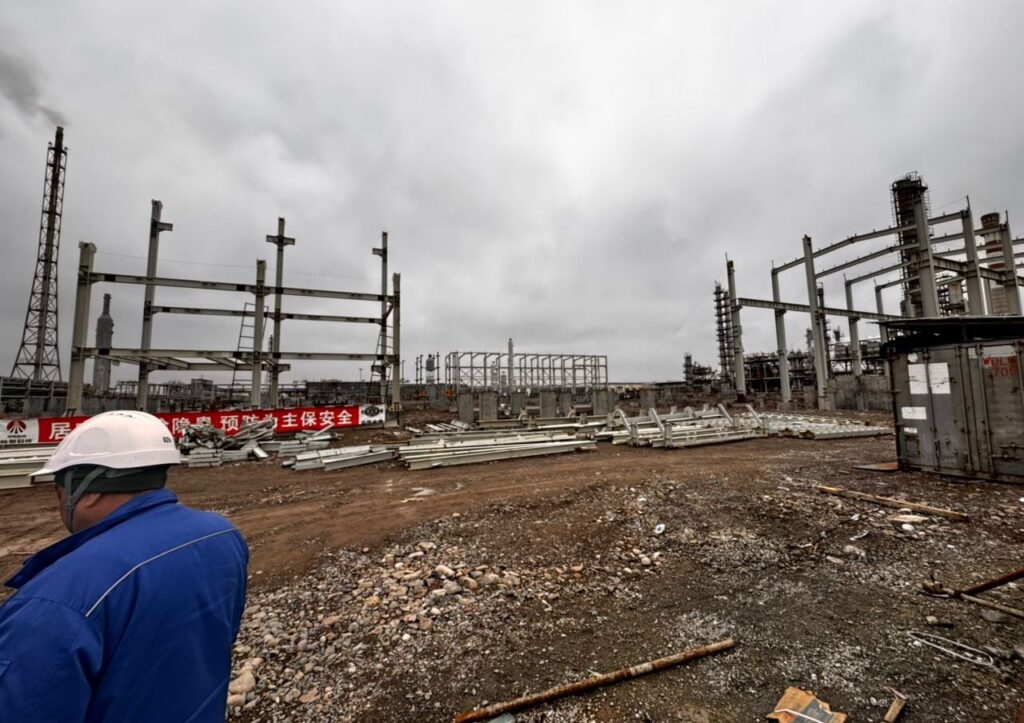
Kyrgyzstan’s largest oil refining facility, the Junda (Zhongda) refinery in the town of Kara-Balta, approximately 60 kilometers west of Bishkek, is undergoing a major modernization project scheduled for completion by July 31, 2026. The $193.75 million upgrade is expected to increase domestic fuel production and strengthen the country’s energy security.

On March 2, a delegation from the National Investment Agency of Kyrgyzstan, the Ministry of Economy and Commerce, and the Kara-Balta municipality visited the refinery to monitor implementation of the investment agreement signed in July 2024 with China Petrol Company Zhongda LLC.

Owned by a Chinese investor, the refinery has an annual crude processing capacity of 800,000 tons, producing gasoline, diesel fuel, and liquefied petroleum gas. The modernization is intended to upgrade technical infrastructure and improve operational efficiency.

Government representatives have emphasized the project’s importance for industrial development, job creation, and reducing Kyrgyzstan’s reliance on imported fuel.

If completed on schedule, the refinery could potentially cover between 50% and 70% of Kyrgyzstan’s domestic demand for motor fuel. This would represent a significant shift for a country that currently depends heavily on imports.

At present, local refining capacity reportedly meets only about 5% of domestic fuel demand. Kyrgyzstan consumes approximately 1.6 million tons of motor fuel annually, more than 90% of which is imported from Russia.

A key constraint remains the refinery’s dependence on imported crude oil. Authorities are seeking to diversify supply routes, including potential deliveries from Azerbaijan and other oil-producing countries.

Originally commissioned in 2014, the refinery was shut down in February 2020 for extensive repairs and modernization that lasted four years. Operations resumed in August 2024.

The facility has faced public scrutiny over environmental concerns. Residents of Kara-Balta have complained about air pollution, resulting in fines for emissions violations. The refinery has also been accused of damaging ancient burial mounds, prompting criticism from cultural heritage advocates.

The modernization positions the Kara-Balta refinery as a strategic industrial asset in Kyrgyzstan’s efforts to enhance energy security. However, its long-term viability will depend on securing stable crude oil supplies and addressing environmental risks.

If successful, the project could reduce Kyrgyzstan’s fuel import bill and mark a significant step toward greater energy independence.