Kazakhstan’s place in diversified critical mineral supply chains rests on an unusual combination: a broad resource base, an established mining and metallurgical sector, and transport infrastructure extending across Eurasia. The task is to make these assets work together. Their strategic value depends on converting resources into financeable projects, existing capacity into internationally qualified products, and geographic connectivity into contractually reliable delivery.
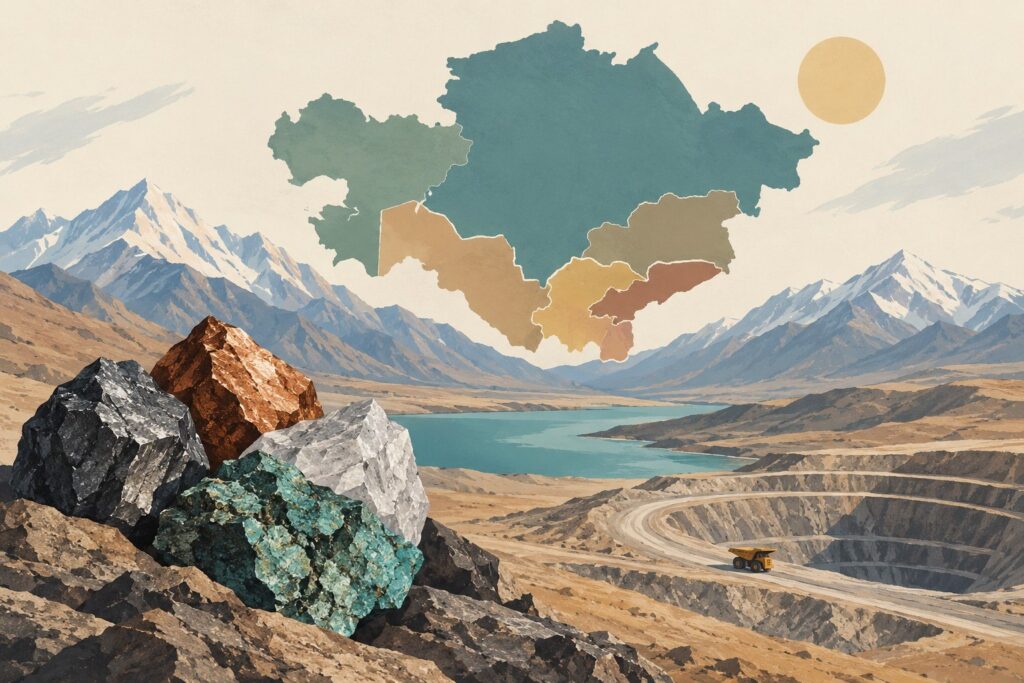
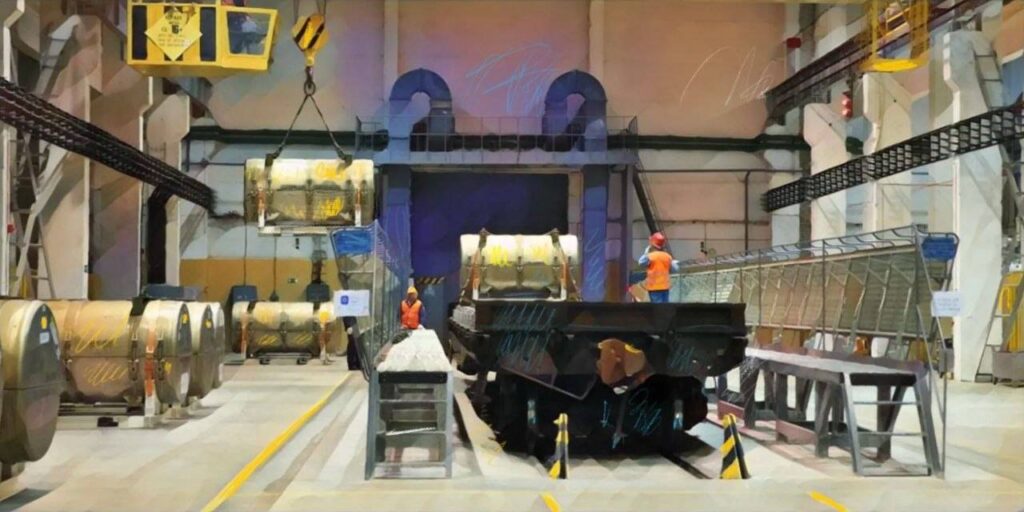
Kazakhstan approaches this task with an established industrial base. The world’s leading uranium producer, it also has production or processing capabilities in chromite and ferroalloys, titanium sponge, copper, zinc, aluminum, beryllium, molybdenum, rhenium, and other strategic materials. Much of that base was established during the Soviet period and extends beyond mines and plants to freight rail and experienced technical personnel. These assets reduce the burden of greenfield development for projects able to use them economically.
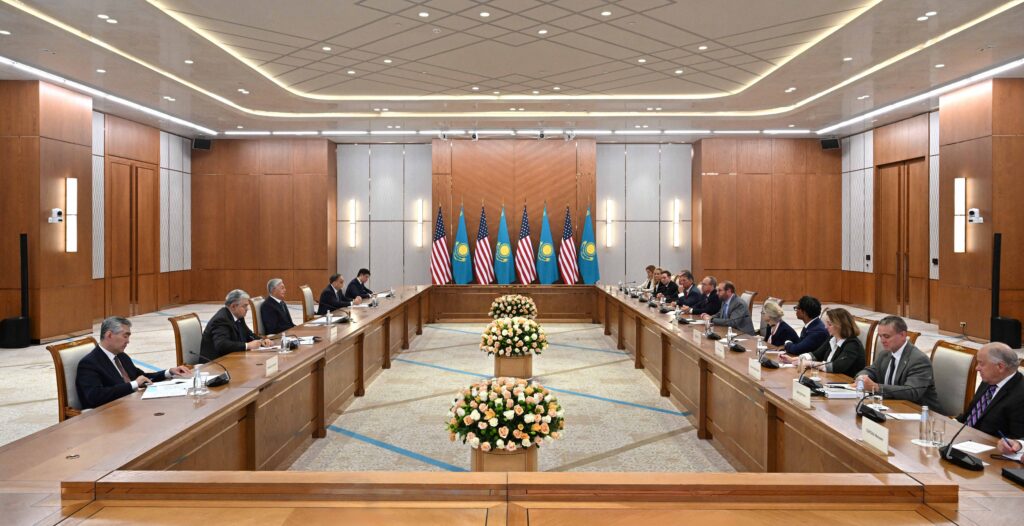
By joining the U.S.-led Pax Silica initiative in June 2026 as its first Central Asian participant, Kazakhstan brought these questions into a wider strategic setting. Pax Silica connects critical minerals and energy to an industrial agenda extending from semiconductor production to artificial-intelligence infrastructure. Membership creates an institutional opening for higher-value processing and technology cooperation. For Kazakhstan, the opportunity is to retain more value domestically through technology transfer, skilled employment, and a broader range of processed exports.
From Resources to Financeable Projects
Mineral abundance makes projects possible but not automatically bankable. Current drilling and internationally recognized resource statements must first establish the size, grade, and confidence level of the resource. Feasibility work must then show that it can be developed, and permits must authorize development. The project must still secure an off-taker and financing able to withstand commodity and construction risk. Predictable permitting and clear ownership help lenders assess risk. Traceability is important to lenders and buyers alike.
Kazakhstan has begun to make its geological information more usable. More than 4.6 million primary geological records have been digitized. In 2025, the country also developed 20 projects for detailed 1:50,000 surveys covering 100,000 square kilometers; the government plans approximately $470 million in exploration spending during 2026–28. Digitization can open inherited records, but surveys and spending acquire commercial relevance only through completed fieldwork and usable results. Those results must then support economically recoverable reserves and financeable projects.
Bankability also depends on the institutions through which capital is raised and transactions governed. The Kazakhstan Stock Exchange and Astana International Exchange give issuers access to investors. The Astana International Financial Centre operates under a legal framework based on common law and has a separate court. Parties may also agree to international arbitration. Kazatomprom’s initial public offering in London and Astana demonstrated access to global capital for a mature national producer. Glencore’s controlling stake in Kazzinc and production by Central Asia Metals at Kounrad since 2012 provide evidence of sustained foreign participation. Taken together, these cases show that Kazakhstan’s system can support substantial transactions and long-term partnerships. Still, each new venture must establish its own economics under commodity and construction risk.
From Industrial Capacity to Qualified Products
The OECD identifies Kazakhstan as Central Asia’s most advanced processing country, citing capabilities in titanium, tantalum, beryllium, niobium, zinc, and lead. For some mineral chains, this existing capacity changes the calculation. Selective rehabilitation may therefore be more practical than constructing an entire system anew. Existing plants and technical skills can save time and capital only when rehabilitation is more economical than greenfield construction. Energy-intensive processing also requires reliable power. The resulting products must be traceable and meet the technical and environmental requirements of prospective buyers.
Uranium provides the demonstrated baseline: a mature export industry built on international operating partnerships. In July 2025, KATCO, a joint venture between Kazatomprom and Orano, brought its $190 million South Tortkuduk site into full operation after three years. KATCO expected annual output to return to its full production level of 4,000 metric tons in 2026. The venture shows what an established partnership can sustain in a mature commodity chain. Other minerals will require arrangements suited to their own markets and stages of development.
Gallium presents a different configuration. Instead of opening a new mine, Eurasian Resources Group plans to recover 15 metric tons a year from process solutions at its Pavlodar aluminum operation. Production is scheduled for the third quarter of 2026 under a long-term supply agreement with Mitsubishi Corporation RtM Japan Ltd. The agreement connects an existing industrial stream to a buyer, but the project must still be commissioned and sustain its planned output.
The tungsten venture is at an earlier stage. Cove Kaz acquired a 70% interest in the Northern Katpar and Upper Kairakty venture in April 2026 and plans an updated definitive feasibility study for the second half of 2026. Financing has not yet closed. The U.S. Export-Import Bank and the Development Finance Corporation have nevertheless issued non-binding letters of interest of up to $900 million and $700 million, respectively. This project could become another mine-to-market chain if financing closes, offtake becomes binding, and the planned domestic refining operation is built and commissioned.
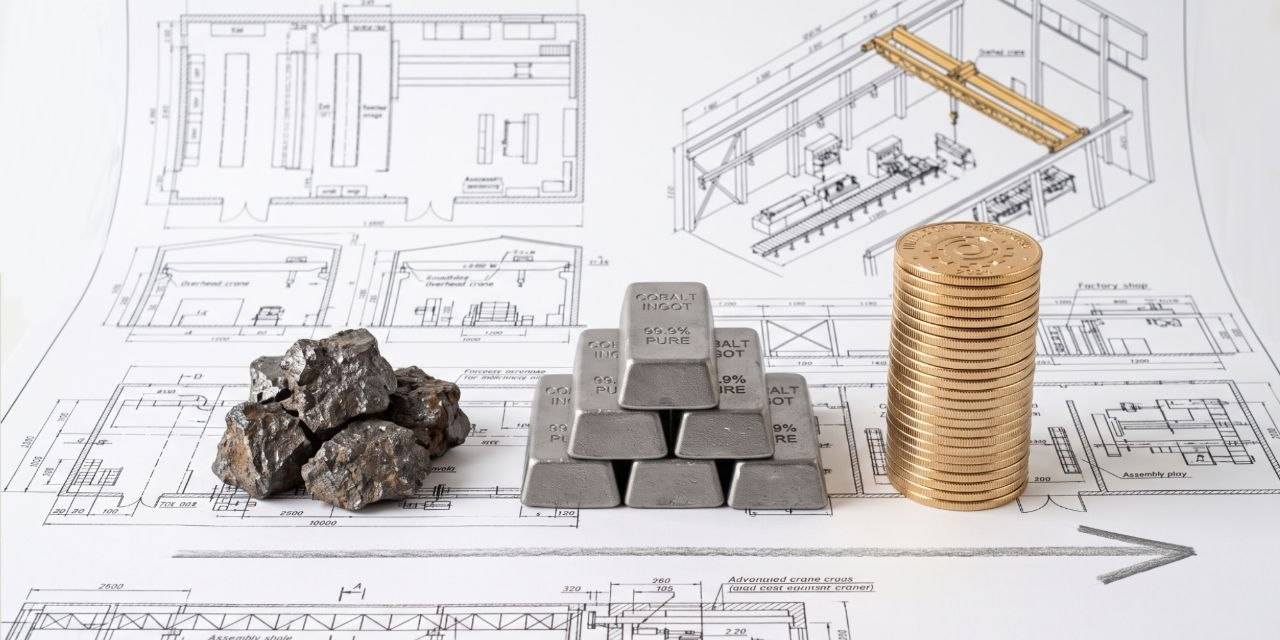
Nickel and cobalt offer further scope for downstream conversion. Kazakhstan has limited capacity for large-scale production or processing of either mineral. Developing higher-value products will require dedicated projects for each.
From Geography to Reliable Delivery
Kazakhstan’s rail system widens Kazakhstan’s commercial options by linking its industrial regions to China, Russia, the Caspian Sea, and southern Central Asia. The value of those connections turns on dependability and competitiveness. The Middle Corridor broadens diversification alongside established Russian and Chinese systems, which still carry much of Kazakhstan’s trade.
Westward, the Middle Corridor crosses the Caspian, Azerbaijan, Georgia, and Türkiye. Current projects seek to alleviate physical constraints. The World Bank-backed Mointy–Kyzylzhar railway is intended to remove a 149-kilometer detour and, at opening, accommodate 30 train pairs per day, against no more than about 10 on the existing constrained route. The Aktau container hub has a planned capacity of 240,000 twenty-foot equivalent units (TEUs). Traffic is already rising: 125 container trains crossed Kazakhstan on the Trans-Caspian route in the first quarter of 2026, up 34.4% year on year.
Physical capacity is essential, but commercial value also depends on whether vessels run predictably, ports and borders move cargo efficiently, and operators exchange the data needed to quote tariffs and delivery times. Only coordination across jurisdictions allows these separate systems to function as a single service over the full route. Each handoff affects delivery risk and therefore the terms on which cargo and projects are financed. Additional track and terminal capacity support offtake and project finance only when the service itself is dependable.
The Conditions of Integration
Wesley Monteiro of S&P Global Energy/Platts has described a credible path for Kazakhstan to move toward the top tier of global mining jurisdictions. He bases that assessment on the country’s mineral breadth and its capacity to scale copper and uranium production. He also identifies recoverable value in legacy waste and the contribution of external partnerships. These are starting conditions, not completed integration. Geological information must support financeable projects before resources can enter production; industrial assets must be configured to meet buyer requirements. Likewise, added route capacity by itself does not create reliable service.
Progress depends less on accumulating assets than on connecting those already in place. Better data must produce financeable projects, and existing plants must supply materials buyers will accept. Strategic interest needs binding finance and offtake behind it. Expanded routes need dependable service over their full length. Success across all three of these domains could enlarge Kazakhstan’s role between Central Asian resources and manufacturing markets in the United States, Europe, and Asia. These tasks are interdependent, and the weakest area therefore will limit the scale of integration. Kazakhstan nevertheless begins each from a well-established base.