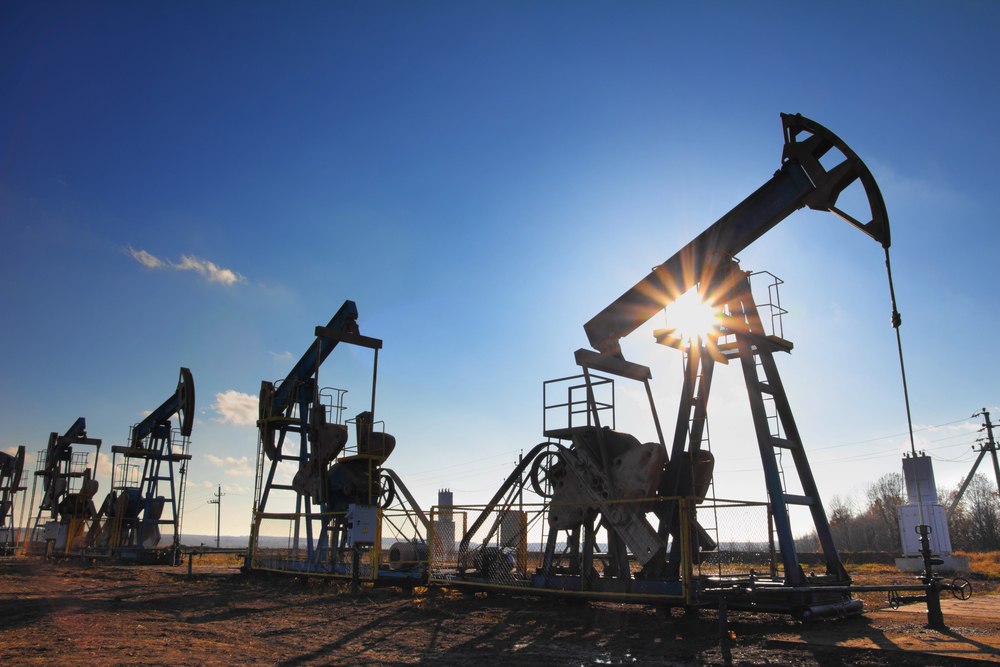
Kazakhstan is considering a plan to process Russian crude at its refineries, a step Astana says could support plant utilization and domestic fuel supplies but could also raise sanctions-compliance and diplomatic questions, depending on its scale and structure. The Energy Ministry said on July 30 that discussions cover refining oil “of Russian origin,” selling part of the output in Kazakhstan, and exporting part back to Russia. It did not identify the refineries, volumes, counterparties, or commercial terms.
The talks come as parts of Russia face fuel shortages following repeated Ukrainian strikes on refineries. Moscow has extended export restrictions on gasoline, diesel, marine fuel, and gas oils until January 31, 2027, although producers regain exemptions for several products from September 1.
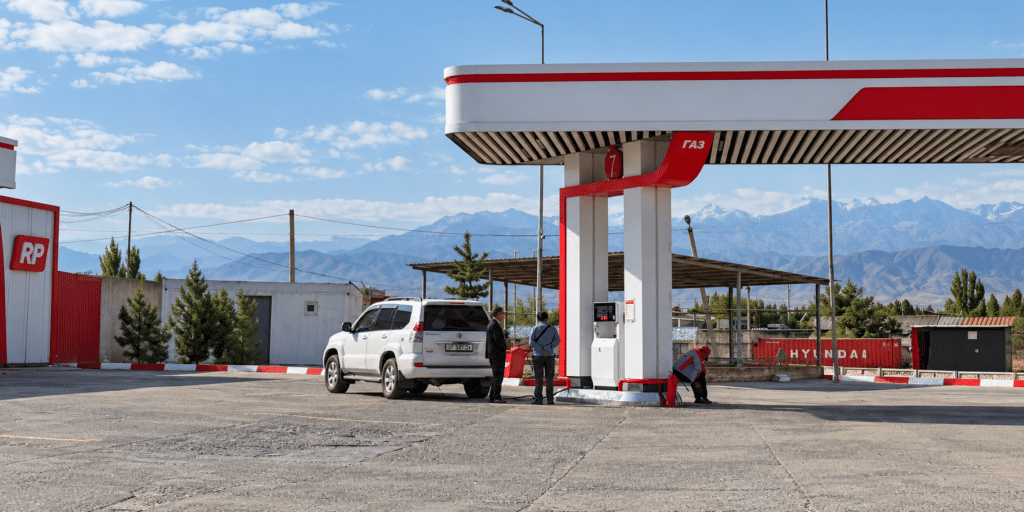
The two countries already exchange crude, feedstock, and refined products. Russia discussed buying about 50,000 metric tons of Kazakh gasoline in June. Astana said at the time that it had received no formal request and would protect domestic supply. Trade has since moved beyond discussion. Kazakhstan’s Condensate refinery is processing Russian naphtha and exported gasoline to Russia for the first time in July.
Kazakhstan has a practical industrial case for considering the proposal. Although the ministry has not identified any refinery involved in the talks, the Pavlodar refinery was designed to process West Siberian crude and remains connected to Russian supply routes. The two countries share extensive energy transport systems and coordinate annual fuel balances. The ministry said steady feedstock would support refinery utilization and domestic supply.
The wider regional focus on fuel security was evident on July 31, when Tajik President Emomali Rahmon proposed building large oil refineries in Central Asia, prioritizing domestic demand for essential petroleum products.
Decades of infrastructure integration also constrain Kazakhstan’s room for maneuver. More than 80% of its oil exports cross Russian territory through the Caspian Pipeline Consortium. Much of Kazakhstan’s rail trade is tied to Russian networks. These links narrow Kazakhstan’s near-term options and raise the economic cost of abrupt changes to established energy arrangements.
The scale and destination of the resulting fuel would determine much of the political meaning. Small volumes sold mainly in Kazakhstan could resemble established regional commerce. A larger export-oriented program supplying Russia during a period of refinery disruption would draw more scrutiny, particularly if it materially eased pressure on Russia’s fuel system.
The sensitivity has been heightened by renewed disruption around the Caspian Pipeline Consortium. On July 30, attacks hit NISSOS SIFNOS and MARATHI near the CPC terminal at Novorossiysk. Oil loading stopped only three days after Kazakhstan resumed exports following a week-long disruption. The route is Kazakhstan’s principal oil export artery. The earlier stoppage cut national oil and gas condensate output to about one million barrels per day by July 26, less than half the June average.
Russia explicitly blamed Ukraine. Foreign Ministry spokeswoman Maria Zakharova called the July 30 strikes “actions of a terrorist nature” and said they harmed Kazakh and U.S. economic interests. Kazakhstan’s Energy Ministry confirmed the incidents but did not name an attacker. CPC also made no public attribution.
Ukraine’s drone forces said they had struck four Russian tankers in the Black and Azov seas overnight but did not identify the vessels or their locations. The incidents illustrate how quickly commercial and geopolitical issues can overlap around infrastructure vital to Kazakhstan.
A commercial refining agreement would not by itself make Kazakhstan a party to the conflict. On July 21, Ukraine’s ambassador called Kazakhstan a “friendly state” and told The Times of Central Asia that its “citizens, infrastructure, and economic interests have never been and are not currently regarded by Ukraine as military targets.”
Sanctions scrutiny may present a more immediate concern. The European Union’s 21st sanctions package created a legal basis for transaction bans against specifically listed refineries in third countries that process Russian crude or petroleum products. It imposed such a ban on Georgia’s Kulevi refinery, with a six-month transition period.
The instrument applies only to specifically designated facilities and does not automatically prohibit Kazakh refineries from processing Russian crude. A transaction ban under this measure would require the refinery to be separately designated and would depend on the facility involved, its counterparties, payment arrangements, volumes, product destinations, and the structure of the agreement.
Any comparison with Kulevi also has limits. The Kazakh ministry has not said that Pavlodar is involved in the proposed arrangement.
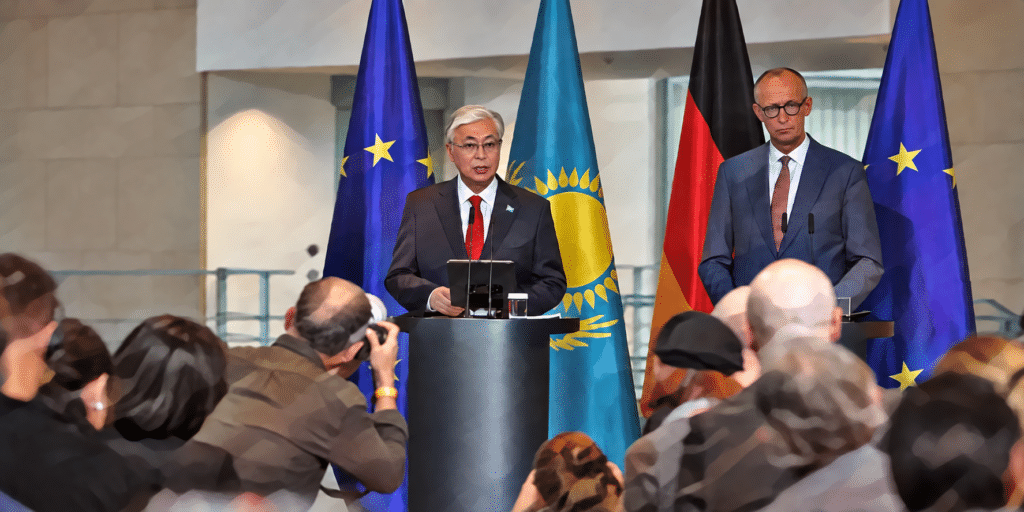
The talks come as President Kassym-Jomart Tokayev is seeking to preserve economic cooperation with Russia while pressing for an end to the war and protecting Kazakhstan’s relationships with Western partners. Speaking alongside Vladimir Putin in Omsk on July 25, Tokayev praised what he described as Putin’s diplomatic flexibility while saying the war should be frozen and negotiations resumed.
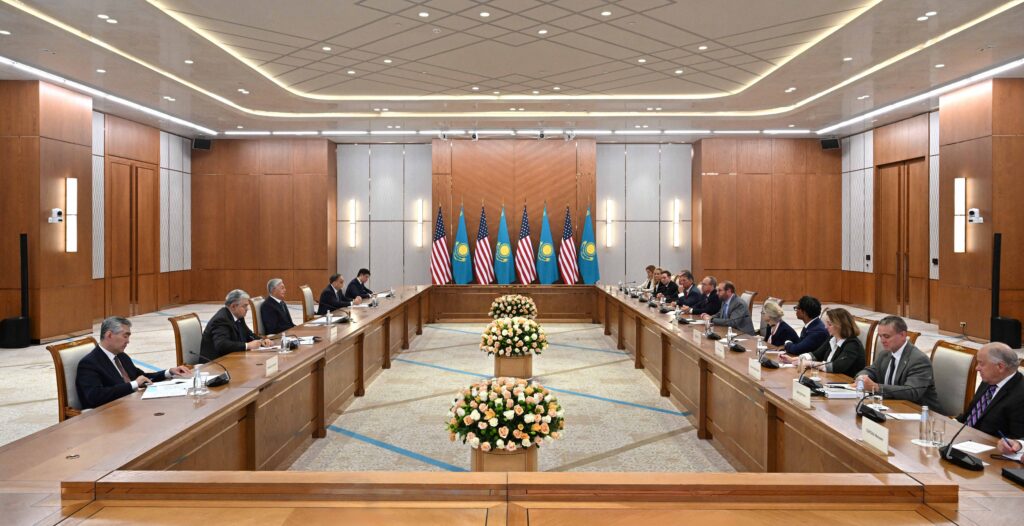
Four days later, U.S. Secretary of State Marco Rubio and Foreign Minister Yermek Kosherbayev discussed the “reliable and uninterrupted” export of Kazakh oil through CPC. On July 30, Energy Minister Yerlan Akkenzhenov and U.S. Ambassador Julie Stufft discussed export infrastructure, investment, and regional energy security. There is no public indication that either U.S. discussion addressed the proposed refining arrangement.
Kazakhstan’s multi-vector policy is guided by national interests and does not require equal distance from every partner. Russia shares Kazakhstan’s longest border and remains deeply embedded in its oil export routes, refinery supply, rail links, and imports. China is a major investor and buyer. The EU accounted for about 71% of Kazakhstan’s crude oil exports in 2025, while U.S. companies hold large stakes in Tengiz and CPC. Astana has also actively promoted the Trans-Caspian route to reduce its reliance on Russian territory.
Those relationships would not be overturned by one refinery agreement. Western governments and investors would nevertheless examine its commercial structure and end users.
The ministry’s cautious language suggests that no broad agreement has been reached. Any eventual arrangement could prioritize Kazakhstan’s domestic market, exclude sanctioned counterparties, and establish transparent payment and delivery terms. Such safeguards would help distinguish routine industrial cooperation from sanctions evasion or politically sensitive trade.
Kazakhstan cannot quickly reduce its reliance on deeply integrated energy infrastructure linked to Russia or ignore its domestic fuel needs. Processing Russian crude could provide steady feedstock, revenue, and higher refinery utilization. But substantial re-exports to Russia would carry wider diplomatic and compliance risks.