• KGS/USD = 0.01144 0%
  • KZT/USD = 0.00215 0%
  • TJS/USD = 0.10680 0.19%
  • UZS/USD = 0.00008 0%
  • TMT/USD = 0.28530 0%
  • KGS/USD = 0.01144 0%
  • KZT/USD = 0.00215 0%
  • TJS/USD = 0.10680 0.19%
  • UZS/USD = 0.00008 0%
  • TMT/USD = 0.28530 0%
  • KGS/USD = 0.01144 0%
  • KZT/USD = 0.00215 0%
  • TJS/USD = 0.10680 0.19%
  • UZS/USD = 0.00008 0%
  • TMT/USD = 0.28530 0%
  • KGS/USD = 0.01144 0%
  • KZT/USD = 0.00215 0%
  • TJS/USD = 0.10680 0.19%
  • UZS/USD = 0.00008 0%
  • TMT/USD = 0.28530 0%
  • KGS/USD = 0.01144 0%
  • KZT/USD = 0.00215 0%
  • TJS/USD = 0.10680 0.19%
  • UZS/USD = 0.00008 0%
  • TMT/USD = 0.28530 0%
  • KGS/USD = 0.01144 0%
  • KZT/USD = 0.00215 0%
  • TJS/USD = 0.10680 0.19%
  • UZS/USD = 0.00008 0%
  • TMT/USD = 0.28530 0%
  • KGS/USD = 0.01144 0%
  • KZT/USD = 0.00215 0%
  • TJS/USD = 0.10680 0.19%
  • UZS/USD = 0.00008 0%
  • TMT/USD = 0.28530 0%
  • KGS/USD = 0.01144 0%
  • KZT/USD = 0.00215 0%
  • TJS/USD = 0.10680 0.19%
  • UZS/USD = 0.00008 0%
  • TMT/USD = 0.28530 0%

Kyrgyz Authorities Seek Review of Sovereign Credit Rating

Kyrgyzstan’s Minister of Economy and Commerce, Bakyt Sydykov, held talks with analysts in Washington on the sidelines of the Spring Meetings of the International Monetary Fund and the World Bank Group, where the country’s macroeconomic stability was discussed.

According to Sydykov, Bishkek is seeking an upgrade to its sovereign credit rating as part of the implementation of the National Development Program through 2030. He noted that engagement with Moody’s is aimed at strengthening international investor confidence and forms part of an ongoing institutional dialogue.

Sydykov said the country is meeting its obligations within the framework of cooperation with the agency and expects further constructive information exchange. He also recalled that last year Moody’s revised Kyrgyzstan’s outlook to “positive” while maintaining the rating at B3, which authorities interpreted as confirmation of ongoing reforms.

The minister added that the country’s economy has grown at an annual rate of 9.5-11% over the past four years, driven by investment, domestic demand, and activity in construction, services, and industry.

Following the meeting with Moody’s, Sydykov also held talks with representatives of U.S. businesses, presenting investment opportunities in logistics, transport infrastructure, and energy, including hydropower.

According to the National Statistical Committee of Kyrgyzstan, investment in fixed capital increased by 25% year-on-year in the first quarter, reaching 77.3 billion KGS ($883.4 million). Domestic investment rose by 20%, while foreign investment increased by 50%.

For comparative sovereign risk ratings on Central Asia see TCA’s Central Asia Balance Sheet.

Cyberbullying in Central Asia: What Legal Protections Are There?

Cyberbullying has long ceased to be merely an argument on the internet. Insults, harassment in chats, the publication of humiliating photos and videos, coordinated mockery, threats, and the spread of false information can cause harm comparable to offline violence. In Central Asia, the problem is becoming increasingly visible, but legal responses still vary significantly.

As of 2026, Kazakhstan and Uzbekistan have incorporated bullying and cyberbullying into legislation more directly, while Kyrgyzstan, Tajikistan, and Turkmenistan continue to address such cases mainly through general provisions on insult, defamation, threats, child protection, and internet regulation.

Kazakhstan has taken the most explicit legislative approach to cyberbullying. The law introduced an official definition: cyberbullying is understood as systematic actions, that is, actions committed two or more times of a humiliating nature against a child, including persecution and intimidation using internet resources.

The law also grants a citizen or the legal representative of a child the right to submit a complaint to the authorized body regarding instances of cyberbullying against a child, specifying the relevant internet resource. At the same time, laws on children’s rights and education have formally incorporated the concept of child bullying, including acts committed through media and telecommunications networks.

A further step was taken in 2024, when Article 127-2 (“Bullying of a Minor”) was added to Kazakhstan’s Code of Administrative Offenses. It provides for a warning or a fine, with higher penalties for repeated violations within a year. In December 2024, Kazinform reported that Kazakhstan became the first country in Central Asia to establish specific liability for the bullying and cyberbullying of children in a separate legal provision, which entered into force on June 16, 2024.

It is also significant that the provision is now being applied in practice. According to data released in February 2026 by the Deputy Chair of the Committee for the Protection of Children’s Rights, around 200 cases of bullying and cyberbullying against children had been recorded in 2025. This figure is important not only in itself; it indicates that the state has begun systematically recording such incidents and that victims and their families are more likely to seek protection.

The main strength of the Kazakh model is its clarity. The law explicitly defines the problem, outlines complaint procedures, and establishes specific liability. Its main limitation lies in implementation: as with domestic violence legislation, effectiveness depends on how prepared schools, parents, law enforcement, and online platforms are to apply it in practice.

Uzbekistan: Cyberbullying Within the Child Protection Framework

In Uzbekistan, there is no separate legal provision titled “cyberbullying,” but the country has taken a significant step in terms of child protection. The Law “On the Protection of Children from All Forms of Violence,” adopted on November 14, 2024, and in force since May 15, 2025, explicitly recognizes bullying as a form of violence against children. The law defines such violence as actions, including those carried out through telecommunications networks and the internet, that cause or may cause physical or psychological harm. The definition of bullying explicitly includes prolonged psychological and/or physical aggression carried out online.

This is important for two reasons. First, the law frames online harassment not merely as a matter of communication ethics but as a form of violence against a child. Second, it embeds the issue within the responsibilities of multiple state bodies, including the Cabinet of Ministers, the prosecutor’s office, internal affairs bodies, educational institutions, social protection agencies, and the children’s ombudsman. In other words, the legal framework is built not around a single sanction, but around coordinated, interagency protection.

At the same time, a gap remains: digital violence is expanding faster than enforcement practices are developing. The issue has moved beyond the school environment, yet the legal system still focuses primarily on protecting children rather than offering comprehensive protection for all victims of online harassment.

As a result, the Uzbek model is strongest in child protection. However, further development may require clearer procedures for addressing cyberbullying beyond school settings, for example, cases involving online stalking of adults, harassment of women, or coordinated abuse on social media.

Kyrgyzstan: No Separate Offense, but Stronger Rules on Online Insult

In Kyrgyzstan, there is still no distinct legal definition or offense specifically addressing bullying or cyberbullying. However, preventive measures within the education system are being strengthened.

In November 2024, according to the Kabar agency, citing the Ministry of Education and Science, a new directive aimed at combating bullying and cyberbullying in schools was adopted, requiring school administrations to carry out systematic preventive work with students and parents.

At the same time, the country has increased liability for certain online behaviors often associated with cyberbullying. Amendments to the Code of Offenses, which entered into force on February 10, 2025, introduced penalties for defamation and insult in the media and on internet platforms. Administrative fines include 20,000 soms ($228) for individuals and 65,000 soms for legal entities.

Thus, Kyrgyzstan’s approach remains fragmented. While the problem is acknowledged in education policy, the legal response relies on related offenses such as defamation, insult, threats, and, in some cases, harm to health. This provides enforcement tools but does not establish a unified framework in which cyberbullying is clearly defined and procedurally addressed.

Public discussion, however, suggests growing awareness. In 2025, the ombudsman and media reported on school violence and the need for anonymous reporting mechanisms. Dozens of cases of bullying, cyberbullying, and school extortion were reportedly recorded in Bishkek, indicating increased visibility of the issue, though not yet comprehensive legal reform.

Tajikistan: Regulation Through Defamation and Insult Laws

Tajikistan also lacks a dedicated law on cyberbullying. Instead, related conduct is addressed through existing defamation, insult, threat, and related speech provisions, including in cases involving online dissemination.

In practice, this means that online harassment is typically addressed as a combination of established offenses. While this allows authorities to respond to individual incidents, it is less effective in addressing sustained or coordinated harassment campaigns, where harm arises from repeated actions rather than a single act.

As a result, Tajikistan appears to be at an earlier stage of legal development on this issue: public and educational discussions are emerging, but legislation continues to rely on traditional legal categories rather than recognizing cyberbullying as a distinct, systemic phenomenon.

Turkmenistan: Strict Internet Control, Limited Victim-Centered Mechanisms

In Turkmenistan, the internet is tightly regulated, primarily through broad legal provisions governing online activity. The Law “On the Legal Regulation of the Development of the Internet and the Provision of Internet Services in Turkmenistan,” in force since December 29, 2014, requires state bodies to combat offenses committed online, restricts children’s access to harmful content, and establishes liability for disseminating defamation, insults, and other prohibited materials via the internet.

The law also includes provisions aimed at protecting children, including requirements to ensure information safety and prohibitions on distributing content that promotes violence, cruelty, unlawful behavior, or harmful actions.

However, as a mechanism for protecting victims of cyberbullying, this framework appears the least transparent in the region. The legal approach focuses primarily on controlling the information space rather than addressing harassment as a distinct violation affecting victims. Publicly available information on cases specifically involving cyberbullying is limited, likely reflecting both the absence of a dedicated legal category and broader constraints on transparency in the digital sphere.

What the Comparison Shows

Across the five countries, three general models emerge. The first is the Kazakh model: explicit recognition of cyberbullying and the introduction of specific liability for bullying of minors. The second is the Uzbek model: integration of bullying and online harassment into a broader child protection framework. The third, seen in Kyrgyzstan, Tajikistan, and Turkmenistan, relies on general legal provisions, such as defamation, insult, and child protection, without clearly defining cyberbullying as a separate legal category.

From the perspective of victim protection, approaches that recognize repeated online harassment as a distinct issue appear more aligned with the nature of cyberbullying, which typically involves sustained pressure rather than isolated incidents. In this regard, Kazakhstan’s and, to some extent, Uzbekistan’s frameworks appear more adapted to current challenges.

Despite differing reform trajectories, Central Asia is moving toward greater recognition of cyberbullying. The issue is no longer marginal and is gradually being incorporated into legislation, education policy, and child protection systems. Kazakhstan and Uzbekistan demonstrate that the region is capable of developing more structured responses, while in other countries, public demand for clearer rules and support mechanisms continues to grow.

This suggests cautious optimism that, as legal recognition expands, victim protection will become more substantive in practice.

Kazakhstan Launches Grain-Based Fuel at Gas Stations

Gas stations in Kazakhstan have begun selling gasoline blended with bioethanol produced from grain.

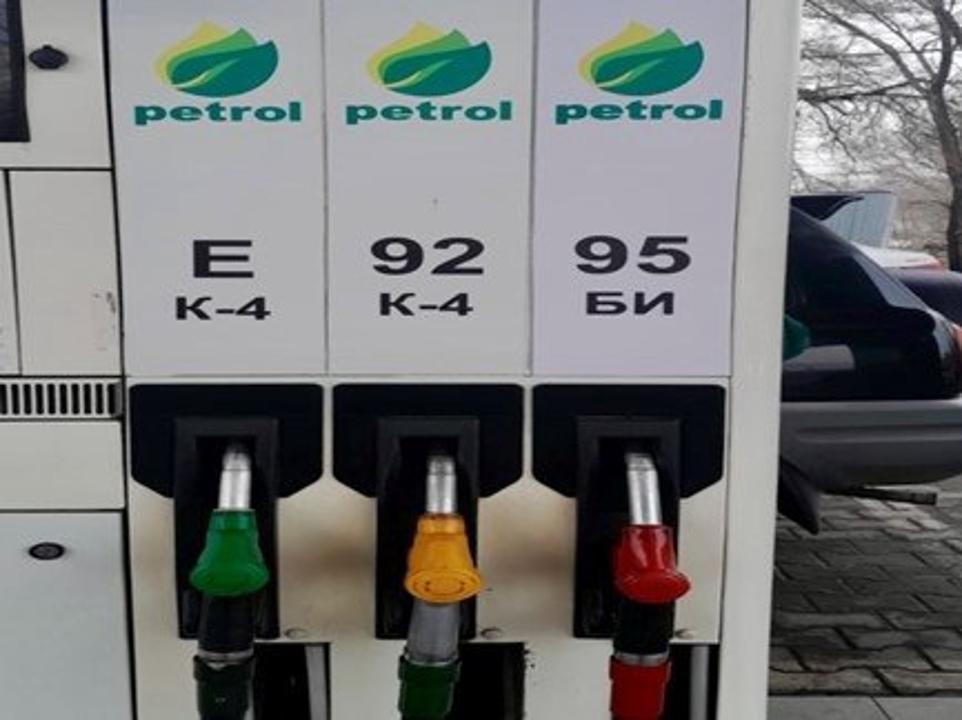
Fuel marketed under the BI-95 brand has been launched by the KazFoodProducts holding. It contains bioethanol derived from processed wheat, creating a full production cycle from agricultural raw materials to finished fuel.

A key component of the production chain is the BioOperations facility in the North Kazakhstan Region, the country’s only deep grain-processing complex, where bioethanol is produced. The fuel is then blended and distributed to market by BioPetrolCompany.

BI-95 is a gasoline blend containing between 5% and 10% bioethanol. According to the manufacturer, the fuel maintains standard performance characteristics, including octane rating, while offering improved environmental performance.

Bioethanol is considered a carbon-neutral component because it is produced from renewable raw materials. Such fuels have been widely used in the European Union, the United States, and Japan for more than two decades. Kazakhstan is only beginning to adopt these technologies, although BioOperations has been exporting its products to EU and UK markets since 2022.

According to the developers, the use of BI-95 does not require vehicle modifications and is compatible with existing gasoline engines. Tests have shown comparable power and torque performance to conventional fuel.

The primary benefit lies in emissions reduction. According to the company, particulate matter emissions decrease by more than 70%, nitrogen oxides by 25%, and greenhouse gas emissions by 60-70% compared to AI-92 gasoline.

The new fuel is already available at retail stations. According to project head Laura Bergibayeva, the launch is aimed not only at expanding the product range but also at reducing environmental impact, particularly in major cities such as Almaty, where air quality remains a pressing concern.

The Times of Central Asia previously reported that scientists at Aktobe Regional University had developed a gas purification technology capable of significantly reducing dust and harmful substances in industrial emissions.

Mirziyoyev Announces Uzbekistan’s 2027-2029 Leadership of Aral Sea Fund

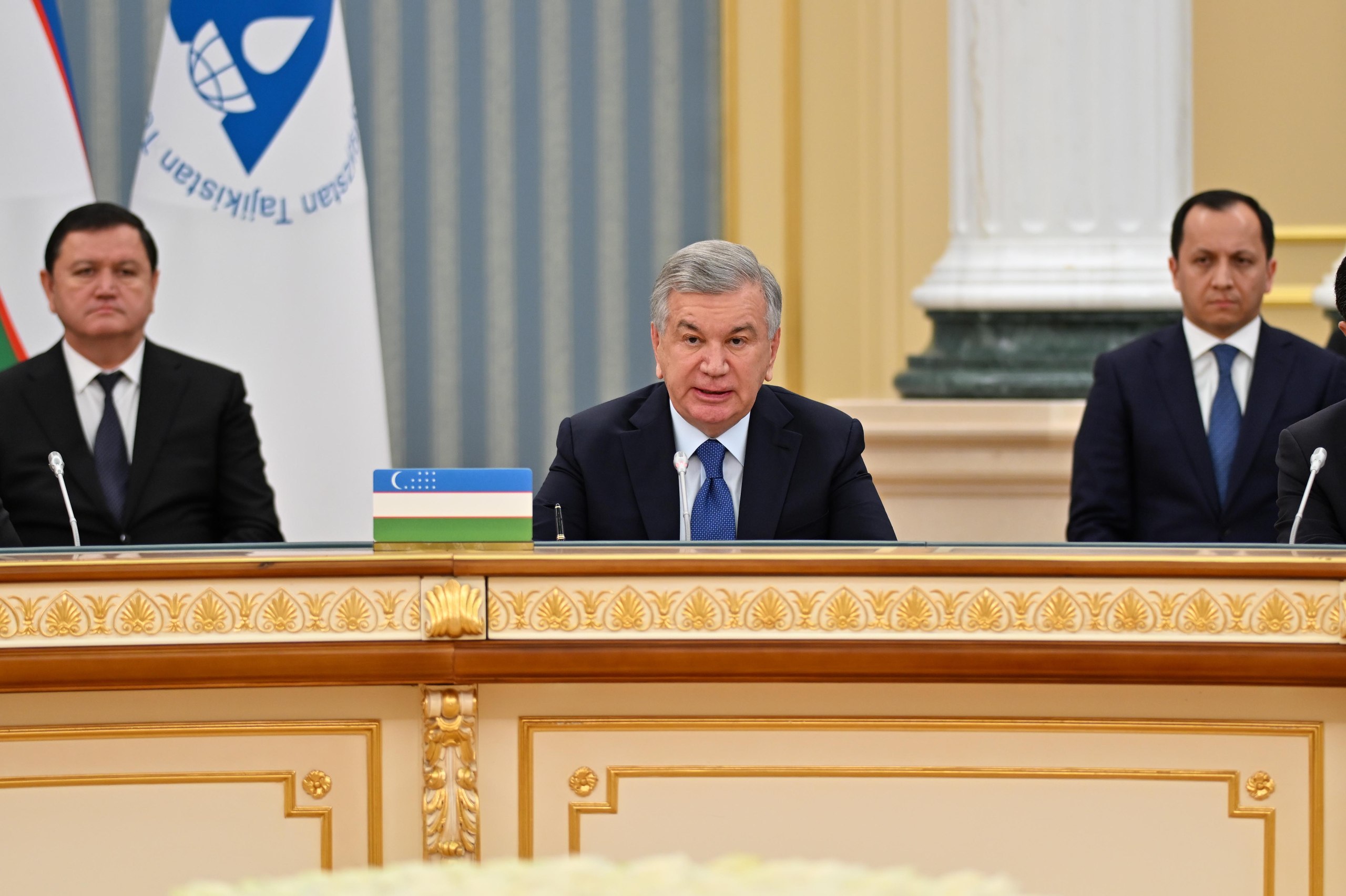
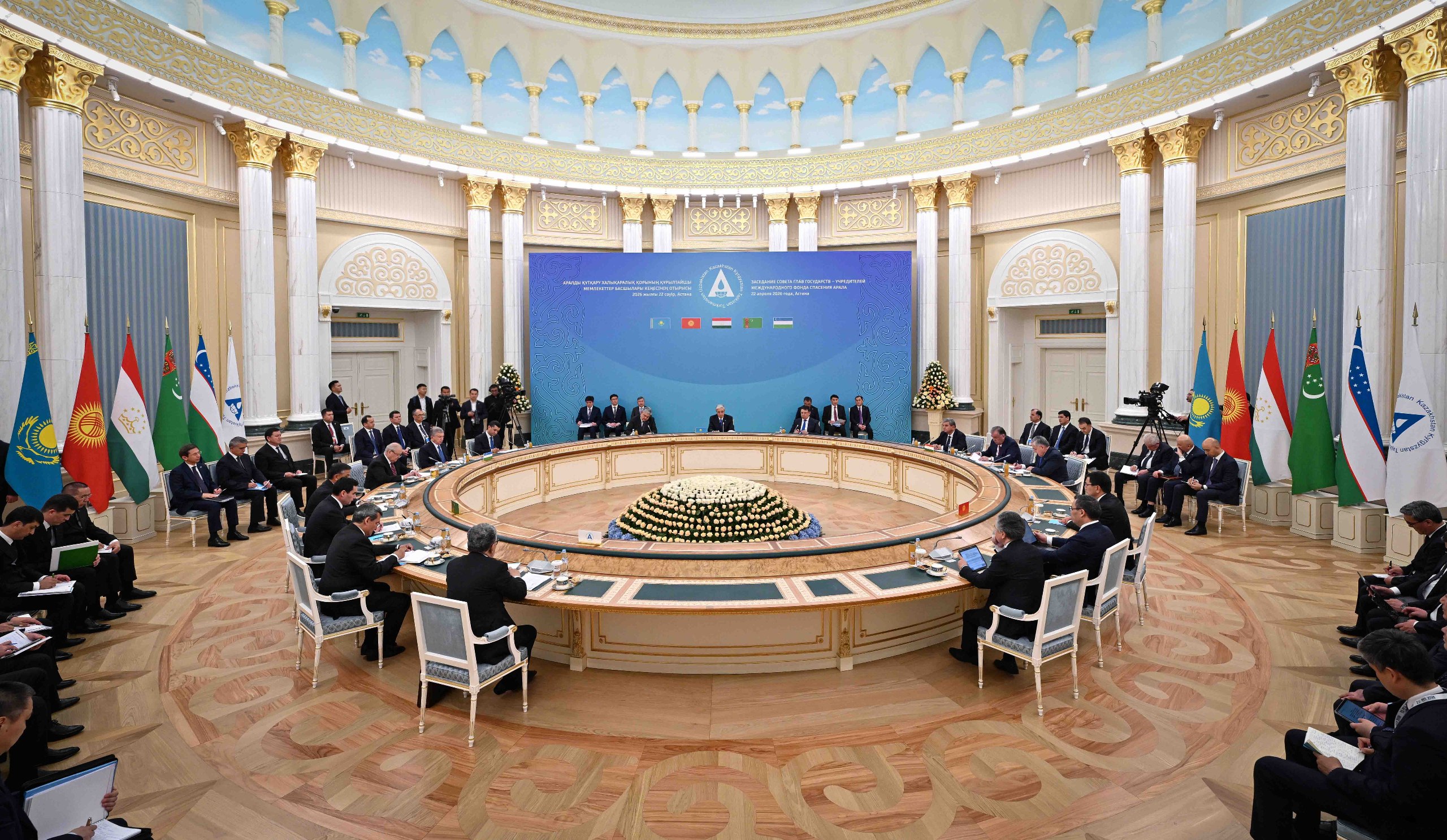
On April 22, Uzbekistan’s President, Shavkat Mirziyoyev, took part in a meeting of the Council of the Heads of Founder States of the International Fund for Saving the Aral Sea, where regional leaders discussed growing water challenges and environmental risks in Central Asia.

The meeting reviewed the results of Kazakhstan’s chairmanship of IFAS for 2023-2026 and focused on improving environmental, water management, and socio-economic conditions in the Aral Sea basin.

In his remarks, Mirziyoyev warned that water shortages in the region are expected to intensify. “According to expert estimates, the water deficit in the Aral Sea basin could almost double to 20 billion cubic meters per year by as early as 2040,” he said, adding that this could pose risks to drinking water supply, agriculture, energy production, and regional stability.

He also noted that water use efficiency in Central Asia remains low. In agriculture, nearly three cubic meters of water are used to generate $1 of added value, compared to roughly half that level globally.

@Akorda

Mirziyoyev outlined steps taken in Uzbekistan to address these challenges. Water-saving technologies have been introduced on 60% of irrigated land, while 40% of irrigation canals have been concreted. Modernization of pumping stations has reduced energy consumption in the sector by nearly 30%.

A unified digital database covering more than 600,000 water users and over 4 million hectares of irrigated land is also being developed. As a result, Uzbekistan has achieved annual water savings exceeding 10 billion cubic meters, with plans to increase this figure to 15 billion cubic meters by 2030.

The Uzbek president emphasized the importance of strengthening IFAS and transforming it into a key platform for regional integration. Uzbekistan is set to assume the chairmanship of the fund for 2027-2029.

Among the proposals discussed were improving the effectiveness of IFAS programs, introducing performance indicators to monitor progress, and expanding cooperation with international partners. Mirziyoyev also called for aligning the fund’s work with broader regional initiatives agreed at Consultative Meetings of Central Asian leaders.

He highlighted the need for greater cooperation on climate adaptation, glacier preservation, and combating desertification, and proposed launching a regional program titled “Water of the Future” to train farmers and businesses in water-saving technologies.

The president also stressed the importance of engaging Afghanistan in regional water and environmental cooperation and called for developing a long-term legal framework for water distribution in the basin.

Kazakhstan’s President, Kassym-Jomart Tokayev, likewise called on Central Asian countries to strengthen coordination on water resources and environmental policy amid growing climate risks.

According to Tokayev, the situation in the Aral Sea basin remains strained: despite some progress, environmental threats are intensifying faster than mitigation efforts. He pointed to rising temperatures, declining precipitation, and increasingly frequent dust storms that spread salt and chemical pollutants over vast distances, affecting ecosystems and public health.

The president emphasized that the International Fund for Saving the Aral Sea remains a key regional platform for coordinating efforts in water, energy, and environmental management. He noted that, with the support of international partners, more than 30 projects are currently being implemented in the region, with total financing exceeding $2 billion.

Tokayev also highlighted progress in the partial restoration of the North Aral Sea. Water volumes have increased from 18.9 to 23.5 cubic kilometers, contributing to improvements in the fishing industry and the broader socio-economic situation.

@Akorda

At the same time, he underscored persistent structural challenges, including rising water consumption and significant inefficiencies in agriculture, which accounts for more than 80% of total water use.

Among the proposed measures are developing coordinated long-term solutions, digitalizing water resource management, and creating a unified monitoring system for the Syr Darya and Amu Darya river basins. Kazakhstan and Uzbekistan have already begun automating certain sections, Tokayev noted.

He also reiterated his proposal to develop a regional framework convention on water use that would formalize principles for the joint management of transboundary water resources.

The president acknowledged that Kyrgyzstan has suspended its participation in the Aral Sea fund but expressed hope for its return, stressing the importance of full regional engagement.

Among international initiatives, Tokayev mentioned the proposal to establish a specialized water organization under the auspices of the United Nations, as well as the creation of an International Day of the Aral Sea.

At the conclusion of the summit, participating countries signed the Astana Declaration. They adopted several decisions, including the establishment of March 26 as the International Day of the Aral Sea and the election of Uzbekistan as chair of IFAS for 2027-2029.

Political Analyst Karazhanov: Stability Is Central Asia’s Greatest Advantage

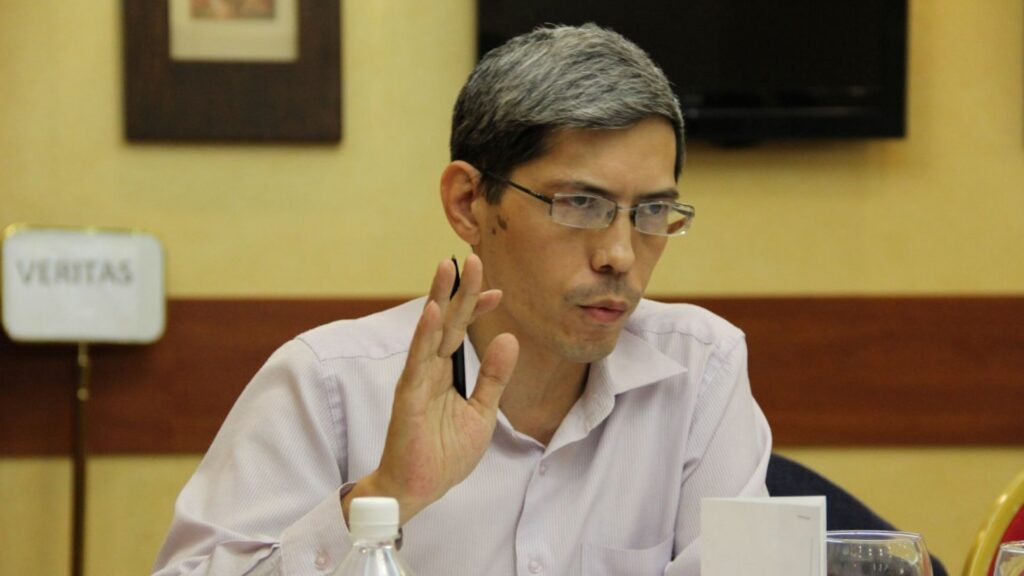
International events where Kazakhstan and Central Asia present their agenda and demonstrate the benefits of predictability bring significant advantages to the region. In an interview with The Times of Central Asia, Kazakh political analyst Zamir Karazhanov explains how the region is gradually changing its approach to addressing key challenges.

According to Karazhanov, Kazakhstan and other Central Asian countries, particularly Uzbekistan, have recently begun positioning themselves on the international stage in a far more pragmatic and modern way.

A prime example is the speech delivered on April 17 by Kazakhstan’s President, Kassym-Jomart Tokayev, at the Antalya Diplomacy Forum in Turkey. Observers noted that Tokayev outlined the role Kazakhstan is seeking to play in the evolving geopolitical landscape. The key message was that global governance is becoming less effective through traditional institutions, while the role of so-called “middle powers” is increasing. These countries may not define the global order on their own, but they are capable of promoting peaceful solutions, engaging in dialogue, and offering predictability.

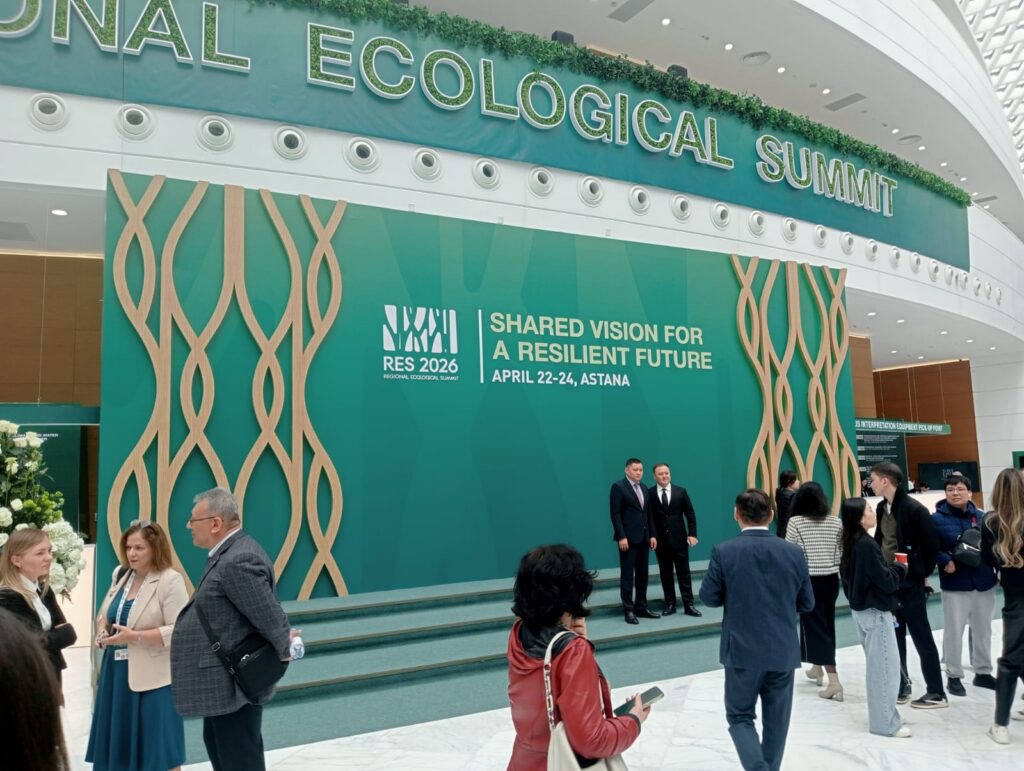
In addition, on April 22, Astana hosted the first Regional Environmental Summit (RES), which brought together around 1,500 participants from Central Asia, the European Union, the Shanghai Cooperation Organization, and the Middle East.

The forum aimed to develop practical solutions to environmental and climate challenges facing both the Eurasia region and the wider world. During the discussions, representatives of Central Asian countries presented a realistic assessment of environmental issues and proposed a number of solutions.

Environmental Threats

Karazhanov noted that Kazakhstan has long faced difficult environmental conditions.

“In addition to urban pollution, we have zones of ecological disaster, such as the Aral Sea. The country [Kazakhstan] hosts numerous extractive industries, and it is landlocked, located deep within the continent. Any environmental catastrophe here would have far more severe consequences than in countries without such constraints. Climate change is intensifying, temperatures are rising, and Central Asia is already experiencing acute water shortages. Without timely measures, the situation could become critical,” he said.

According to him, Kazakhstan has long been dealing with environmental migration and has proactively begun building the necessary legal and social frameworks.

Conflicts over water resources have already occurred in Central Asia. Karazhanov emphasized the importance of including representatives of countries that regulate the region’s water systems in the Astana forum.

“This creates an opportunity for dialogue. Take the example of the two rivers that feed the Aral Sea, the Amu Darya and Syr Darya. At one point, Kyrgyzstan suspended its participation in the International Fund for Saving the Aral Sea because it felt its interests were constrained. It is essential to create a platform where all five countries in the region are satisfied with water distribution,” he said.

He also highlighted Afghanistan as an increasingly important factor that has not been fully accounted for. As the country rebuilds after decades of conflict, its agriculture and other sectors will expand, increasing demand for water from transboundary rivers.

“That is why the summit should be viewed in the broader context of regional development and good neighborly relations, as well as population welfare, agricultural growth, and energy security. In the past, we have seen cases where neighboring countries were on the brink of conflict over water,” Karazhanov added.

A Region of Stability

Amid global turbulence, demonstrating a commitment to peaceful dialogue offers significant advantages for the region.

“Last year, Kazakhstan became the leading destination for investment in Central Asia and also increased its own investments within the region. When we speak about Kazakhstan’s economic potential, we mean that it is the second-largest economy in the post-Soviet space and the largest in Central Asia. Now Kazakhstan is investing in the region itself, helping it reach a new level and increasing its global standing,” Karazhanov said.

He cited Vietnam as an example: today its GDP is twice that of Kazakhstan, yet 40 years ago such progress seemed unlikely. Through reforms, Vietnam has become a respected global player.

The analyst also noted that Uzbekistan, Kyrgyzstan, and even Tajikistan, the region’s poorest country, are strengthening their investment potential, while interest in regional integration continues to grow.

“It is also evident how unstable the world has become. The two largest countries in the region, Kazakhstan and Uzbekistan, are making consistent efforts to avoid being drawn into conflicts. This creates a zone of stability. For years, the countries of the region have invested in maintaining peaceful relations with all partners,” he said.

This stability is increasingly valuable as global logistics routes face disruptions. Karazhanov pointed out that Kazakhstan is already benefiting from the development of the Middle Corridor, with freight volumes continuing to grow.

“This is the result of predictability. No one is at war; no borders are being closed. In conditions of geopolitical uncertainty, this is extremely important. Countries in the region, particularly Kazakhstan and Uzbekistan, are pursuing reforms to enhance their investment and logistics attractiveness. Today, the region’s GDP growth significantly exceeds the global average, reaching 6-7%. With continued reforms, there is potential for rapid growth. Central Asia has all the prerequisites, resources, potential, and a well-educated population. The value of a peaceful and stable region is extremely high,” he concluded.

Russia to Halt Kazakh Oil Flow to Germany, Exposing Europe’s Transit Vulnerability

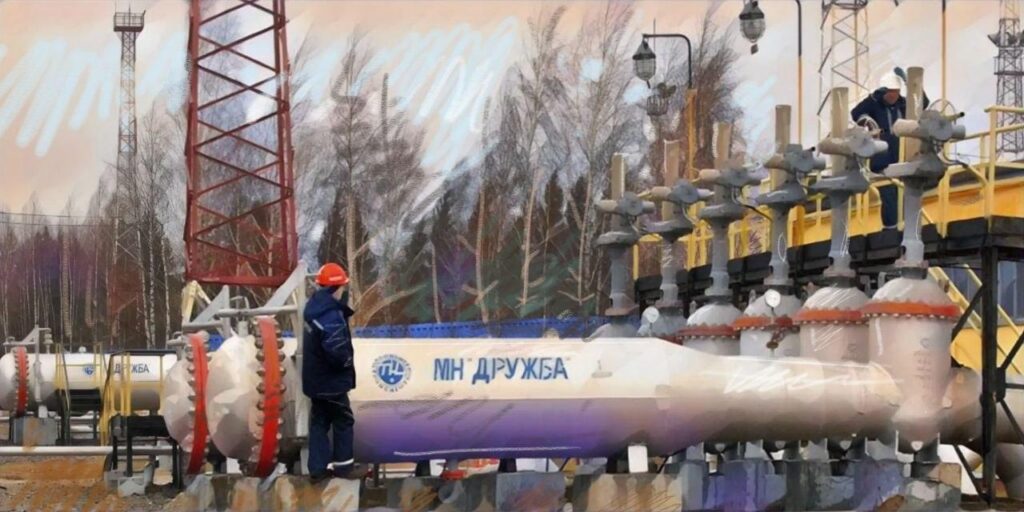
Russia will stop the transit of Kazakh oil to Germany through the Druzhba pipeline from May 1 according to Reuters, disrupting a route that Berlin had built up after ending direct Russian crude imports. The move affects supplies to the PCK refinery in Schwedt, a major fuel plant for Berlin and Brandenburg. Russia’s Deputy Prime Minister Alexander Novak said the change would begin because of “technical possibilities.”

Germany’s economy ministry said Rosneft Germany, which remains under German trusteeship, had informed the Federal Network Agency that transit of Kazakh crude through Russian territory to PCK would be prohibited from that date. The ministry added that the Russian government had not directly notified Berlin. Germany’s economy ministry said the stoppage did not threaten fuel supply and that existing alternatives would be used.

About 17% of PCK Schwedt’s current crude supply comes from Kazakh oil delivered through the Druzhba pipeline. Germany’s economy ministry said that “existing options will be utilized to ensure security of supply in Germany” and that the halt “did not put the security of supply of petroleum products in jeopardy.”

Image: pck.de/

However, the halt still exposes Germany’s reliance on a route that runs through Russia. Schwedt can process up to 12 million metric tons of oil a year and is a major fuel supplier for Berlin and Brandenburg, so any disruption attracts close attention even if replacement volumes can be found elsewhere. Germany has already looked at alternative deliveries through Rostock and Gdansk.

Since 2023, Kazakh crude has reached Germany through Russia and Belarus via the Druzhba pipeline, giving Berlin a non-Russian source of oil and expanding Astana’s role in the European market. But the route still relied on Russian transit approval. The halt comes after two years of growth. Regular deliveries of Kazakh crude to Germany began in 2023, and in October 2025, the supply arrangement was extended through the end of 2026.

Kazakhstan had been planning to expand that trade further. During an April 7 meeting with Bavarian State Minister Eric Beißwenger, Kazakhstan’s Energy Ministry said it aimed to raise oil exports to Germany to 2.5 million tons in 2026. Reuters reported that 2.146 million metric tons were delivered in 2025 and that 730,000 tons were supplied in the first quarter of 2026. KazTransOil has separately published its first-quarter operating results.

Kazakhstan’s Energy Minister Yerlan Akkenzhenov confirmed that Druzhba transit to Germany would be halted. “For May, transit through Atyrau-Samara in the direction of the Druzhba pipeline and further to the Schwedt refinery is zero,” Akkenzhenov stated. He added that the Russian side, according to unofficial information, said it lacked the technical capability to pump Kazakh oil and that this was “most likely” linked to recent strikes on Russian infrastructure. He said transit would resume once the technical issue was resolved.

Kazakh crude sent to Germany through Druzhba first moves via the Uzen-Atyrau-Samara pipeline and then through Transneft’s system to the Adamova Zastava delivery point before reaching Schwedt. The oil is sold as KEBCO, or Kazakhstan Export Blend Crude Oil, and comes from major fields including Tengiz, Kashagan, and Karachaganak.

Russia sent mixed signals before confirming the halt. On April 21, Kremlin spokesman Dmitry Peskov said he was unaware of any plan to halt Kazakhstan’s oil transit to Germany. But just a day later, Novak publicly confirmed that supplies intended for Germany would be diverted elsewhere, leaving Germany to rely more heavily on seaborne alternatives.

The history of the Schwedt link helps explain the halt’s significance. After Russia’s full-scale invasion of Ukraine, Germany moved to replace Russian crude at the refinery, whose majority owner had been Rosneft. Kazakh oil became part of that shift. In March 2023, Germany received 100,000 tons of Kazakh crude through Druzhba, the first shipment under the new arrangement. What began as a workaround became a regular supply route.

That growth now looks less certain. Germany wanted Kazakh oil because it was a politically safer substitute for Russian crude, while the German market offered Kazakhstan a larger European outlet. But the route between those two goals still passed through Russian territory and needed Russian approval. The cutoff does not create an immediate fuel shortage in Germany, but it shows how limited diversification remains when an alternative route still runs through Russia.

The disruption also points to a broader constraint for Kazakhstan. Its oil exports still depend heavily on Russian transit, and there is no quick substitute at the same scale. Routes across the Caspian and through the South Caucasus offer alternatives, but they remain smaller and more complex. Local analysts say the volumes sent to Germany through Druzhba are relatively small in Kazakhstan’s overall export picture, at about 3 million tonnes a year, or roughly 3.7% of total oil exports. But a prolonged suspension could still raise transport costs and uncertainty for exporters.

The May halt goes beyond one refinery and one month’s schedule. Europe can buy Kazakh oil instead of Russian crude, and Kazakhstan can sell more barrels to Europe, but the route between them still runs through Russia. As long as that remains the case, both sides stay exposed to decisions taken in Moscow.