• KGS/USD = 0.01144 0%
  • KZT/USD = 0.00212 0%
  • TJS/USD = 0.10456 0.19%
  • UZS/USD = 0.00008 0%
  • TMT/USD = 0.28490 0%
  • KGS/USD = 0.01144 0%
  • KZT/USD = 0.00212 0%
  • TJS/USD = 0.10456 0.19%
  • UZS/USD = 0.00008 0%
  • TMT/USD = 0.28490 0%
  • KGS/USD = 0.01144 0%
  • KZT/USD = 0.00212 0%
  • TJS/USD = 0.10456 0.19%
  • UZS/USD = 0.00008 0%
  • TMT/USD = 0.28490 0%
  • KGS/USD = 0.01144 0%
  • KZT/USD = 0.00212 0%
  • TJS/USD = 0.10456 0.19%
  • UZS/USD = 0.00008 0%
  • TMT/USD = 0.28490 0%
  • KGS/USD = 0.01144 0%
  • KZT/USD = 0.00212 0%
  • TJS/USD = 0.10456 0.19%
  • UZS/USD = 0.00008 0%
  • TMT/USD = 0.28490 0%
  • KGS/USD = 0.01144 0%
  • KZT/USD = 0.00212 0%
  • TJS/USD = 0.10456 0.19%
  • UZS/USD = 0.00008 0%
  • TMT/USD = 0.28490 0%
  • KGS/USD = 0.01144 0%
  • KZT/USD = 0.00212 0%
  • TJS/USD = 0.10456 0.19%
  • UZS/USD = 0.00008 0%
  • TMT/USD = 0.28490 0%
  • KGS/USD = 0.01144 0%
  • KZT/USD = 0.00212 0%
  • TJS/USD = 0.10456 0.19%
  • UZS/USD = 0.00008 0%
  • TMT/USD = 0.28490 0%

The Onset of “Friend-Shoring” in Central Asia

As Central Asia’s significance for global supply chains grows, the world’s major economic powers are seeking closer economic ties with the region’s countries. China, Russia, and the West all curry favor through investments and initiatives to bolster the region’s exports and secure their supply chains.

Bordering China and Russia, Central Asia spans a land surface area corresponding to 87% the size of the entire European Union (EU). The region has a combined market of 76 million people and gross domestic product of 450 billion U.S. dollars. It is critical to global energy supply chains as it possesses 20% of the world’s uranium reserves, as well as 17.2% of total oil and 7% of natural gas deposits. Kazakhstan produces over half of the EU’s critical raw materials,  i.e. substances used in technology which are subject to supply risks and are hard to replace with substitutes. In the first seven months of 2024, rail cargo across the Middle Corridor, a trans-Caspian trade route linking China to Europe, has increased 14-fold compared to the same period last year.

As the region opens up and undergoes significant economic transformation, supply chains are increasingly directed there, sparking competition for control over its vast natural resources and production capabilities. Major economic powers are stepping in to strengthen bilateral ties to ensure reliable trade partnerships. These strategies, known as “friend-shoring,” aim to reduce geopolitical risks, enhance supply chain stability, and transform Central Asian countries into trusted allies by fostering strong bilateral relationships and deeper economic ties.

China and Russia remain at the helm of regional activity

China has been actively engaging with Central Asian countries through strengthening economic ties and building strategic partnerships. Through the Belt and Road Initiative (BRI), which aims to enhance infrastructure and trade connectivity across the region, China has helped strengthen the region’s rail network. China supplies equipment and invests in Uzbekistan’s electric vehicles, scooters, and leather production. Uzbekistan, in partnership with PowerChina and Saudi company ACWA Power, is also constructing the country’s first green hydrogen plant. Kyrgyzstan’s bilateral trade with China was up 30% in 2023 compared to 2022. This year, Turkmenistan has surpassed Russia in gas exports to China. In 2023, Kazakhstan’s agricultural exports to China doubled to $1 billion compared to 2022, making China the largest importer of agricultural products from the country.

Historically, Russia has been a major trading partner for Central Asian countries due to the Soviet legacy of a command economy, which established strong economic interdependencies that persisted in post-USSR period. While the region is aggressively diversifying its trade relationships, Russia is increasing gas supplies and energy infrastructure investments, specifically in renewables and nuclear facilities. Kazakhstan delivers most of its oil to Europe through Russia.

Russian-led organizations, including the Eurasian Economic Union (EAEU) and the Commonwealth of Independent States (CIS), promote cooperation and economic integration with free movement of goods, services, and capital among member states.

Russia’s war against Ukraine has disrupted supply chains, but it has also opened up new trade opportunities, especially for Kazakhstan, as Western companies look for alternatives to conducting business in Russia. In 2022, over 50 international companies relocated to Kazakhstan.

Are the EU and the U.S. doing enough to catch up?

The EU is turning to partner countries in Central Asia to provide critical imports as a way to lessen its riskier dependencies (such as on Russian supplies). Various initiatives by the EU, Germany, France and the United Kingdom are working with Kazakhstan to further the green transition through harvesting critical raw materials (CRMs), green hydrogen and battery components to further the green transition. The EU is cooperating with Uzbekistan in the field of CRM development, as well as the import of green energy.

The European Union’s Generalized System of Preferences Plus (GSP+) program strengthens ties with developing countries with relatively low incomes through trade incentives. As beneficiaries of this program, Uzbekistan and Kyrgyzstan have gained better access to the EU market via tariff reductions, most notably on exports of food, chemicals and textiles.

Unlike China, Russia, and Europe, the U.S. lacks state-backed companies to carry out its trade and investments. However, a Chevron-Exxon project in Kazakhstan, budgeted at $48.5 billion, is by far the largest private sector investment in the region.

Like China and Europe, the U.S. is also interested in developing and sourcing Central Asia’s critical materials deposits. In February 2024, the U.S. Department of State hosted the inaugural meeting of the C5+1 Critical Minerals Dialog (CMD) which aims to increase the region’s involvement in global critical minerals supply chains and strengthen economic cooperation.

Kazakhstan, Kyrgyzstan, and Uzbekistan participated in the U.S. Generalized System of Preferences (GSP), the largest and oldest U.S. trade preference program, until it expired on December 31, 2020. It fosters bilateral partnerships by promoting economic development through duty-free imports of thousands of products into the U.S. The program’s renewal is currently pending action by the U.S. Congress. Unlike the EU’s GSP+, the U.S. version supports trade in goods that are produced less domestically, emphasizing areas of comparative advantage. It also encourages “friend-shoring,” i.e., aiming to build robust supply chains with allied nations, thereby reducing reliance on rivals for essential materials.

During a recent Senate Finance Committee hearing, U.S. Sen. Mike Crapo (R-Idaho) underscored the consequences of not renewing GSP: “For the United States, they [programs such as GSP] can help facilitate equitable market access and, strategically, help partners become more competitive vis-à-vis China”. In Central Asia, the U.S. has partners as well as a strategic need to source critical materials and diversify away from rivaling states such as Russia and China.

A strategic contest

Friend-shoring in Central Asia represents a strategic contest over the region’s natural resources. As the countries of Central Asia seek to diversify their partnerships and engage with multiple countries, businesses from nations that actively reduce trade barriers (such as tariffs) and maintain favorable diplomatic relations with these countries will have a competitive edge in the region. Strengthening bilateral trade ties with Central Asia offers significant benefits for global supply chains, while neglecting these relationships could result in substantial economic and strategic losses.
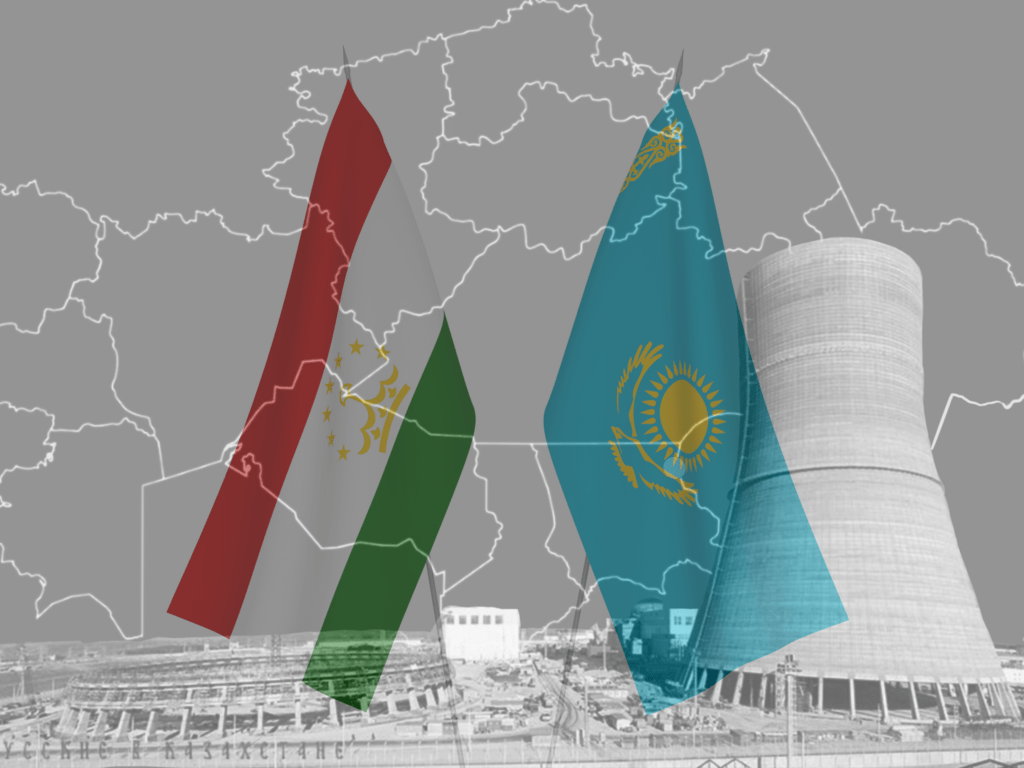

Why Does Energy-Rich Kazakhstan Want Tajikistan’s Uranium?

Despite having significant uranium resources, Tajikistan does not plan to build a nuclear plant anytime soon, if it all. Quite aware of that, Kazakhstan – Dushanbe’s ally in the Russian-dominated Collective Security Treaty Organization (CSTO) – is reportedly eyeing Tajikistan’s uranium. But why?

“I would rather earn a profit from the resources of others than my own,” John D. Rockefeller, a prominent industrialist, is often paraphrased as saying. Policymakers in Astana could soon begin implementing such a strategy in regard to uranium.

Kazakhstan is the largest producer of natural uranium worldwide. In 2022, the energy-rich nation produced the largest share of uranium from mines (43% of world supply), followed by Canada (15%) and Namibia (11%) (ref). In spite of that, Astana could eventually start purchasing the radioactive element from Tajikistan.

On August 22, following Kazakh President Kassym-Jomart Tokayev’s visit to Dushanbe, the Tajik Rare-Earth Metals Company, TajRedMet, and Kazakhstan’s national atomic company, Kazatomprom, signed a memorandum of understanding and cooperation in the extraction and processing of uranium and rare-earth metals. Signing such a protocol aligns with Astana’s ambitions to build a nuclear power plant in the country. In that context, Kazatomprom – the world’s largest uranium producer – is likely seeking to play an active role in producing uranium fuel for the proposed nuclear plant.

Given the global resurgence of nuclear energy and the ensuing “race for uranium,” Kazatomprom is keen to assess the current status of Tajikistan’s uranium reserves, and, if feasible, expand its resource base. Uranium is considered one of the main natural resources of Tajikistan. It is believed that the first atomic bomb developed by the Soviet Union contained raw materials from Tajikistan. But after the collapse of the USSR, uranium mining was curtailed in the mountainous country.

According to various estimates, 14% of the world’s reserves of uranium are located on the territory of the landlocked country of around 10 million people. But compared to other nations, Tajikistan does not have significant uranium mining operations, meaning its uranium deposits remain underdeveloped. However, the fact that Russian companies are interested in exploration and mining of uranium in the Tajikistan suggests that Kazatomprom might have serious competition. It is entirely possible that other foreign corporations will also eventually join the “race for uranium” in Tajikistan.

Meanwhile, Kazakhstan will almost certainly be inclined to consolidate its own uranium market. In terms of uranium production in the largest Central Asian state, the Russian State Nuclear Energy Corporation Rosatom is the leader due to its shares in five enterprises operating in Kazakhstan. Since Astana aims to develop closer ties with the West, it is no surprise that France is looking to strengthen its position in the energy-rich country, particularly in its nuclear and uranium sectors.

Russia and China are unlikely to give up easily on their ambitions to preserve their influence in the Central Asian nation, however. In 2022, Kazakhstan exported around half of its uranium to China. From January to October 2023, Astana shipped uranium worth $922.7 million to the People’s Republic, while over the ten months of 2023, Kazakh uranium exports to Russia reached $1.2 billion. Thus, due to its proximity to Moscow and Beijing, Kazakhstan will likely remain in Russia’s and China’s geo-energy orbit for the foreseeable future.

That, however, will not prevent Astana from developing its nuclear sector.

“Kazakhstan is a uranium producing and exporting country, so we are obliged to use this advantage to the maximum,” Kazakhstan’s Vice-Minister of Energy, Sungat Yessimkhanov said on April 16.

The problem for Kazakhstan is that out of the 14 uranium mining companies in the country, only two are 100% owned by Kazatomprom. Almost half of Kazakhstan’s uranium is reportedly extracted by foreign companies. Since Kazakhstan, unlike Tajikistan, aims to advance its nuclear capabilities and potentially build a nuclear power plant, it will need to secure a sufficient supply of uranium for this purpose. In other words, if Astana continues exporting all the uranium it produces, it will potentially have to import the element from Tajikistan to make its nuclear power plant feasible.

A referendum on the construction of the nuclear power plant is planned to take place on October 6. This decision reflects the government’s push to address the country’s growing energy needs, although the issue remains sensitive as a consequence of the painful history of the Semipalatinsk nuclear test site in northeastern Kazakhstan, where more than 450 nuclear tests were carried out during the Soviet period. Despite the site’s closure in 1991, its effects continue to resonate strongly with the local population.

However, recent opinion polls suggest that a majority of respondents (53.1%) support building a nuclear power plant. Therefore, it is highly probable that referendum will succeed, and Kazakhstan will soon acquire a strategically important nuclear facility, the construction of which may cost up to $15 billion.

As to who will build the nuclear power plant – whether Rosatom, Chinese or Korean companies, or Western corporations – this is another sensitive and serious geopolitical issue.

Kashagan LPG to Fuel Kazakhstan’s Domestic Market

The Ministry of Energy of Kazakhstan announced on September 4 that following the negotiations between the partners of the North Caspian Project and Kazakhstan’s national gas company QazaqGaz, with the participation of the Ministry of Energy of Kazakhstan, an agreement had been signed regarding the sale and purchase of liquefied petroleum gas (LPG) from Kazakhstan’s Kashagan oil field.

The North Caspian Project was developed under the North Caspian Sea Production Sharing Agreement signed in 1997, by Kazakhstan and an international consortium including KazMunayGas (16.88%), Eni (16.81%), Shell (16.81%), ExxonMobil (16.81%), TotalEnergies (16.81%), CNPC (8.33%), and INPEX Ltd (7.56%).

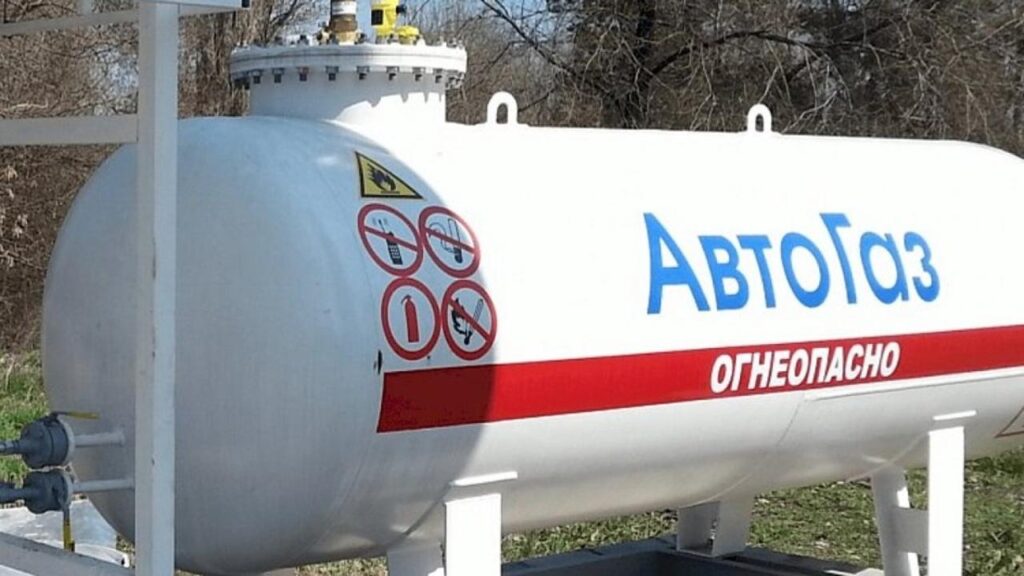
The move comes amid the increasingly high demand for LPG, which cheaper than gasoline, is the most popular and economical fuel amongst Kazakhstan’s vehicle owners. According to the agreement, supplies of LPG from Kashagan will be released at the end of 2025 and by 2027, on completion of work on the infrastructure, reach over 700,000 tons per year.

The Ministry of Energy believes that supplies from Kashagan will help reduce the chronic shortage of LPG in Kazakhstan, and positively impact the socio-economic situation in the country’s regions. As recently reported  by The Times of Central Asia, supplies have long failed to meet demand.

In July, Kazakhstan’s Minister of Energy, Almasadam Satkaliyev, stated that in 2023, Kazakhstan had 582,000 motor vehicles running on LPG, an 18% increase compared to 2022 (491,000), resulting in a rise in consumption by 400,000 tons, or 28%. Last year, LPG consumption volumes amounted to 2.2 million tons compared to 1.8 million in 2022, and according to analysts, may increase this year by a further 200 thousand tons and reach 2.4 million annually.

According to the Minister, Kazakhstan produced 1.6 million tons of LPG in 2023 and plans the same volume for 2024.

Uzbekistan and Bulgaria to Increase Middle Corridor Freight Transport

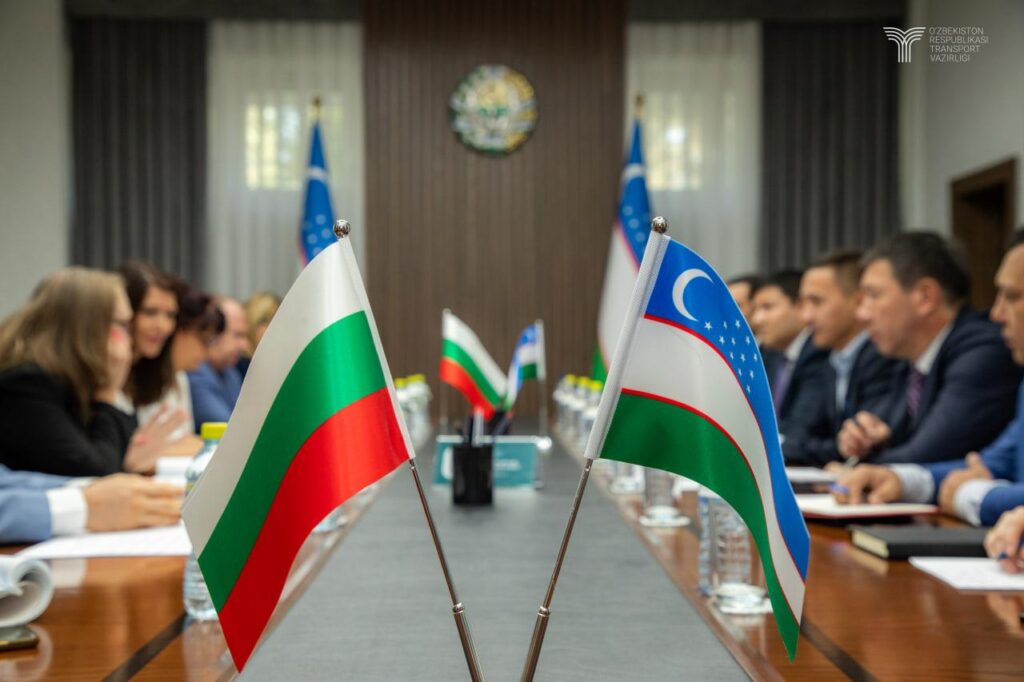
On 3-4 September, the Uzbek-Bulgarian Commission on International Road Transport met in Tashkent to discuss expanding bilateral cooperation in international freight transport by road and creating more favorable conditions for national carriers from both countries.

As reported by the Uzbek Ministry of Transport, the agenda focused on increasing the volume of freight traffic to EU countries via Bulgaria, using the Trans-Caspian International Transport Route (TITR), also known as the Middle Corridor, which connects China and Europe via Central Asia and the Caucasus.

After the meeting, the parties exchanged additional permit forms for trucks entering their countries for the remainder of 2024, and agreed to increase the issue of mutual permit forms 15-fold in 2025.

The Uzbek Ministry added that to enhance cargo transportation to EU countries, an agreement had been made with Romania to waive the requirement of permits from April 1, 2024.

Mehrdad Mozart : A Model’s View of Kazakhstan’s Fashion Industry

Kazakhstan’s fashion industry is rapidly growing, and increasingly, attracting global attention. Within its dynamic environment, new faces, talented designers, and unique projects are emerging which promise to elevate its international status.

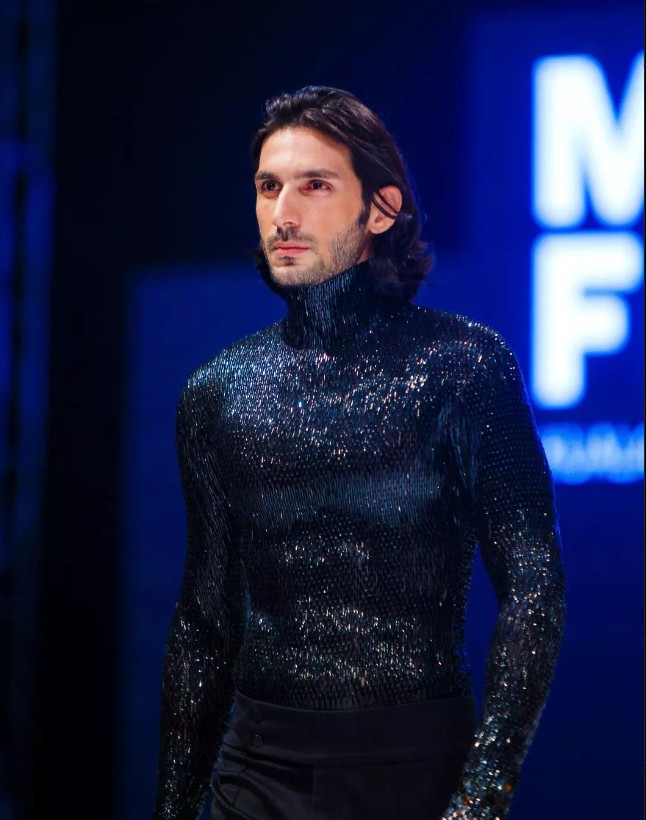
One such talent is Mehrdad Mozart, a professional model with a wealth of international experience, now living and working in Kazakhstan. Originally from Iran, Mehrdad has enjoyed a chequered career from playing in a rock band to hosting radio & TV shows, and from acting in commercials and movies to judging modeling and talent shows. A model since 2009, he has worked with several global brands including Dolce & Gabbana, Versace and Gucci, and has mentored young people entering the profession.

In an exclusive interview with TCA, Mehrdad spoke about his modeling career, his perception of the fashion industry in Kazakhstan, and his personal aspirations.

photo: mehrdadmozart.com -Mehrdad Mozart

TCA: What inspired you to enter the fashion industry?

I think the allure of fashion itself inspired me. I used to get lost in magazines, dreaming of becoming a model and representing high-end brands. Fashion TV became a regular escape, where I absorbed every detail and admired the work of iconic male models like David Gandy, Sean O’Pry, and Tyson Beckford.The influence of legendary brands like Tom Ford, Dior, Hermès, Burberry, and D&G played a huge role in shaping my aspirations. They were the very definition of style and sophistication, fueling my desire to be a part of that world.

TCA: How did you get into modeling? 

My modeling career began when I moved to Malaysia. I didn’t have a portfolio or any connections, so I joined a Facebook group for talents, most of whom were working as extras in films and commercials. That gave me my first break and after a slow start, my modest portfolio eventually caught the attention of talent directors, photographers, stylists, and then, modeling agencies.

TCA: What challenges have you had to overcome to get to where you are now?

In the beginning, breaking into the industry was challenging. I faced constant rejections from modeling agencies, had no connections, and had to deal with criticism. Staying in shape required intense discipline, and coping with the competitive, high-pressure environment was tough. Unfortunately, diversity remains a significant issue in the fashion world. Middle Eastern models, in particular, encounter additional barriers, making it even more difficult to succeed. Given these challenges, perseverance and determination proved essential to navigating and eventually thriving in this demanding industry.


photo:mehrdadmozart.com -the catwalk


TCA: You now live in Kazakhstan: What are your initial impressions of its fashion industry?

I had heard of renowned Kazakh designers such as Aigerim Akenova and Aida Kaumenova. However, when I first arrived in the capital city, Astana, the fashion scene  still felt fairly underdeveloped, with little activity apart from the odd fashion show or commercial shoot. Almaty however, is a different story. The fashion industry here is vibrant and rapidly expanding. Since moving to the city, I’ve become acquainted with other incredibly talented local designers and brands, including Zhsaken, Abzal Seidin, Rassul Social, Zardozi and Howe. Within a short time, I’ve worked on several projects, which illustrates Almaty’s dynamic and active approach to fashion.

TCA: How do fashion and modeling in Kazakhstan compare with other countries where you have worked?

The development of contemporary fashion in Kazakhstan has been slower than elsewhere, perhaps due to the country’s smaller population, location and environment. However, despite being a smaller, the market is thriving. Many local brands are high-quality and have garnered a strong fan base. I recently attended the latest Visa Fashion Week in Almaty which was exceptionally well-executed. People in Kazakhstan, especially the younger generation and Kazakh women, are highly attentive to their appearance and style. Kazakh fashion is most definitely on the rise.

TCA: How would you rate commercial advertising in Kazakhstan?

Based on personal experience, the advertising industry in Kazakhstan seems more advanced than the fashion sector. Local productions on which I’ve worked, have been that handled with impressive professionalism, from makeup and wardrobe, to set design and equipment, and with a level of expertise on par with projects I’ve done in Southeast Asia. The creativity and execution of concepts in Kazakh advertising are particularly noteworthy, making it a strong and competitive industry that’s ahead of fashion in terms of development and influence.

TCA: What trends in fashion and advertising in Kazakhstan inspire or surprise you?

Kazakh people have a strong love for their culture, and it’s inspiring to see that reflected in fashion where traditional elements are blended with modern design. Events like Central Asia Fashion and Visa Fashion Week in Almaty are great platforms for local designers to showcase their work and connect with international markets. In advertising, there’s a clear focus on building emotional connections between brands and consumers, and I see a lot of creativity here that again, resonates with local culture.

TCA: Is there potential for wider, international recognition of Kazakhstan’s fashion industry?

Absolutely; especially with regard to the growing global interest in diverse and unique cultural aesthetics. Partnering with well-known international designers or brands, and regularly participating in major fashion weeks like Paris, Milan, and New York, will help Kazakh designers gain more visibility and credibility. Incorporating traditional elements, such as textiles and craftsmanship, into modern designs can create a distinct identity. However, to secure international recognition for Kazakh designers and exploit their full potential, more investment and attention is required from both the government and the industry in improving the infrastructure, international trade, and training.

TCA:  Do you have any specific projects that you would personally like to realize in Kazakhstan? 

When I first arrived in Astana, I thought about starting my own fashion academy, but given the weak industry there, it didn’t make sense. Now that I’m in Almaty, I’m gathering information to see whether it’s feasible here. If so, I plan to run a modeling agency alongside the academy.

TCA: What advice do you have for young designers and models starting out in the fashion industry in Kazakhstan?

 To young models, I’d say be punctual, well-prepared, and have a strong work ethic and positive attitude. Remember your reputation travels faster than you can imagine in the fashion industry! Don’t be afraid of criticism or rejection and don’t give up at the first hurdle. Invest in a good portfolio: Your portfolio is your brand, your loudest voice in a crowded competitive environment. Attend events, castings, and fashion shows, and take good care of your health, both body and mind.

To young designers, I suggest thinking internationally while embracing your Kazakh culture to create a unique identity. It’s great to be inspired by others, but your work should be distinctive at first glance. Collaboration can open up opportunities. Use high-quality materials to gain credibility, and attract a loyal customer base for they’ll be your best word-of-mouth form of advertising. Do not forget that the fashion industry is constantly evolving, so stay informed about global trends, be adaptable, and always open to learning new skills and techniques.

 TCA: Finally, at this stage in your career, what are your future goals?

One of my key aspirations is to act in movies here in Kazakhstan. It’s a significant item on my bucket list and I am confident that with dedication and hard work, I will have the opportunity to contribute to the country’s vibrant and growing film industry.

Central Asian Police and Prosecutors Follow the Money

Gathering intelligence on money laundering and terrorist financing is just one step for authorities trying to crack down on those crimes. Transforming the intelligence into courtroom-ready evidence is just as vital.

That challenge was the focus of a European Union-led workshop in Türkiye this week that drew more than 50 judicial and law enforcement officials, many of them from Central Asian countries. The prosecutors, police and financial intelligence experts discussed asset confiscation and forfeiture, mutual legal aid, open source intelligence and parallel financial investigations, which amount to following the money while separate criminal probes are underway.

“The need to ensure the conversion of financial intelligence into admissible evidence in court is paramount, as it is the step that allows countries to prevent, detect and better prosecute criminals involved in financial crimes,” David Hotte, team leader at the EU Global Facility on money laundering and terrorism financing. The EU project and Türkiye´s financial intelligence unit, which is part of the Ministry of Finance, organized the workshop in Ankara, the Turkish capital. It ended Wednesday.

The participants were from Kazakhstan, Kyrgyzstan, Tajikistan, Turkmenistan, Uzbekistan, Azerbaijan, Georgia and Somalia.

In recent years, Kazakh authorities have pursued an international campaign to recover assets that they say were stolen and moved abroad. Last month, Kazakh authorities said they had completed an investigation into the case of a nephew of former president Nursultan Nazarbayev and that the equivalent of $1.6 billion worth of assets had been returned to the state.

The United Nations Office on Drugs and Crime is also helping Central Asia with efforts against financial crimes. In April, it hosted a training session on money laundering for prosecutors, judges and financial investigators in Kyrgyzstan. Similar workshops have been held in Uzbekistan and Kazakhstan.

Some civil society groups in Central Asia say their governments could do a lot more to ensure budget transparency and curb violations of financial legislation.

A 2023 index compiled by Transparency International ranks countries by perceived levels of public sector corruption – 0 is very corrupt and 100 is very clean. Kazakhstan scored 39, followed by Uzbekistan (33), Kyrgyzstan (26), Tajikistan (20) and Turkmenistan (18).

The index scores are based on at least three “data sources” drawn from 13 different corruption studies and collected by institutions including the World Bank and the World Economic Forum, according to Transparency International.