Opinion: Hormuz Crisis Pushes Afghanistan Aid Routes Toward Central Asia
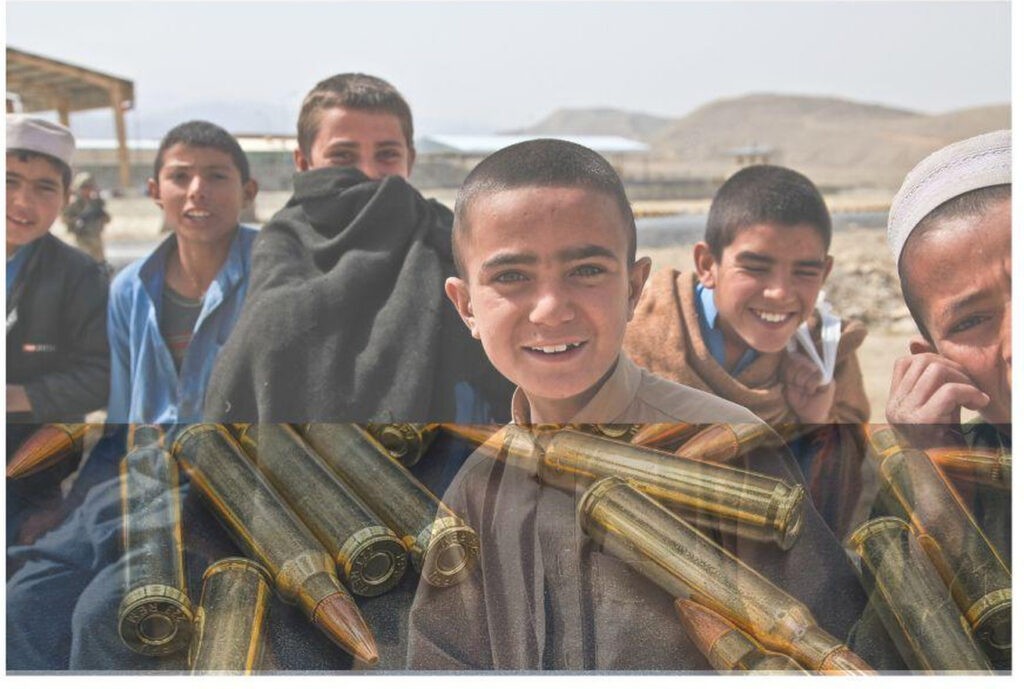
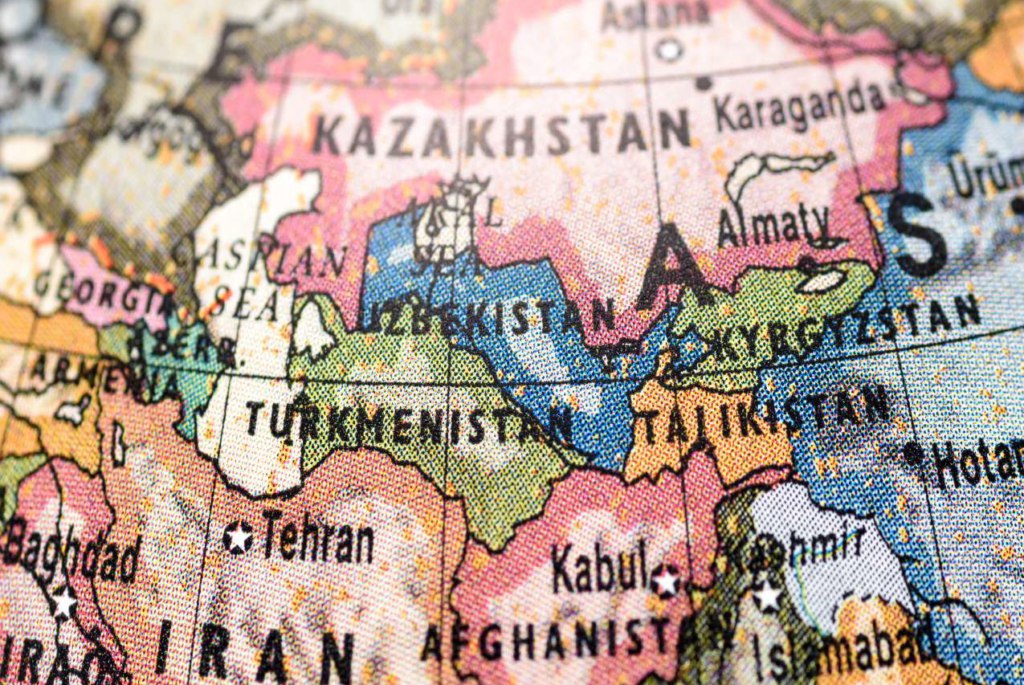
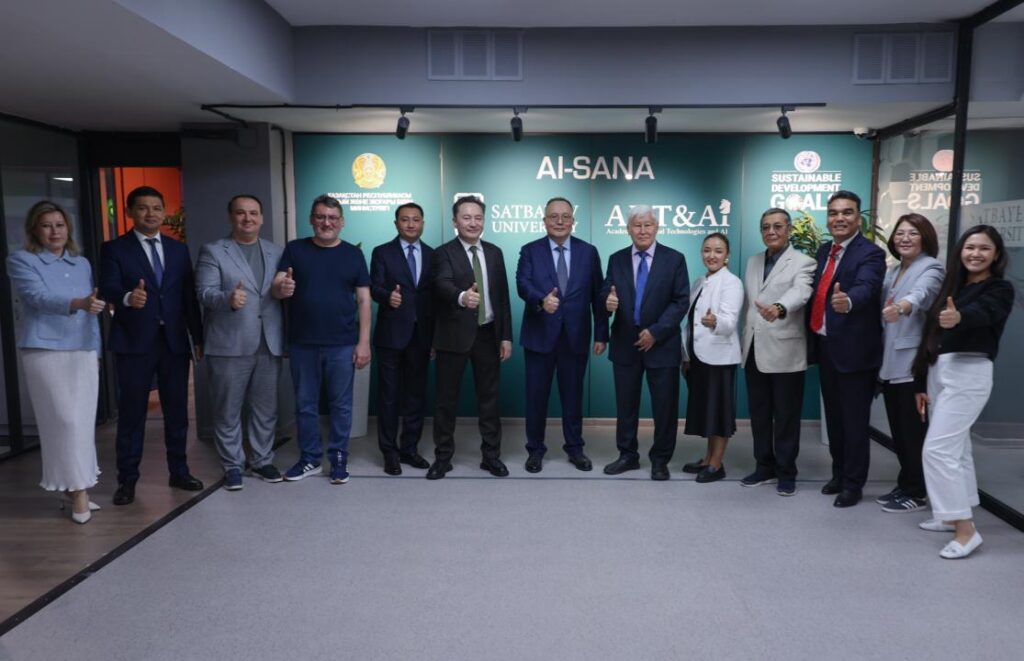
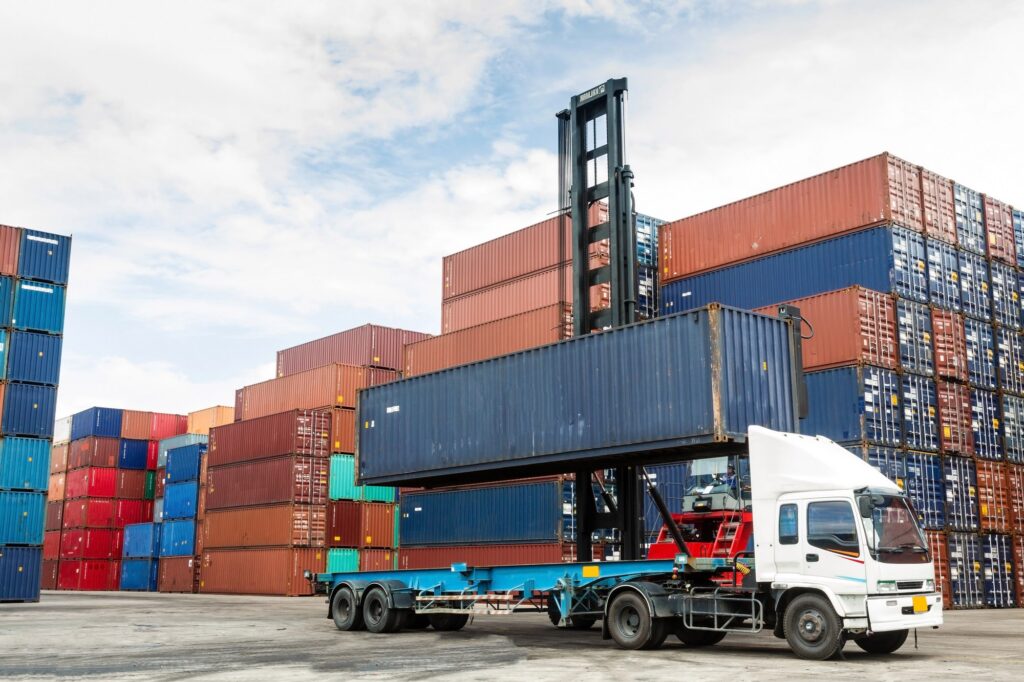
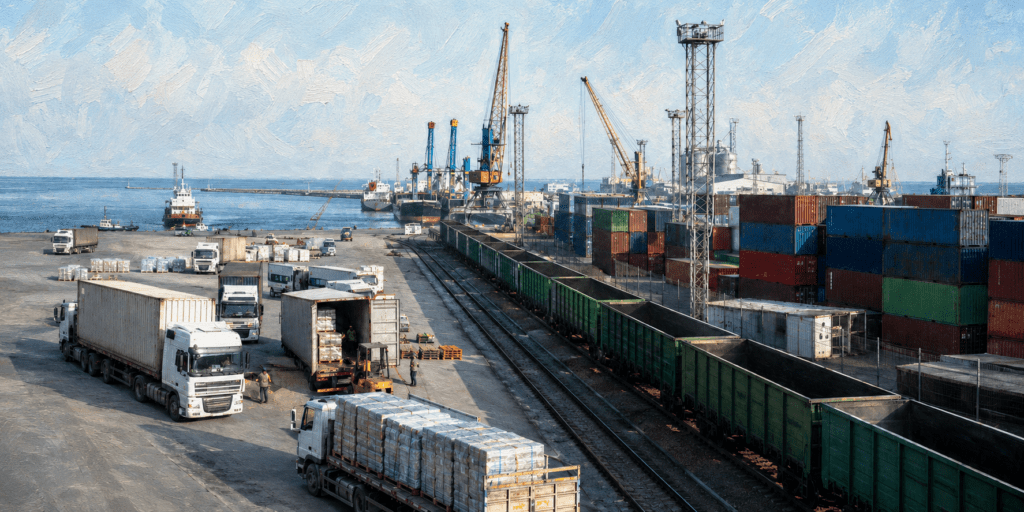
The crisis surrounding the Strait of Hormuz is usually viewed through the lens of energy security or military escalation. But it also has another, less visible, humanitarian dimension. A recent article in The Guardian, “Calls for humanitarian corridor through Strait of Hormuz as Iran war hits vital aid,” points to a critical shift: because of the conflict involving the United States, Israel, and Iran, along with instability around Hormuz, traditional humanitarian supply routes are beginning to break down. For Afghanistan, this is no longer a theoretical concern but an operational reality. According to the World Food Programme (WFP), cited by The Guardian, the cost of delivering food to Afghanistan has tripled. Cargo that previously moved by sea through Hormuz and onward to Pakistani ports must now travel overland across multiple countries, adding weeks to delivery times. The consequences are felt most acutely by vulnerable populations, particularly children. Predictability is one of the core requirements of any humanitarian system, and that predictability is now disappearing. Some shipments are stranded in regional hubs. Routes are constantly changing. Fuel costs continue to rise. Even modest increases in oil prices significantly raise operational expenses for humanitarian agencies. For Afghanistan, the implications are severe. The country has been in a prolonged food crisis for several years, with millions dependent on external aid. Delays of even one or two weeks can directly affect malnutrition and mortality rates. According to United Nations estimates, around 3.7 million Afghan children are currently suffering from wasting, nearly one million of them from severe wasting, a condition associated with sharply elevated mortality risks. UNICEF estimates that in 2026 alone, 1.304 million children aged 6-59 months will require treatment for acute malnutrition, including severe cases and other high-risk groups. Another 1.2 million pregnant and breastfeeding women are also suffering from acute malnutrition. Under these conditions, even temporary disruptions in aid deliveries become a direct threat to human life. The situation is being compounded by several overlapping factors. First, instability around the Strait of Hormuz has made maritime routes both more expensive and riskier. Second, the Pakistani corridor, previously the main overland route, has become unreliable, as repeated border closures and restrictions have tied humanitarian deliveries to the fluctuating political and security relationship between Kabul and Islamabad. Third, Iran has imposed restrictions on food exports and has itself become part of the conflict zone, undermining its role as both a supplier and transit route for Afghanistan. Together, these developments are creating what can be described as a “triple crisis” for humanitarian logistics into Afghanistan. The previous aid delivery system is effectively ceasing to function. In response, the WFP is restructuring its logistics network. One solution has been increased use of the Lapis Lazuli Corridor: Turkey-Georgia-Azerbaijan via the Caspian Sea-Turkmenistan and Afghanistan. Although this route is longer and more expensive, it offers predictability and an alternative to disrupted maritime pathways. The key issue is no longer which route is cheapest, but which is reliable. This shift places Central Asia increasingly at the center of regional humanitarian logistics. Until recently, overland routes through Central Asia were seen as secondary options, unable to compete with maritime shipping in terms of speed or cost. That equation is now changing. Reliability is becoming more important than speed, and land corridors through Central Asia are beginning to look less like alternatives and more like necessities. The region already possesses much of the infrastructure needed to support humanitarian transit. Ports on the Caspian Sea in Kazakhstan and Turkmenistan provide multimodal transport connections. Rail networks link Central Asia with Afghanistan through Uzbekistan and Turkmenistan. The city of Termez in Uzbekistan has long served as a key logistical hub for northern Afghanistan. Importantly, Central Asian states are not directly involved in the conflict around Hormuz, making them more practical partners for international organizations. The infrastructure already exists; what is needed is adaptation and expansion rather than construction from scratch. Regional roles are already beginning to emerge. Kazakhstan could serve as a northern entry point via the Caspian and rail corridors connected to China. Uzbekistan may become the principal overland hub through which humanitarian aid enters Afghanistan. Turkmenistan offers the shortest route into western Afghanistan. Despite this potential, significant obstacles remain. High rail tariffs and port fees could make the corridors prohibitively expensive. Customs procedures continue to increase delays and uncertainty. Moreover, Central Asian countries still tend to develop logistics strategies independently, while regional coordination remains limited. The most serious issue is the absence of a stable regional mechanism specifically designed for humanitarian logistics. In this context, the newly established UN Regional Centre for the Sustainable Development Goals for Central Asia and Afghanistan in Almaty could take on increased significance. Formally, its role is to coordinate UN activities in Central Asia and engage with Afghanistan. But under current conditions, its potential could expand far beyond development coordination. If the crisis around Hormuz leads to a long-term restructuring of logistics networks, the region will require not only alternative routes but also a center capable of coordinating them. Almaty already possesses several advantages: geographic proximity to key transport corridors, developed infrastructure, and a strong presence of international organizations. This creates the possibility of transforming the UN regional office into a broader coordination hub responsible for harmonizing humanitarian routes, facilitating cooperation with regional governments, coordinating with the WFP and donor agencies, and helping establish unified transit rules for humanitarian cargo. Rather than creating an entirely new institution, such a system could evolve organically around existing UN structures. That is what makes Almaty not simply a convenient location, but a potential center of a new humanitarian logistics architecture. The views expressed in this article are those of the author and do not necessarily reflect the official policy or position of the publication, its affiliates, or any other organizations mentioned.
SelectUSA Investment Summit: U.S.-Kazakhstan Trade and Investment Relations on the Rise
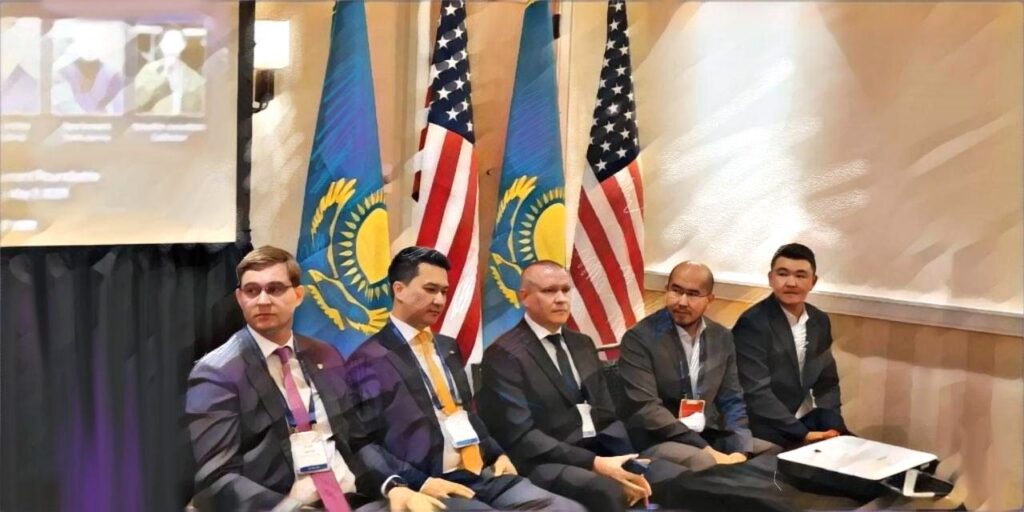
Despite global economic headwinds and ongoing conflict in the Middle East, Kazakhstan is doubling down on its efforts to deepen commercial ties with the United States, an ambition on full display at this year’s SelectUSA Investment Summit in National Harbor, Maryland, near Washington, D.C.
The annual forum, organized by the U.S. Department of Commerce, serves as the U.S. government’s flagship platform for attracting foreign direct investment. While SelectUSA is designed to attract foreign direct investment into the United States, Kazakhstan’s presence also reflects a broader shift: Kazakhstani companies are increasingly looking for ways to enter and scale in the U.S. market.
[caption id="attachment_48403" align="aligncenter" width="1280"]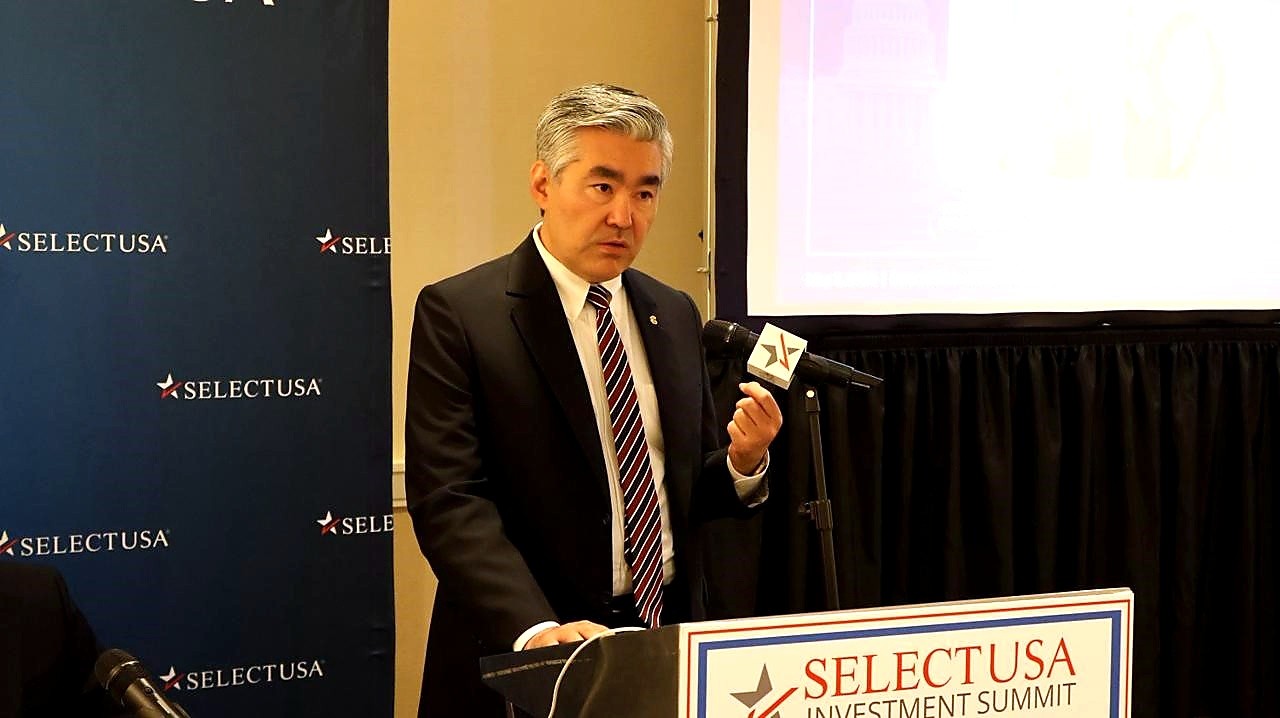 Magzhan Ilyassov, Ambassador of Kazakhstan to the U.S. - image: TCA[/caption]
“Kazakhstan views the United States not only as a strategic partner, but as an emerging priority destination for long-term investment and technological collaboration,” said Magzhan Ilyassov, Kazakhstan’s ambassador to the United States. “One of our missions is to facilitate collaboration for Kazakh companies to enter the American market while strengthening bilateral trade and innovation ties.”
That vision is being driven in large part by Kazakhstan’s private sector. “We already have a significant number of companies operating in the U.S. market, including in fintech and construction,” said Timur Turlov, founder and CEO of Freedom Holding Corp. “We have learned how to meet international standards, and the products being developed within our ecosystems today are becoming truly global. I genuinely believe that our competitiveness has grown, and our business culture has matured. We are now going to see many more success stories of our companies expanding beyond Kazakhstan.”
SelectUSA says its investment summit has helped generate more than $250 billion in new U.S. investment projects, supporting more than 125,000 jobs across the United States and its territories.
This year marked a milestone in that evolving relationship. Kazakhstan became the first country from Central Asia and the South Caucasus to host an investment and trade roundtable at SelectUSA. The roundtable, focused on “Strategic Sectors and U.S. Market Entry Opportunities,” brought together government officials, investors, and business leaders, underscoring Kazakhstan’s transition from participant to initiative-taking player within SelectUSA.
[caption id="attachment_48401" align="aligncenter" width="833"]
Magzhan Ilyassov, Ambassador of Kazakhstan to the U.S. - image: TCA[/caption]
“Kazakhstan views the United States not only as a strategic partner, but as an emerging priority destination for long-term investment and technological collaboration,” said Magzhan Ilyassov, Kazakhstan’s ambassador to the United States. “One of our missions is to facilitate collaboration for Kazakh companies to enter the American market while strengthening bilateral trade and innovation ties.”
That vision is being driven in large part by Kazakhstan’s private sector. “We already have a significant number of companies operating in the U.S. market, including in fintech and construction,” said Timur Turlov, founder and CEO of Freedom Holding Corp. “We have learned how to meet international standards, and the products being developed within our ecosystems today are becoming truly global. I genuinely believe that our competitiveness has grown, and our business culture has matured. We are now going to see many more success stories of our companies expanding beyond Kazakhstan.”
SelectUSA says its investment summit has helped generate more than $250 billion in new U.S. investment projects, supporting more than 125,000 jobs across the United States and its territories.
This year marked a milestone in that evolving relationship. Kazakhstan became the first country from Central Asia and the South Caucasus to host an investment and trade roundtable at SelectUSA. The roundtable, focused on “Strategic Sectors and U.S. Market Entry Opportunities,” brought together government officials, investors, and business leaders, underscoring Kazakhstan’s transition from participant to initiative-taking player within SelectUSA.
[caption id="attachment_48401" align="aligncenter" width="833"]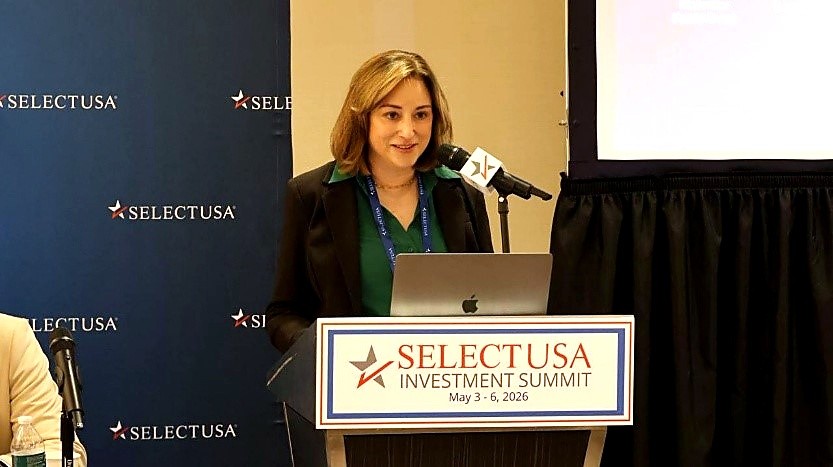 U.S. Ambassador to Kazakhstan, Julie Stufft - image: TCA[/caption]
U.S. Ambassador to Kazakhstan Julie Stufft said that a delegation of 30 Kazakhstani firms representing various business sectors has come to the U.S. for the summit to pursue trade and investment prospects. "This is a historic event for our relations and for Kazakhstani business - one that truly demonstrates the level of development Kazakhstani companies and investors have achieved, enabling them to enter the world's largest market: the United States," Ambassador Stufft stated.
The roundtable highlighted a clear trend: Kazakhstani firms are increasingly looking outward. Companies from sectors including manufacturing, agri-tech, healthcare, food production, and digital platforms presented plans for entering or expanding in the U.S. market, while also outlining the challenges of regulatory compliance, localization, and competition. Support from institutions like SelectUSA and the U.S. Commercial Service remains critical in navigating these complexities.
Economic conditions are also shaping this outward push. A stronger tenge may improve the purchasing power of Kazakhstani investors considering U.S. opportunities, though exchange-rate gains alone do not explain the trend. Combined with growing domestic savings and corporate maturity, this is accelerating outbound investment strategies.
[caption id="attachment_48402" align="aligncenter" width="1280"]
U.S. Ambassador to Kazakhstan, Julie Stufft - image: TCA[/caption]
U.S. Ambassador to Kazakhstan Julie Stufft said that a delegation of 30 Kazakhstani firms representing various business sectors has come to the U.S. for the summit to pursue trade and investment prospects. "This is a historic event for our relations and for Kazakhstani business - one that truly demonstrates the level of development Kazakhstani companies and investors have achieved, enabling them to enter the world's largest market: the United States," Ambassador Stufft stated.
The roundtable highlighted a clear trend: Kazakhstani firms are increasingly looking outward. Companies from sectors including manufacturing, agri-tech, healthcare, food production, and digital platforms presented plans for entering or expanding in the U.S. market, while also outlining the challenges of regulatory compliance, localization, and competition. Support from institutions like SelectUSA and the U.S. Commercial Service remains critical in navigating these complexities.
Economic conditions are also shaping this outward push. A stronger tenge may improve the purchasing power of Kazakhstani investors considering U.S. opportunities, though exchange-rate gains alone do not explain the trend. Combined with growing domestic savings and corporate maturity, this is accelerating outbound investment strategies.
[caption id="attachment_48402" align="aligncenter" width="1280"]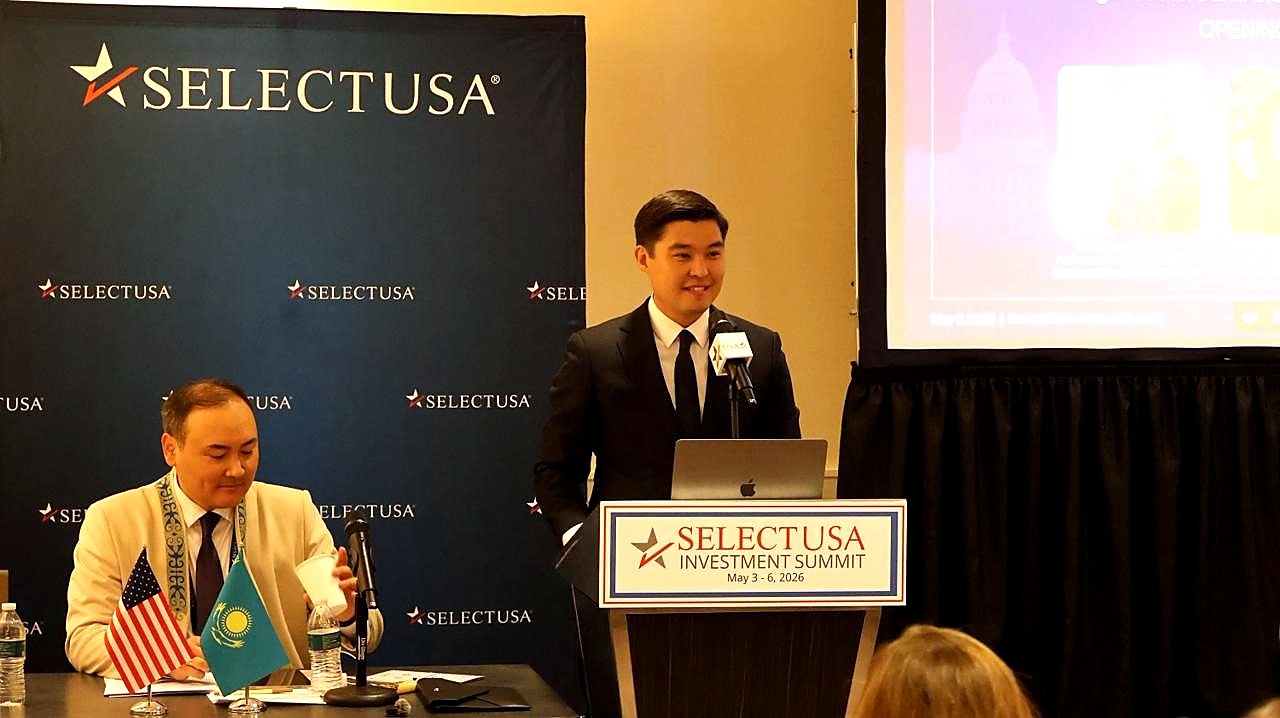 Ramazan Slamkhanov, founder & managing director of CASA - image: TCA[/caption]
Later in the week, reflecting on the broader atmosphere of the summit, Ramazan Slamkhanov, founder & managing director of Central Asia Strategic Advisory (CASA), pointed to the scale of engagement. “Despite global economic uncertainty, Kazakhstan remains committed to building strong business connectivity with the United States,” he said. “The level of interest we’ve seen here—from investors, officials, and entrepreneurs—shows that Kazakhstan and Central Asia are firmly on the same page. SelectUSA confirms that this is not just about attracting investment into Kazakhstan, but also about Kazakhstan investing in the U.S. While more work needs to be done, we are moving forward with confidence. ”
As Kazakhstan becomes the first Central Asian country to present projects at SelectUSA, its ambitions are sharpening. Both attracting capital and deploying it are on the rise, driven not only by large corporations but also by SMEs and entrepreneurs whose creativity and initiative are expanding the country’s global reach. For the United States, that could mean new investment, new business partnerships, and a broader commercial relationship with Central Asia’s largest economy.
Ramazan Slamkhanov, founder & managing director of CASA - image: TCA[/caption]
Later in the week, reflecting on the broader atmosphere of the summit, Ramazan Slamkhanov, founder & managing director of Central Asia Strategic Advisory (CASA), pointed to the scale of engagement. “Despite global economic uncertainty, Kazakhstan remains committed to building strong business connectivity with the United States,” he said. “The level of interest we’ve seen here—from investors, officials, and entrepreneurs—shows that Kazakhstan and Central Asia are firmly on the same page. SelectUSA confirms that this is not just about attracting investment into Kazakhstan, but also about Kazakhstan investing in the U.S. While more work needs to be done, we are moving forward with confidence. ”
As Kazakhstan becomes the first Central Asian country to present projects at SelectUSA, its ambitions are sharpening. Both attracting capital and deploying it are on the rise, driven not only by large corporations but also by SMEs and entrepreneurs whose creativity and initiative are expanding the country’s global reach. For the United States, that could mean new investment, new business partnerships, and a broader commercial relationship with Central Asia’s largest economy.
Kazakhstan Recasts Its Nuclear Past
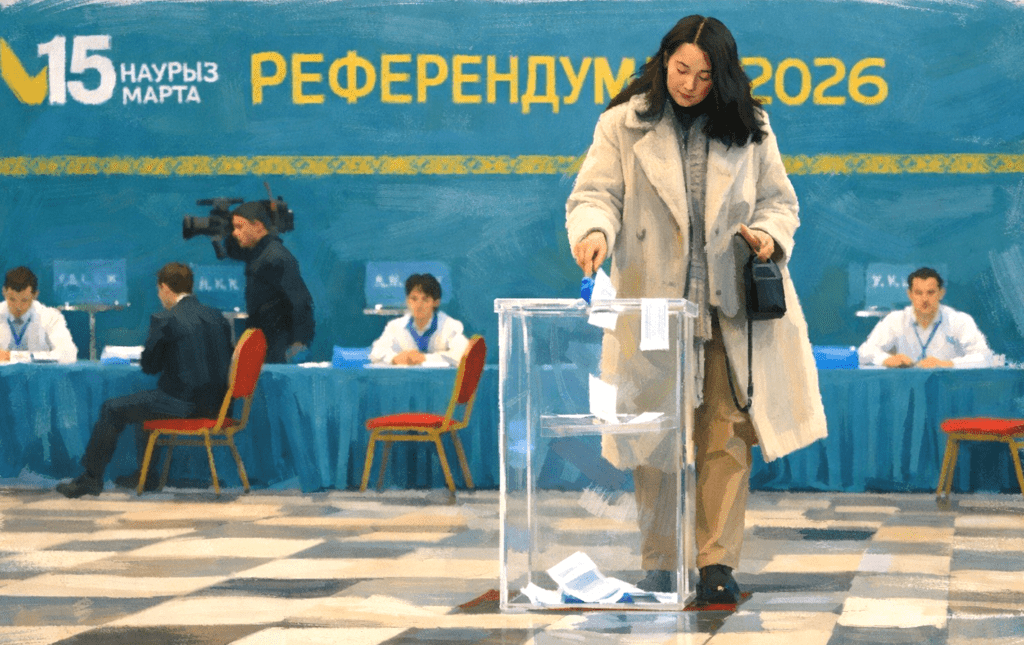
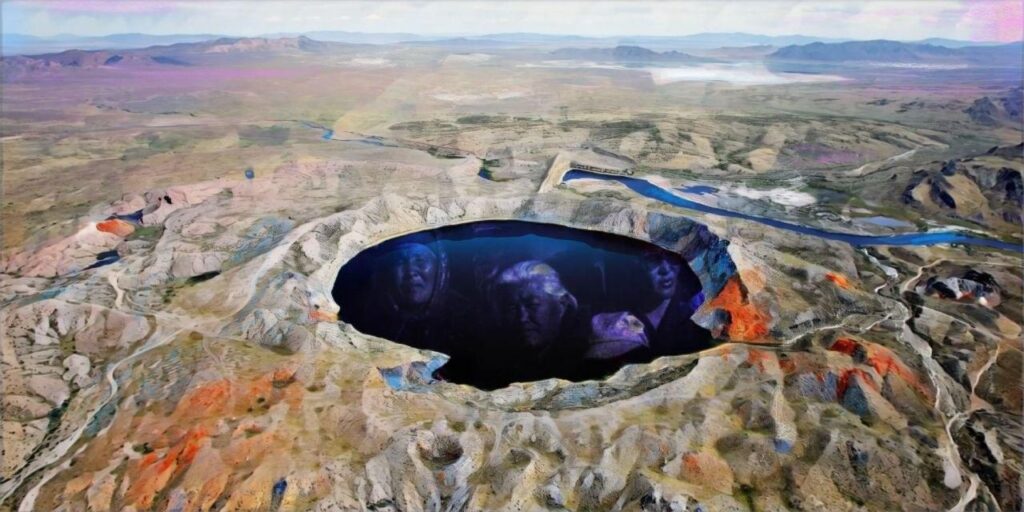
At the United Nations in late April, Robert Floyd, executive secretary of the Preparatory Commission for the Comprehensive Nuclear-Test-Ban Treaty Organization, warned that any renewed nuclear test by Russia, the United States, or another state could draw other nuclear powers back into testing. His remarks followed the re-emergence of nuclear testing as an issue in international political debate. Kazakhstan enters this debate from the opposite side of nuclear history. It is a former Soviet nuclear test ground that now defines its nuclear policy through civilian power, peaceful use, and non-proliferation. Kazakhstan’s nuclear future is shaped by its nuclear past. The country was a Soviet nuclear test ground at Semipalatinsk, now Semey, where late-Soviet public-health concerns helped force nuclear testing into public politics before the site’s closure. After independence, Kazakhstan renounced the Soviet-era nuclear weapons it inherited on its territory. Its present nuclear-energy policy begins from that record. It is not a search for nuclear status, but a civilian program formed by restraint, public memory, and national development. Semipalatinsk is the source of Kazakhstan’s authority on nuclear testing. Between 1949 and 1989, the Soviet Union used the site as one of its principal nuclear testing grounds. In total, 456 nuclear tests were conducted there, including 340 underground and 116 atmospheric tests. Kazakhstan closed the site in 1991. These facts remove the subject from arms-control abstraction. For Kazakhstan, nuclear testing is a territorial, social, public-health, and political inheritance, bound to the eastern steppe and the communities around the former test range. Atomic Lake gives that history a single, physical form. In January 1965, the Soviet Union carried out the Chagan underground nuclear explosion at the Semipalatinsk Test Site. The blast, with a yield of 140 kilotons, was part of a Soviet program for using underground nuclear explosions in civil engineering, including reservoirs and channels in water-scarce regions. It created the crater later known as Atomic Lake. The site remains a physical residue of the Soviet claim that nuclear explosions could serve economic and social development. This is why nuclear technology in Kazakhstan cannot be politically neutral. Independence gave Kazakhstan agency in that history. Kazakhstan transferred Soviet-era nuclear weapons to Russia by April 1995 and took part in cooperative threat reduction, including the sealing of test-site boreholes and tunnels. More recently, it became host to the International Atomic Energy Agency’s Low Enriched Uranium Bank at Ulba, in Oskemen. The bank is an IAEA-owned fuel-assurance reserve for peaceful nuclear power, designed to support access to nuclear fuel without encouraging additional enrichment programs. Kazakhstan’s civilian nuclear claim, therefore, rests on practice: disarmament, threat reduction, and non-proliferation infrastructure. The policy now turns on a practical paradox. Kazakhstan has been the world’s leading uranium producer since 2009 and produced about 40% of the world’s uranium in 2025. Yet it has no operating nuclear power plant. Its Soviet-era BN-350 reactor, near Aktau on the Caspian Sea, was decommissioned in 1999 after decades of electricity generation and desalination. Kazakhstan is central to the global nuclear fuel cycle but has not used nuclear power for domestic electricity generation for more than two decades. The planned reactor program would carry Kazakhstan from uranium production into nuclear electricity generation. The energy case is not abstract. Coal and gas accounted for 85% of Kazakhstan’s electricity output in 2024, while renewables, including hydro, wind, and solar, accounted for the remainder. The power system also has a geographic imbalance: northern Kazakhstan produces most electricity, while southern regions rely on imports and long-distance transmission. Nuclear power is being advanced as one answer to this problem of supply, distance, and development. It is presented as part of a broader energy mix, linked to energy security, sustainable growth, high-technology industry, and peaceful use rather than any weapons-adjacent purpose. The October 2024 referendum gave the policy its domestic authorization. Official results showed 71.12% support for the construction of a nuclear power plant, with 7.82 million voters participating and a turnout of 63.66%. The referendum did not remove every concern. Its significance was narrower but more consequential: nuclear power was placed before the public in a country where nuclear memory remains politically serious. Public authorization became part of the policy itself, alongside continuing attention to cost, environmental questions, and waste storage. The referendum mandate has now entered implementation. Kazakhstan selected Russia’s Rosatom and China’s CNNC to lead separate consortiums for its first nuclear power plants. Rosatom is linked to the planned two-reactor project at Ulken, about 400 kilometers northwest of Almaty, using VVER-1200 Generation 3+ reactors. CNNC is connected to a second project. Engineering and survey work at Ulken began in 2025 and is expected to last at least 18 months. The broader strategy foresees at least three nuclear power plants operating by 2050, with a possible fourth. The strategy treats safety as part of the policy itself. It includes radioactive waste and used fuel management, specialist training, nuclear, radiation, and physical safety, and peaceful-use priorities. The referendum recorded public concerns about cost, environment, and waste. In Ulken, some residents looked to jobs and development, while others expressed concern about Lake Balkhash's water quality. Those concerns help explain the policy’s form: regulation, staged implementation, and public consent. The Soviet testing legacy makes caution necessary. It also gives Kazakhstan reason to define civilian nuclear power through institutions, not verbal assurances. Kazakhstan’s civilian nuclear policy contrasts with recent international nuclear-testing rhetoric. The country is not discarding its nuclear past. It is using that past to support a different nuclear claim: nuclear technology can serve electricity, development, sovereignty, and non-proliferation. Semipalatinsk and Atomic Lake remain part of Kazakhstan’s history. The reactor program now gives that history a civilian policy form.

Pannier and Hillard’s Spotlight on Central Asia: New Episode Out Now
As Managing Editor of The Times of Central Asia, I’m delighted that, in partnership with the Oxus Society for Central Asian Affairs, from October 19, we are the home of the Spotlight on Central Asia podcast. Chaired by seasoned broadcasters Bruce Pannier of RFE/RL’s long-running Majlis podcast and Michael Hillard of The Red Line, each fortnightly instalment will take you on a deep dive into the latest news, developments, security issues, and social trends across an increasingly pivotal region. This week, the team will be tracking the culmination of Bishkek's power struggle as charges are formally brought against Tashiyev, alongside a fresh wave of EU sanctions that look designed to make an example of one Central Asian state. We'll also break down the shutdown of a key Kazakh pipeline carrying oil to Europe, Russia's increasingly blunt statements on foreign military deployments across the region, Ashgabat's crackdown on Starlink connections in Turkmenistan, and the EU's push to turn Central Asia into a transit point for Afghans being deported back to Afghanistan. We'll also cover the spread of a new strain of foot-and-mouth disease tearing through the region. And for our main story, we turn to the mounting ecological crisis in the Caspian Sea, where falling water levels and worsening environmental pressures are becoming impossible for the region to ignore.
On the show this week: Vadim Ni, co-founder of the Save the Caspian Sea movement.
Kazakhstan Accelerates AI Push to Build Digital Economy
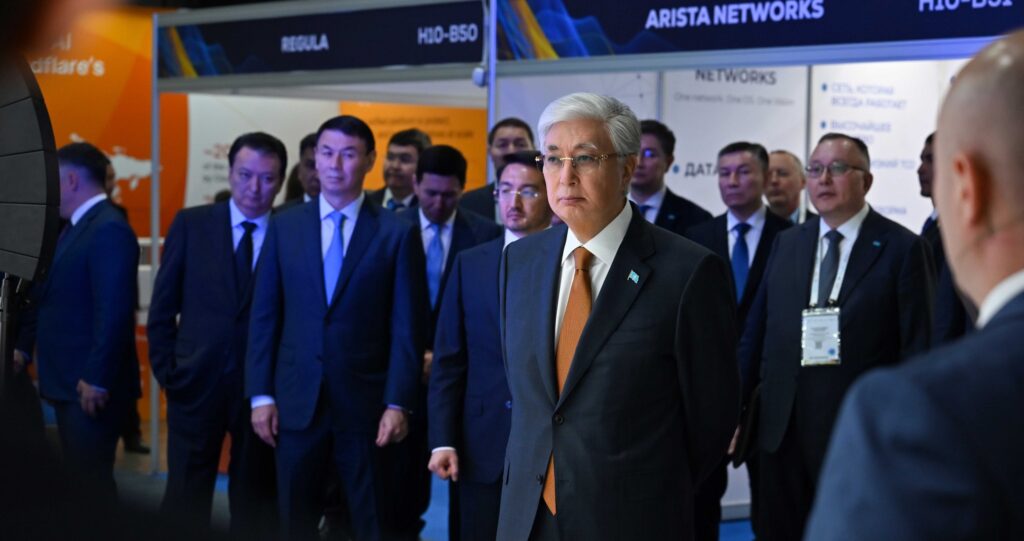
Kazakhstan must accelerate its transition to a digital economy and scale up artificial intelligence if it wants to avoid economic stagnation, President Kassym-Jomart Tokayev has said. Speaking on May 4 at a meeting of the AI Development Council, Tokayev warned that Kazakhstan’s traditional growth drivers, including natural resources and low-cost labor, are nearing exhaustion, while new engines of growth have yet to take shape. According to the president, Kazakhstan is already facing the “middle-income trap.” He said avoiding stagnation requires a shift to a digital economy and the development of platform-based solutions. “Without a unified system of government data, artificial intelligence will remain ineffective,” Tokayev said. He called for public services to become an “invisible but highly efficient operating system” capable of reducing processing times from days to seconds, which he said would accelerate capital turnover across the economy. Kazakhstan has begun testing this approach in customs, tax administration, logistics, and public finance. The KEDEN customs platform has cut declaration processing times to under one minute, while Smart Cargo is being developed as a single digital window for logistics services. The integrated tax administration system has reduced document processing times from one hour to one minute. The Smart Data Finance platform brings together data from 78 sources, including financial transactions and transport activity. Authorities say real-time budget monitoring has helped prevent risky payments worth hundreds of billions of tenge. A public procurement forecasting system, built on a national product catalog with more than 23 million items, is also being developed to reduce budget waste. Tokayev said the digital economy already accounts for more than 15% of global GDP, reflecting a shift in global competition from goods markets to data and standards. He also emphasized the need to develop digital financial instruments, including cryptocurrencies and asset tokenization. “This will increase the country’s attractiveness for global capital and create the conditions for Kazakhstan to become a leading investment and financial hub,” he said. According to Tokayev, Kazakhstan has already established a legal framework for regulating digital assets. The government and the National Bank have been tasked with coordinating a strategy for developing the crypto market. At the same time, Tokayev stressed the need for more precise measurement of digitalization’s contribution to economic growth. “When GDP growth is reported, it is essential to clearly understand what share comes from the real sector and what from innovation,” he said, warning that the absence of a clear methodology could create an illusion of progress while masking underlying challenges. Tokayev also visited the GITEX AI Central Asia & Caucasus exhibition, where projects in AI, logistics, and fintech were showcased. Among them was an AI assistant deployed in Kazakhtelecom’s contact center, where it processes customer requests and helps detect fraudulent calls. Projects aimed at developing a digital asset ecosystem and crypto market infrastructure were also presented, including tokenized financial instruments on the Kazakhstan Stock Exchange. Experts say Kazakhstan is already taking steps to compete in the global technology landscape. According to Rustem Mustafin, head of the Center for Digital Social Sciences, the country has potential advantages, including energy capacity and room for data center development. Mustafin pointed to the development of a “data center valley” project in Ekibastuz with a potential capacity of up to 1 gigawatt and investment of up to $30 billion. Such a project, he said, could allow Kazakhstan to export computing power rather than raw materials. Kazakhstan has also adopted legislative measures, including a law on artificial intelligence and a digital code. It also has two systems in the global TOP500 supercomputer ranking: Alem.Cloud and AI-Farabium. Kazakhstan’s location between Russia and China may give it a role as a lower-risk venue for some international technology and research cooperation, particularly where partners want access to the region without working directly through Moscow or Beijing. At the same time, Mustafin warned of risks. “Countries without their own models and control over data become subject to external algorithmic decisions,” he said, warning that such states risk becoming “information colonies.” The Times of Central Asia has previously reported that Kazakhstan has emerged as a regional leader in AI readiness and plans to establish an international computing hub.
European Summit in Yerevan Sends a Signal to Central Asia
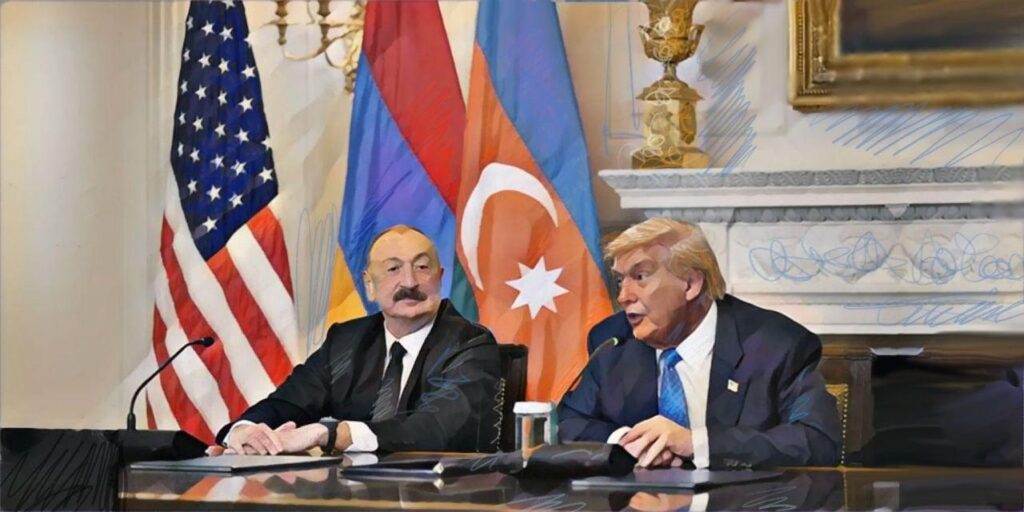
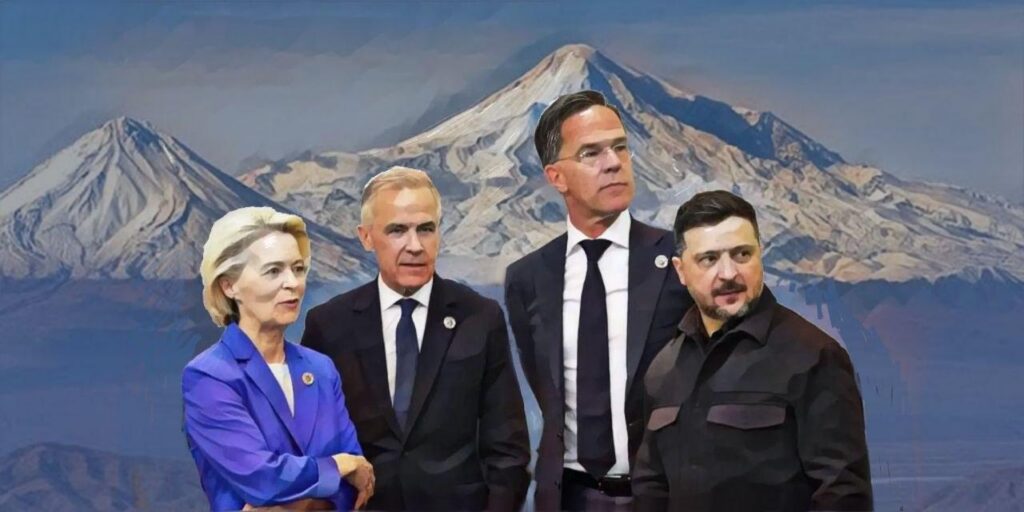
The 8th European Political Community summit in Yerevan highlighted deepening geopolitical fault lines while signaling that some post-Soviet countries, notably Azerbaijan and Armenia, are gradually shifting their geopolitical orientation away from Moscow. It is a realignment that Central Asian states are watching with increasing interest. On May 4, attention across post-Soviet space, from Russia and Belarus to Central Asia and the South Caucasus, turned toward Yerevan. Armenia, still a member of the Commonwealth of Independent States and the Eurasian Economic Union and formally tied to the Collective Security Treaty Organization despite freezing its participation, hosted Europe’s political leadership. Among those attending were French President Emmanuel Macron, NATO Secretary General Mark Rutte, European Commission President Ursula von der Leyen, European Council President António Costa, and prime ministers including Donald Tusk, Keir Starmer, and Petteri Orpo. Azerbaijani President Ilham Aliyev participated via video link. No Central Asian leaders attended the summit. Even so, the gathering carried a message for the region. Armenia hosted Europe’s political leadership while remaining tied to Moscow-led structures, including the CIS and the Eurasian Economic Union. For Central Asian governments pursuing their own multi-vector policies, the summit showed how a post-Soviet state can widen its diplomatic options without a clean break from Russia. The parallel is not exact, but it is visible. Kazakhstan and Kyrgyzstan remain in the Eurasian Economic Union, while Kazakhstan, Kyrgyzstan, and Tajikistan remain in the CSTO. All five Central Asian states maintain working ties with Moscow, while expanding contacts with the EU, Turkey, China, and the Gulf, part of a wider effort to diversify foreign policy options through closer engagement with Europe and other outside powers. Turkey was represented by Vice President Cevdet Yılmaz, the highest-level Turkish official to visit Armenia since then-President Abdullah Gül in 2008. Turkey and Azerbaijan largely positioned themselves as counterweights to the dominant European framing, marking one of the summit’s key geopolitical divides. Aliyev adopted a confrontational tone, announcing a suspension of relations with the Parliamentary Assembly of the Council of Europe and the European Parliament. “Instead of addressing fundamental problems of some member states, such as xenophobia, Islamophobia, antisemitism, migration, competitiveness, and homelessness, the European Parliament targets Azerbaijan, spreading slander and lies,” Aliyev said. “And the reason is that Azerbaijan restored its territorial integrity and sovereignty, put an end to separatism, and brought war criminals to justice.” In response, António Costa sought to soften tensions, emphasizing the summit’s historical significance as the first of its kind held in the South Caucasus and highlighting Aliyev’s participation as a symbol of peace efforts in the region. Cevdet Yilmaz focused on bilateral diplomacy, meeting Romanian President Nicușor Dan to discuss trade, regional issues, and global challenges. He also held talks with Armenian Prime Minister Nikol Pashinyan, the summit’s host. The two sides signed a memorandum of understanding on the joint restoration of the historic Ani Bridge, located on the border between the two countries and dating back to the 11th century. Yilmaz suggested that Armenia would benefit from closer alignment with Turkey and Azerbaijan, citing regional stability and economic integration. “This is one of the most strategically important regions in the world. Historically, it has always been a transit region. We believe that with the establishment of peace and normalization of the situation in the South Caucasus, all residents of the region will benefit first and foremost. Azerbaijan, Armenia, and Turkey—all these countries will benefit,” he said. European leaders used the summit to highlight other geopolitical tensions. Russian President Vladimir Putin and Belarusian President Alexander Lukashenko were again framed as adversaries. Ukrainian President Volodymyr Zelenskyy, invited to the summit, warned that the coming months would be decisive. “This summer will be the moment when Putin decides what to do next. We must push him toward diplomacy and not agree to sanctions relief,” Zelenskyy said. Belarusian opposition leader Sviatlana Tsikhanouskaya was also invited, underscoring Europe’s stance toward Minsk. Another focus of discussion was U.S. President Donald Trump, particularly his recent statements on tariffs on EU cars and plans to significantly reduce U.S. troop numbers in Germany. “This has been discussed for a long time, but the timing of this announcement was certainly unexpected,” EU foreign policy chief Kaja Kallas said, adding that it underscored the need to strengthen Europe’s role within NATO. Macron described the summit as part of a broader “European awakening” driven by developments in Ukraine and Moldova, and included Armenia in this process. “Let's be honest: eight years ago, no one would have come here. Eight years ago, this country was considered a de facto Russian satellite at the negotiating table,” he said. Despite criticism, Macron’s remarks pointed to a longer-term shift in Armenia’s geopolitical trajectory, one that has been developing over the past decade. Notably, the presence of Russian military bases in Armenia did not prevent the summit from taking place, nor did it hinder Zelenskyy’s participation. The Yerevan summit thus underscored a broader geopolitical realignment. For Central Asia, the signal was not that Armenia offers a model to copy, but that Europe is becoming more willing to engage with post-Soviet states seeking wider diplomatic space beyond Moscow.
Two Killed in Explosion at Industrial Plant in Eastern Kazakhstan
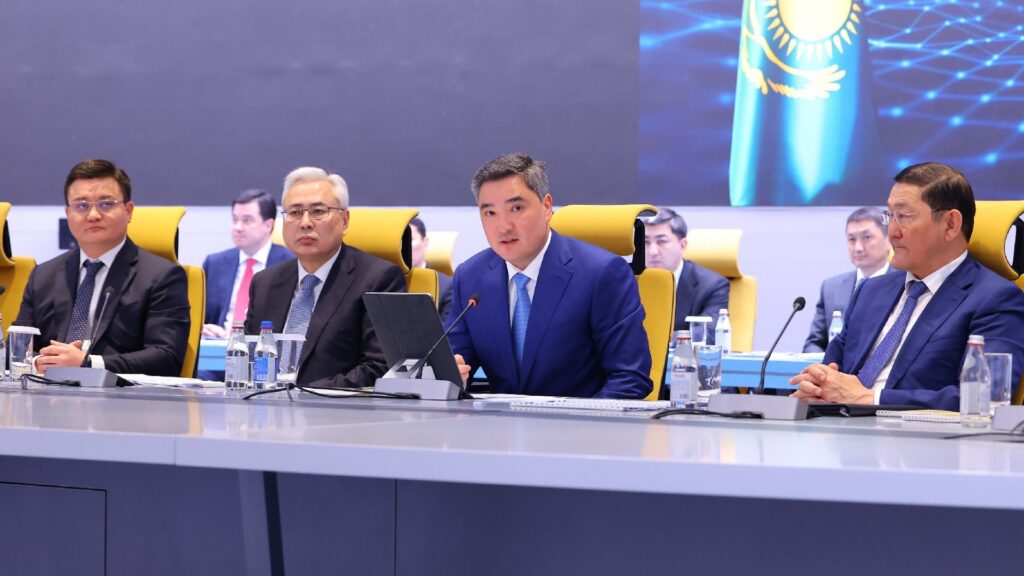
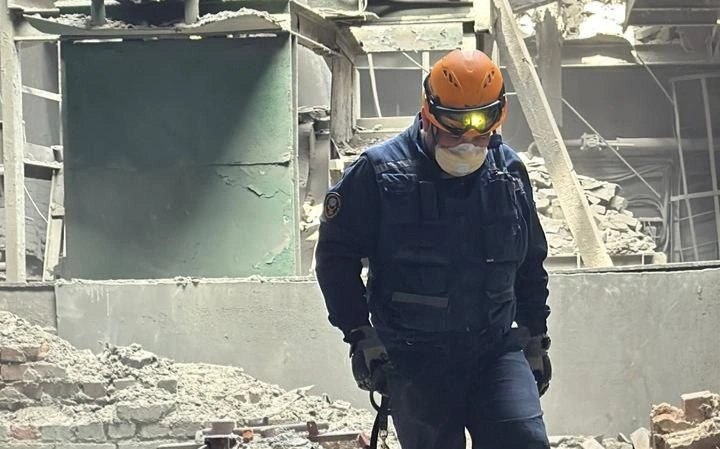
Two people were killed and nine injured in an explosion at a facility operated by Kazzinc in Ust-Kamenogorsk, local authorities and emergency services said. The incident occurred at around 8 a.m. on May 5. According to preliminary information, a dust-collection unit malfunctioned in one of the workshops, followed by a fire and the partial collapse of building structures. Emergency crews from the Ministry of Emergency Situations of Kazakhstan were quickly dispatched to the scene, deploying 10 fire units. “Rescuers are clearing debris and extinguishing remaining fire sources until the situation is fully contained. Search operations for victims are ongoing. According to preliminary information, four people are being transported to medical facilities,” the ministry said. Local health authorities later reported that the number of injured had risen to nine. Three remain in serious condition: two have been hospitalized, while one received resuscitation at the scene. “One of the injured was transported to a medical facility by employees of the enterprise,” the Ust-Kamenogorsk health department said. Following the explosion, thick smoke rose above the plant, prompting specialists from the East Kazakhstan regional Department of Ecology to carry out air quality monitoring at the boundary of the sanitary protection zone. “We deployed a mobile laboratory to the sanitary protection zone first. Measurements have already been taken at two points, and we are now moving to a third point in the northwestern direction from the plant, following the wind,” said department head Aset Suleimenov. He added that four to five locations would be tested, primarily along the direction of the smoke plume. Results will be released later. Authorities subsequently confirmed that two people had died in the incident. Prime Minister Olzhas Bektenov said he had taken the situation under personal control. “This morning I issued the necessary instructions regarding the explosion in Ust-Kamenogorsk. The Ministry of Emergency Situations, environmental authorities, and regional administrations must take all necessary measures and report back to me. This issue will remain under my personal control,” he said at a government meeting. The Kazzinc site in Ust-Kamenogorsk is a major metallurgical complex that includes zinc, lead, and copper production, as well as precious metals refining and sulfuric acid production. Ust-Kamenogorsk is considered one of Kazakhstan’s most environmentally affected cities, where the concentration of metallurgical enterprises frequently leads to air pollution levels exceeding permissible limits. Glencore, a multinational commodity trading and mining company, is a major shareholder in Kazzinc, which was established in 1997. The company is a major producer of zinc, as well as lead, copper, and precious metals.
UNEP Interview: From Space, Central Asia’s Methane Challenge Comes Into Focus
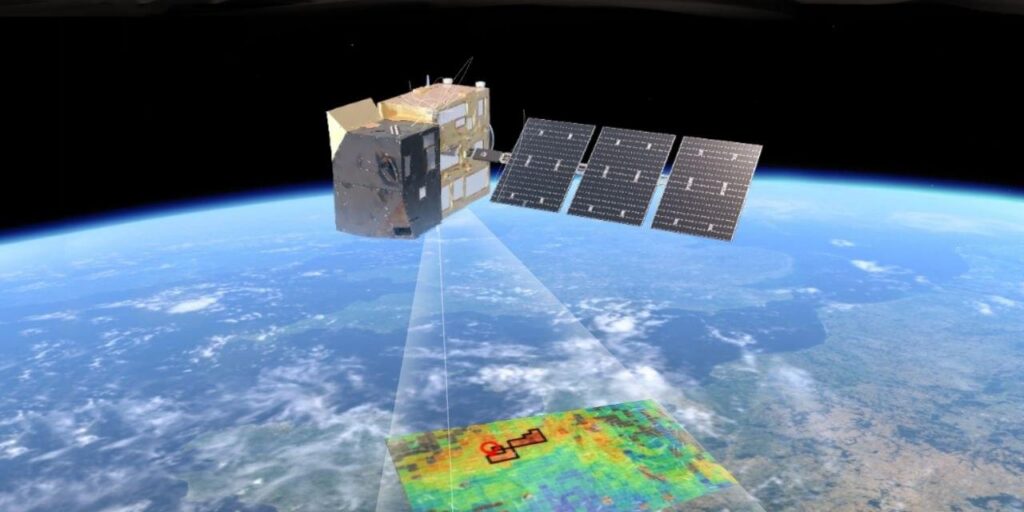
Satellites are changing the way the world sees methane. What was once an invisible leak from a well, flare, pipeline, landfill, or coal mine can now be detected from space, traced to a specific site, and sent to governments and companies for action. A new analysis by the United Nations Environment Programme’s International Methane Emissions Observatory puts that system to the test. Its Methane Alert and Response System, known as MARS, uses 35 satellite instruments to identify major human-caused methane “super-emitters” and notify those responsible. UNEP says the system has already enabled 41 mitigation cases in 11 countries, covering sources estimated to have released 1.2 million tonnes of methane. For Central Asia, the findings are especially relevant. UNEP’s new data includes a rolling list of the world’s 50 largest satellite-detected methane sources, covering oil and gas, coal, and waste, and shows where rapid action may be possible. Several of those sources are linked to Turkmenistan’s oil and gas sector, placing the region firmly inside a global debate over methane transparency, climate responsibility, and whether satellite alerts can lead to action on the ground. Of the 50 sources featured in the latest UNEP/IMEO snapshot, China has the largest number, while Turkmenistan stands out sharply for Central Asia, with the second-largest individual source and four of the top ten. Methane is shorter-lived than carbon dioxide, but far more powerful in the near term. That makes cutting large leaks one of the fastest ways to slow global warming. The harder question, as UNEP’s latest data makes clear, is no longer only where the leaks are, but who responds when they are found. On April 30, UNEP/IMEO presented the new MARS findings, highlighting the growing role of satellite-based monitoring in identifying major methane sources and pressing governments and companies to act. The Times of Central Asia spoke with Meghan Demeter, MARS Programme Manager, International Methane Emissions Observatory, UNEP. TCA: What does the new MARS data reveal about Central Asia specifically that may surprise readers? Demeter: The latest MARS data products depict the region as one with growing engagement and significant mitigation potential. Responses to MARS notifications are increasing, supported in particular by designated national focal points who play a key role in coordinating follow-up with operators. Based on the published 2025 data alone, the response rate across Central Asia currently stands at 22%. Managing a high volume of alerts requires more effort to achieve very high response rates compared to countries that receive only a handful of notifications. Encouragingly, the region has already recorded nearly 20 mitigation cases, underscoring the strong potential for emissions reductions when large methane sources are identified and addressed. TCA: Why does Central Asia matter in the global methane debate, even if it is not the world’s largest methane-emitting region? Demeter: Across Central Asia, looking at the 2025 data alone, UNEP’s International Methane Emissions Observatory, through the Methane Alert and Response System (MARS), detected and notified 298 emission sources from the oil and gas sector. While satellites detect only a fraction of global methane emissions, satellites are highly effective at identifying so-called “super-emitters,” methane emission events so large they can be detected from space. These represent opportunities where action can deliver the greatest and fastest climate wins, while also catalyzing broader change. Regarding the “top 50” list of emission events, 11 of these sources are located in Central Asia, all from the oil and gas sector—the sector that also has the most potential for rapid, low-cost mitigation. This means that the region has high mitigation potential. It is important to note that this is dynamic. We expect the “top 50” list to evolve over the coming months, as satellite detection capabilities vary with observation conditions, including seasonal weather patterns such as cloud cover. Satellite detection is only one part of the solution. To address the broader methane challenge, we have to work system-wide. That means improving measurement and reporting to tackle smaller, more diffuse emissions in the oil and gas sector, which is what UNEP’s Oil and Gas Methane Partnership 2.0 (OGMP 2.0) is designed to do. TCA: Beyond the broad oil and gas picture, what types of sites are most visible in the satellite data? Demeter: In terms of sectors, oil and gas sector sources dominate in most countries, but we also see significant emissions from waste, for example, at a landfill near Tashkent in Uzbekistan, which is most visible during the summer months. In terms of emission sources within the oil and gas sector, most emissions come from malfunctioning flares, gas disposal facilities, and, frequently, significant emissions from midstream facilities (pipelines), all with very high mitigation potential. Although aging infrastructure in the region remains a significant challenge, with some methane leaks requiring major infrastructure fixes or replacements, documented cases already signal tremendous potential for quick, high-impact action in this region. TCA: Can you give a simple example of how a satellite detection becomes a confirmed mitigation case? Demeter: MARS is designed to turn satellite observations into real-world action. First, IMEO analyses satellite data to detect large methane plumes and attribute them to specific facilities and operators. Once attributed, UNEP notifies the relevant government authorities and, where applicable, the operating company. (We directly notify companies that are members of OGMP 2.0.) Along with the notification, we ask stakeholders to provide feedback about the detected emission event, including the emission source, an explanation for the cause of emissions, and any mitigation actions taken or status updates on the emissions. That information requires operators to investigate the emissions on the ground. Finally, IMEO continuously monitors the site to track progress and confirm when emissions are no longer observable by satellites. A recent case in Kazakhstan illustrates how this works in practice. After a satellite detection, the operator located a methane leak using simple Audio‑Visual‑Olfactory (AVO) checks and soap‑foam testing. The team quickly identified a faulty valve, replaced it, and fully stopped the emissions. This case shows that, while some methane reductions require complex, long‑term solutions, others can be achieved rapidly with basic techniques and straightforward repairs, delivering immediate climate benefits. TCA: What would measurable progress in Central Asia look like over the next year or two: fewer large plumes, faster responses, stronger reporting, or something else? Demeter: Measurable progress would be reflected across several dimensions. First, we would hope to see an increase in MARS response rates across all countries, which would signal stronger engagement and more effective follow-through. Responding to a MARS alert requires governments and operators to acknowledge alerts, investigate the source of emissions, and provide timely, substantive feedback on root causes and mitigation actions. As countries increasingly investigate major emission sources and take action to address them, we would expect to detect fewer large methane plumes over time, reflecting effective mitigation of the biggest sources. Lastly, but equally important, is progress on improved measurement and reporting to tackle smaller, more diffuse emissions in the oil and gas sector, which is what UNEP’s OGMP 2.0 is designed to do. That means seeing current Central Asian OGMP 2.0 members advance through OGMP 2.0’s reporting framework, as well as OGMP 2.0 membership growing in the region.
Sunkar Podcast
Uzbekistan’s Sindarov Makes Breakthrough in World Chess